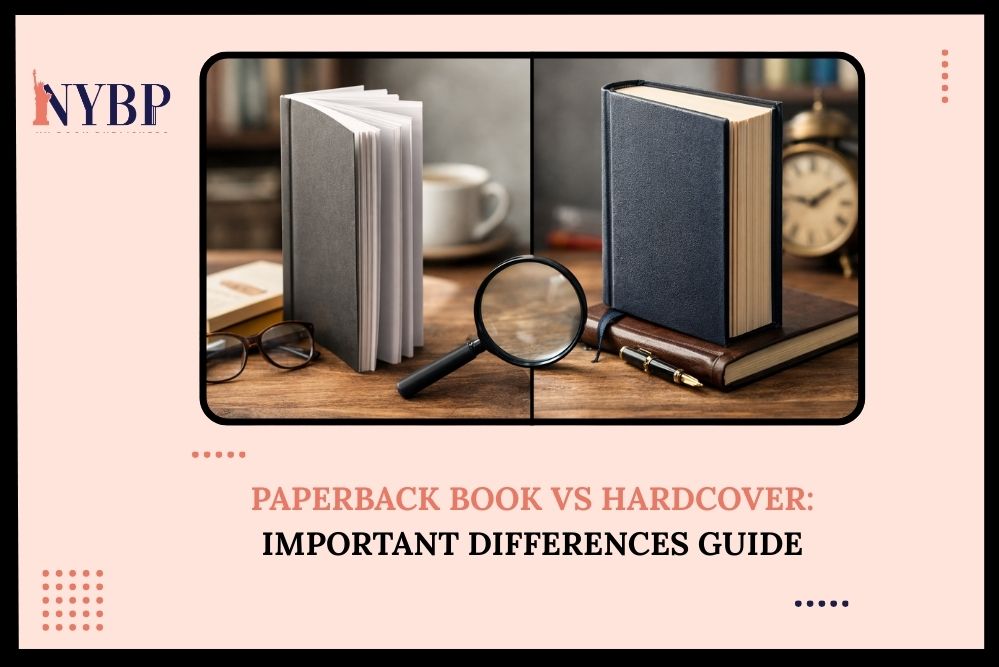
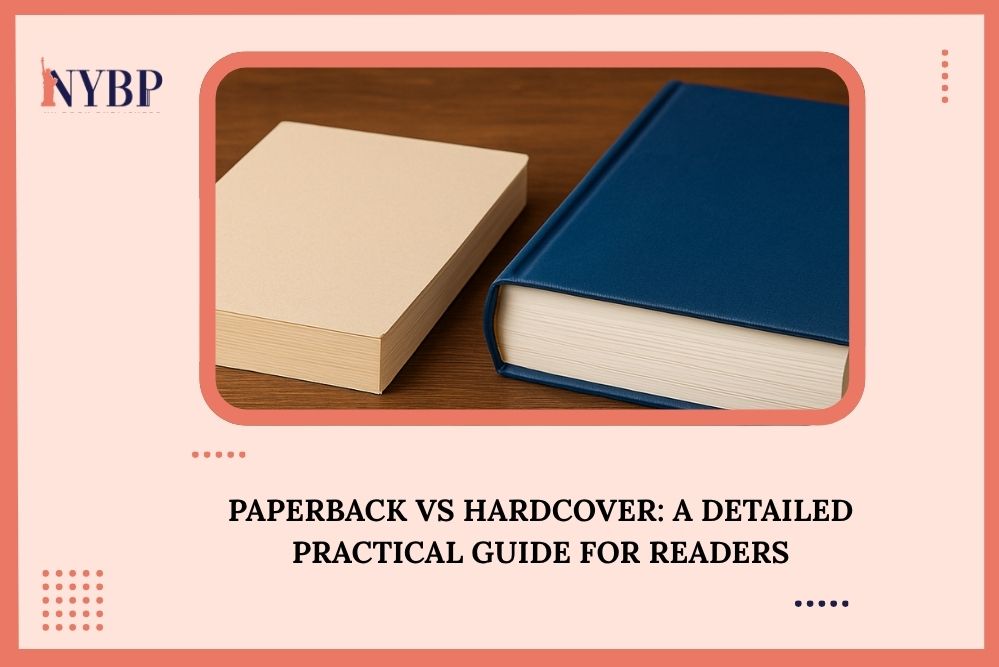
Hardcover Vs Paperback
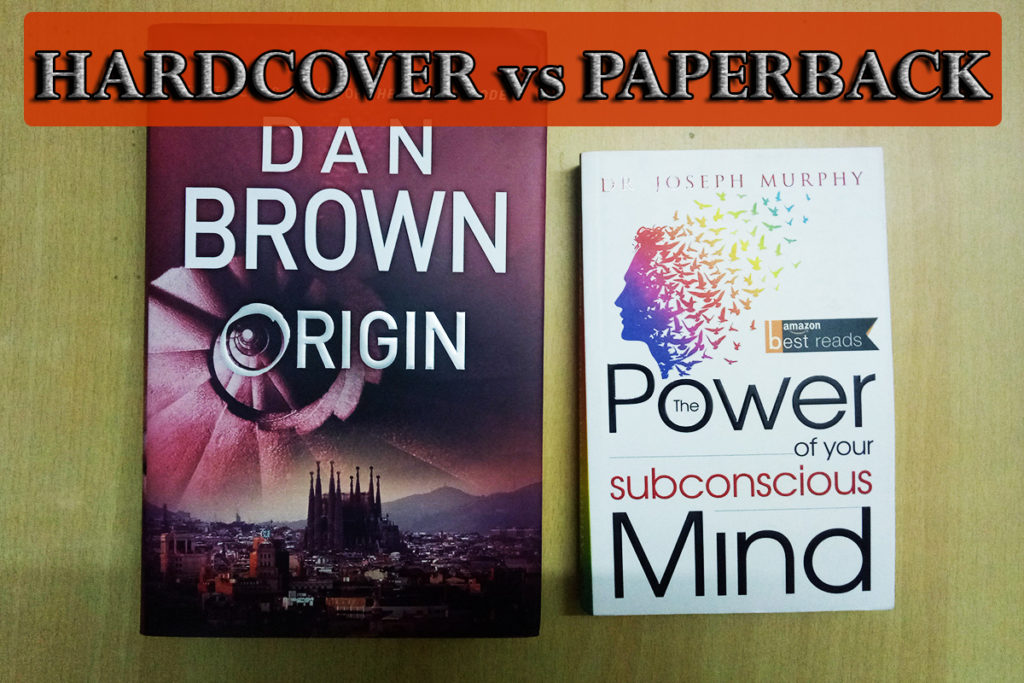
Ever found yourself staring at a bookshelf, or perhaps browsing online, and faced with a familiar dilemma? It’s the age-old question that sparks friendly debates among bibliophiles and casual readers alike: hardcover vs. paperback. It might seem like a small detail in the grand scheme of embarking on a new literary adventure, but the choice between these two formats can actually impact your reading experience, your wallet, and even how you display your beloved collection. It’s a fun little puzzle, a practical consideration, and a testament to the enduring appeal of physical books in our increasingly digital world.
Let’s dive into the world of books and explore what makes each of these formats so special. Think of it as a friendly showdown, not to declare a definitive winner, but to understand the unique strengths and charms of each.
The Sturdy Sentinel: Hardcover Books
When you think of hardcover books, what comes to mind? Probably something substantial, something built to last. That’s precisely their primary purpose and biggest benefit: durability. These books are constructed with a thick, rigid protective cover, often made from cardboard or binder’s board, which is then typically covered with cloth, paper, or sometimes even leather. This robust construction isn't just for show; it means your book is far more resistant to wear and tear. Pages are less likely to bend, corners stay crisp, and the spine remains strong, even after numerous readings.
Must Read
This makes hardcovers ideal for:
- Collector's Editions: For that special book you want to treasure for a lifetime, a hardcover is the way to go. Think of first editions, signed copies, or beautifully illustrated volumes.
- Reference Books: Dictionaries, encyclopedias, and cookbooks often come in hardcover. Their frequent use and the need to lie flat on a table make the sturdiness of a hardcover a real advantage.
- Gifts: Presenting a book as a gift often calls for something a bit more formal and lasting, making the hardcover a natural choice.
- Library Books: Public and academic libraries rely heavily on hardcovers for their longevity, ensuring that popular titles can withstand years of circulation.
Beyond durability, hardcovers often boast a certain prestige. They feel more substantial in your hands, offering a satisfying weight and a premium feel. Many readers also appreciate the aesthetic appeal of a row of uniformly bound hardcovers on a shelf – it creates a sense of order and elegance. Plus, the dust jacket, often featuring stunning artwork, adds another layer of visual appeal and can protect the actual cover beneath.

"A well-bound book is a good companion." – Unknown
However, this premium package often comes with a premium price tag. Hardcovers are typically more expensive than their paperback counterparts, both to produce and to purchase. They are also heavier and bulkier, which can make them less convenient for carrying around, especially when traveling.
The Nimble Nomad: Paperback Books
On the other side of the ring, we have the ever-popular paperback. These books, also known as softcovers, feature a flexible, thicker paper or cardstock cover that is glued or sewn to the pages. Their primary purpose is to offer a more accessible and portable reading experience.
The benefits of paperbacks are numerous and speak directly to the everyday reader:

- Affordability: This is often the biggest draw. Paperbacks are significantly cheaper than hardcovers, making it easier to build a diverse personal library without breaking the bank.
- Portability: Lighter and more flexible, paperbacks are perfect companions for your commute, your vacation, or just lounging on the sofa. They slip easily into bags and are less of a burden to carry.
- Convenience: While they might not lie as flat as some hardcovers, paperbacks are generally easier to hold open for extended reading sessions.
- Availability: New releases are often available in paperback shortly after their hardcover debut, giving readers the option to wait for a more budget-friendly version.
Paperbacks have a friendly, approachable vibe. They invite you to pick them up, read them, perhaps even dog-ear a page or two (though purists might cringe!). They are the workhorses of the reading world, the books that get read, reread, lent to friends, and carried everywhere.
The trade-off for this convenience and affordability is, naturally, durability. The covers are more prone to creasing, bending, and tearing, and the spine can become cracked with frequent opening. Pages can also be more susceptible to damage. While some paperbacks are sewn, many are perfect-bound (glued), and over time, the glue can weaken, causing pages to loosen.

So, Which One Reigns Supreme?
The truth is, neither hardcover nor paperback is inherently "better." The best choice for you depends entirely on your individual needs and preferences. Are you a collector who cherishes the lasting quality and presentation of a book? A hardcover might be your preference. Do you prioritize affordability, portability, and ease of access to a wide range of titles? Then the paperback is likely your champion.
Many readers employ a hybrid approach. They might splurge on a hardcover for a highly anticipated new release from their favorite author or for a book they know they'll want to display prominently. For other titles, they'll happily wait for the paperback edition. This flexibility allows readers to enjoy the best of both worlds, curating a collection that is both practical and personal.
Ultimately, the joy of reading lies in the story within the pages, regardless of the cover it wears. Whether you choose the sturdy embrace of a hardcover or the friendly flexibility of a paperback, the adventure that awaits inside is what truly matters. Happy reading!