Does Rose Wine Go Out Of Date

You know, it’s funny. I was rummaging through my parents’ old wine rack the other day, the one tucked away in the perpetually chilly basement, and I stumbled upon a bottle of rosé. It was from, let’s just say, a significant number of years ago. The label was faded, a little sticky, and the cork looked… well, let’s just say it had seen better days. My immediate thought? “Is this even safe to drink?” And then, a more philosophical one: “Does rosé even go out of date?”
It’s a question that’s probably crossed a lot of our minds, hasn't it? Especially when you find that forgotten bottle at the back of the fridge, or perhaps a gift you never quite got around to opening. We tend to think of wine as this magical elixir that just… improves with age. Red wines, especially, get all the glory for becoming more complex and nuanced over time. But rosé? That’s the sunshine-in-a-glass, the perfect picnic companion, the go-to for a casual Tuesday night. Does it have a shelf life like a carton of milk?
Let’s dive into this pink mystery, shall we?
Must Read
The Rosé Riddle: Does It Age Like Fine Wine?
The short answer, and I know some of you might be reaching for your most expensive bottle of rosé right now in panic, is: mostly, no. Unlike many red wines, which are designed to be aged and develop tannins and complexity, most rosé wines are made to be enjoyed young.
Think about it. What’s the appeal of rosé? It’s usually about its freshness, its vibrant fruit notes (think strawberry, watermelon, citrus zest), and its crisp acidity. These are characteristics that tend to fade over time, rather than mature into something richer. So, while your fancy Bordeaux might be practically begging you to keep it for a decade, your Provençal rosé is probably whispering, “Drink me now, before I get sad.”
And when I say "sad," I don't mean it will sprout legs and run away. I mean its desirable qualities will diminish.
Why the Rush for Rosé?
The winemaking process for rosé is key here. Typically, red grapes are used, but the skins are only in contact with the juice for a very short period – just a few hours, or even less. This limited contact extracts just enough colour and flavour to give it that beautiful pink hue and those delicate fruity notes. It's a gentle embrace, not a long, lingering hug like with red wines.
This quick extraction means that the wine doesn't develop the same level of tannins or complex flavour compounds that benefit from aging. Those vibrant, zesty notes you love? They're at their peak when the wine is young and fresh. Leave it too long, and they start to dissipate, leaving you with something that’s a bit… bland. Like a joke without a punchline, you know?
It’s kind of like a beautiful flower. When it’s first bloomed, it’s stunning and fragrant. But if you leave it in the vase for too long, it starts to droop and lose its vibrancy. Rosé is much the same.

So, the general rule of thumb is to try and drink most rosé wines within 1 to 3 years of their vintage date.
What Happens When Rosé Gets "Old"?
Okay, so it doesn't exactly rot or become undrinkable in a dangerous way. But it does change. And usually, not for the better.
Imagine that vibrant strawberry note you expect from your favourite rosé. After a year or two, it might start to transform into something more akin to dried cranberries or even a slightly stewed fruit character. Not necessarily bad, but definitely not the lively burst of flavour you were hoping for.
The acidity, which is crucial for that refreshing feel, also tends to mellow out. This can leave the wine feeling flat and a little syrupy, lacking that delightful crispness that cuts through rich food or simply quenches your thirst on a hot day. It’s like listening to your favourite song on mute – the melody is still there, but the energy and excitement are gone.
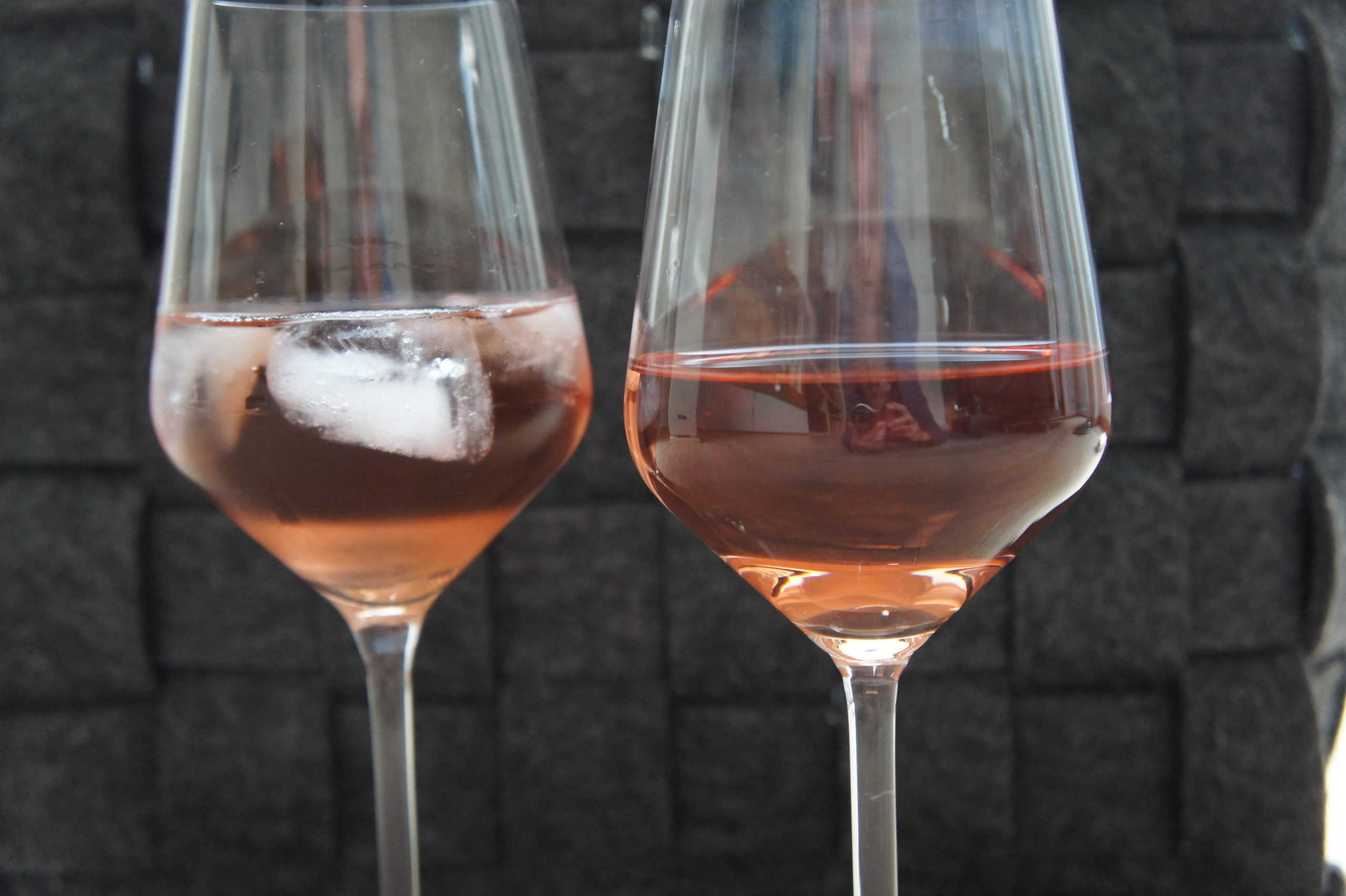
The colour can also change. That bright, inviting pink might deepen to a more orange or even brownish hue. It's not a sign of spoilage, but it's definitely an indication that the wine has evolved beyond its intended peak. Think of it as the wine blushing with embarrassment at being left out for so long!
So, while it’s unlikely to make you sick, an older rosé will probably taste tired. And who wants a tired glass of wine, right? We're looking for refreshment and joy, not a glass of… meh.

The Exception to the Rule (Because Life is Rarely Simple)
Now, before you start clearing out your entire cellar of every pink bottle you own, there are some exceptions. These are usually the more serious, often more expensive rosés, that are made with the intention of aging. These are not your average, run-of-the-mill, under-$20 bottles.
These are often made from specific grape varietals, or from regions known for producing age-worthy wines. Think of some of the more structured rosés from Bandol in France, certain high-end Tavel, or even some carefully crafted rosés from cooler climates that have a bit more backbone.
These types of rosés are often made with less intervention and more focus on concentration and complexity. They might have higher acidity, more pronounced tannins (yes, rosé can have tannins!), and a deeper flavour profile that can indeed benefit from a few years in the bottle. They develop more tertiary aromas – think earthy notes, dried flowers, and subtle spice.
But even then, these are the outliers. For the vast majority of rosés you'll encounter – the ones perfect for a barbecue, a poolside siesta, or just a happy hour on your balcony – the best advice is still to drink them relatively young.
So, How Do You Know If Your Rosé Has Passed Its Prime?
This is where your senses come in handy! It’s not about scientific measurements or secret sommelier codes. It’s about paying attention.
The Visual Clue
As I mentioned, the colour is a big giveaway. A vibrant, clear pink is usually a good sign. If it's looking dull, faded, or has developed an orangey or brownish tinge, it's likely past its best. It’s like looking at a photograph that’s been left in the sun for too long – the colours just aren’t as vivid anymore.
The Olfactory Test (Smelling is Key!)
Before you even take a sip, give it a good sniff. Fresh rosé should smell fruity and vibrant. If you're getting aromas that are musty, damp, or like old cardboard, that’s a definite red flag (or should I say, a red flag for rosé?).
Aged rosé might smell a little oxidized, losing its fruitiness and perhaps picking up notes of sherry or nuttiness. Again, not necessarily dangerous, but certainly not what you’re looking for in a refreshing rosé.
The Taste Test (The Ultimate Decider)
This is the moment of truth! Take a small sip. Does it taste fresh and lively? Or does it taste flat, dull, or maybe even a little vinegary?
If the fruit flavours are muted, the acidity is gone, and it just tastes… tired, then it’s probably time to say goodbye. You might even notice a slightly bitter or metallic aftertaste. That’s your cue to pour it down the drain (or use it for cooking, if you’re feeling frugal and it’s not too far gone!).
I remember one time, I had a rosé from a wedding that sat in my fridge for about four years. It was a beautiful pale pink when I got it. When I finally decided to investigate, the colour had turned a rather alarming shade of salmon-orange. The smell was faint, a little like bruised apples, and the taste? Well, let’s just say it was like drinking diluted, slightly sour water. Definitely not a pleasant experience. A wasted opportunity for a lovely glass of wine!
The Case of the Old Rosé: To Drink or Not to Drink?
So, circling back to that bottle in my parents’ basement. Was it safe? Probably. Was it going to be enjoyable? Almost certainly not.

My verdict on that particular bottle? It was destined for the sink. Better to have a good memory of rosé than a bad experience with an old one.
The beauty of rosé lies in its immediate gratification. It's the wine that says, "Let's relax, let's have fun, let's enjoy this moment." It's not about the long game. It’s about the here and now.
So, next time you're at the wine shop, or you're looking at that bottle you bought last summer, keep these points in mind. Don't be afraid to ask the wine merchant about a rosé's drinking window. They’re usually happy to help!
And if in doubt, err on the side of caution. Life is too short for mediocre rosé. Go for the vibrant, the fresh, the zesty. Your taste buds will thank you!
Think of it this way: you wouldn’t save your best, most colourful fireworks for New Year's Eve the following year, would you? You light them when they're at their most brilliant. Rosé is the same. It's meant to be enjoyed in its prime, under the sun, with good company.
So, embrace the spontaneity! Pop that bottle open and savour the delightful pink elixir. And if you find an older bottle, well, maybe it’s just a sign that it’s time to go shopping for a new one. A little retail therapy never hurt anyone, right?