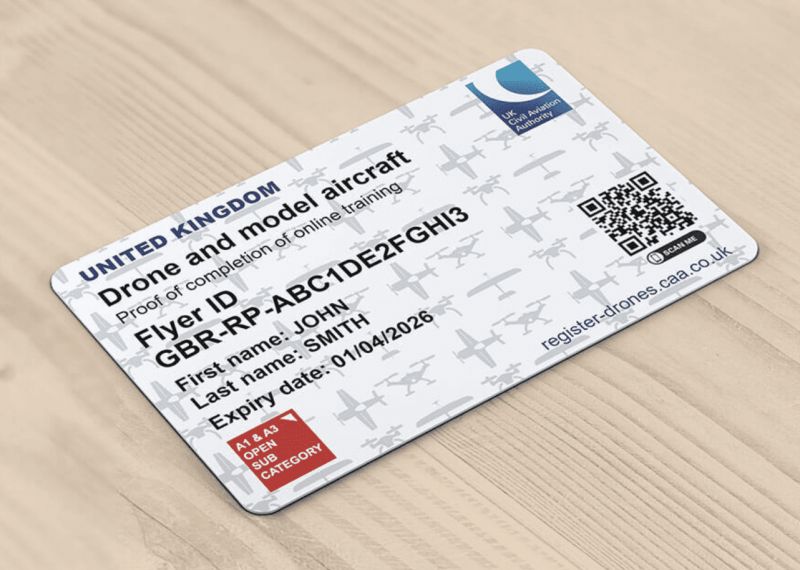
Do You Need A Drone License Uk

Hey there, fellow adventurers and backyard explorers! Ever found yourself gazing up at the sky, a little buzzing contraption dancing amongst the clouds, and thought, "Man, I wish I could do that"? We've all been there. Drones have gone from military marvels to our new favourite aerial toys, capturing everything from epic landscape shots to your cat's latest sunbathing conquest. But before you go all "Top Gun" with your new DJI Mini 3, there's a little matter to discuss: do you actually need a drone license in the UK? Let's break it down, nice and easy, with a cuppa and a biscuit, shall we?
Think of it like this: you wouldn't hop into a car and zoom off without a driving license, right? While a drone might feel like a fancy remote-controlled helicopter, the skies are a bit more regulated than your local park. And honestly, it’s for the best! We want to keep everyone safe, from those picnicking below to the birds who call the sky their office.
So, the big question: Do you need a drone license in the UK? The answer, as with most things in life, is a resounding "it depends." But don't let that cloud your enthusiasm! It mostly hinges on two main factors: the weight of your drone and what you're doing with it.
Must Read
The Weighty Matters: Understanding Drone Categories
The Civil Aviation Authority (CAA), our trusty guardians of the skies, have neatly categorised drones into different weight classes, and this is where things get interesting. It’s all about understanding the Open Category, which is where most of us hobbyists will find ourselves.
Within the Open Category, there are three subcategories: A1, A2, and A3. Each has its own set of rules, and crucially, its own requirements for your operator registration and potentially, your drone pilot competency.
Let's talk weight. This is your drone's Maximum Take-Off Mass (MTOM), which includes the drone itself plus any batteries or accessories. This is the number that will steer you towards the right subcategory.
The Featherweights: Subcategory A1
If your drone weighs less than 250 grams, you’re in the sweet spot of Subcategory A1. This is the most relaxed category, and it’s home to many popular mini-drones, like the beloved DJI Mini series. Think of these as the drones you can practically take anywhere, with minimal fuss. It's like having a really cool drone that’s also a bit of a free spirit.
For these super lightweight drones, you generally don't need a specific drone pilot license to fly them. However, and this is a big 'however', you do need to register as a drone operator with the CAA if your drone has a camera (and let's be honest, most of them do!). This is a simple online process, and you’ll get a unique drone operator ID that needs to be displayed on your drone. It’s like giving your drone its own little name tag.
You also need to make sure you’re flying responsibly. This means keeping your drone within your visual line of sight (VLOS), not flying over crowds, and respecting people's privacy. It's the golden rule of drone flying: be a good neighbour in the sky!
A fun fact: did you know that the concept of 'visual line of sight' is super important because if something goes wrong, you need to be able to see your drone and react? It’s like keeping an eye on your kids at the park – you wouldn’t let them disappear around a corner!
The Middleweights: Subcategory A2
Now, let's step up a notch. If your drone is between 250 grams and 500 grams (or up to 2kg if it has a CE class marking, but let’s keep it simple for now!), you'll likely fall into Subcategory A2. This category has a bit more responsibility attached, and here’s where you start thinking about a drone pilot competency certificate.
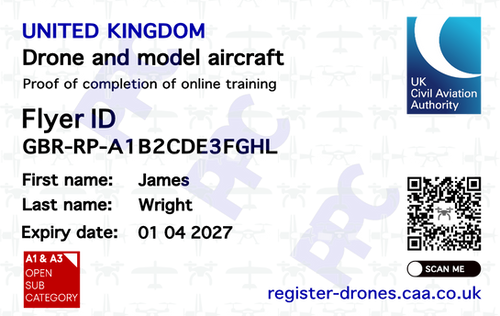
For drones in this weight range, you’ll need to pass an online theory test provided by the CAA. This isn't a brain-busting exam, but it covers essential knowledge like aviation rules, weather, and safety procedures. Think of it as a quick refresher course before you get to play with the bigger toys.
Once you've passed that, you'll need to complete a bit of practical self-supervised training. This involves practicing your drone handling skills in a safe environment. The CAA provides guidance on what this training should cover. It’s all about building your confidence and ensuring you can handle your drone safely, especially when you might be flying a little closer to people or buildings.

You still need to register as a drone operator, of course. And the core rules about VLOS and respecting privacy still apply, but with A2, there's a bit more emphasis on maintaining a safe distance from uninvolved people. It’s like going from walking your dog on a lead to having them a little further away in a park – you still keep them under control!
The Heavyweights (of the Open Category): Subcategory A3
If your drone is heavier than 500 grams and up to 25kg (yes, some drones are that big!), you’ll typically be in Subcategory A3. This category is all about flying in open areas, far away from people. Think big, open fields, not your bustling city centre.
For drones in this category, you’ll also need to pass the online theory test that we mentioned for A2. And just like A2, you'll need to do some practical self-supervised training. The good news is that the rules for A3 are generally less restrictive when it comes to flying near people, because, well, you're not supposed to be near people!
The key takeaway here is that the heavier your drone, the more likely you are to need a formal competency certificate. It's a common-sense approach: bigger tools often mean bigger responsibilities.
Beyond the Basics: When Things Get Serious
What if your drone weighs more than 25kg? Or what if you’re planning to fly in ways that aren’t covered by the Open Category? In these scenarios, you’re moving into what’s called the Specific Category or the Certified Category. This is where things get significantly more involved, and you'll definitely need more than just a basic online test. This is for professional, high-risk operations, think movie productions or aerial surveys of sensitive infrastructure.
This is where you might need a Specific Operations Risk Assessment (SORA) and potentially a drone pilot license issued by the CAA. It's a much more rigorous process, involving in-depth training, exams, and approvals from the aviation authorities. It’s akin to getting a pilot’s license for a small aircraft – serious business!
What About Those Fancy CE Mark Drones?
You might have seen drones advertised with a "CE class marking" (like C0, C1, C2, C3, C4). These markings are European standards that ensure drones meet certain safety and performance criteria. Drones with these markings often allow for slightly more flexible flying within the Open Category, sometimes meaning you can fly them in A1 or A2 even if they are slightly heavier than the standard limits for those categories.
For example, a C1 drone (under 900g) can be flown in A1, meaning you can fly it closer to people than a non-C1 drone of the same weight. This is because they are deemed to have additional safety features.
It’s worth checking the class marking on your drone if it has one, as it can impact the rules you need to follow. Think of it as a built-in safety feature that gives you a bit more wiggle room.
The Cultural Impact: Drones and Our Digital Lives
Drones have truly woven themselves into the fabric of our modern lives. From capturing breathtaking travel vlogs that inspire our next holiday (hello, Instagram travel influencers!) to providing vital services like search and rescue, their impact is undeniable. Remember those incredible shots from David Attenborough’s nature documentaries? Many of those were made possible by drones!
This rise in drone usage has also led to a surge in online communities and forums dedicated to drone enthusiasts. It's a fantastic place to learn, share tips, and get advice on everything from drone maintenance to the latest regulations. It’s like having your own personal drone mentor at your fingertips!
But with this increased access comes responsibility. The cultural shift towards accessible aerial photography means we're all becoming a bit more aware of what's being filmed and where. Respecting privacy is no longer just about not peeking through someone's window; it's also about not hovering your drone over their garden for an extended period.
Practical Tips for the Aspiring Drone Pilot
So, you're itching to take to the skies, but you want to do it right? Here are some practical, easy-going tips:
- Know Your Drone's Weight: This is the first and most crucial step. Check the box, manual, or the drone itself for its MTOM.
- Visit the CAA Website: Seriously, their website is your best friend. It’s packed with clear, up-to-date information and links to the online tests and registration. Don't rely on hearsay; get the facts straight from the source.
- Register as an Operator: If your drone has a camera or weighs 250g or more, you MUST register. It's a simple online process.
- Consider the Online Test: Even if your drone is under 250g, taking the online theory test for A1/A3 is a great way to ensure you're flying safely and legally. It’s free and takes about an hour.
- Practice Makes Perfect: If you're in A2 or A3, get that practical training in! Find a safe, open space and get comfortable with your drone's controls.
- Fly Responsibly: Always keep your drone in sight, avoid flying over crowds or busy roads, and be mindful of privacy. Check for local restrictions and no-fly zones (like near airports).
- Insurance (Optional but Recommended): While not always legally required for basic hobby flying, having drone insurance can offer peace of mind, especially if you're flying a more expensive drone or in areas where accidents could have greater consequences.
It’s a bit like learning to bake a complex cake. You start with simple recipes, get the hang of the basics, and then gradually move onto more intricate creations. The key is to enjoy the process and build your skills step-by-step.
A Final Thought from the Clouds
Ultimately, the question of "do you need a drone license?" boils down to being a responsible and informed participant in our shared airspace. It’s not about restriction; it’s about respect – respect for the law, respect for other people, and respect for the environment.
In our daily lives, we’re constantly navigating unspoken rules and social contracts, from waiting your turn in a queue to holding a door open for someone. Flying a drone is just an extension of that. It’s about understanding your place in the wider world and acting accordingly. So, grab your drone, brush up on the rules, and go explore those amazing aerial perspectives. Just remember to fly smart, fly safe, and fly happy!