Do I Need Salt In My Dishwasher

Hey there, dishwashing warrior! Let’s have a little chat about something that might be lurking in your dishwasher’s secrets department: salt. Yes, you heard me right. Not the kind you sprinkle on your fries (though who doesn't love a good fry?), but special dishwasher salt. Now, I know what you're thinking, "Salt? In my dishwasher? Is this some kind of culinary prank?" But trust me, it’s less of a prank and more of a genius little helper.
So, the big question on everyone's lips (or at least, on yours right now) is: Do I need salt in my dishwasher? The answer, my friend, is a resounding… it depends! And before you throw your hands up in despair, thinking this is going to be a complicated, technical dive into water hardness and ion exchange, let me assure you, we’re going to keep this as breezy as a Sunday morning. Think of me as your friendly neighborhood dishwasher whisperer, here to demystify the granular mysteries.
Let's start with the basics, shall we? What exactly is this dishwasher salt, and why would we even consider putting it in our trusty cleaning machines? Well, it’s not about making your plates taste salty (phew!), but about tackling something much more insidious: hard water. You know, that stuff that leaves chalky white residue on your faucets and makes your hair feel a bit like straw after a shower? Yep, that's the one. Hard water has a high concentration of minerals, primarily calcium and magnesium. And while these minerals are great for your bones, they’re not so great for your dishwasher’s delicate internal workings, or your dishes, for that matter.
Must Read
Think of your dishwasher like a miniature spa for your cutlery and crockery. It uses water to rinse, detergent to scrub, and heat to dry. But if the water coming into your spa is full of mineral gunk, it’s like trying to give yourself a luxurious bubble bath with gritty sand. The minerals in hard water can build up on the heating elements, reducing their efficiency (meaning longer drying times and higher energy bills – boo!). They can also leave a dull, hazy film on your glasses and make your silverware look less shiny and more… well, sad.
This is where our superhero, dishwasher salt, swoops in to save the day! Most modern dishwashers, especially those with a built-in water softening system (and yes, this is key!), have a little compartment specifically designed for this special salt. This compartment is connected to a resin bed inside your dishwasher. When hard water flows through this resin bed, the resin traps the calcium and magnesium ions. But eventually, the resin gets saturated, like a sponge that’s had too much coffee.
And this is where the salt comes in, stage left, with a dramatic flourish! The salt dissolves in a small amount of water in the salt compartment, creating a brine. This brine then periodically flushes through the resin bed, regenerating it. It essentially swaps the calcium and magnesium ions back out of the resin and replaces them with sodium ions from the salt. It's like a little mineral swap meet happening inside your dishwasher, keeping the resin fresh and ready to tackle more hard water. Pretty neat, right? It's basically a spa treatment for your dishwasher's water softener.
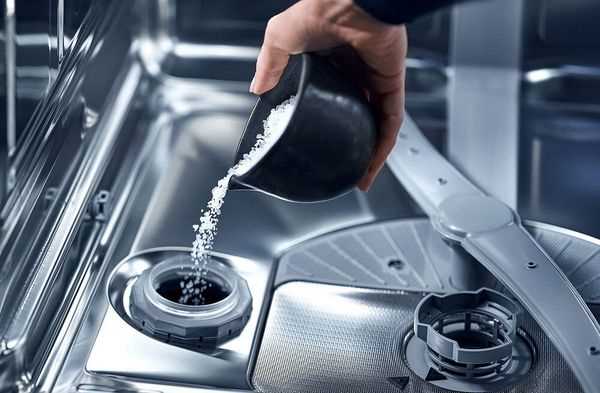
So, how do you know if your dishwasher has this magical built-in water softening system? The easiest way to tell is to look for a little salt compartment. It’s usually located at the bottom of the dishwasher, often near the filter, and it looks like a twist-off cap, similar to the detergent dispenser but generally larger. Sometimes, it’s even labeled with a salt symbol. If you can’t find it, or you're still scratching your head, your dishwasher’s manual is your best friend. It will tell you in black and white (or maybe a cheerful shade of beige) whether your machine is salt-ready.
Another big clue is where you live. If you’re in an area known for having hard water, then chances are, you’ll benefit from dishwasher salt. You can often find out about your local water hardness from your water provider or by doing a quick online search. If your water is on the softer side, then the salt might be less of a necessity and more of a… well, a bit of an overkill. Think of it like using a super-powered stain remover on a tiny ink smudge; it works, but it’s probably not the most efficient use of your resources.
So, What Happens If I Don't Use Salt (When I Should)?
Ah, the consequences! It’s not like your dishwasher will stage a full-blown protest and refuse to clean (though I wouldn't put it past some of the more temperamental appliances out there!). But you'll likely notice a few less-than-stellar results over time.
- Dull Dishes: That annoying cloudy film on your glasses? That’s hard water minerals having a party on your tableware. Salt helps prevent this party from crashing your clean dish experience.
- Reduced Cleaning Power: The mineral buildup can actually interfere with how your dishwasher cleans, meaning your dishes might not be getting as sparkling as they could be.
- Scale Buildup: Over time, those minerals can form a hard scale on your dishwasher’s internal parts, especially the heating element. This can lead to decreased efficiency, longer wash cycles, and ultimately, a shorter lifespan for your appliance. Imagine your dishwasher getting a little bit of "limescale arthritis."
- Spotting on Utensils: Your forks and knives might end up with little water spots, making them look less than appetizing.
It's like wearing the wrong kind of shoes for a hike – you'll get there, but it’s going to be a lot less comfortable and a lot more… scuffed up.
And What If I Do Use Salt (When I Don't Need To)?
Now, let’s flip the coin. What if you live in an area with soft water, and you’re still diligently topping up that salt compartment? Well, the good news is, it’s generally not going to break your dishwasher. Modern dishwashers are pretty robust. However, you might be wasting your time and money.
- Unnecessary Expense: Dishwasher salt isn’t free, and if your water is soft, you’re essentially throwing money down the drain. Literally.
- Slightly More Salt in Your Waste Water: While the amount is small, it’s still something going into the environment that your system doesn’t necessarily need to process.
- Potential for Over-Softening (Rare): In extremely rare cases, if your water is already very soft and you use a lot of salt, you might theoretically over-soften the water to the point where it’s less effective at removing grease. But honestly, for most people, this is not something to lose sleep over. Your dishwasher’s built-in system is pretty smart about this.
Think of it as bringing a snow shovel to a beach party. It’s a bit out of place and probably not going to be very useful.
The All-Important Dishwasher Salt vs. Table Salt Showdown!
Okay, this is a crucial point, and it deserves its own little spotlight. Please, for the love of all that is squeaky clean, DO NOT use regular table salt, sea salt, or any other kind of kitchen salt in your dishwasher.
Why? Because regular salt is usually iodized and contains anti-caking agents. These additives can gum up the works of your dishwasher’s salt compartment and water softening system, potentially causing damage. Dishwasher salt is specifically designed to be pure and to dissolve cleanly, without leaving any nasty residues.
It’s like trying to fix a delicate watch with a hammer. Both are tools, but they’re meant for entirely different jobs. So, stick to the salt that says "Dishwasher Salt" on the box. Your appliance will thank you.
How to Use Dishwasher Salt (The Easy Peasy Version)
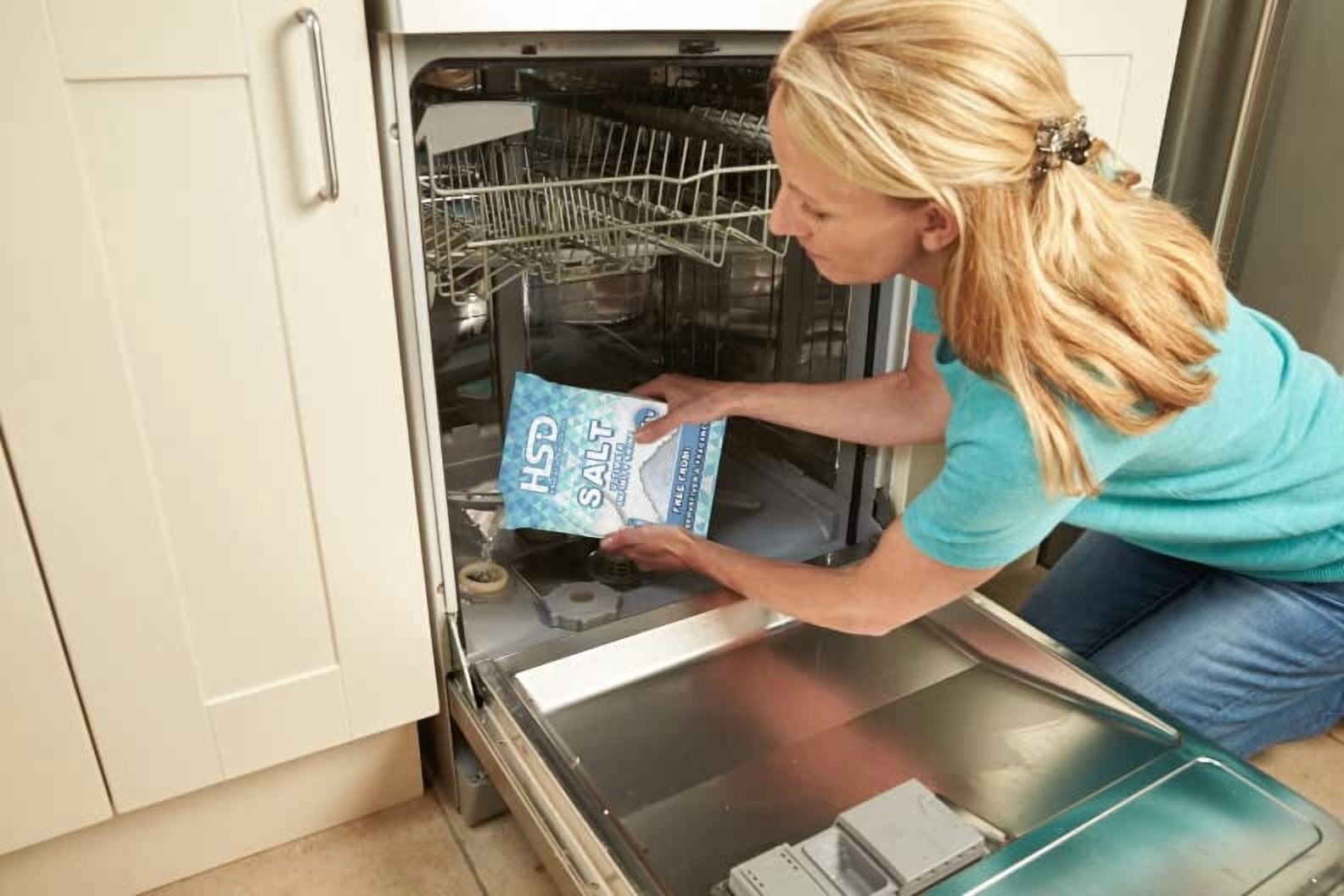
If you’ve determined that you do need dishwasher salt, here’s the super simple rundown on how to use it. It’s so easy, you’ll wonder why you were ever concerned:
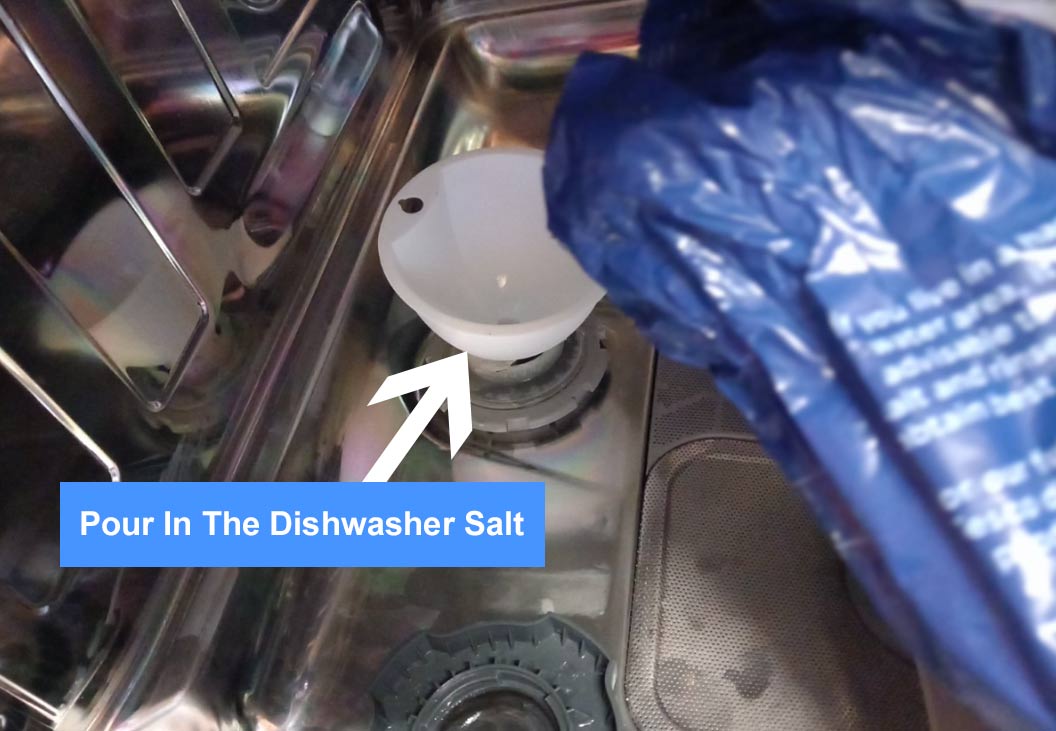
- Locate the Salt Compartment: As we discussed, it’s usually at the bottom of the dishwasher, a twist-off cap.
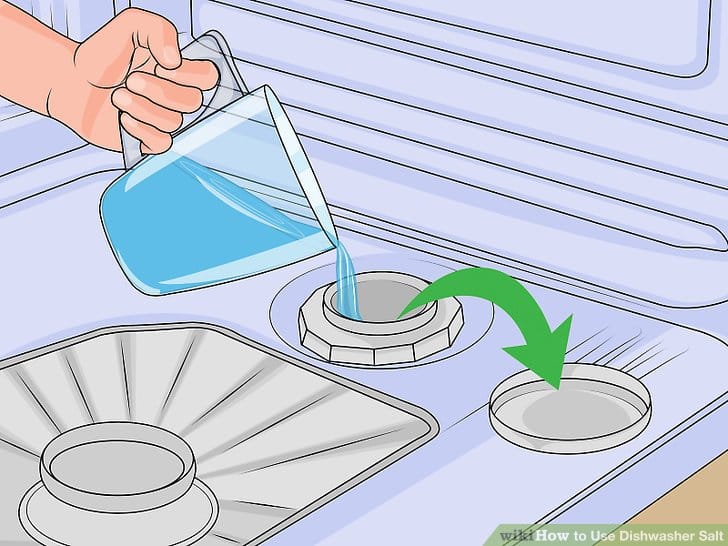
- Open the Compartment: Twist it open. Be prepared for a little trickle of water to come out – that’s normal!
- Fill with Salt: Use a funnel (often provided with the dishwasher or the salt) to pour the dishwasher salt into the compartment. Fill it up until it’s pretty full. Don’t worry if some spills over; it happens.
- Close the Compartment: Screw the cap back on securely. You want it to be watertight!
- Run a Short Rinse Cycle: The first time you add salt, it’s a good idea to run a short rinse cycle or a quick wash program. This helps to rinse away any excess salt and ensure the system is ready to go. Your dishwasher might even have a specific indicator light that tells you when the salt is low, so keep an eye out for that!
And that’s it! You’ve successfully added dishwasher salt. High five!

The Verdict: To Salt or Not to Salt?
So, bringing it all back home, the decision of whether or not to use dishwasher salt boils down to two main factors:
- Does your dishwasher have a built-in water softening system and a salt compartment? (Check your manual or look for the compartment!)
- What is the hardness of your local water supply? (If it's hard, salt is likely your friend!)
If the answer to both is a "yes" and "hard," then absolutely, use the dishwasher salt. It’s an inexpensive way to protect your appliance, improve cleaning performance, and keep your dishes looking their best. Think of it as investing in the longevity and happiness of your dishwasher – and by extension, your own happiness when you pull out sparkling clean dishes every time!
If your water is soft, or your dishwasher doesn’t have a water softening system, then you can probably skip the salt. No harm done, and you save a little cash. It’s all about finding that perfect balance for your specific situation.
Ultimately, using dishwasher salt when it’s needed is a simple act of care for your appliance, ensuring it continues to serve you well for years to come. It’s not a chore; it’s a little act of love for your trusty kitchen sidekick. So, next time you’re unloading that clean load, remember the unsung hero that might be working behind the scenes, making sure every glass gleams and every fork shines. And as you admire your perfectly clean dishes, remember that sometimes, even the smallest additions can make the biggest difference. Now go forth and conquer those dishes, armed with the knowledge of the magical power of dishwasher salt! Your sparkling future awaits!