Do I Have To Be Vat Registered
So, you've gone and done it. You've launched your brilliant idea, that side hustle that's going to make you a gazillionaire (or at least pay for your fancy coffee habit). You're whipping up artisanal dog biscuits, crafting bespoke cat sweaters, or perhaps you're the resident guru of interpretive dance for houseplants. Whatever your passion, you're now a bona fide business owner! Congratulations, you magnificent entrepreneur, you!
But then, like a rogue tax bill appearing in your inbox on a Monday morning, a question pops into your head, usually accompanied by a slight tremor in your left eyelid: "Do I have to be VAT registered?"
Let's be honest, "VAT registered" sounds a bit like a secret handshake for accountants, or something you only worry about when your business has more zeros in its bank account than you have fingers and toes. For many of us, it’s as mysterious as why socks disappear in the wash. But fear not, my brave fledgling business owner! Grab your cuppa, settle in, and let's unravel this enigma together.
Must Read
The Magical Money Threshold
Here's the skinny, the nitty-gritty, the… well, the actual skinny. In the UK, you generally have to register for Value Added Tax (VAT) when your taxable turnover reaches a certain amount. Think of taxable turnover as all the money you make from selling things that aren't exempt from VAT.
And what's this magical number, you ask? As of April 2024, it's a whopping £90,000. Yes, you read that right. Ninety. Thousand. Pounds. That's a lot of bespoke cat sweaters. It’s enough artisanal dog biscuits to feed a small nation. It’s a veritable mountain of interpretive dance services for the botanically inclined.
So, if your annual takings (your turnover, remember) are below this threshold, then, my friend, you are generally not legally obliged to register for VAT. You can breathe a sigh of relief. You can go back to perfecting your lavender-infused dog treats without the looming dread of government paperwork.
What if I'm Almost There? The Nervous Nineties
Now, what if you’re hovering around that £90,000 mark? Like a tightrope walker eyeing the ground, you might be feeling a little… twitchy. The rules say you must register if your taxable turnover has exceeded £90,000 in the previous 12 months. But, and this is a big BUT, you also have to register if you expect it to go over £90,000 in the next 30 days alone.
Imagine this: You've just landed a massive contract to supply party hats for every single pigeon in Hyde Park (a surprisingly lucrative market, apparently). If this deal is going to push your turnover over £90,000 within the next month, you need to get yourself registered. It's like having a spoiler alert for your financial future.
This "next 30 days" rule is crucial. It’s HMRC’s way of saying, “We’re watching, so don’t get too comfortable if you’re about to explode!”
Voluntary Registration: The Secret Power-Up?
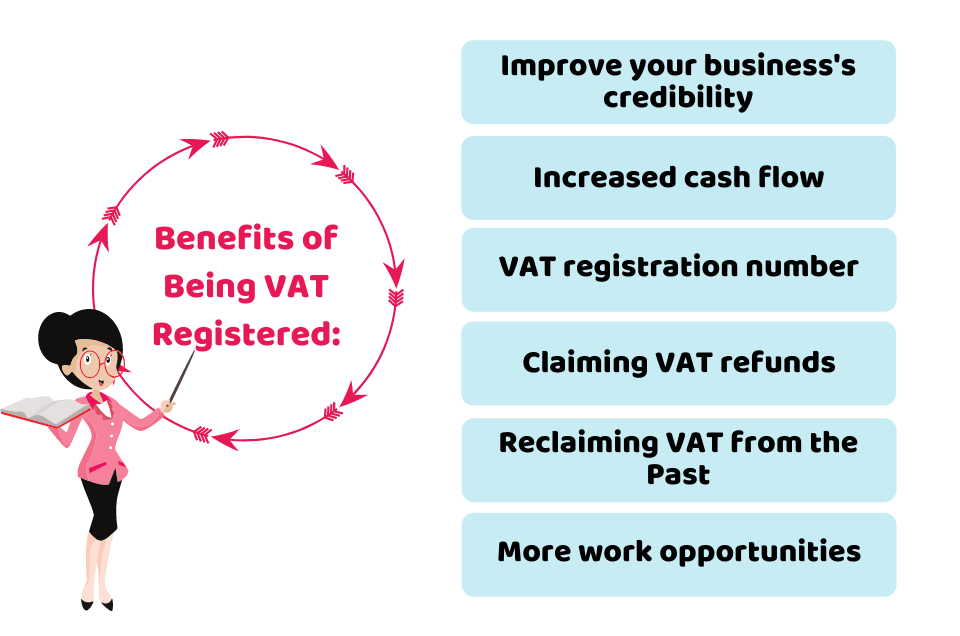
But wait, there’s more! Even if you’re happily below the £90,000 threshold, you can actually choose to register for VAT. Yes, you can voluntarily dive headfirst into the VAT pool. Why on earth would you do that, you ask? Well, it can be a clever strategic move, like giving yourself a business superpower.
If you’re selling primarily to other VAT-registered businesses, they can claim back the VAT you charge them. So, you’re not actually costing them more money. The real perk for you? You can reclaim the VAT you’ve paid on your own business expenses. Think of it as getting a discount on everything you buy for your business. It’s like finding a secret stash of coins in your business’s piggy bank.
This is particularly useful if you have a lot of business expenses. Buying materials for your artisanal creations? Paying for that shiny new knitting machine? These all have VAT on them, and if you’re VAT registered, you can claim it back. So, your £120 knitting machine with £20 VAT on it effectively costs you £100 in reclaimed VAT. Cha-ching!
The Downsides: It’s Not All Sunshine and Reclaimed VAT
However, every superpower comes with a kryptonite. Registering for VAT means you have to:
- Charge VAT on your taxable sales. This means your prices will likely go up if your customers aren’t VAT registered businesses. Suddenly, your £5 handmade brooch might become £6, and your customers might notice.
- Submit VAT returns regularly (usually quarterly). This means more paperwork, more forms, and potentially more time spent wrestling with HMRC’s online portal. It can feel like trying to herd cats whilst wearing mittens.
- Keep detailed VAT records. You need to be organised. Very organised. Like, "labeling your spice rack by alphabetical order and colour" organised.
So, while voluntary registration can be a smart move for some, it’s not a one-size-fits-all solution. It depends on who you sell to and how much VAT you incur on your own purchases.
The Exceptions to the Rule (Because Life Loves a Curveball)
Now, just when you thought you had it all figured out, life throws you a curveball. There are certain goods and services that are exempt from VAT. This means if you only sell exempt items, you don't count them towards your taxable turnover for the £90,000 threshold. It’s like a special exemption pass from the VAT gods.
Examples include things like certain types of insurance, some educational courses, and basic financial services. So, if your business is purely about offering spiritual guidance to houseplants (and no, that’s not a real thing… yet), you might not have to worry about VAT at all, even if you’re raking in the cash.
There are also things that are zero-rated. This is a bit different. You still have to register if you hit the threshold, but you charge 0% VAT on these goods or services. Think of things like most food (except fancy cakes and crisps, because apparently, those are luxuries), children's clothing, and books. You can still reclaim VAT on your expenses even if you're charging zero VAT on your sales. It's a win-win situation for you!

So, Do You Have To? The Grand Finale
In summary, my fellow adventurer in the world of commerce, the answer to "Do I have to be VAT registered?" is a resounding "Probably not, unless..."
The magic number is £90,000 taxable turnover in a 12-month period, or if you expect to breach it in the next 30 days. Below that? You're generally in the clear. But always, always keep an eye on your turnover. It’s your business’s pulse. If you're consistently hitting around £70-80k, it's time to start thinking about the next few months.
And remember the voluntary option! It's not a trap, it's a potential strategy. Weigh up the pros and cons carefully. If you're unsure, don't be afraid to chat to a professional. They're the wizards of VAT, the sorcerers of spreadsheets, and they can help you navigate this labyrinth without losing your sanity (or your artisanal dog biscuit recipe).
For now, go forth and conquer your business dreams. And if you do hit that £90,000 mark, just think of all the people you're supporting with your tax contributions! You're practically a national hero. A very well-documented, slightly paperwork-burdened national hero.