
Do Cat Fleas Go In Human Hair

Ever found yourself with an inexplicable itch that just wouldn't quit? You know, the kind that makes you want to scratch your scalp like you're trying to unearth buried treasure? Well, if you're a cat owner, or just someone who’s spent a bit too much time cuddling with a furry friend, you might have wondered: do cat fleas actually go in human hair? It’s a question that pops into your head, usually at the most inconvenient times, like during a quiet Netflix binge or an important work meeting. And honestly, the thought of tiny, unwelcome guests setting up shop in your meticulously styled locks can be a little unsettling, right?
Let’s be real, the idea sounds a bit like a horror movie B-plot. Fleas are known for their incredible jumping abilities. They're like tiny, furry Olympic athletes, capable of leaping hundreds of times their own body length. So, if they can launch themselves from your cat to the sofa, could they make that epic journey to your head? It’s a valid curiosity, and one we’re going to dive into with a relaxed, investigative spirit. No need for alarm bells, just a bit of friendly exploration into the fascinating (and sometimes slightly gross) world of ectoparasites.
The Cat Flea: A Tiny Traveler
So, first things first, what exactly are we dealing with when we talk about cat fleas? These are the most common type of flea found on cats, but they’re not exactly picky eaters. While they prefer cats, they’re known to bite other mammals, including us humans. Think of them as opportunists, always on the lookout for their next meal. They're small, brown, and incredibly good at blending into fur. Their entire life cycle revolves around finding a host, feeding on blood, and reproducing. It's a pretty intense existence for such a tiny creature!
Must Read
Their anatomy is fascinating, though. They have strong legs designed for jumping and a flattened body that makes it easy for them to move through fur. This design is perfect for navigating the dense coat of a cat. It’s like they’re built for a jungle gym, not a human scalp. And that’s where our main question comes in. Is your hair, with its generally smoother and less dense texture compared to a cat’s fur, a welcoming habitat for these little critters?
So, Will They Set Up Camp in Your Hair?
The short answer, and you can breathe a sigh of relief now, is usually, no, they won't set up permanent residence in your human hair. It’s not their ideal living situation, and here’s why.
Think about it this way: your hair, while it might feel dense to you, is nowhere near as hospitable as your cat's fur. Cat fur is thicker, provides more hiding places, and, most importantly, is a more consistent source of warmth and readily available meals. Fleas are basically looking for a five-star resort with room service, and human hair just doesn’t measure up to the luxury accommodations of a feline friend.
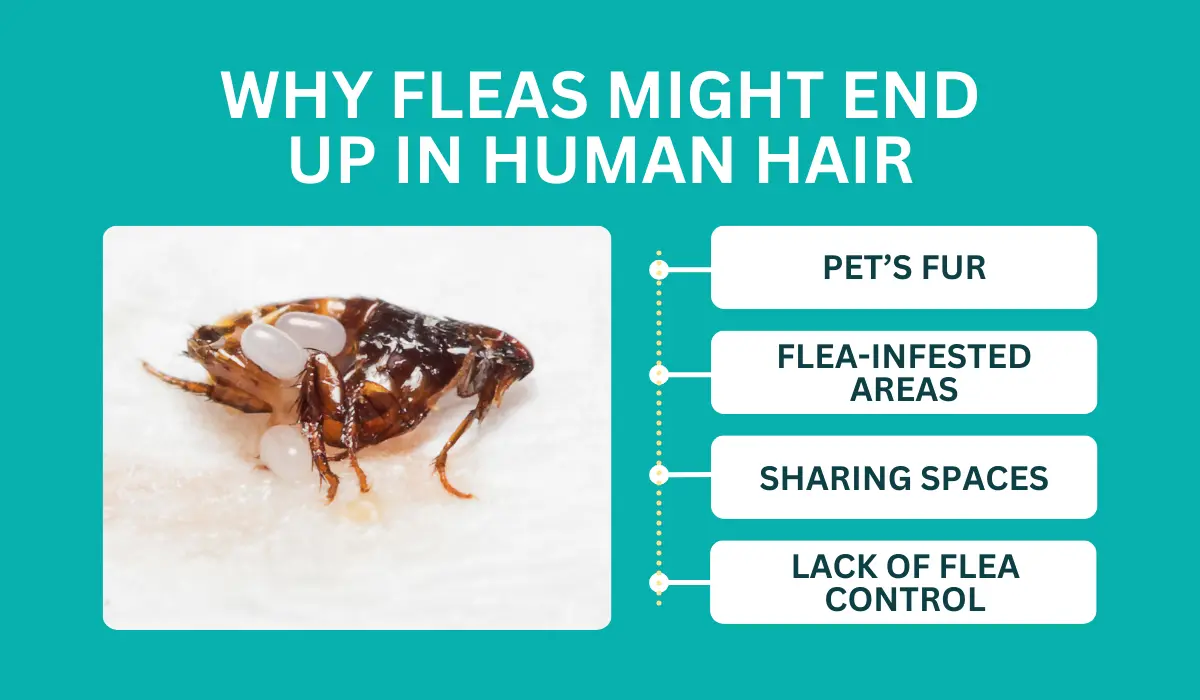
While a cat flea can certainly jump onto a human, especially if they’re in close proximity and the flea is feeling particularly adventurous (or desperate!), they’re unlikely to stick around for long. They’re more likely to take a quick bite for a snack and then try to make their way back to a more suitable host. It's like a tourist visiting a city for a quick meal before heading back home.
The environment of human hair is just too… different. It’s often washed more frequently, it doesn’t offer the same level of warmth, and it's generally not as densely packed as a cat's coat. Imagine trying to live in a sleek, modern apartment when you're used to a cozy, fur-lined burrow. It’s just not the same vibe.
The Bitey Truth: Why You Might Still Itch
So, if they’re not moving in, why the itchy scalp? Ah, this is where the distinction becomes important. While they don’t typically live in your hair, they can definitely bite you.

When a cat flea lands on you, especially if your cat is nearby and has a flea problem, it might see you as a convenient temporary food source. They’ll jump on, have a quick blood meal (which can cause that itchy sensation we’re all familiar with), and then likely hop off. These bites are usually on exposed skin, like your legs, ankles, or arms, but if you’ve been cuddling your cat closely, they could end up on your scalp. The itch is actually an allergic reaction to the flea’s saliva. So, even a brief encounter can leave you feeling like you’ve got a tiny, invisible ninja doing a tap dance on your skin.
Think of it like a fly landing on your arm. It’s annoying, you might swat it away, but it's not going to build a nest in your elbow. Cat fleas on humans are similar – an unwanted, albeit brief, visitor.
When Fleas Get a Little Too Comfortable
Now, there are always exceptions to the rule, right? In very rare and extreme cases, if a human is the only available host for a significant period, a flea might try to survive in human hair. However, this is incredibly uncommon. We’re talking about situations where a person has had prolonged, intense, and unmanaged contact with a heavily infested environment, and even then, it’s a struggle for the flea.

These situations are more likely to occur with other types of fleas, like human fleas (though they are much rarer these days). Cat fleas are pretty dedicated to their feline friends. They are specialized for that environment. Trying to thrive on human hair would be like a professional surfer trying to compete in a marathon. They’re built for a different sport!
The key takeaway here is that if you’re experiencing a flea problem, the primary focus should always be on treating your pets and your home. That’s where the flea population lives and breeds. Your hair is, thankfully, a temporary detour for these tiny hitchhikers.
Keeping Those Little Jumpers at Bay
So, what’s the best way to avoid that itchy feeling and keep your scalp a flea-free zone? It all comes down to good pet care and household hygiene. Regular flea treatments for your cats are essential. This is like putting up a "No Vacancy" sign for fleas!

Don’t forget to treat your home too! Fleas don't just live on your pets; they lay eggs that can hatch in carpets, furniture, and bedding. Regular vacuuming, washing pet bedding in hot water, and using pet-safe flea sprays can make a huge difference. It’s like giving your entire house a deep clean and then some!
And if you do suspect you've been bitten, try not to scratch too much (easier said than done, we know!). Over-the-counter anti-itch creams can help soothe the irritation. If the itching is severe or persistent, it's always a good idea to consult a doctor. They can help rule out any other causes and provide appropriate treatment.
Ultimately, while the thought of cat fleas in your hair might be a bit of a creepy-crawly thought experiment, for most of us, it’s not a reality. They’re opportunistic little jumpers, not permanent residents of our lovely locks. So, you can enjoy your cuddles with your feline friends, secure in the knowledge that your hair is a tough place for a flea to call home. It’s just another quirky aspect of the animal kingdom that makes life interesting, isn’t it?

