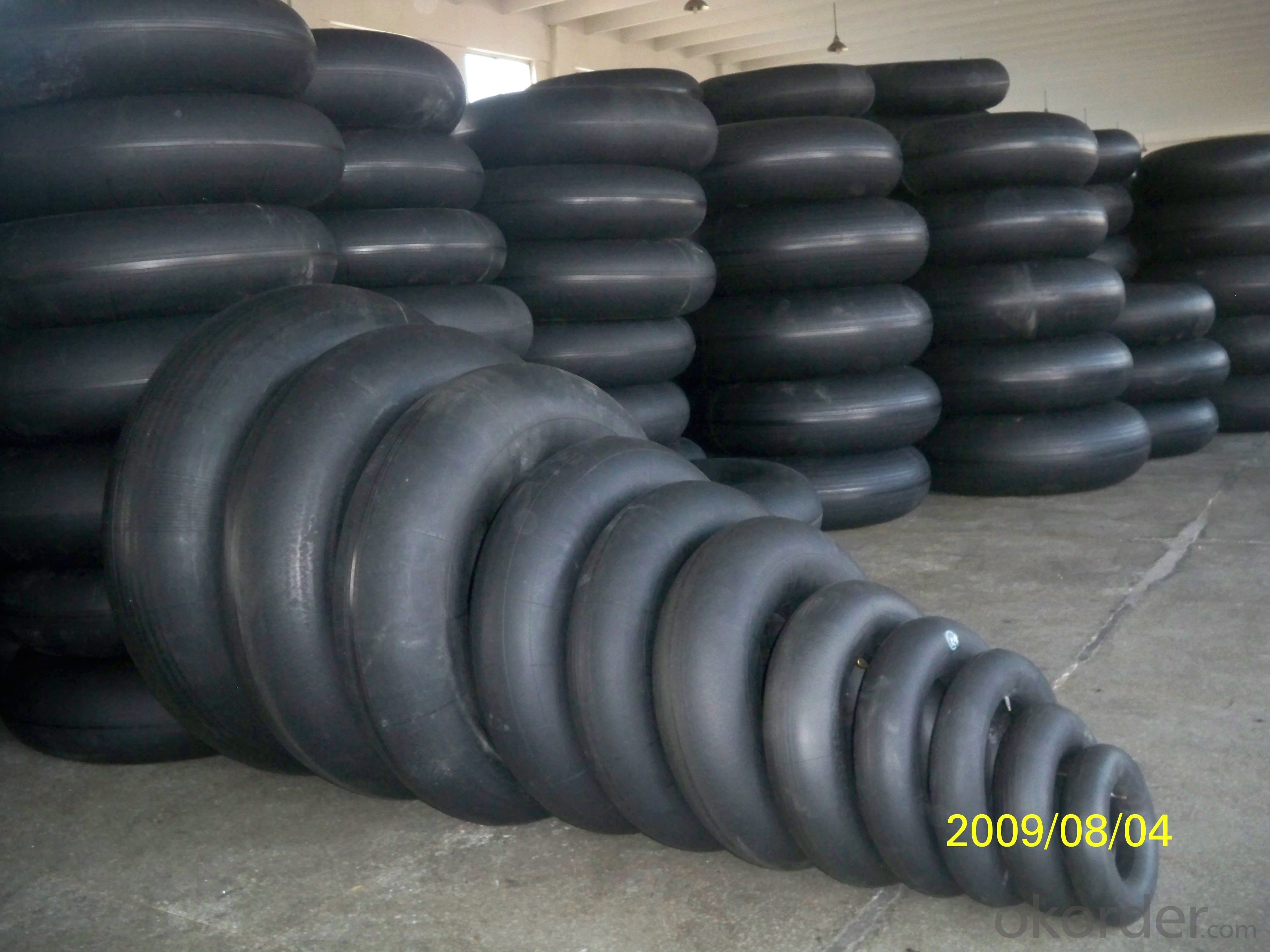
Do Car Tyres Have An Inner Tube

Hey there, road warriors and casual cruisers! Ever find yourself staring at your car’s wheels, maybe after a particularly satisfying drive or perhaps when you’re about to tackle a long journey, and a little thought bubbles up? You know, that quiet “Hmmm, do these rubber wonders have an inner tube inside them like my trusty old bicycle?” It’s a fair question, one that’s probably crossed many a mind during a moment of quiet contemplation, perhaps while waiting for that latte to brew or during a particularly epic Netflix binge. Today, we’re diving deep (but not too deep, don’t worry, we’re keeping it breezy!) into the fascinating world of car tyres and their potential inner secrets.
Let’s be honest, the mechanics of our trusty steeds can sometimes feel like a bit of a black box. We rely on them to get us from point A to point B, from the morning commute to that spontaneous weekend getaway, without much thought about the intricate engineering that makes it all happen. But understanding a little more can be surprisingly satisfying, like finally figuring out how that magic trick works. So, grab a cuppa, get comfy, and let’s unravel this tyre mystery together.
The Short, Sweet, and Slightly Shocking Answer
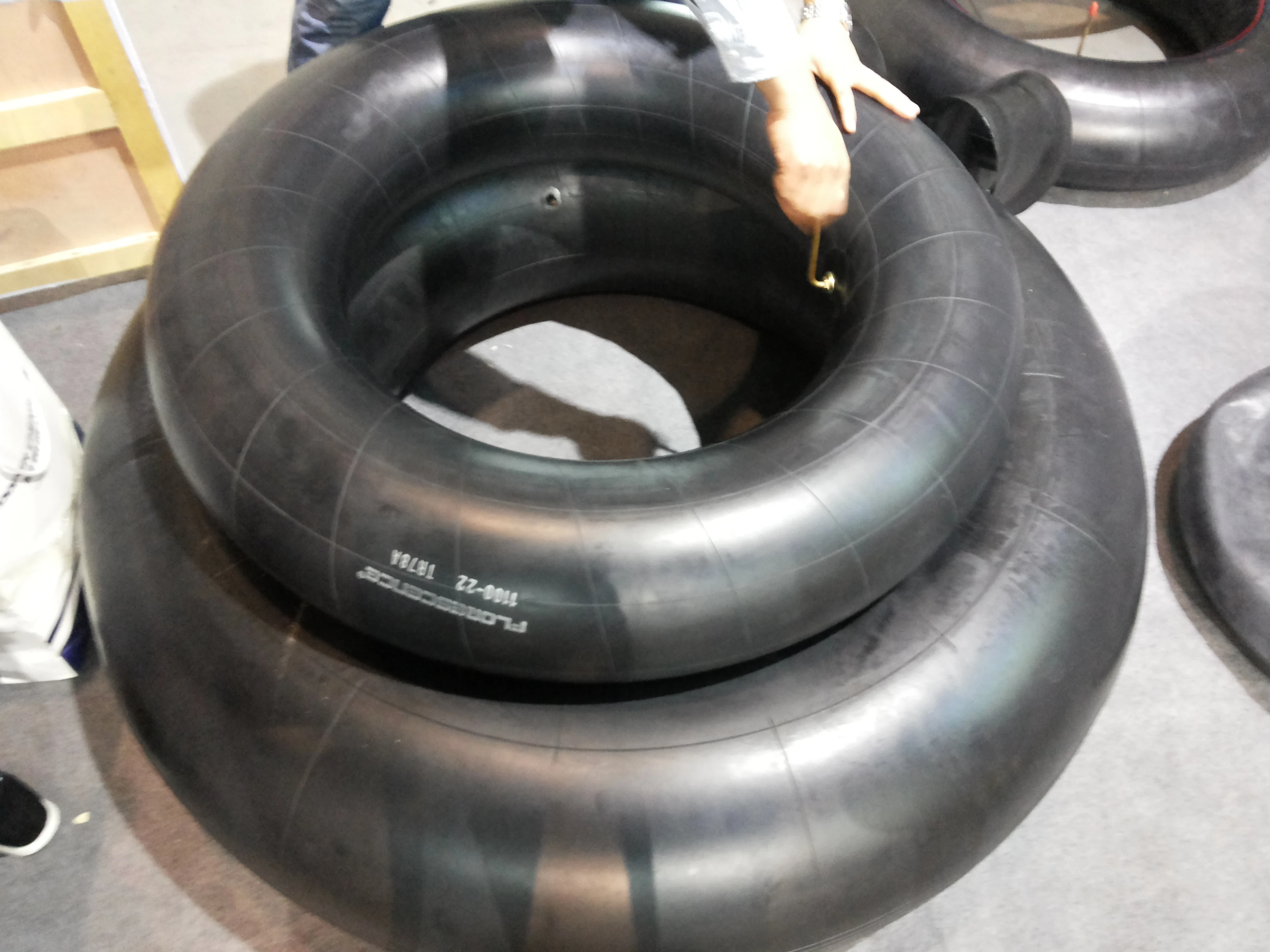
Alright, drumroll please… For the vast majority of modern cars, the answer is a resounding nope. Your car tyres, those sleek, black, grippy things hugging your rims, do not have inner tubes. Shocking, right? Especially if you’ve ever wrestled with a bicycle tube, fumbling with that fiddly valve and praying you don’t pinch it.
Must Read
This is a significant departure from the early days of motoring. Think Model T Fords and vintage roadsters. Back then, inner tubes were the standard. They were essential for keeping air contained within the tyre. So, what changed? Well, a whole lot of clever engineering and a desire for a more reliable, convenient, and safer ride. The evolution from tube-type to tubeless tyres is a fascinating chapter in automotive history.
From Tubes to Tubeless: A Revolution on Wheels
So, if there’s no tube, how does the air stay in? This is where the magic of tubeless tyre technology comes in. It’s actually a rather elegant solution that has become the industry standard. Imagine a tyre that’s designed to create its own airtight seal directly with the wheel rim. Pretty neat, huh?
The key lies in the construction of both the tyre and the rim. Car tyre manufacturers have developed sophisticated rubber compounds and bead designs that, when pressed firmly against the specially designed wheel rim, create an airtight barrier. The bead is the edge of the tyre that sits on the rim, and in tubeless tyres, it’s engineered to be much more robust and to form a tight seal. The rim itself often has a specific profile to assist in this sealing process.
Think of it like a really, really good lid on a Tupperware container, but made of rubber and metal. It’s designed to hug tightly and prevent any precious air from escaping. This design not only eliminates the need for an inner tube but also offers several other significant advantages. It’s a bit like upgrading from a flip phone to a smartphone – suddenly, a whole new world of possibilities opens up!
Why Did We Ditch the Inner Tube? The Perks of Going Tubeless
The shift to tubeless wasn't just a whim; it was driven by tangible benefits that have dramatically improved the driving experience. Let’s break down why going tube-free is such a big deal:
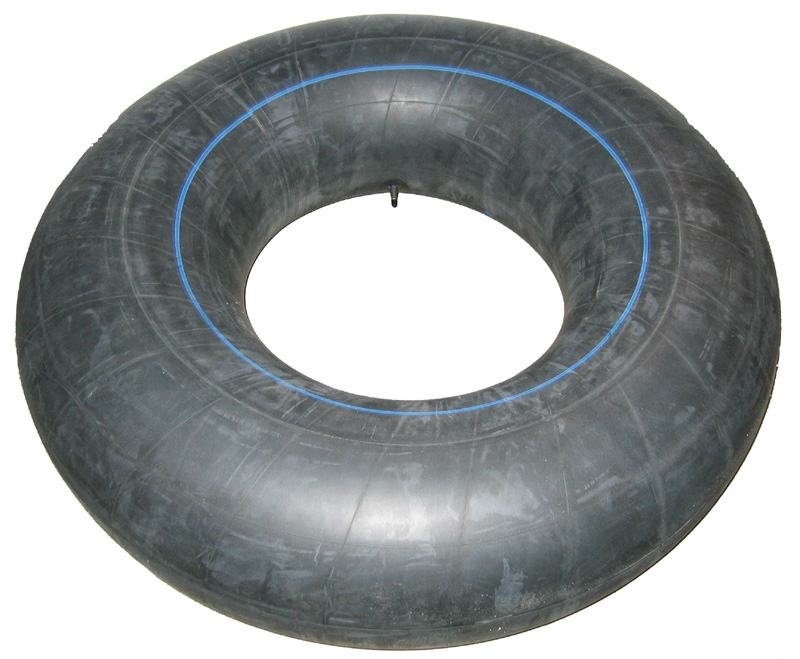
1. Puncture Prevention (and Recovery!)
This is probably the biggest win. With an inner tube, a puncture often means a sudden deflation. The tube can get pinched between the sharp object and the rim, leading to a rapid loss of air. It’s the stuff of roadside nightmares, especially if you’re miles from anywhere and the weather’s not cooperating.
Tubeless tyres, on the other hand, are far more resistant to sudden deflation. If a sharp object punctures a tubeless tyre, the air tends to escape more slowly. Why? Because the inner lining of the tyre itself is designed to be airtight. This gives you more time to react, to pull over safely, and potentially even to drive a short distance to a safer location.
Plus, and this is a really cool little fact, many tubeless tyres are designed to self-seal small punctures. The inner lining contains a special sealant compound. When a small nail or screw pierces the tyre, the rubber and sealant can actually flow into the hole, effectively plugging it up. It’s like your tyre has its own built-in first-aid kit! This is a common feature in performance tyres and even some standard ones. So, that tiny nail you drove over might not even be a problem!
2. Better Air Retention
Inner tubes, even when perfectly intact, are not entirely impermeable to air. Over time, they can slowly “breathe” out air. This means you might find yourself needing to top up your tyre pressure more frequently. Tubeless tyres, with their robust seal, tend to hold their air pressure for much longer periods. This is not only convenient but also crucial for maintaining optimal tyre pressure, which impacts fuel efficiency, handling, and tyre wear.
Think about it: if your tyres are consistently at the right pressure, your car will run more efficiently. That means fewer stops at the petrol station and a happier wallet. It’s the little things, right?
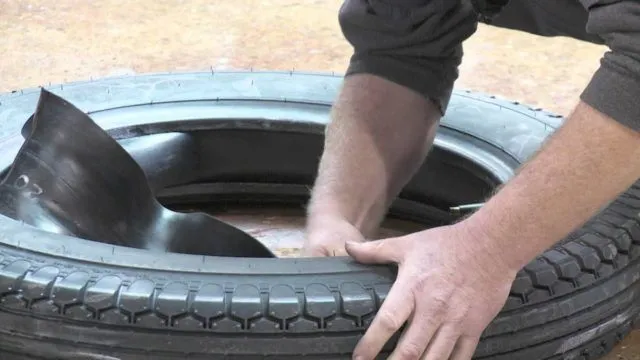
3. Improved Safety and Performance
The way a tubeless tyre seals to the rim also contributes to greater stability and safety at higher speeds. The older tube-type system could sometimes lead to the tube shifting within the tyre during hard cornering or braking, which could be a recipe for disaster. Tubeless setups offer a much more secure connection.
Furthermore, the absence of an inner tube means less heat build-up. Heat is the enemy of tyres, especially during long drives or spirited performance driving. The friction between the tube and the tyre, and between the tube and the rim, can generate significant heat. Tubeless tyres, by eliminating this internal layer, run cooler, which leads to increased tyre life and reduced risk of blowouts.
4. Easier Tyre Changes (For the Pros, Anyway!)
While changing a tyre is rarely anyone’s favourite activity, tubeless tyres can sometimes make the process a bit more straightforward for professional tyre fitters. The bead of the tubeless tyre is designed to create a tight seal, and mounting and demounting them requires specific techniques and equipment. However, once they’re off, there’s no fiddling with an inner tube trying to keep it in place while you seat the tyre bead.
5. Lighter Weight
While not a massive difference for the average driver, the removal of the inner tube does contribute to a slight reduction in unsprung weight. In the automotive world, every little bit of weight reduction can contribute to better handling and performance. It’s a subtle advantage, but one that performance enthusiasts often appreciate.
Are There Any Cars with Inner Tubes Today?
So, while the vast majority of passenger cars and SUVs are tubeless, are there any exceptions? Yes, but they’re pretty niche.
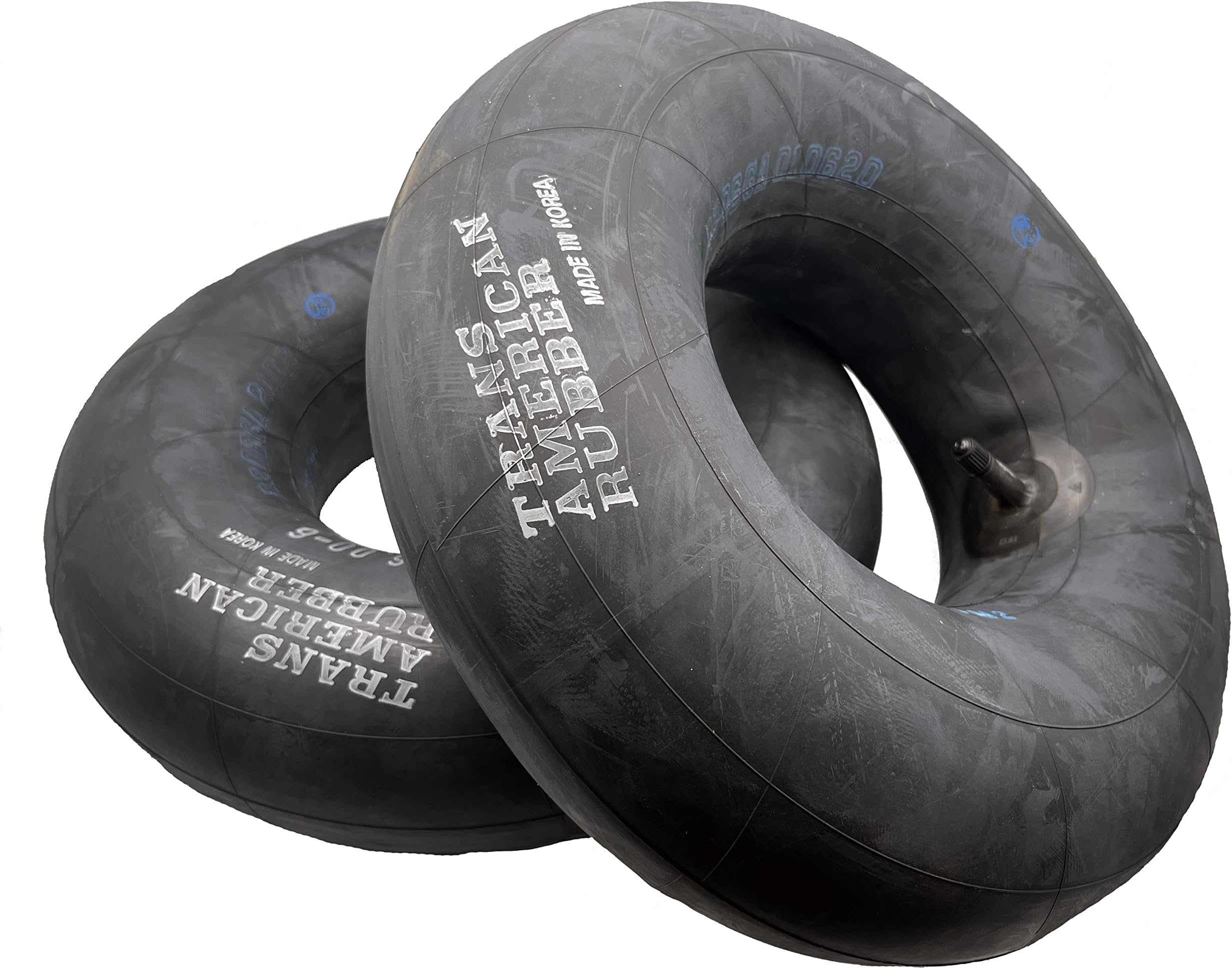
1. Certain Older or Classic Vehicles
As we touched upon earlier, if you own a vintage car, chances are it came from the factory with tube-type tyres. While many enthusiasts will convert these to tubeless for modern reliability, some may choose to keep them original for authenticity. In this case, they would definitely have inner tubes.
2. Some Off-Road and Agricultural Vehicles
This is where you might still encounter inner tubes. Think heavy-duty trucks, tractors, and some specialised off-road vehicles designed for extreme conditions. In these applications, the robust nature of an inner tube can sometimes be beneficial for dealing with rough terrain and the possibility of damage to the tyre bead.
The reasoning here can be a bit more complex, sometimes involving the ability to repair tubes in remote locations or the need for a simpler, more forgiving system in very low-pressure situations. It's a bit like how some bicycles still opt for tubes for ease of repair on the trail.
3. Specialised Motorcycle Tyres
While we’re talking about cars, it’s worth a brief mention that many motorcycles do still use inner tubes, especially those with spoked wheels. This is a different engineering context, but it’s a good reminder that the world of tyres isn’t entirely tubeless!
How to Tell If Your Car Has Tubes (Without Taking Off a Wheel!)
So, how can you be reasonably sure your car is running the modern tubeless setup without having to dismantle your wheels? Here are a few handy clues:
- Vehicle Age: If your car is from, say, the last 30-40 years, it’s almost certainly tubeless. Older vehicles are the ones more likely to have tubes.
- Tyre Sidewall Markings: Many modern tyres will explicitly state “Tubeless” on the sidewall. Look for this text. It’s a clear indicator!
- Valve Stem Type: Tubeless tyres have a rubber valve stem that is permanently attached to the rim. If you look at your valve stem, and it’s a bendy rubber one, it’s almost certainly for a tubeless tyre. Older tube-type tyres often had metal valve stems that passed through the tube and were held in place by a nut on the rim.
- Your Owner’s Manual: The ultimate authority! Your car’s owner’s manual will detail the tyre specifications and whether they are tube-type or tubeless.
These are generally reliable indicators. If your car is a regular passenger car from the 21st century, you can confidently assume it’s running tubeless tyres.
The Future of Tyres: Innovations on the Horizon
The automotive industry is always pushing boundaries, and tyres are no exception. While tubeless technology is mature and highly effective, research continues. We're seeing developments in:
- Airless Tyres: These are tyres that don’t use air at all! Think of them as a honeycomb or cage-like structure that provides support and cushioning. Michelin’s Uptis (Unique Puncture-proof Tire System) is a prime example. These offer the ultimate in puncture-proof reliability.
- Smart Tyres: Tyres embedded with sensors that can monitor pressure, temperature, and even wear, feeding this information directly to your car’s computer or your smartphone. Imagine your car telling you before you even notice that your tyre pressure is low!
- Sustainable Materials: A huge focus is on developing tyres from recycled and renewable materials, reducing the environmental impact of tyre production and disposal.
It’s an exciting time for tyre technology! The humble tyre is evolving into a complex, high-tech component of our vehicles.
A Daily Drive Reflection
So, there you have it. The mystery of the car tyre’s inner life is largely solved: most of them are wonderfully self-contained units. This journey from tube-type to tubeless is a testament to human ingenuity, a constant drive for improvement that often happens behind the scenes, working tirelessly to make our lives smoother and safer.
It’s a bit like many things in life, isn’t it? We often don't appreciate the smooth running of our daily routines until something goes wrong. The fact that our car tyres are reliably holding air, providing grip, and silently contributing to our safety is something we can easily take for granted. But understanding a little more, knowing that these modern marvels are designed for resilience and convenience, adds a quiet appreciation to every journey. So, the next time you hop in your car, give a little nod to those unsung heroes on the road. They’re doing a pretty amazing job, all without a single inner tube in sight.