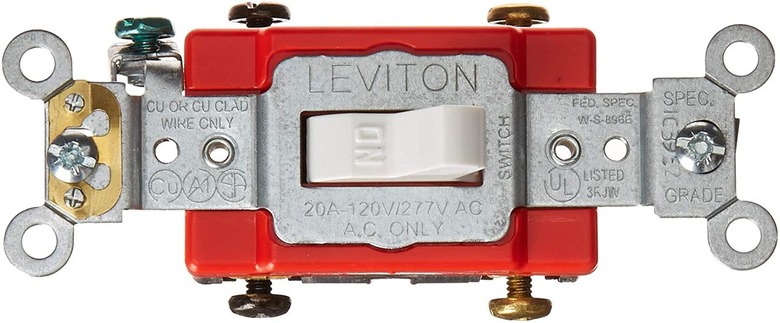
Difference Between Single Pole And Double Pole Light Switch
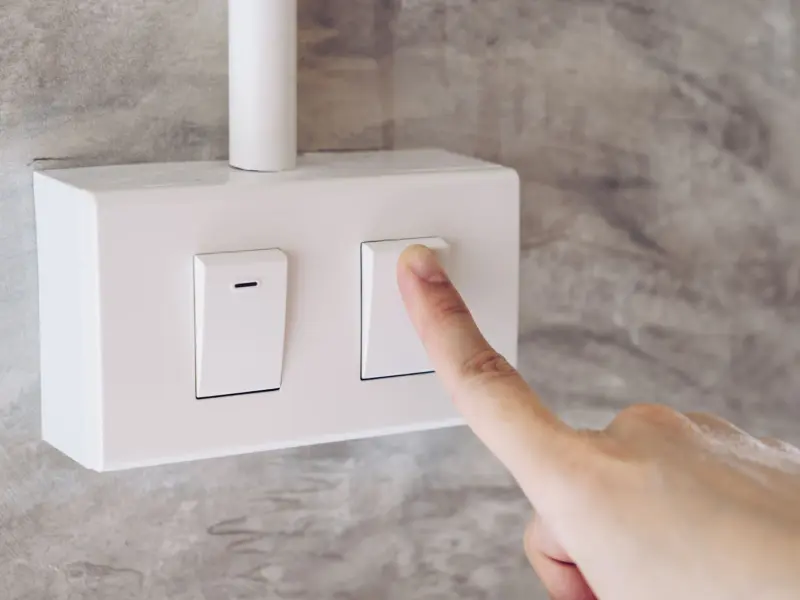
Hey there, fellow dwellers of light-filled homes! Ever found yourself staring at a light switch, flicking it on and off, and then – just for a fleeting second – wondered, "What's the deal with these things?" You know, the ones that control your cozy living room lamp or the bright light in your garage? Well, guess what? There's more to that humble switch than meets the eye, and today, we're going to dive into a little secret that might just make you feel like a home improvement guru. We're talking about the difference between a single-pole and a double-pole light switch. Sounds technical? Don't you worry your pretty little head! We're going to break it down in a way that's as easy-going as your favorite comfy blanket.
Let's start with the superstar of the switch world, the single-pole switch. Think of this guy as your trusty sidekick, the one you see everywhere. It's the workhorse of your home. When you flip a single-pole switch, you're basically telling electricity, "Okay, buddy, you can go through here and turn on that light," or "Nope, stay put!" It's a simple on-off operation. Imagine your kitchen light, or the switch by your bedside for your reading lamp. That's almost certainly a single-pole switch. It's got two connection points, or terminals, where the wires hook up. One wire brings the power in, and the other wire takes the power out to your light fixture. It’s like a bouncer at a party, deciding who gets in and who doesn't. Easy peasy, right?
Think about it this way: You’re at home, and you want to turn on the lamp in your living room. You walk over to the switch, give it a flick, and bam! Light. You want to turn it off? Another flick, and darkness. That’s the magic of a single-pole switch. It’s a one-to-one relationship. One switch, one light (or a group of lights controlled by that single switch). It’s the most common type of switch you'll find, and for good reason. It’s straightforward, reliable, and does exactly what it says on the tin: it switches the flow of electricity. No fuss, no drama.
Must Read
Now, let's introduce its more sophisticated cousin: the double-pole switch. This one's a bit of a show-off, but in a good way! While a single-pole switch is like a simple on-off gate, a double-pole switch is more like a traffic cop managing two separate lanes of traffic simultaneously. It's designed to control two separate electrical circuits, or it can be used to switch both wires of a single circuit at the same time. This means it has four connection points, or terminals, instead of two. Two terminals for one circuit, and two for another. Or, in some cases, it can disconnect both the "hot" and "neutral" wires of a single circuit, providing a more complete break in the power flow. Fancy, huh?
Where would you find a double-pole switch? Well, they’re not as common in your average living room, but they're super important for certain applications. Think about appliances that need a bit more oomph, like a water heater or a powerful air conditioning unit. These often require a double-pole switch to ensure both sides of the power supply are safely disconnected when you turn them off. It's like making sure both the front and back doors are locked to keep your house secure. Safety first, folks!

Let’s paint a little picture. Imagine you have a really big, powerful appliance, say, a super-duper shop vacuum cleaner in your garage that needs a serious power surge. This vacuum might be connected through a double-pole switch. When you flip that switch, it's not just interrupting one flow of electricity; it's taking care of both sides of the power supply. This is a big deal because it provides a more robust safety cutoff. It’s like having two keys to unlock a treasure chest, ensuring it’s properly secured.
Another common place you'll find double-pole switches is in situations where you need to isolate a piece of equipment entirely. For instance, in some industrial settings or even for certain home appliances that draw a lot of power, a double-pole switch ensures that all the power is cut off, not just one part of it. This is crucial for safety, especially when you’re working on or around that equipment. It’s the ultimate "power off" button!

So, why should you, the everyday reader, care about the difference between single-pole and double-pole switches? It might not seem like a big deal if you're just flipping the switch for your bedside lamp. But understanding this little distinction can be incredibly empowering, especially when you're thinking about home projects, safety, or even just troubleshooting a quirky electrical issue. It’s like knowing the difference between a regular car key and a car key with an immobilizer – both start the car, but one offers an extra layer of security.
For starters, safety is paramount. If you’re ever dealing with a situation where you need to be absolutely sure a circuit is dead – perhaps before attempting a DIY repair or if you're installing a new appliance – knowing the type of switch involved can guide you. A double-pole switch offers a more definitive disconnection. It's the difference between closing one door and locking both the front and back doors before leaving for vacation.

Secondly, it can help you understand your home's wiring better. When you look at a switch and have a basic idea of whether it's single-pole or double-pole, you’re already gaining insights into how your electricity is managed. This knowledge can be surprisingly handy when you're trying to figure out which breaker controls what, or why a particular appliance seems to have its own dedicated switch. It’s like learning a few words of a new language – suddenly, the world opens up a little more!
Think about this: you’re looking to install a new, energy-efficient refrigerator. Your user manual might suggest a specific type of electrical connection or switch. If you know the difference between single-pole and double-pole, you can have a more informed conversation with an electrician or even do a bit of preliminary research yourself. You'll be able to say, "Okay, this appliance needs a double-pole setup for optimal safety," instead of just shrugging and hoping for the best. It's about being a more informed and confident homeowner.

It's also about preventing those "oops" moments. Imagine you're trying to replace a light fixture, and you mistakenly think a switch is a single-pole when it's actually controlling both sides of a higher-voltage circuit. You might end up with a shocked surprise – and not the good kind! Understanding the switch type helps you avoid these potentially hazardous mix-ups. It’s the difference between walking across a safe bridge and trying to skip stones across a river.
In essence, while the everyday flick of a single-pole switch is what most of us interact with daily, the existence and purpose of the double-pole switch highlight the layered approach to electrical safety and functionality in our homes. It's not about becoming an electrician overnight, but rather about gaining a little bit of knowledge that makes you feel more in control and more aware of the hidden systems that power your life.
So, the next time you're flicking a light switch, take a moment. Is it the simple, reliable single-pole, your trusty everyday companion? Or is it the more robust double-pole, working diligently behind the scenes to keep things safe and sound for your more demanding appliances? Either way, you're interacting with a little piece of engineering that makes our modern lives so much easier. And now, you know a little bit more about its secrets. Pretty cool, right? Keep those lights shining bright, and stay curious!