Destruction Of Hard Drives
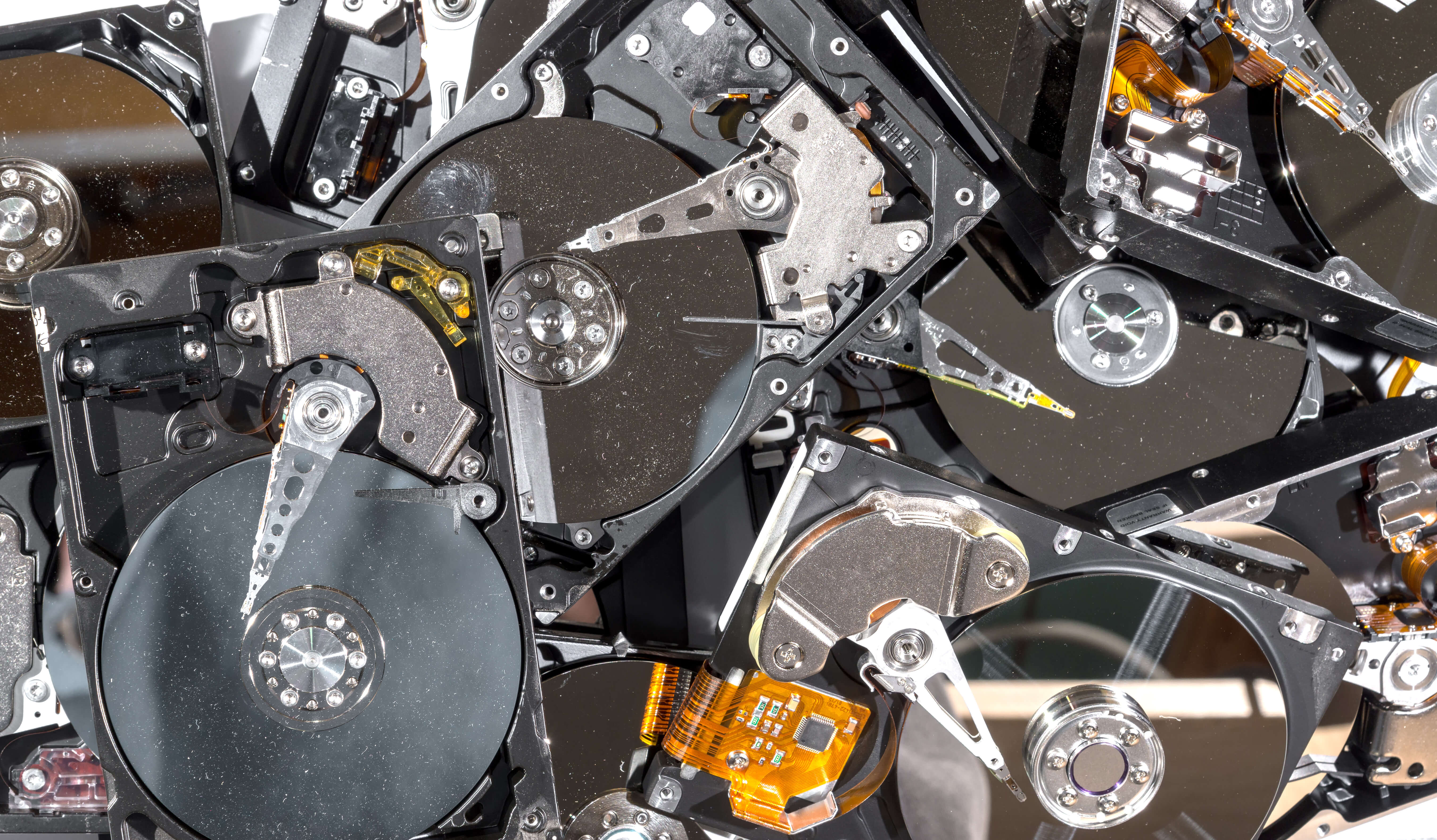
Ever felt that thrill of… well, not exactly destruction, but perhaps decommissioning? When your trusty old computer or even your smartphone finally breathes its last, you’re left with a decision. And that decision, my friends, can be surprisingly… satisfying. We're not talking about smashing things with a hammer (though, let's admit, there's a primal urge there sometimes!). We're diving into the world of hard drive destruction, a topic that might sound a bit ominous, but is actually incredibly important and, dare we say, a little bit fun in its own unique way. Think of it as giving your digital past a proper, secure send-off. It’s about reclaiming your privacy, ensuring your sensitive information doesn't fall into the wrong hands, and giving yourself a clean slate. Plus, for the more mechanically inclined, there's a certain tactile satisfaction to the process, a tangible end to the digital life of a device.
Why Bother With Hard Drive Destruction?
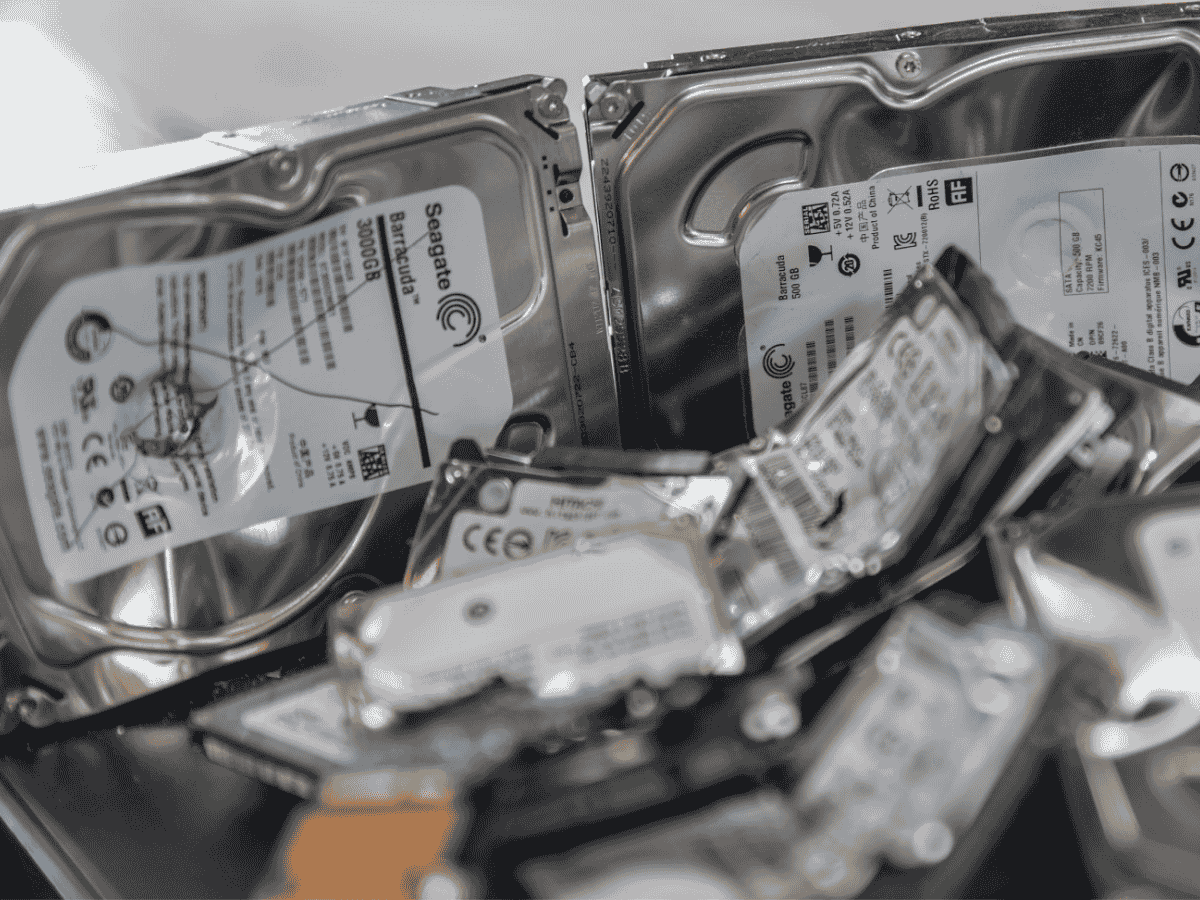
So, why go through the trouble of destroying a hard drive when you could just toss it in the bin? The answer is simple: privacy. Your hard drive is a vault. It holds everything: your embarrassing search history from 2010, your financial records, your family photos, your work documents… the list goes on. When you simply delete files, they aren't truly gone. They linger in the digital ether, waiting for someone with the right tools to unearth them. This is where hard drive destruction steps in, acting as your digital bodyguard.
The primary purpose is data sanitization. This means rendering all the information on the drive unrecoverable. Imagine your old hard drive as a library. Deleting files is like removing the books from the shelves, but the library building itself still stands, and the books could potentially be found in the back rooms. Destruction, on the other hand, is like demolishing the entire library building and scattering the bricks and mortar so no one can ever piece the books back together.
Must Read
The benefits are significant:
- Enhanced Security: This is the big one. Protect yourself from identity theft, corporate espionage, and all sorts of nasties. If you've handled sensitive information – personal or professional – destroying the drive is the ultimate safeguard.
- Peace of Mind: Knowing your data is truly gone provides an incredible sense of relief. No more worrying about what might be lurking on that old laptop you sold or donated.
- Regulatory Compliance: For businesses, there are often legal requirements to securely dispose of data. Proper hard drive destruction ensures you meet these obligations and avoid hefty fines. Think about industries like healthcare (HIPAA) or finance – they have strict rules!
- Environmental Responsibility (sometimes): While destruction itself isn't inherently eco-friendly, it's often a precursor to proper electronic waste recycling. By ensuring data is gone, you can then responsibly recycle the physical components.
Methods of Destruction: From Gentle to… Enthusiastic
There are several ways to achieve this digital obliteration, ranging from the professional and meticulous to the more… hands-on. Let's explore some of the popular methods:
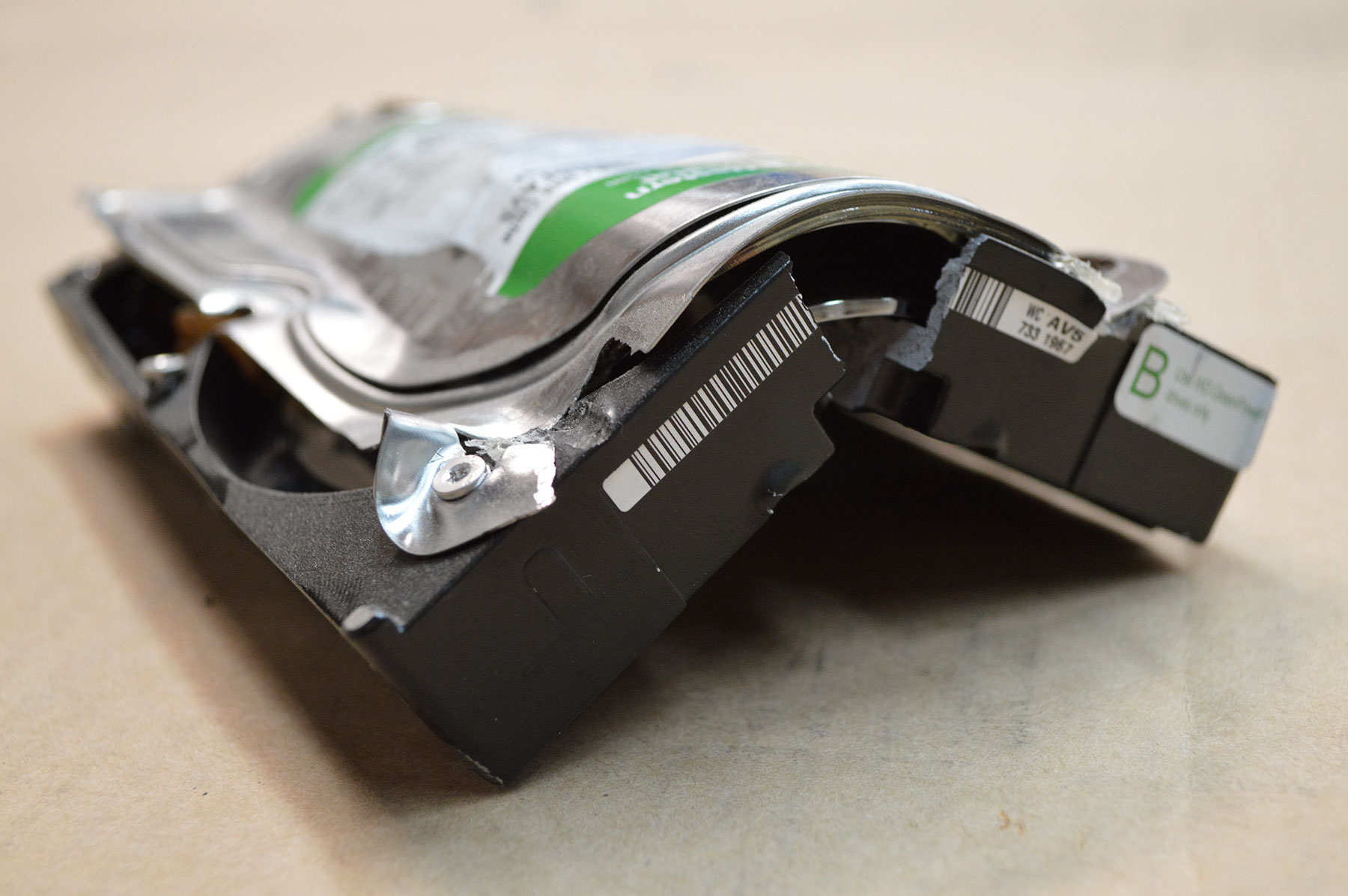
1. Degaussing: The Magnetic Enigma
This method is a bit like a digital "reset" button, but for the magnetic information stored on older hard disk drives (HDDs). A powerful magnetic field is applied to the drive, scrambling the magnetic patterns that represent your data. Think of it like shaking a jar of tiny magnets until they all point in random directions – the original pattern is lost forever. Degaussing is highly effective for HDDs, but it's important to note that it doesn't work on Solid State Drives (SSDs) because they don't rely on magnetism for data storage.
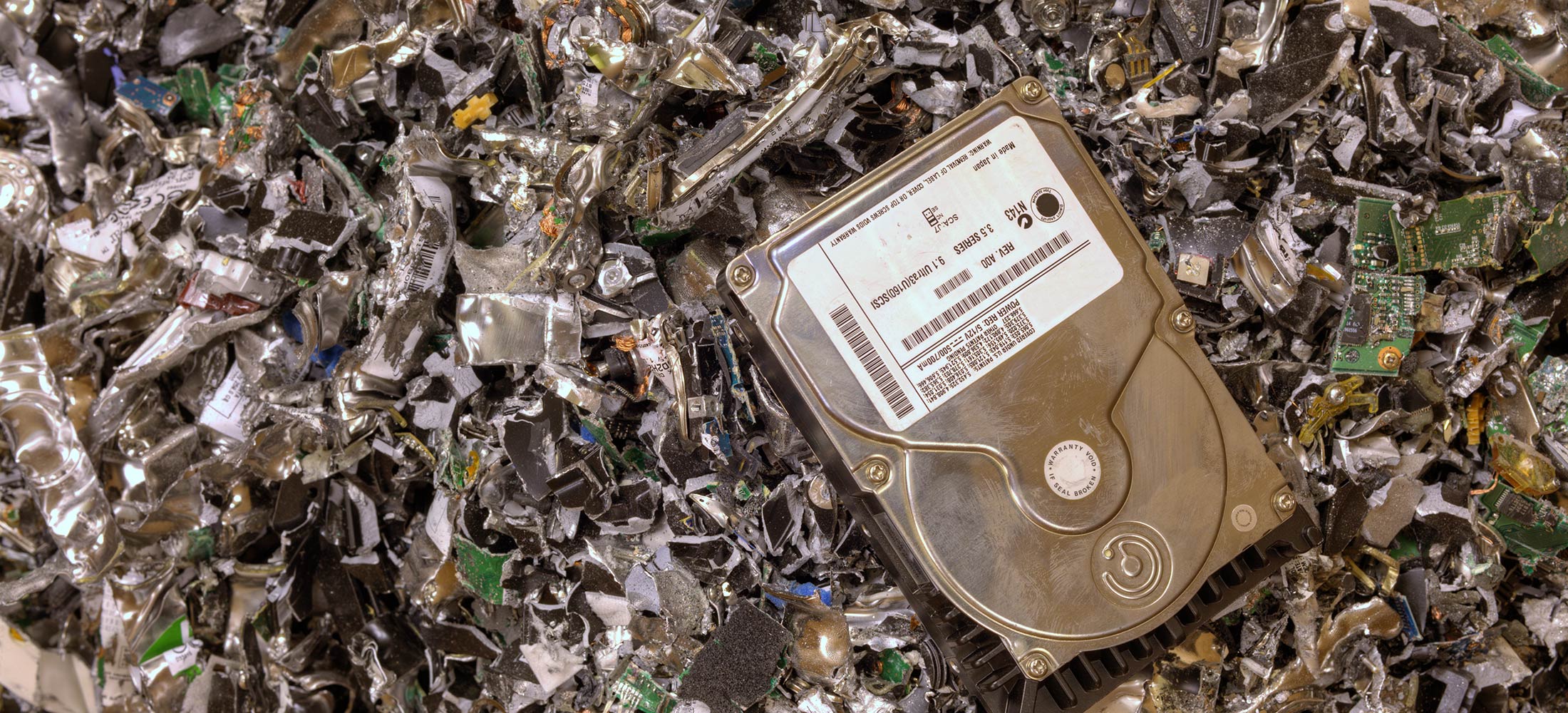
2. Physical Shredding: The Ultimate Demolition
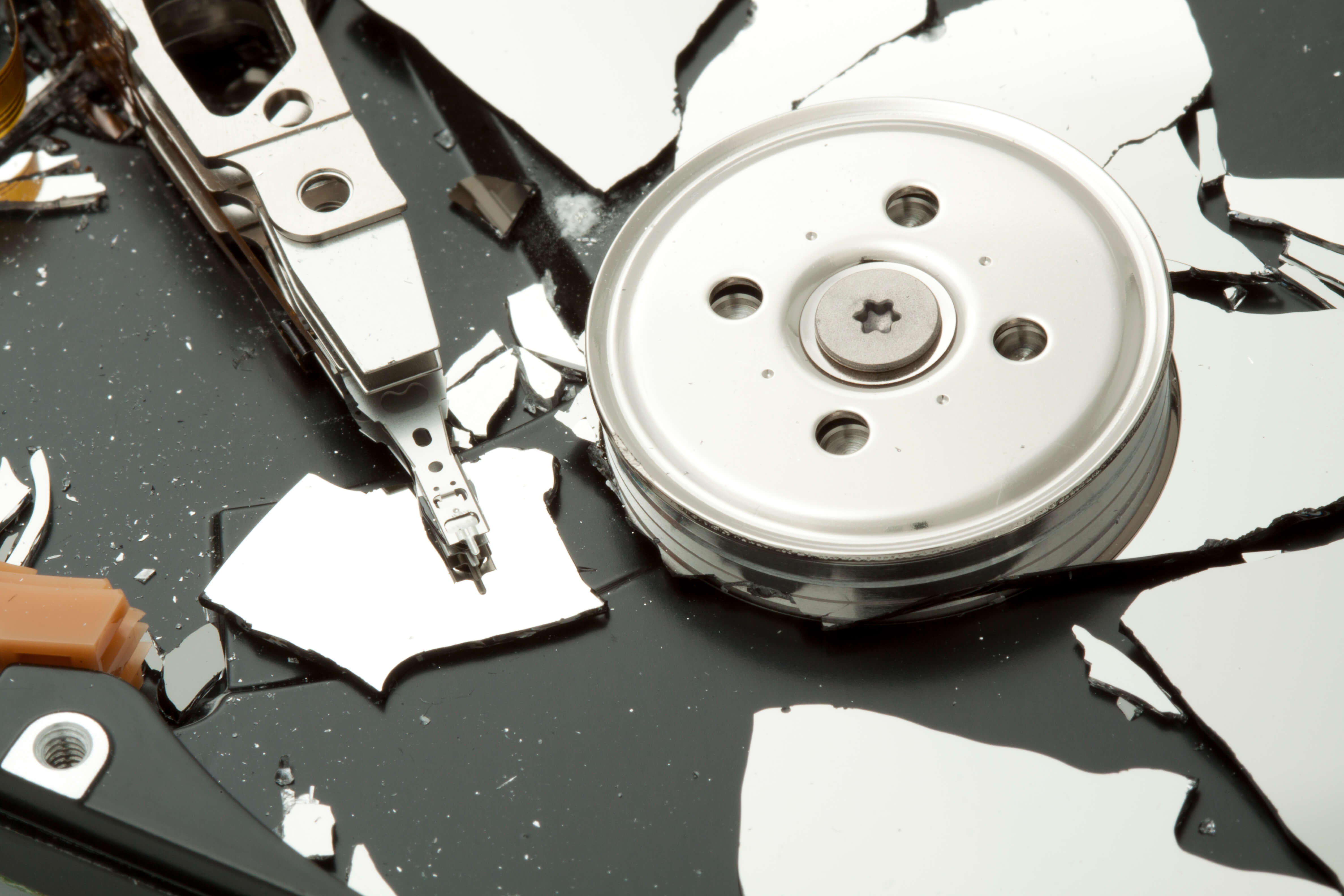
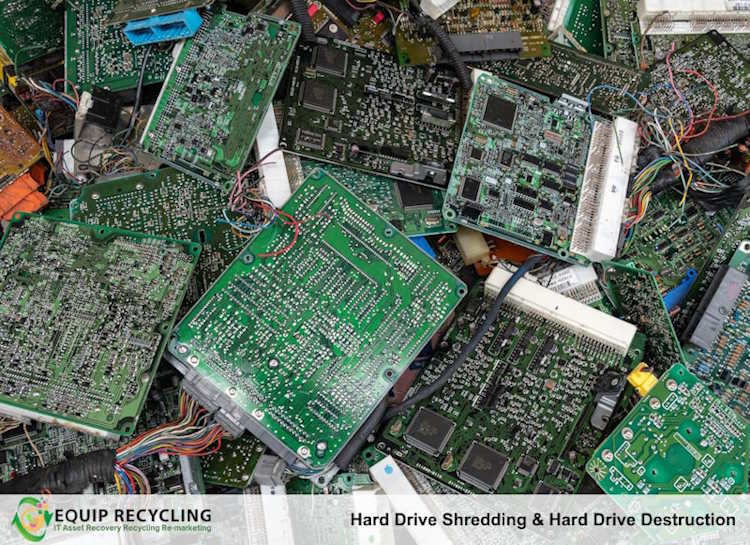
This is the most definitive method. Imagine a giant, industrial paper shredder, but for hard drives. Specialized machines reduce the drive to tiny, unrecognizable fragments. It’s a satisfying visual, seeing the remnants of your digital life become mere dust. Shredding is incredibly effective for both HDDs and SSDs, leaving absolutely no possibility of data recovery. Many professional data destruction services offer this as their gold standard, often providing certificates of destruction as proof.
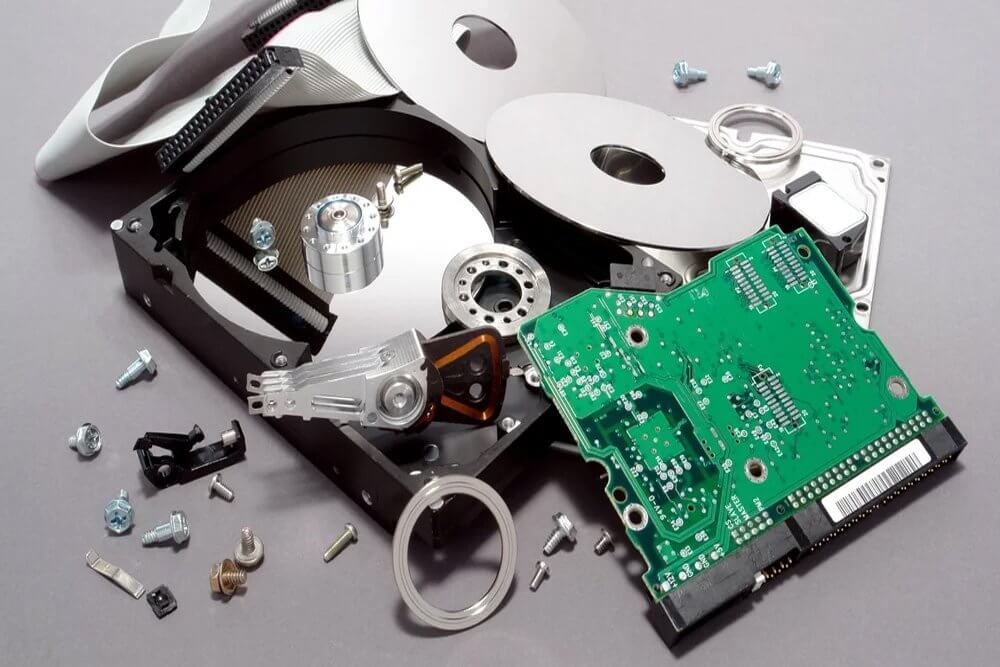
3. Drilling or Punching Holes: The DIY Approach
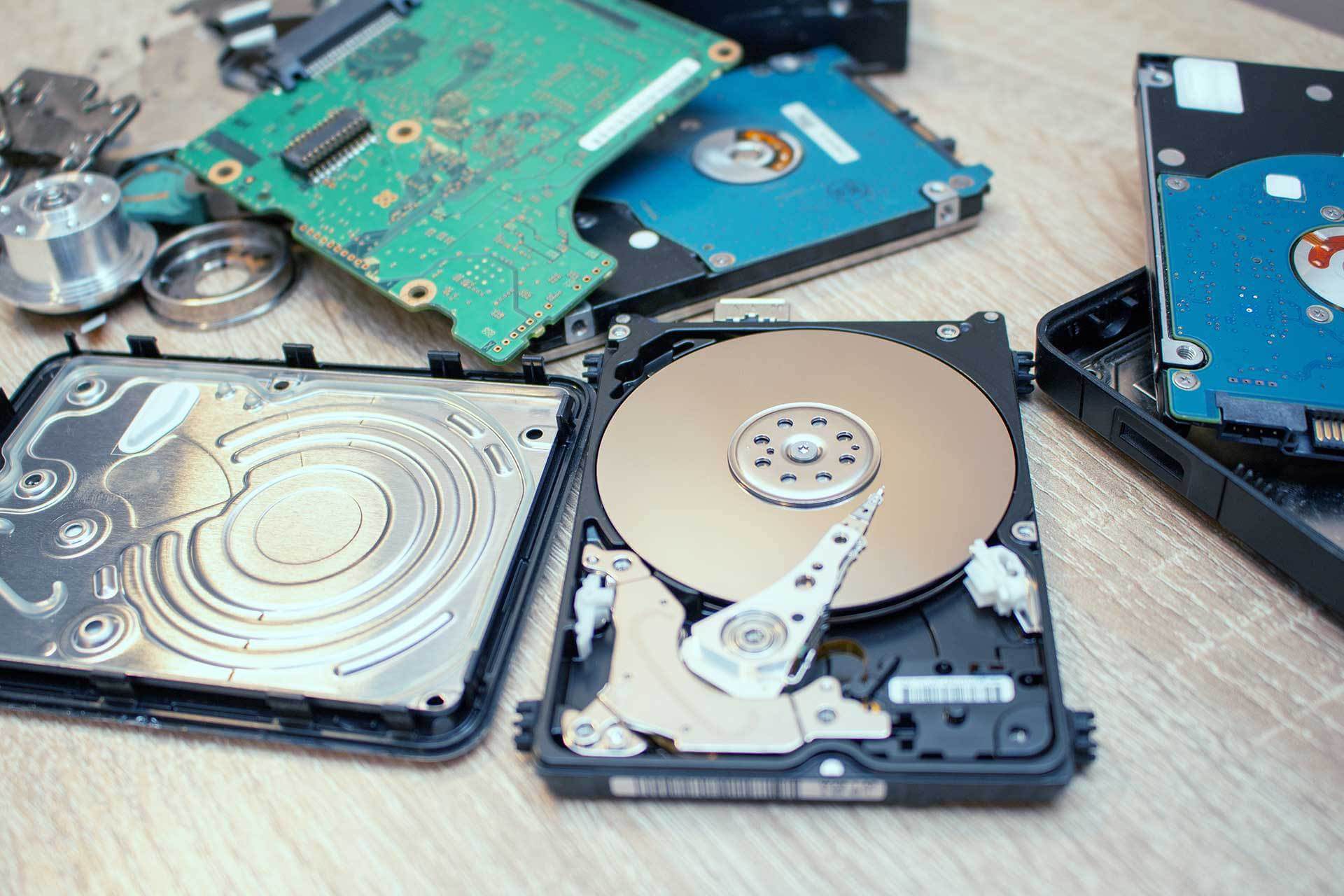
For the more hands-on individual, drilling multiple holes through the platters of an HDD, or the NAND flash chips of an SSD, can be a viable option. The key is to ensure the holes go through the actual storage media, not just the casing. While this can be effective, it requires caution and the right tools. It’s a bit more accessible than industrial shredding but less foolproof if not done with precision. Always wear appropriate safety gear!
4. Incineration: The Fiery Farewell
This method involves burning the hard drive at extremely high temperatures. This physically destroys the drive's components and vaporizes the stored data. It's a rather dramatic and thorough way to ensure data is gone, but it's typically handled by professional services due to the specialized equipment and safety considerations involved. It’s the digital equivalent of a Viking funeral pyre.
5. Software Wiping: The Digital Eraser (with limitations)
This involves using specialized software to overwrite the data on the drive with random data multiple times. Think of it as writing gibberish over your original files repeatedly until the original information is completely obscured. While effective for many situations, it’s important to understand that software wiping might not be sufficient for highly sensitive data, especially for older HDDs where residual magnetic traces could potentially be recovered by advanced techniques. For SSDs, wear-leveling makes complete software wiping even more challenging, which is why physical destruction is often preferred for the highest levels of security.
Choosing Your Destruction Path
The best method for you depends on your needs. For most individuals, a combination of software wiping followed by physical destruction (like drilling or using a professional service) offers excellent security. If you're a business handling extremely sensitive data, professional shredding or degaussing (for HDDs) by a reputable service is the way to go. Always look for companies that provide a certificate of destruction for your records.
So, the next time you have an old drive lying around, remember it's not just an electronic paperweight. It's a treasure trove of your digital history, and ensuring that history stays private is a surprisingly engaging and empowering task. It’s the final, satisfying act in the lifecycle of your digital companion.