Citrucel Vs Metamucil Vs Benefiber

Okay, so picture this: I'm on a road trip, a glorious, sun-drenched, windows-down kind of adventure. We've made a crucial pit stop for snacks, and I'm rummaging through the cooler, desperately seeking anything that isn't a sugar bomb. My eyes land on a suspiciously large bottle of water and, nestled beside it, something that looks vaguely… medicinal. It’s a packet of fiber supplement. My travel buddy, bless his heart, is already guzzling his. "You gonna do this too?" he asks, a little too enthusiastically. I eye the powder suspiciously. "Is it… gritty?" I venture. He shrugs, "It’s… fibery."
That moment, my friends, was the genesis of this whole deep dive into the world of fiber supplements. We’ve all been there, right? Staring at those colorful boxes on the pharmacy shelf, wondering which one is actually going to do what you need it to do without tasting like chalk mixed with despair. Today, we’re breaking down the big three: Citrucel, Metamucil, and Benefiber. Let’s get down to the nitty-gritty, or rather, the smooth-and-effective gritty, shall we?
The Great Fiber Face-Off: Who Reigns Supreme?
So, what is fiber, anyway? It’s that magical, indigestible plant material that helps keep things moving smoothly in our digestive tracts. Think of it as the internal plumber that keeps everything from getting… well, backed up. We need it for regularity, for feeling full, and even for our gut health. But not all fiber is created equal, and that’s where these three contenders come in.
Must Read
It’s easy to just grab the cheapest option, or the one with the most familiar mascot (psst, that’s often orange). But a little understanding can go a long way in finding your perfect digestive sidekick. Because let’s be honest, nobody wants to feel like a blocked drain, right? (Or is that just me? Probably just me.)
Citrucel: The "Gentle Giant" of Fiber?
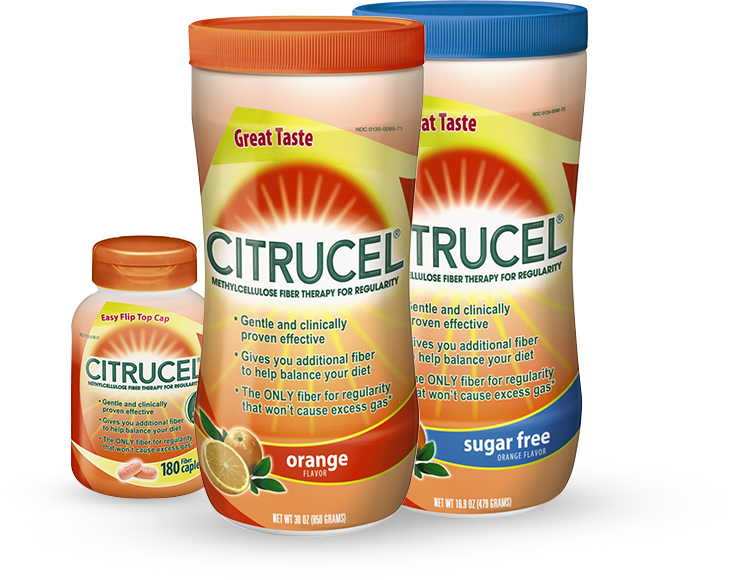
Let's start with Citrucel. This one often pops up when people are looking for a gentler option, especially if they've had… adventures with other fiber supplements. The key ingredient here is methylcellulose. What's methylcellulose? It's a synthetic fiber, which might sound a bit sci-fi, but hear me out. It works by absorbing water in your gut, creating a gel-like substance that helps soften your stool and makes it easier to pass. Think of it as a super-hydrophilic (loves water!) molecule.
One of the big selling points for Citrucel is that it’s generally considered less likely to cause gas and bloating compared to some other fiber supplements. This is a HUGE win for many people, myself included. Remember my road trip buddy and his "fibery" explanation? Well, if he’d had Citrucel, he might have described it as… less impactful. Less… audible. (Shhh, we don't talk about road trip farts.)
The texture of Citrucel is also something to note. It tends to dissolve quite well in water, leaving a relatively clear and smooth liquid. No gritty surprises here, which is a definite plus. It’s like a subtle whisper of fiber, rather than a loud, demanding announcement. It also comes in a few forms – the classic powder, caplets, and even some ready-to-drink versions, which are handy for those on-the-go moments.
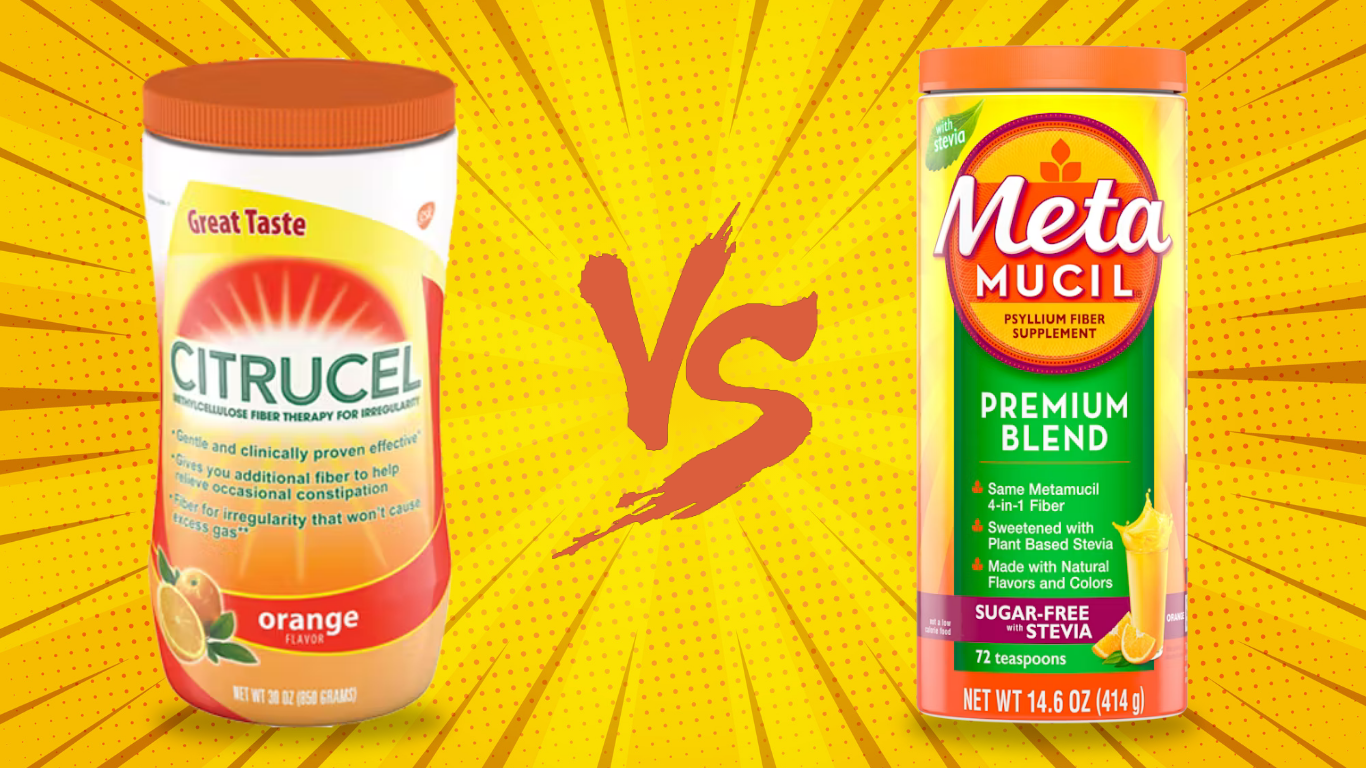
However, and there’s always a ‘however’, right? Because nothing is perfect. Some people find that methylcellulose, while gentle, might not be as effective for severe constipation as other types of fiber. It's more about promoting regularity and preventing constipation rather than tackling a full-blown blockage. So, if you’re looking for a hardcore gut-cleansing experience, Citrucel might not be your first choice. But for daily maintenance and a smooth ride? It’s definitely a contender.
My personal experience? I tried Citrucel when I was a bit worried about starting a new supplement and wanted to ease into it. I was pleasantly surprised by how mild it was. No sudden urges, no uncomfortable bloating. Just… a feeling of things working as they should. It was almost anticlimactic in the best possible way. It felt like it was just… there, doing its job quietly in the background. Very professional, if a fiber supplement can be professional.
Metamucil: The Orange Powerhouse (and its Quirks)
Ah, Metamucil. This is probably the most iconic of the bunch. That bright orange color, the distinctive smell… it’s practically a household name. Metamucil’s star player is psyllium husk. Psyllium is a soluble fiber that comes from the seeds of the Plantago ovata plant. It’s a natural fiber, which appeals to many people who prefer to stay away from synthetic ingredients.
When psyllium husk meets water, it forms a thick, gel-like substance. This gel is fantastic at bulking up your stool, making it softer and easier to pass. It’s like a big, comforting hug for your intestines, helping to move things along with a bit more oomph than methylcellulose. For those who need a more robust solution for constipation, Metamucil often comes out on top.
But here's where things get a little more interesting, or perhaps, less comfortable for some. Psyllium husk, while effective, is also notorious for its potential to cause gas and bloating, especially when you first start taking it. You really need to ease into it, much like learning to ride a bike. Start slow, small doses, and gradually increase. And for the love of all that is holy, drink LOTS of water. Seriously, and I can’t stress this enough, drinking enough water is non-negotiable with psyllium. It needs that water to do its magic. Without enough water, it can actually make things worse, which is the opposite of what we’re aiming for here. (Don't be that person who forgets to drink water and ends up regretting their life choices.)

The texture of Metamucil can also be a bit of a hurdle for some. It's definitely not as smooth as Citrucel. You get that signature… gritty feel. It’s not exactly like chewing on sand, but it’s not exactly a clear, refreshing drink either. Some people tolerate it, some… well, they find ways to mask it. Orange juice is a popular choice, hence the orange branding, I suspect. Or smoothies. Anything to get that thick, fibrous concoction down without making a face. I’ve definitely seen some creative mixing strategies. (Guilty as charged, sometimes I dump it straight into my mouth and chase with a gallon of water. Not recommended, but hey, desperate times.)
Metamucil also boasts that it can help lower cholesterol and regulate blood sugar levels, which are added bonuses for overall health. So, it’s not just about keeping things moving; it's potentially doing a bit more for your cardiovascular system. Pretty neat, huh?
I’ve used Metamucil off and on for years. When I need something that feels like it's really getting the job done, Metamucil is my go-to. But I always have to be mindful about my water intake. The first few days can be a bit… lively in the gas department. So, if you're planning on attending any important meetings or going on a date, maybe hold off on the Metamucil for a day or two. Just saying.
Benefiber: The Versatile Traveler
Now, let's talk about Benefiber. This one is interesting because its main ingredient is wheat dextrin. Wheat dextrin is another soluble fiber, but it’s known for being incredibly easy to incorporate into your diet without making a noticeable difference in taste or texture. This is where Benefiber really shines – its versatility.
Unlike Metamucil, Benefiber is virtually tasteless and dissolves completely. You can stir it into water, juice, coffee, tea, yogurt, soup… you name it. It’s like a ninja fiber. It sneaks into your diet, doing its thing without complaining or announcing its presence. For people who struggle with the taste or texture of other fiber supplements, Benefiber is a game-changer. Remember that "fibery" road trip companion? Benefiber would have been his dream come true. No weird tastes, no gritty surprises.

The mechanism is similar to the others: it absorbs water and forms a gel, helping to promote regularity and alleviate constipation. It’s generally considered to be gentle on the stomach, with a lower likelihood of causing gas and bloating compared to psyllium. This makes it a great choice for people with sensitive digestive systems.
However, because it's a more processed form of fiber (derived from wheat, but processed to remove gluten and other components), some people who are strictly avoiding any wheat-derived products might opt for a different option. Also, while generally effective, some users report that Benefiber might not be as powerful for severe constipation as psyllium-based supplements like Metamucil. It’s more of a steady, reliable support.
The packaging is usually pretty user-friendly too, often coming in individual packets, which are perfect for tossing into a purse or backpack. It’s the convenience king. No scooping, no measuring (unless you buy the larger container, which usually has a scoop), just pure, unadulterated fiber convenience.
I’ve used Benefiber when I’ve been traveling extensively or when I know I’ll be out and about all day. It’s just so easy to mix into whatever beverage I have on hand. And the fact that I don’t have to brace myself for a weird taste is a huge relief. It’s the unsung hero of my travel toiletry bag, honestly. It does its job, and I can forget it’s even there, which is, in its own way, pretty fantastic.
So, Which One is For You?
Alright, we’ve covered the main players. Now, let’s try to make some sense of it all. It’s not a one-size-fits-all situation, and what works for one person might not work for another.

Choose Citrucel if:
- You’re looking for a gentle fiber supplement.
- You’re prone to gas and bloating with other supplements.
- You prefer a smooth, clear liquid with no gritty texture.
- You’re focused on preventing constipation and maintaining regularity rather than tackling severe issues.
Choose Metamucil if:
- You need a more powerful solution for constipation.
- You don’t mind (or even like!) the orange flavor and slightly gritty texture.
- You’re committed to drinking plenty of water.
- You’re interested in the potential added benefits of cholesterol lowering and blood sugar regulation.
Choose Benefiber if:
- You want a fiber supplement that is virtually tasteless and undetectable in other beverages.
- You need a convenient option that you can easily mix into any drink.
- You have a sensitive digestive system and want to minimize gas and bloating.
- You’re looking for reliable, everyday fiber support.
Ultimately, the best way to find your perfect match is to try them out. Start with the recommended dosage and pay attention to how your body reacts. And remember, these are supplements, not magic cures. A healthy diet rich in fruits, vegetables, and whole grains is always the foundation of good digestive health. But for a little extra help, these fiber friends can be quite valuable.
So, next time you're standing in the aisle, staring at those boxes, you'll have a little more intel. Go forth, and may your digestion be ever smooth and uneventful! (In the best possible way, of course.) And if you ever find yourself on a road trip with a questionable-looking powder, at least you’ll know what you’re dealing with. Happy travels, and happy pooping!
:max_bytes(150000):strip_icc():format(webp)/Citrucelvs.Metamucil-5eca49aecca64d3c87bcb4a723267b72.jpg)