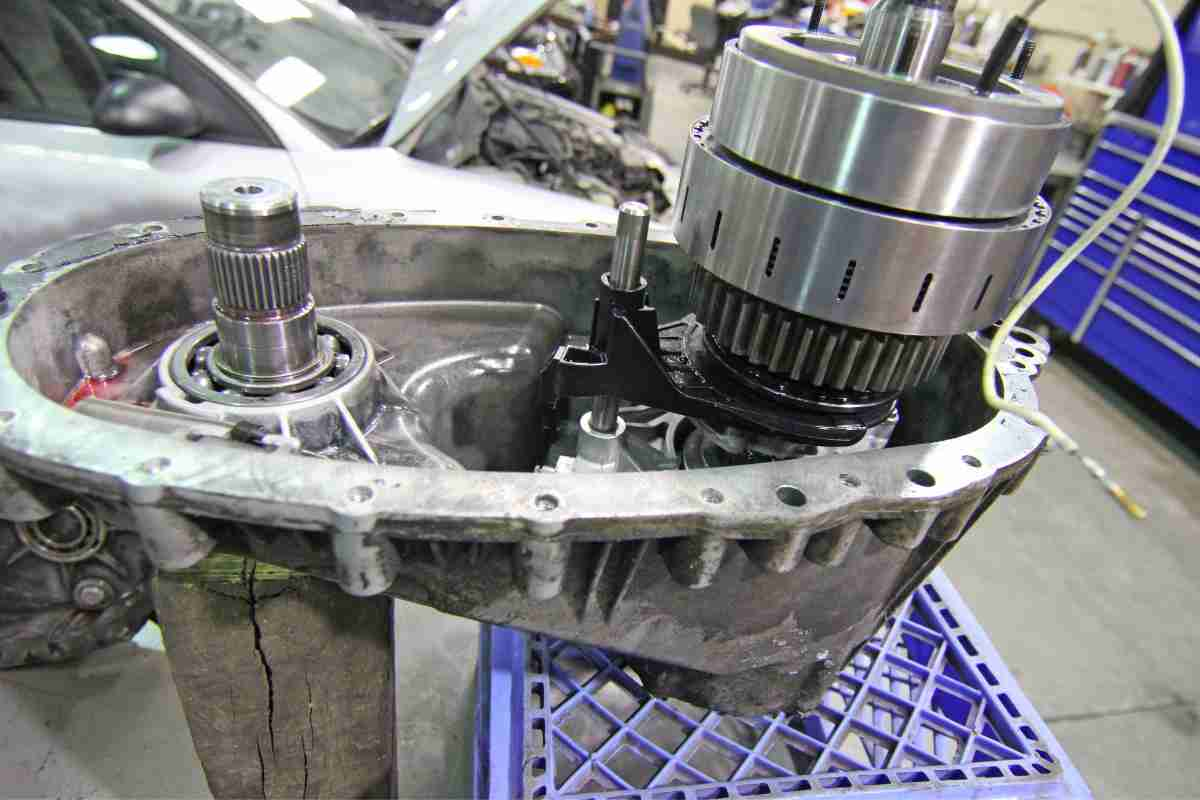
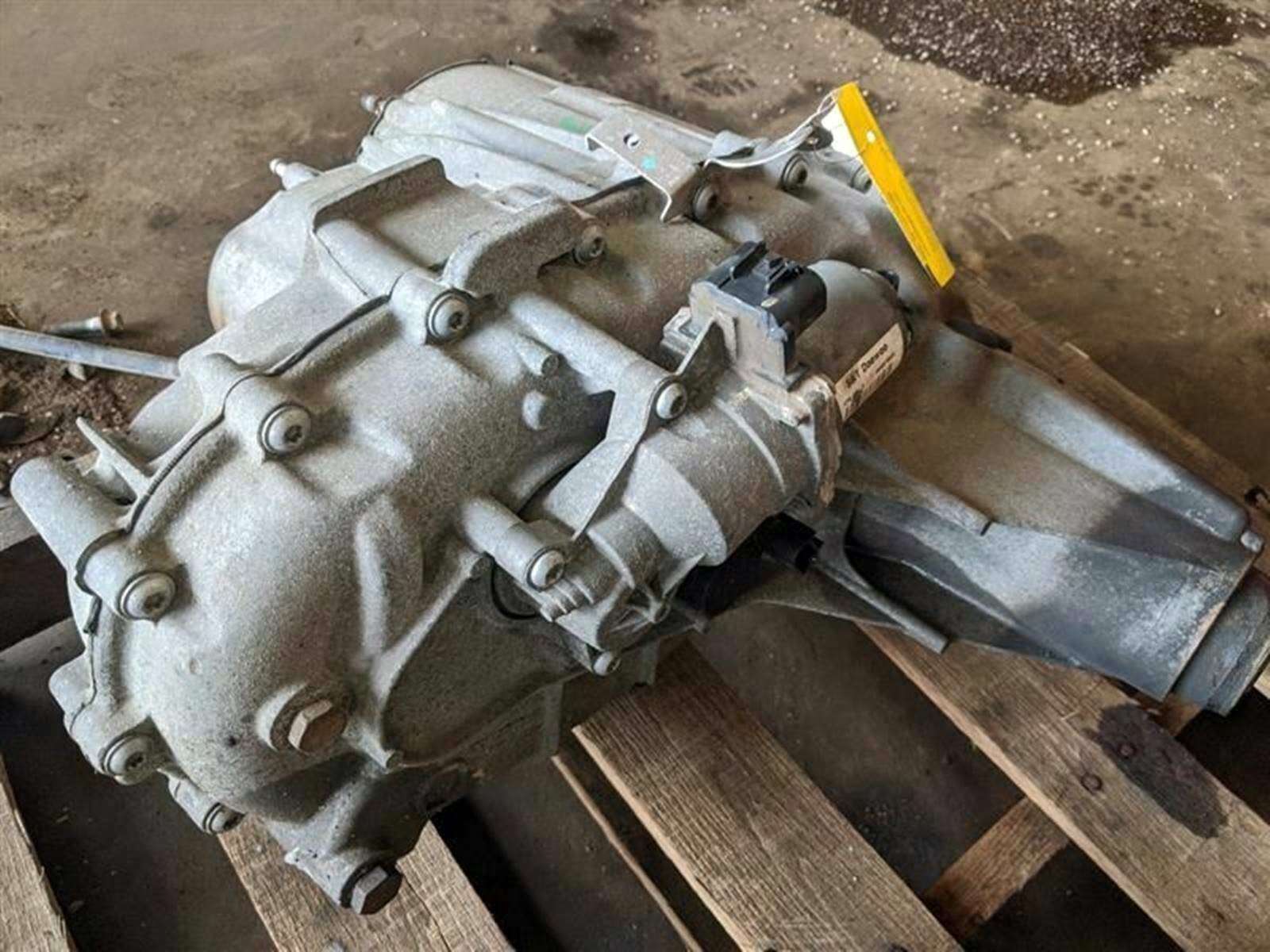
Chevy Transfer Case Identification

Okay, so picture this: I’m knee-deep in a greasy mess, surrounded by the glorious scent of old oil and regret. My buddy Dave, bless his heart, just bought a beat-up old Chevy pickup. He’s ecstatic, sees dollar signs and mountain trails. I, on the other hand, see a project. A big, potentially expensive project.
The problem? He wants to swap out the transfer case. Why? Because the old one sounds like a bag of marbles in a blender. Fair enough. But here’s the kicker: he has no idea what transfer case is even in there. He just knows it’s a Chevy. Great. Thanks, Dave. Now it’s my problem.
And that, my friends, is how we ended up on a wild goose chase through the labyrinthine world of Chevy transfer cases. It’s a rabbit hole, I tell ya. A glorious, greasy, sometimes infuriating rabbit hole. But hey, at least we learned a thing or two. And that’s what we’re here to talk about today: how the heck do you figure out what Chevy transfer case you’ve got?
Must Read
The Great Chevy Transfer Case Mystery
Seriously, it’s like trying to identify a specific grain of sand on a beach. Chevy has slapped transfer cases into their trucks and SUVs for decades. And they haven’t always been super helpful with clear-cut markings. It’s enough to make you want to just throw your hands up and buy a new one… if only you knew which new one to buy!
But fear not! For those of you who have found yourself in Dave’s shoes (or, more likely, covered in the same oil Dave is), this is your handy, non-formal guide to deciphering the Chevy transfer case enigma. We’re going to break it down, no fancy jargon, just good old-fashioned sleuthing.
Why Even Bother With Identification?
You might be thinking, “Why can’t I just get one that looks about right?” Oh, sweet summer child. If only it were that simple. Using the wrong transfer case can lead to a cascade of problems:
- Driveline incompatibility: The driveshaft lengths, output shaft spline counts, and even the bolt patterns can be different. Mess this up, and you’ll be doing a lot more than just swapping a transfer case.
- Gear ratio nightmares: If your new transfer case has a different low-range gear ratio, your truck will drive… weird. Think sluggish acceleration, or maybe your speedometer will be completely off.
- Mounting headaches: The brackets and mounts are often specific. A mismatch means fabrication, which, unless you’re a seasoned welder, can be a whole other can of worms.
- The dreaded “wrong part” return: Nobody likes paying for shipping twice or dealing with restocking fees. Trust me on this one.
So yeah, identifying your transfer case is crucial. It’s the first step to a successful swap, not a painful learning experience.
The Detective Work: Where to Look
Alright, let’s get our hands dirty. The first place to look is, of course, the transfer case itself. You’re looking for clues. Think of yourself as a transfer case Sherlock Holmes. We need to find those stamped or cast numbers.
Stamps and Castings: The VIN of the Transfer Case
Chevy, bless their hearts, sometimes puts identifying marks on the casing. These aren't always super obvious, and they can be covered in grime. You might need a stiff brush, a rag, and maybe a little bit of brake cleaner or degreaser to get them clean enough to read.
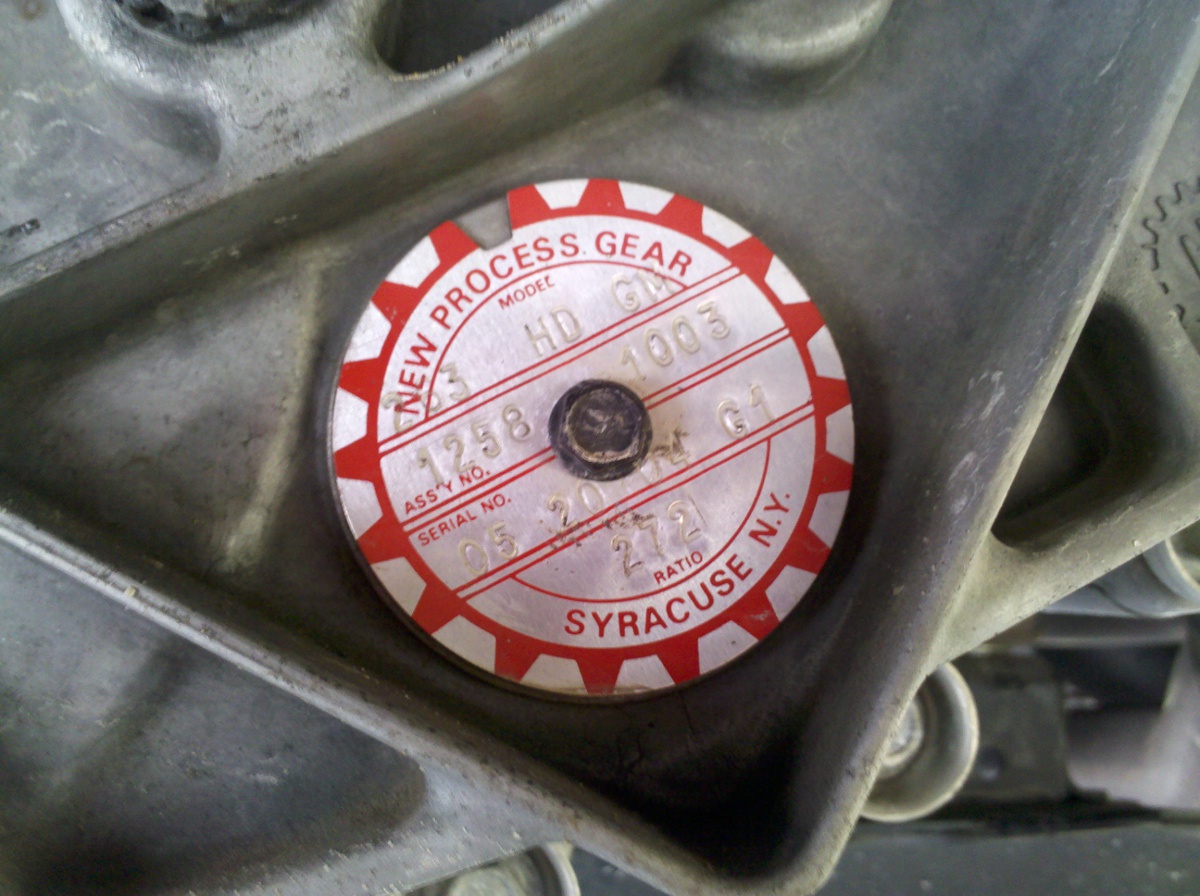
Look for:
- Part numbers: These are usually alphanumeric sequences. They might be stamped directly onto the metal or cast into the housing.
- Model codes: Chevy uses specific model designations for their transfer cases. Think NV4500, NP205, NP203, etc. These are your golden tickets.
Pro tip: If you have a really good light source (a powerful LED flashlight is your friend here) and can get under the vehicle with a mirror, that can help you spot those hidden numbers. Dave was squinting like a mole in a coal mine, but eventually, he found a faint stamp.
The Tag: A Little More Obvious (Sometimes)
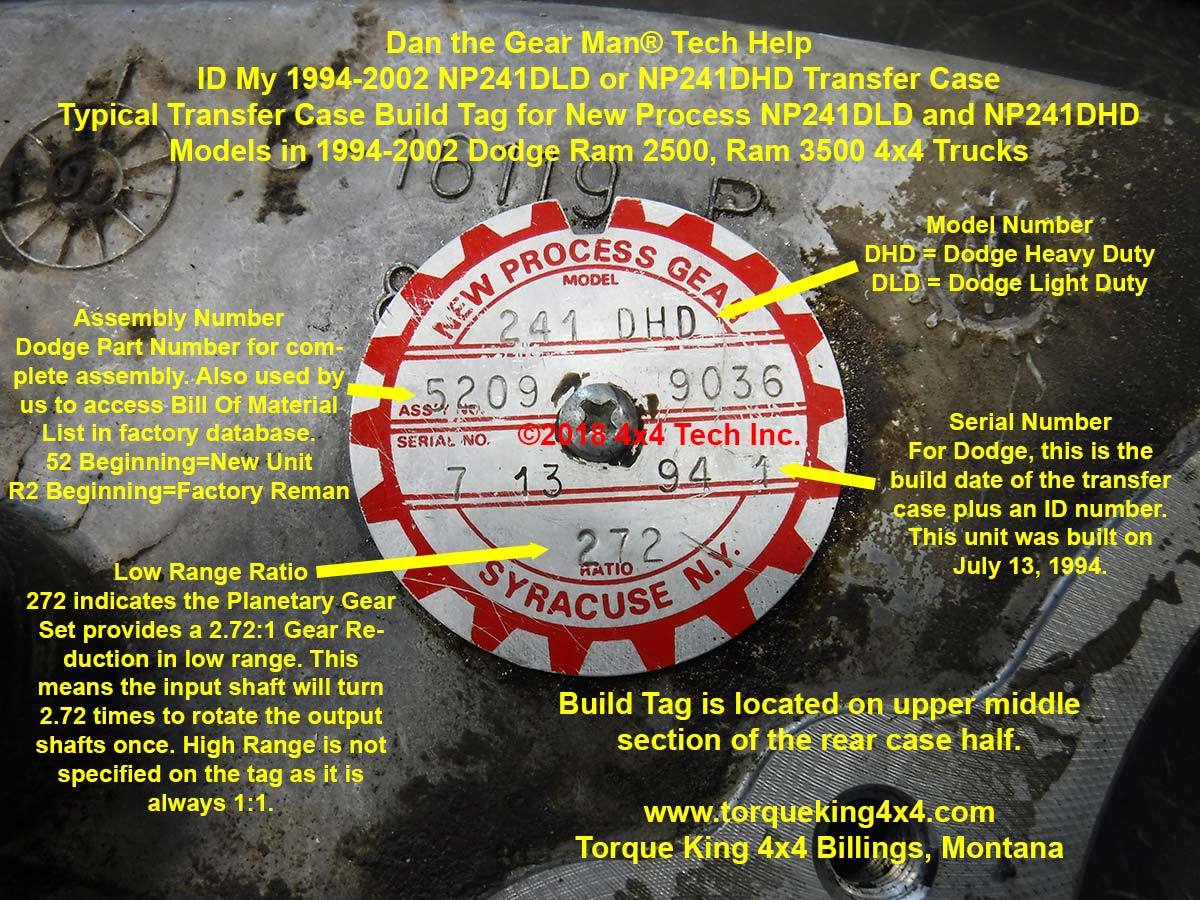
Some transfer cases have a small metal tag bolted or riveted to them. This tag often contains the model number and sometimes even a serial number. These are usually easier to read than stamped numbers, but they can also fall off over time. If you see one, treat it like a precious jewel.
If you find a number, write it down exactly as you see it. Don’t guess. Double-check. Then, you can start your online search.
Decoding the Numbers: The Internet is Your Ally
Once you have those magic numbers, it’s time to hit the internet. This is where the real fun begins. You’re going to be searching forums, parts websites, and maybe even some old service manuals.
Common Chevy Transfer Case Models (The Usual Suspects)
Chevy has used a variety of transfer cases over the years, and some are much more common than others. Knowing these can help you narrow down your search even if the stamps aren’t perfectly clear.
- New Process (NP) Gear Transfer Cases: These are classics. You’ll see a lot of these in older GM trucks.
- NP203: This is a full-time, chain-driven transfer case. Often found in the 70s and early 80s. If yours has a lever that doesn't have a neutral position, it might be a 203.
- NP205: A robust, gear-driven transfer case. Known for its durability. You’ll find these in many 70s and 80s 4x4s. It usually has a three-lever setup (2WD, 4WD High, 4WD Low).
- NP241: This is a popular one, often found in the late 80s and 90s. It’s chain-driven and often has a single lever for 2WD/4WD High/4WD Low, with a separate button for 4WD Low. You might see variations like the 241C (Chevy specific) or 241D (Dodge specific).
- NP231: Another chain-driven unit, common in lighter-duty GM trucks and Jeeps (yeah, they share some parts!).
- New Venture Gear (NV) Transfer Cases: These are generally upgrades from the NP series.
- NV241HD: A beefier version of the NP241, often found in heavier-duty trucks.
- NV261XHD and NV263XHD: These are common in later model heavy-duty trucks (like the Silverado 2500HD and 3500). They are gear-driven and known for their strength.
- NV271: Another heavy-duty, gear-driven unit found in even newer trucks.
- BorgWarner Transfer Cases: You'll see these in some older GM vehicles, especially SUVs.
- BW1345: Often found in early to mid-90s 4x4s.
- BW4470/BW4472: Common in some Blazers and Jimmys.
A quick heads-up: The "NP" and "NV" designations can be confusing because New Process Gear was bought by New Venture Gear. So, you’ll see overlap and people using both terms.
Online Resources: Your Transfer Case Bible
When you google those numbers and model codes, you’ll find a treasure trove of information. Look for:
- Transfer case manufacturer websites: Some, like New Process Gear (even though they're part of NVG), have old product catalogs or diagrams.
- Aftermarket parts suppliers: Websites that sell transfer case parts or rebuild kits will often have detailed compatibility charts. These are invaluable!
- Chevy truck forums: These are goldmines. Other people have been in your exact situation and have probably shared their findings. Search for your truck’s year, model, and any numbers you’ve found.
- YouTube: Believe it or not, there are tons of videos of people identifying and rebuilding various transfer cases. Seeing one in action can be super helpful.
Comparing Specs: The Devil is in the Details
Once you think you’ve found your transfer case model, you need to compare its specs to what you have. Key things to look for:
- Output shaft spline count: This is the number of splines on the shaft that the rear driveshaft connects to. It must match.
- Input shaft spline count: This is the shaft that connects to your transmission. If you’re swapping the whole drivetrain, you might have more flexibility here, but for a direct swap, it’s crucial.
- Clocking and bolt pattern: How does the transfer case orient itself to the transmission? Are the bolt holes in the same place?
- Leverage system: Is it a single lever, dual lever, or electronic shift? This dictates how it will integrate with your dashboard.
- Gear ratios: Especially the low-range ratio. This affects your off-road capability.
Don't just assume because it looks the same that it is the same. These little details can save you a world of headaches.
The Visual Clues: Beyond the Numbers
Sometimes, even with clean numbers, you might still be unsure. Or maybe the numbers are completely gone. In these cases, you have to rely on visual identification.
Size and Shape: The Broad Strokes
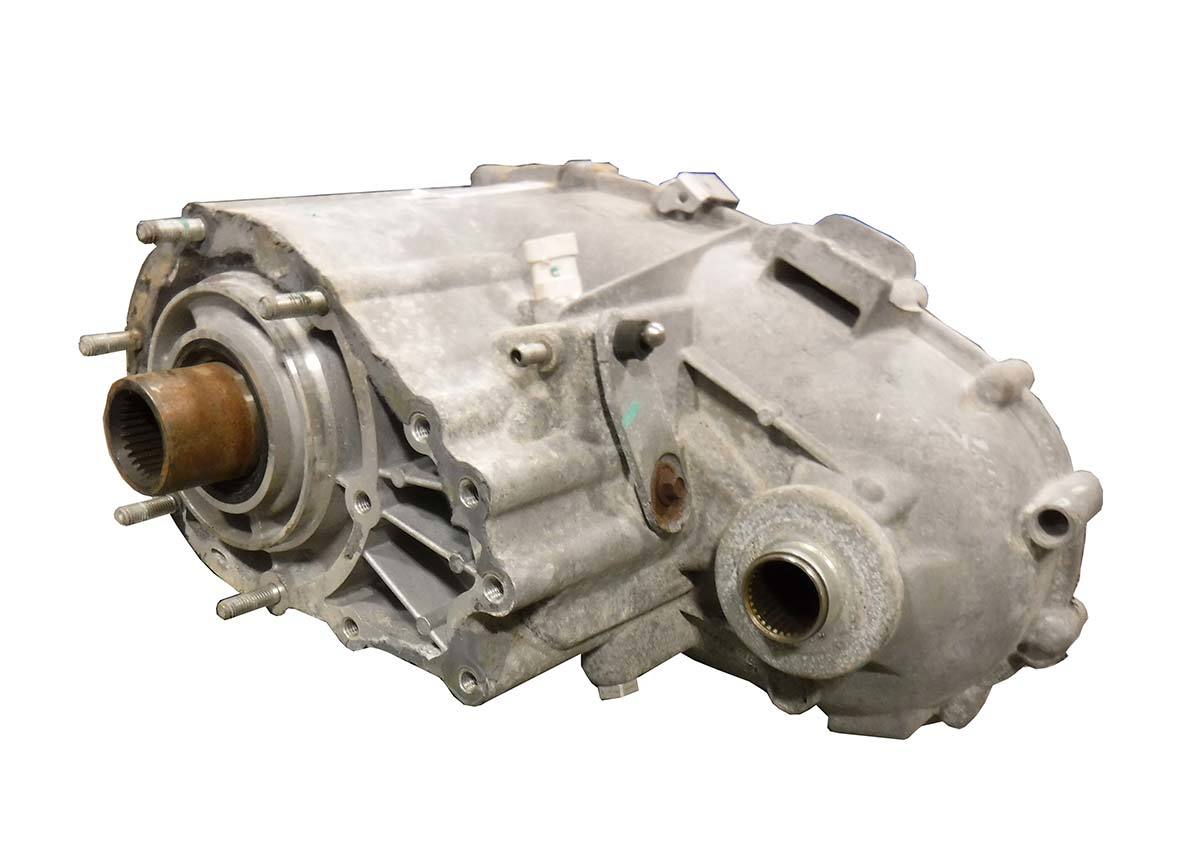
Transfer cases come in different sizes and shapes. A massive, heavy-duty unit won't easily fit where a smaller, lighter-duty one came from.
Compare the overall dimensions and the general shape of your existing transfer case to pictures online. Are there prominent ribs? What’s the general casing material (aluminum or cast iron)?
Output Locations: Where Do the Driveshafts Go?
Look at where the driveshafts connect to the transfer case. Are the front and rear outputs on the same side? Are they inline or offset? This is a big clue.
For example, many NP205s have rear outputs that are inline with the input shaft. Many NP241s have a rear output that's offset.
The Shifter Mechanism: A Tell-Tale Sign
The way you engage 4WD is a significant indicator.
- Single lever: Often indicates a more modern, chain-driven unit like some NP241s or NV241s.
- Two levers: More common on older, gear-driven units like the NP205 or NP203. One lever might control 2WD/4WD High, and the other might control 4WD Low and neutral.
- Push button: This points to an electronic transfer case, like some of the NVG units (e.g., NV246, NV273). These have a transfer case control module (TCCM) that operates them.
Dave’s truck, bless its heart, had a single, clunky lever. This immediately ruled out the fancy electronic ones and the old-school triple-lever setups.
When All Else Fails: Ask the Experts
If you’ve scoured the internet, brushed off every speck of dirt, and still can’t definitively identify your transfer case, it’s time to call in the cavalry.
Local 4x4 Shops: Your Trailhead to Knowledge
Specialty 4x4 shops are often filled with people who have seen and worked on thousands of these things. Take pictures of your transfer case, note down any numbers you think you see, and bring it to them.
They might be able to identify it just by looking at it or by comparing it to their inventory. They can also steer you toward the right parts or compatible upgrades.
Online Communities: More Than Just Memes
I know I mentioned forums already, but I want to emphasize them again. Post pictures of your transfer case in dedicated Chevy truck forums or 4x4 enthusiast groups. Someone there will know what it is. They always do.
Be polite, provide as much context as possible (truck year, model, engine, transmission), and include clear photos from different angles. You’d be surprised how quickly knowledgeable folks will chime in.
Dave's Tale: A Resolution (Sort Of)
So, after a solid afternoon of crawling around in the dirt, armed with a flashlight and a prayer, Dave and I managed to decipher a barely visible stamp on the rear of his transfer case. It read "NP241C". Eureka!
This was a HUGE relief. The NP241C is a fairly common transfer case for that era of Chevy trucks. Now we could finally start looking for a replacement with confidence. We ended up finding a used one from a reputable salvage yard that had been tested. Dave's truck is back on the road (and the trails!), sounding much healthier.
It was a reminder that even the most daunting automotive mysteries can be solved with a bit of patience, a willingness to get dirty, and the collective knowledge of the internet (and some very dedicated gearheads).
Final Thoughts: It’s All About the Journey (and the Oil)
Identifying your Chevy transfer case can feel like cracking a code, but it’s a necessary step for any serious DIYer. Don't be discouraged by the lack of clear markings. With a methodical approach, a good flashlight, and the power of online communities, you’ll be able to figure it out.
And hey, if all else fails, at least you’ll have a great story about the time you spent hours identifying a greasy box of gears. Just remember to wear gloves. And maybe eye protection. And definitely some old clothes you don’t care about. Happy hunting!