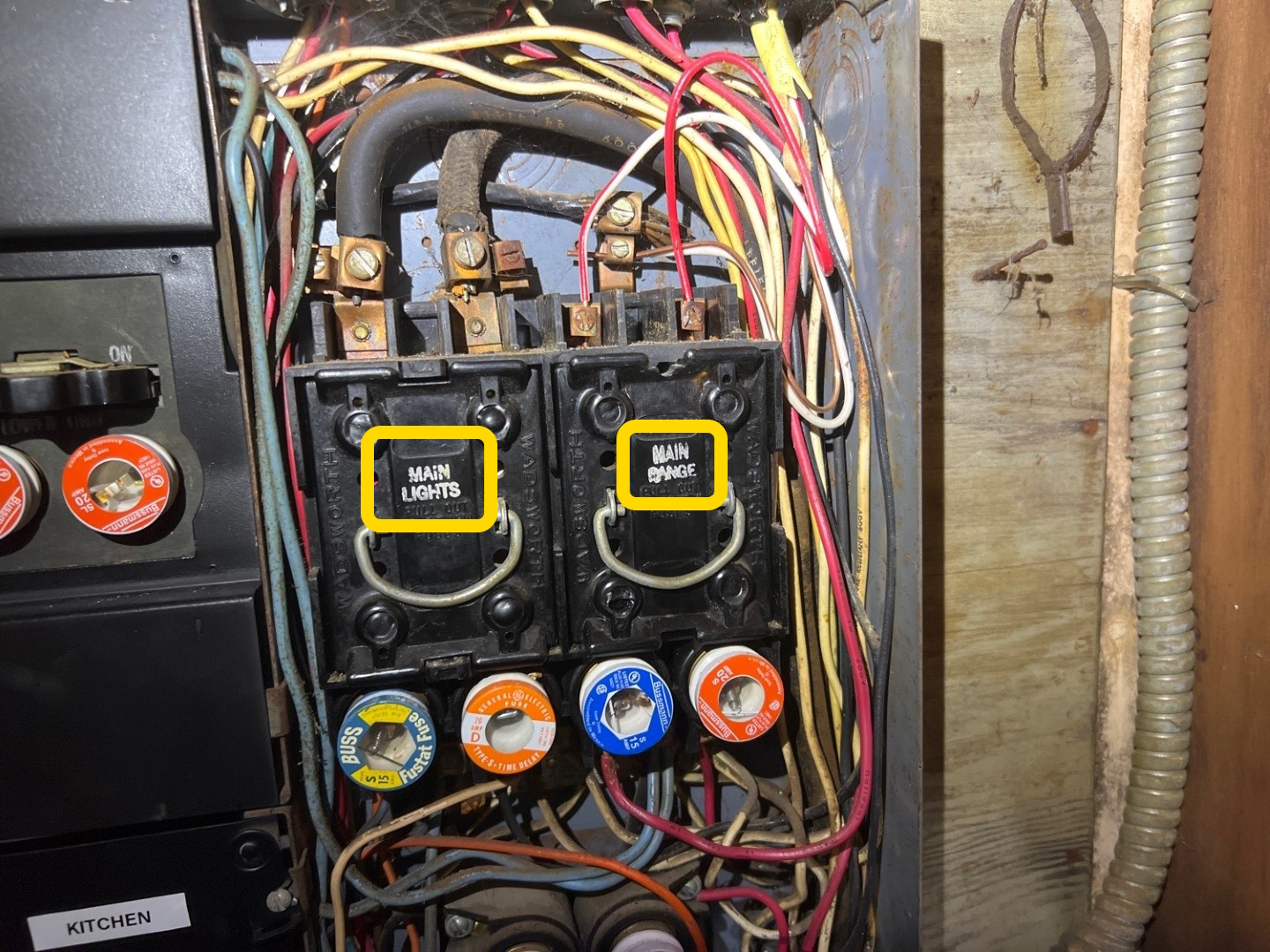
Changing A Fuse In A Fuse Box
So, your lights just went out. Bummer, right? Maybe the TV is dead. Or that one outlet is mysteriously taking a nap. Don't panic! This isn't a ghost. It's probably just a blown fuse. And guess what? You can totally fix this. It’s not rocket science. It’s… fuse box stuff. And honestly? It’s kind of fun.
Think of a fuse box like the tiny, electrical superhero headquarters for your home. It’s got all these little guys, lined up, ready to fight the overload. When things get too crazy, one of them sacrifices itself. A true hero!
Why is this fun to talk about? Because it’s a little bit of DIY magic. You’re not calling an expensive electrician for something so simple. You’re becoming the hero of your own flickering fate! Plus, fuse boxes are kind of cool-looking. They’re like little metal time capsules.
Must Read
Let's dive into this electrical adventure. First things first: safety is numero uno. We don't want any sparks flying where they shouldn't. So, rule number one: never touch anything inside the fuse box when your hands are wet. Seriously. Water and electricity are not besties. They're more like bitter rivals who refuse to be in the same room.
Okay, feeling safe? Good. Now, where is this mystical fuse box? Usually, it’s in a basement, a garage, a hallway closet, or sometimes even behind a little metal door on a wall. It’s not exactly hidden treasure, but it’s not exactly advertised either. It’s more like a quiet, unassuming guardian.
Open it up! Ta-da! Rows and rows of little switches or, if you have an older home, these cool, round things with glass tops. These are your fuses. They look like tiny soldiers standing at attention. Each one protects a different part of your house. Think of them as individual bodyguards for your appliances.
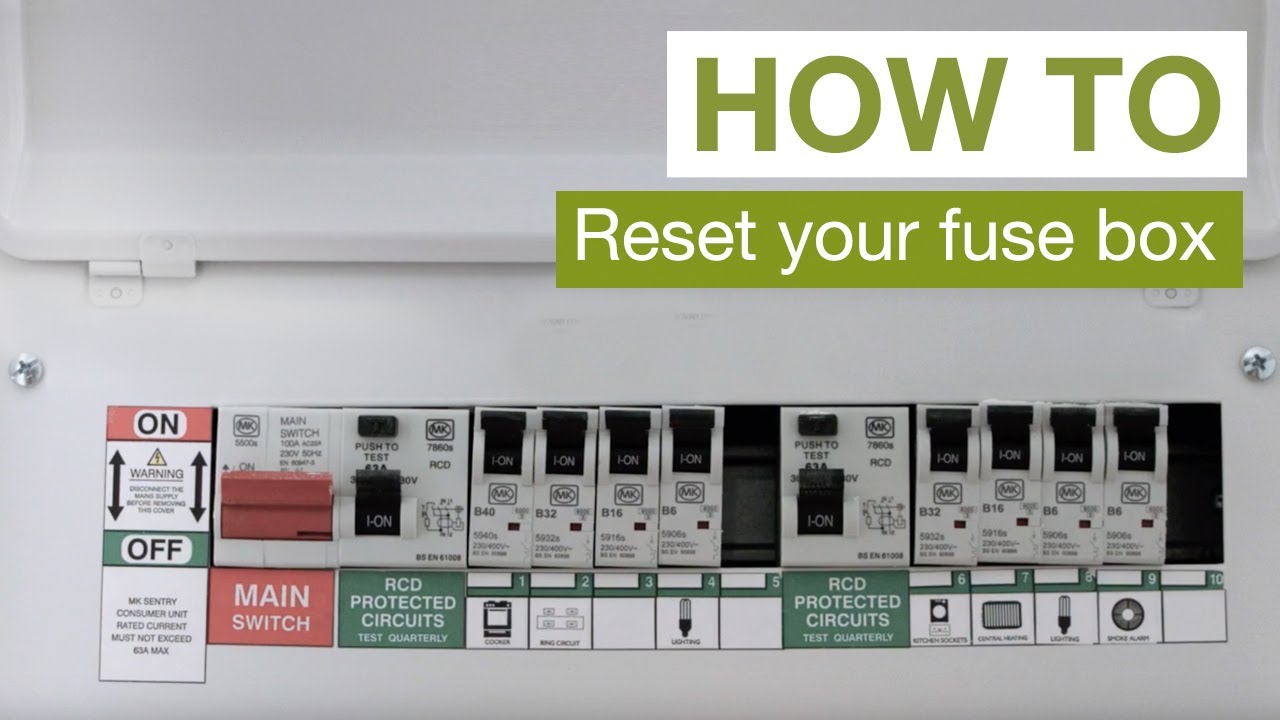
So, how do you know which fuse is the baddie? This is where the fun detective work begins! Often, there’s a little diagram or a list stuck inside the door. It tells you which fuse controls what. "Living Room Lights," "Kitchen Outlets," "The Mysterious Basement Corner." You’re looking for the circuit that’s gone dark. If your whole house is out, well, that’s a bigger mystery, but usually, it’s just one or two things acting up.
What if there's no diagram? Ah, the plot thickens! This is when you get to play electrical Socrates. You can try flipping the switches one by one (if they are switches, more on that later). Or, if you have the old-school round fuses, you might have to do a little visual inspection.
Here's a quirky fact: Old-school fuses have a tiny wire inside. When too much electricity flows, that wire melts. Poof! It breaks the circuit. It's like a tiny, built-in safety net. And you can often see the melted wire if you look closely through the glass. It's a little blackened, a little broken. A fallen hero, indeed.
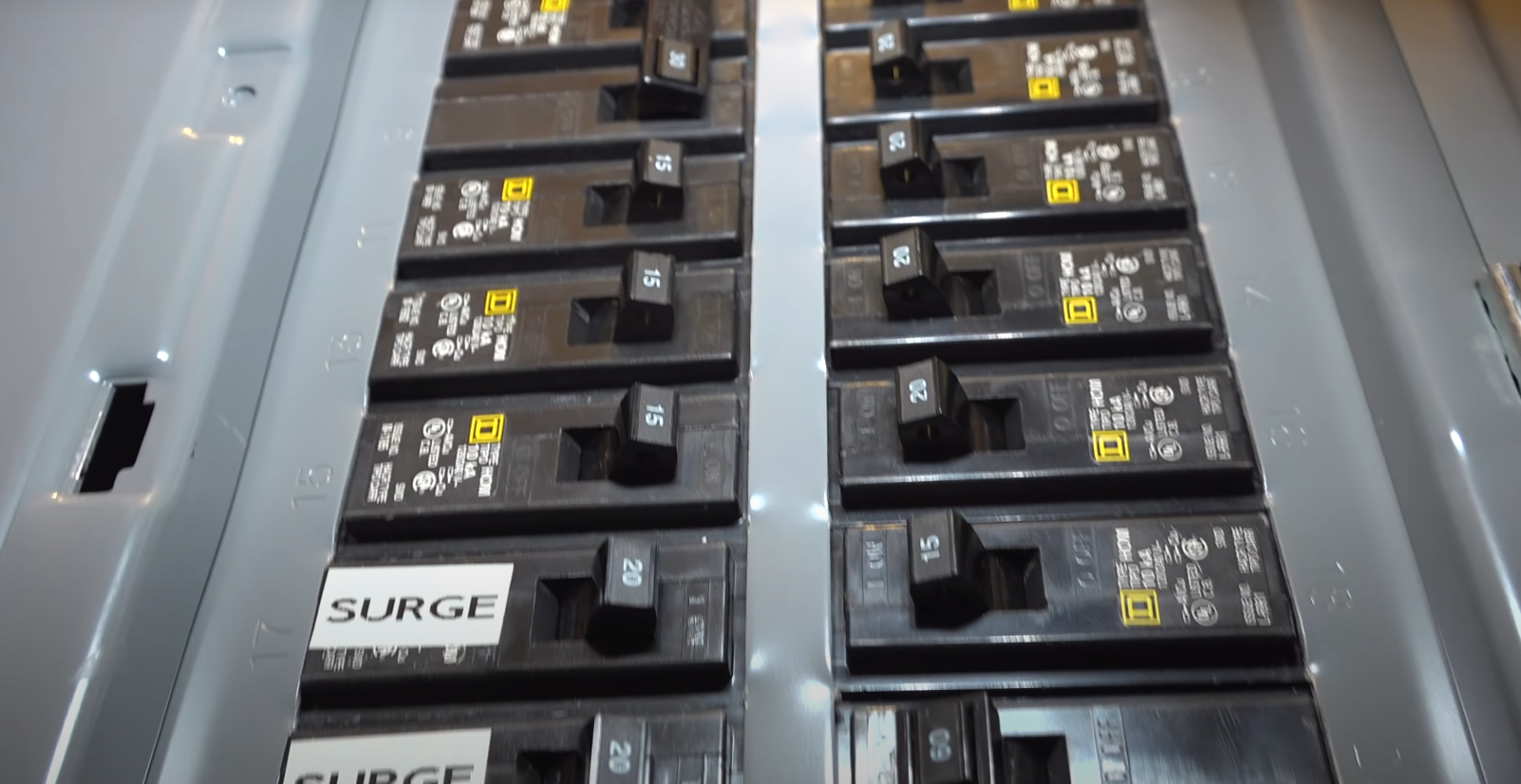
If you have the modern breaker box (which has switches, not round fuses), the process is even simpler. Find the switch that's in the "off" position or in a middle position. Sometimes, they're flipped all the way off. Other times, they're just… confused. Gently flip it back to the "on" position. If it immediately flips back off, you've got a persistent problem. Time for a professional, maybe. But most of the time, a simple flip is all it takes!
Now, for the real fuse-changing action (for those with the round fuses). You need replacement fuses. They come in different amperages (that's like their power limit). You absolutely must replace a fuse with one of the exact same amperage. No bigger, no smaller. It’s like putting a tiny, underqualified bodyguard in charge of a nuclear power plant. Bad idea. Always check the old fuse for its rating.
To remove the old fuse, simply unscrew it. It should come out easily. Give it a little twist, and it’s out! Hold it up to the light. See that broken wire? That's your culprit. You can even hear a tiny rattle if you shake it. It's the sound of electrical defeat!
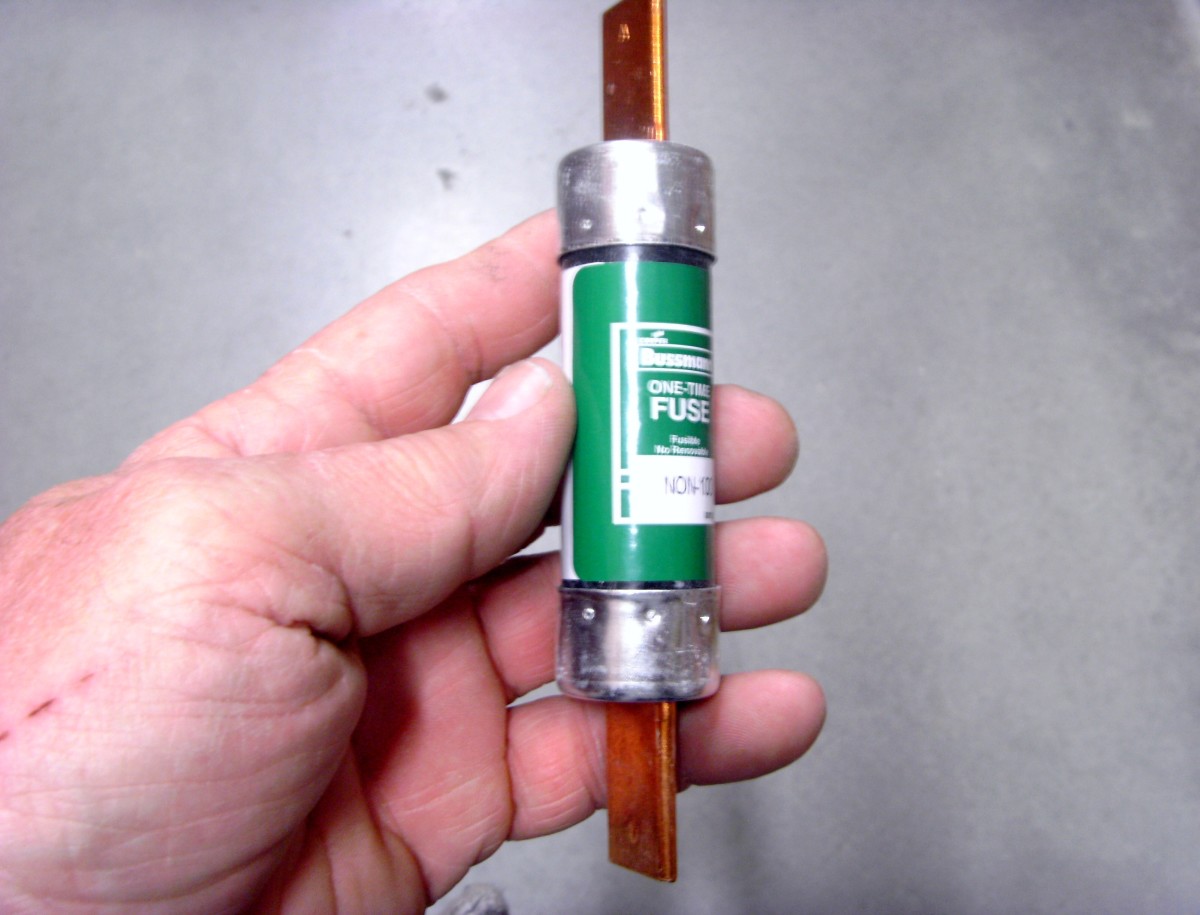
Grab your new, identical fuse. Line it up with the slot. Screw it in. Don't overtighten. Just snug. And then… the moment of truth. Go back to your appliance or light. Flick the switch. Did it work? If yes, cue the triumphant music! You have conquered the electrical beast!
If it doesn't work, or if the new fuse blows immediately, don't get discouraged. That just means there's a bigger issue. Maybe an appliance is faulty, or there's a short circuit somewhere. That’s when you might need to call in the cavalry – a qualified electrician. But hey, you still learned how to change a fuse! That's a win in my book.
Why is this topic so fun to talk about? Because it demystifies something that seems a bit intimidating. It gives you a sense of accomplishment. You're not just passively living in your house; you're actively participating in its well-being. You’re the household electrical guru, even if it’s just for a few minutes.
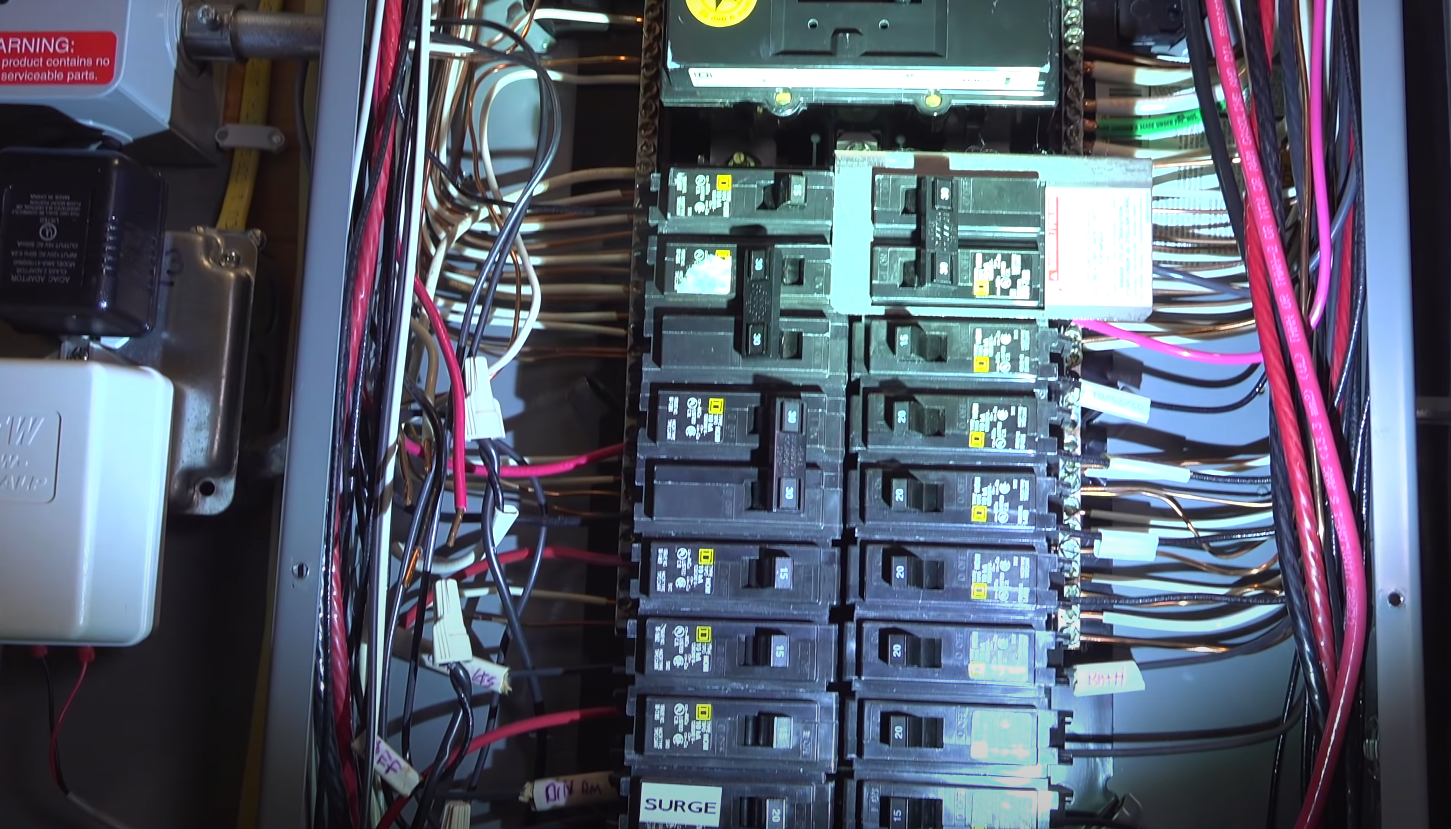
Plus, there’s a certain charm to older fuse boxes. They’re a reminder of how things used to be. They have a mechanical, tangible feel that modern circuit breakers, while efficient, sometimes lack. It’s like comparing a vinyl record to a digital playlist. Both play music, but one has a certain… je ne sais quoi.
Think about it. You're holding a tiny piece of metal that's safeguarding your entire home. It's a small thing, but it has a big job. It’s the unsung hero of your electrical system. And when it does its job, it deserves a little appreciation. And when it fails, you get to be the one to replace it. It’s a whole cycle of electrical heroism!
So next time a fuse blows, don't sigh dramatically. Get a little excited! This is your chance to shine. To be brave. To wield a screwdriver (or just your fingers) and bring light back into the darkness. It’s a simple task, yes, but it’s a small victory. And in a world of complex problems, sometimes the simple victories are the most satisfying. Now go forth and conquer those blown fuses! You got this!