Can You Use Tea Tree On Dogs
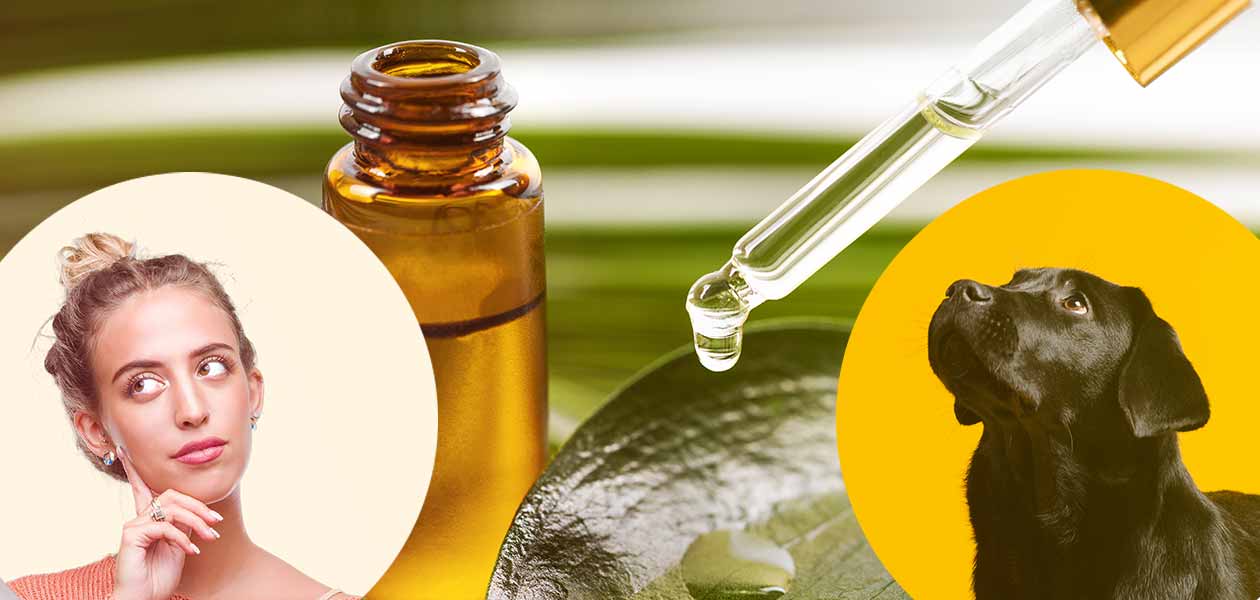
Ah, the wonders of tea tree oil! For many of us, it’s a staple in our natural health and wellness toolkit. Whether it’s a few drops in a diffuser for that invigorating scent, a diluted dab on a pesky zit, or a whispered secret for cleaning, tea tree oil has a way of popping up in conversations about natural remedies. It’s a bit like that reliable friend who’s always there with a solution, isn't it?
But when it comes to our furry companions, a crucial question often arises: can we extend this natural goodness to our canine pals? The short answer is a resounding "it depends, and with extreme caution!" While tea tree oil is celebrated for its potent antiseptic, antifungal, and antibacterial properties, these very same strengths can make it a danger if not handled properly around our beloved dogs.
The primary purpose of tea tree oil in a dog-safe context is usually to address minor skin irritations, such as localized itching, fungal infections like ringworm (under veterinary guidance!), or even to help with the occasional flea bite irritation. When used correctly, diluted, and applied sparingly, it can offer some relief. Think of it as a highly concentrated tool that requires a very gentle hand.
Must Read
However, and this is a biggie, tea tree oil is highly toxic to dogs if ingested. Even topical application can be problematic if your dog licks it off. This is why you'll often hear experts advising against using pure tea tree oil on your dog, or even keeping products containing it within their reach. Common mistakes include applying it undiluted, using too much, or not preventing your dog from licking the treated area. This could lead to symptoms ranging from drooling, vomiting, and diarrhea to more severe neurological issues like staggering, weakness, and even depression. It’s a stark reminder that what’s natural isn’t always safe for every creature.

So, how can we potentially incorporate its benefits (if absolutely necessary and with expert advice) while prioritizing safety? First and foremost, always consult your veterinarian before even considering using tea tree oil on your dog. They can diagnose the issue accurately and recommend safe, effective treatments, which may or may not include highly diluted tea tree oil as part of a larger plan. If your vet gives the green light, ensure you are using a severely diluted solution. We're talking a single drop of tea tree oil mixed into a substantial amount of carrier oil like coconut or olive oil. Apply only a tiny amount to the affected area and immediately distract your dog to prevent licking. A cone collar might be your best friend in this scenario.
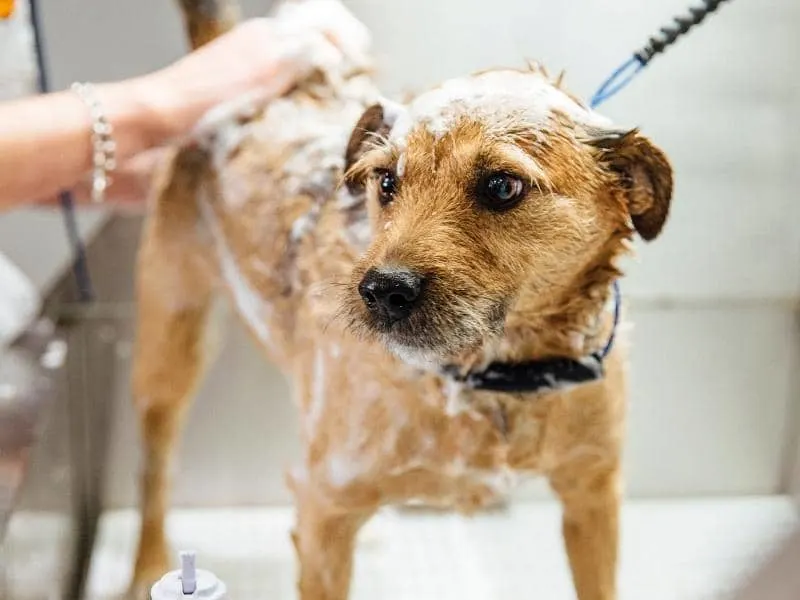
For most everyday needs, there are often safer, dog-specific alternatives. Many veterinary-approved shampoos and topical treatments are formulated with gentler ingredients that achieve similar results without the inherent risks. So, while the allure of a natural remedy like tea tree oil is understandable, when it comes to our canine companions, it’s best to proceed with the utmost caution and always, always put their safety and well-being first, ideally under the guidance of your trusted vet.