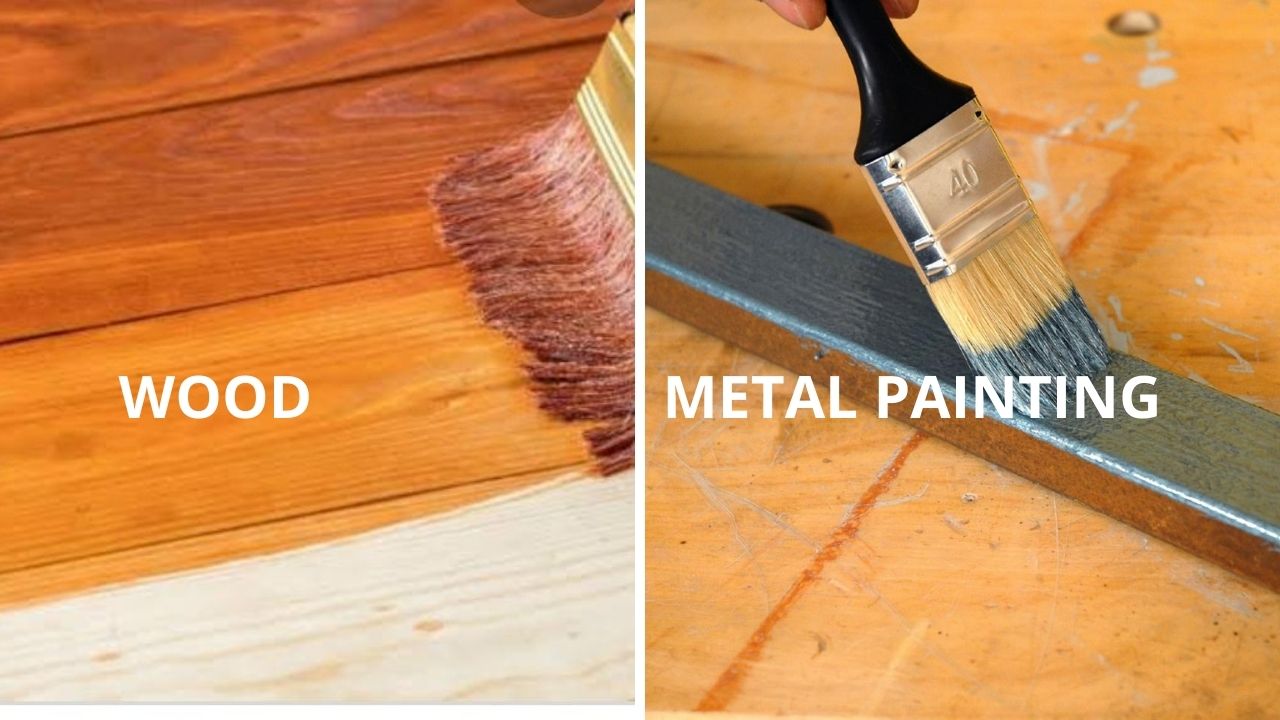
Can You Use Metal Paint On Wood
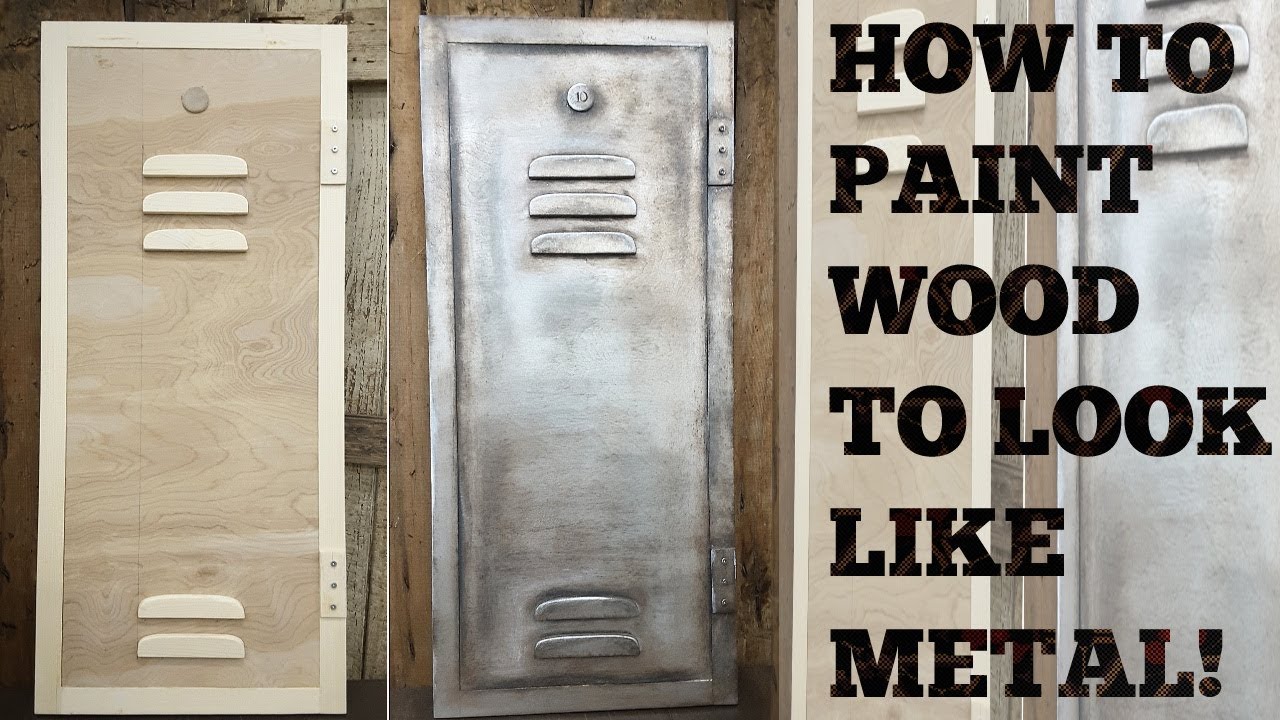
So, you're staring at a cool metal paint. It's got that glint, that sheen. And then you look at your plain old wooden furniture. Or maybe a garden gnome that's seen better days. You start to wonder... can I slap this metallic magic onto wood?
It's a question that pops into the creative mind. It’s a little bit rebellious. A little bit like asking if you can wear socks with sandals (spoiler alert: sometimes you can, but it’s all about the vibe). Let’s dive into the glorious, glittery world of metal paint on wood!
The Short Answer (Don't Skip This!)
Okay, okay, deep breaths. The super short, no-nonsense answer is... mostly, yes! But like most things in life, there's a little bit of a "but." It's not always a straightforward, “slap it on and go” situation. Think of it like dating. You wouldn't just show up for a first date in your pajamas, right? (Unless it's a very specific, very comfy pajama date. You get the idea.)
Must Read
Metal paint is designed for metal. Wood is… well, it's wood. They have different personalities. Different needs. But that doesn't mean they can't learn to get along beautifully!
Why Even Bother? The Allure of the Metallic Glow
Why are we even chatting about this? Because metal paint is FUN! It’s not just about covering up. It’s about adding oomph. It’s about taking something ordinary and making it… extraordinary. Imagine a plain wooden chair suddenly sporting a brushed steel finish. Or a carved wooden box looking like it's forged from ancient gold. It’s pure visual drama!
And let’s be honest, the world can be a bit dull sometimes. A little sparkle, a little shimmer, a little industrial chic? Yes, please. Metal paints offer a whole new palette of textures and finishes that regular paint just can't replicate. Think chrome, copper, bronze, even that cool hammered metal look.
The Quirky Science Bit (Just a Tiny Bit!)
So, why the "mostly"? Metal paints often contain tiny metal flakes. These flakes are what give them their reflective quality. When these flakes lie flat and smooth, they create that metallic sheen. Wood, on the other hand, is porous. It's got grain. It’s not as smooth a canvas as metal.

If you just slapped a thin coat of metal paint on raw, untreated wood, those metal flakes might not arrange themselves perfectly. They might sink into the wood’s texture, or the wood’s grain might show through in a way you don’t love. It could look a bit… meh. Not the dazzling effect you were hoping for.
The Secret Sauce: Preparation is Key!
This is where the magic really happens. If you want your wooden piece to look like it was born with a metallic finish, you've got to do a little prep work. Think of it as giving your wood a spa day before its big makeover.
Step 1: Clean it Up! Make sure your wood is spotless. Dust, grease, old polish – all that gunk needs to go. A good wipe-down with a damp cloth is usually enough. If it's really grimy, you might need a mild detergent. We want a clean slate, people!
Step 2: Sanding, Sanding, Sanding! This is your best friend. Sanding smooths out the wood. It removes any rough spots or old finishes. It also creates a slightly tacky surface that paint loves to cling to. Start with a medium-grit sandpaper and finish with a fine-grit one for that super-smooth feel. You’re aiming for a surface so smooth, you’d want to… well, paint it with metal!
Step 3: Prime Time! Ah, the primer. This is the unsung hero of any paint job. For wood, you want a good quality primer. Some primers are specifically designed for wood, filling in the grain and creating a uniform surface. This is crucial for getting that even metal flake distribution. It’s like laying down a perfect, invisible foundation for your metallic masterpiece.

You might even consider a specialty primer if you’re going for a very specific metallic effect. Some people use a dark primer for dark metals like oil-rubbed bronze, or a lighter primer for silvers and golds. Experimentation is part of the fun!
Choosing Your Metal Paint: What’s Your Vibe?
Now for the fun part: picking your metallic hue! Metal paints come in a wild array of finishes.
- Metallic Acrylics: These are water-based. Super easy to clean up. Great for smaller projects and crafts. They often have a nice shimmer but might not have the same deep, reflective quality as some other types.
- Enamel Metal Paints: These are tougher. More durable. Often used for furniture and things that get handled a lot. They can be oil-based or water-based.
- Spray Paints with Metallic Finishes: Oh, these are so satisfying! They coat evenly and quickly. Perfect for getting into all the nooks and crannies of a project. Just remember to spray in a well-ventilated area – you don't want to accidentally turn your lungs into a disco ball!
- Specialty Metallic Finishes: Think iridescent paints that shift color, or paints that mimic specific metals like mercury or brushed aluminum. These are for the truly adventurous!
Don't be afraid to mix and match! Maybe a base coat of one metal, and then dry brushing another on top for depth. The possibilities are as endless as a Pinterest board dedicated to DIY transformations.
Application Techniques: Get Your Art On!
Once your wood is prepped and primed, and you’ve got your chosen metal paint, it’s time to paint! Don't just slap it on like regular paint. Think about how those metal flakes are going to behave.

Brushing: If you’re using a brush, paint in one direction for a smoother, more uniform finish. Try to avoid going back and forth too much, as this can create streaky patterns that might not look as intended with metal flakes. Some people even use a foam roller for a super smooth, even coat.
Spraying: This is often the easiest way to get an even metallic finish. Hold the can about 8-12 inches away from the surface and use smooth, sweeping motions. Apply multiple thin coats rather than one thick one. This allows the metal flakes to settle evenly.
Don’t forget the topcoat! For extra durability and to protect that beautiful metallic shine, apply a clear sealant or varnish. This will also help to seal in those metal flakes and prevent them from rubbing off.
When to Be Cautious (The "Uh Oh" Moments)
While it's generally a go, there are a few times you might want to pump the brakes or rethink your strategy.
Raw, Untreated Wood with Deep Grain: If you're working with something like rough-sawn lumber or heavily grained oak and you want a super-smooth, mirror-like finish, it might be a real challenge. The grain might always show through, giving it a textured metallic look, which might be what you want! But if you’re aiming for flawless chrome, you might need extra primer or even a wood filler.

Very Delicate or Intricate Wood Carvings: While metal paint can make carvings pop, applying it to very fragile pieces might be tricky. You don't want to damage the wood with too much handling or heavy coats.
High-Moisture Environments: Some metal paints, especially those with actual metal particles, might be prone to oxidizing or reacting over time in very humid conditions, similar to how real metal can tarnish. A good sealant is your best defense here.
The Fun Part: What Can You Paint?!
This is where your imagination runs wild!
- Furniture: Chairs, tables, dressers, headboards. Imagine a faux-copper side table!
- Decorative Items: Picture frames, mirrors, vases, decorative boxes.
- Craft Projects: Birdhouses, wooden signs, picture frames, garden gnomes! (Yes, the garden gnome deserves some metallic love!)
- Architectural Accents: Wooden trim, accent pieces on cabinets.
- Kids' Toys (with caution): Wooden blocks, toy chests. Ensure the paint is non-toxic and sealed well!
Think about the story you want your piece to tell. Does it want to look like it belongs in a steampunk workshop? A futuristic art gallery? A decadent art deco lounge? Metal paint is your tool for creating that narrative.
So, the next time you see a can of shimmering metal paint, don’t just walk on by. Think about that humble wooden object waiting for its metallic glow-up. With a little preparation, a dash of creativity, and a whole lot of enthusiasm, you can absolutely bring that metallic magic to life. Go forth and paint something spectacular!