Can You Repair A Run Flat Tire
So, picture this: you're cruising down the highway, windows down, singing along to some questionable 80s power ballad, when suddenly – Psssssst. A sound that’s about as welcome as a tax audit on a Friday afternoon. You know what that is, right? That’s the sound of your tire having a full-blown existential crisis. And if you’re one of the fancy pants who opted for run-flat tires, your crisis just got a whole lot more… interesting.
Now, the million-dollar question, the one that keeps tire shops in business and mechanics scratching their heads: Can you actually repair a run-flat tire? It's a bit like asking if you can mend a perfectly good pair of jeans after you’ve bravely wrestled a bear. The answer, like most things in life, is a resounding… it depends.
Let’s talk about what makes these run-flats so special, shall we? They’re not your grandma’s tires, folks. These bad boys have beefier sidewalls, like they’ve been hitting the gym religiously. This means when they get a puncture, instead of going all floppy and sad like a deflated party balloon, they can actually keep rolling for a decent distance – usually around 50 miles at a reduced speed (think brisk walking pace, not Usain Bolt). It’s like they’ve got a secret superpower, allowing them to escape the clutches of certain doom and find a safe haven… or at least the nearest tire repair place.
Must Read
But here’s where things get a tad sticky. That reinforced sidewall, while heroic in a pinch, is also the reason why repairing them is a bit of a gamble. Most traditional tire repair methods involve inserting a plug or patch from the outside or inside of the tire. Think of it like putting a Band-Aid on a boo-boo. Simple, effective, and usually works a treat on regular tires.
However, with run-flats, that super-strong sidewall can hide a multitude of sins. A puncture that might be a minor inconvenience on a standard tire could have caused some serious internal trauma to a run-flat. The reinforced structure can actually trap debris, leading to more extensive damage that isn’t always visible to the naked eye. Imagine a tiny ninja star piercing a Kevlar vest – the vest might look okay from the outside, but the internal damage could be catastrophic.

So, the official stance from most tire manufacturers and repair shops is a big, fat NO. They’ll look at your run-flat, give it a stern lecture about its heroic but ultimately fatal self-sacrifice, and then gently suggest you buy a brand new one. It’s a bit like taking your favorite, albeit slightly singed, teddy bear to a tailor and being told, "Sorry, but this bear has seen too much. We're going to have to replace it with a brand new, slightly less-loved teddy."
Why the blanket ban on repairs?
It boils down to safety, my friends. Run-flat tires are designed to keep you moving after a puncture, preventing you from being stranded on the side of a dark, spooky road. If a repaired run-flat were to fail unexpectedly, that safety net disappears. And nobody wants their car to decide, mid-highway, that it’s had enough of this whole ‘driving’ thing.

Plus, there’s the cost factor. Run-flat tires are significantly more expensive than their regular counterparts. So, while a repair might seem like a good idea to save a few bucks, the potential for a catastrophic failure and a much larger bill (think tow truck, replacement tire, and maybe even a new car if things go really south) makes it a risky proposition.
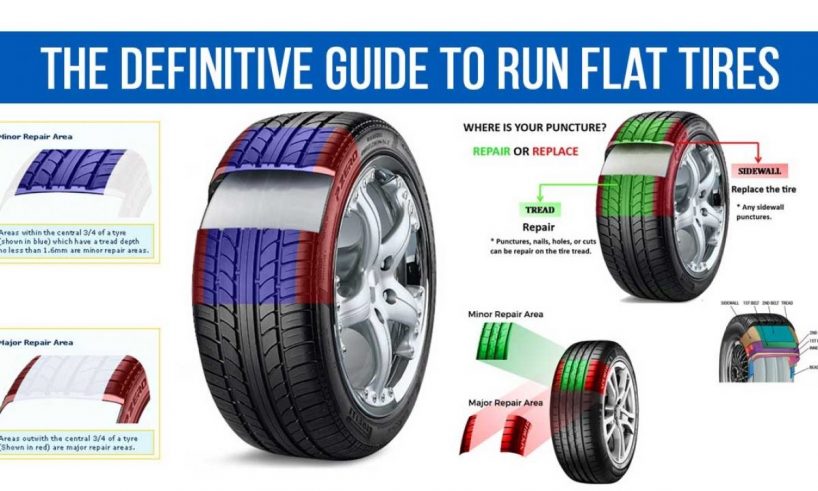
But here’s where things get a little more… whispered… in the back alleys of the tire world. There are some brave souls, some tire whisperers, who will attempt a repair on a run-flat. They’ll perform a more thorough inspection, often dismounting the tire to examine the inner lining for any signs of distress. If the puncture is small, clean, and located in the tread area (that’s the part that actually touches the road, not the silly rubber bits on the side), and if there’s no evidence of sidewall damage or excessive heat buildup, they might give it a go.
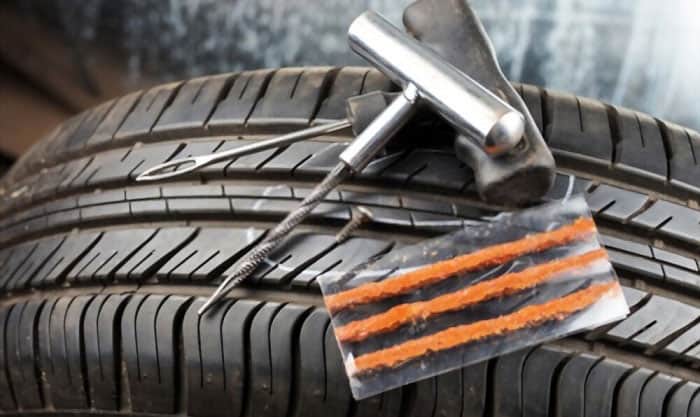
What’s the secret sauce they use?
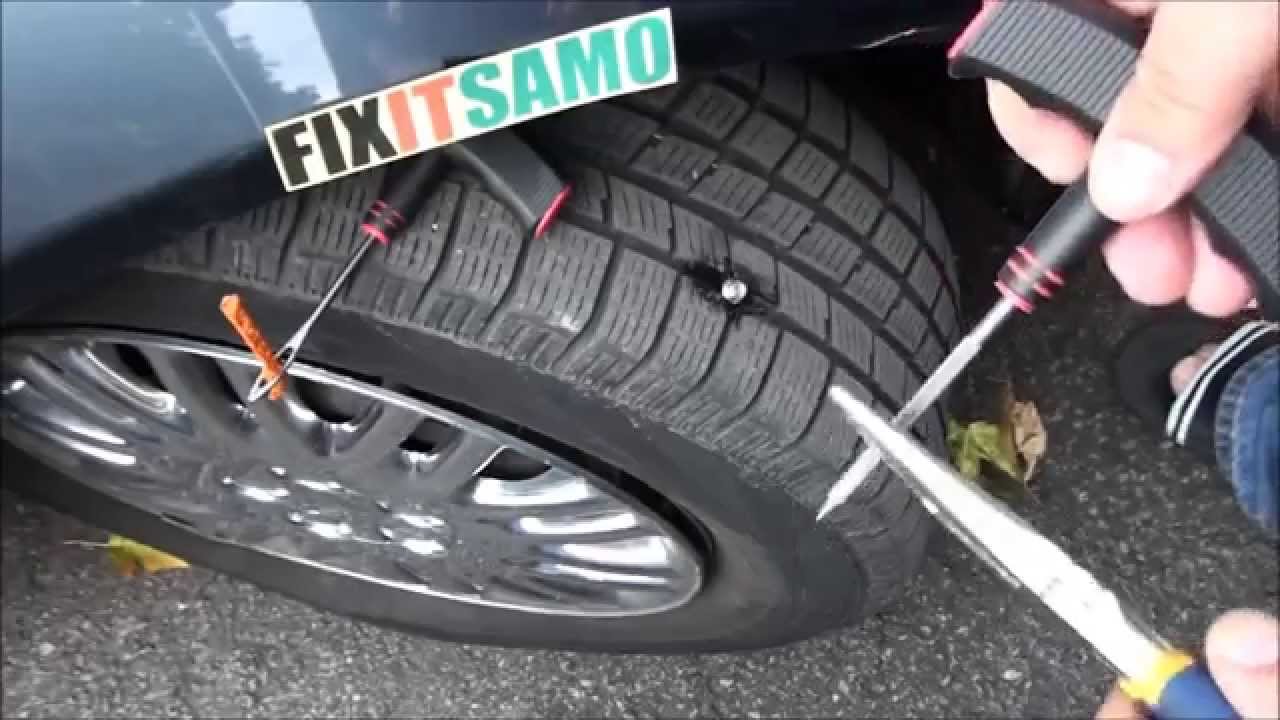
It’s usually a combination of a high-quality patch and a plug. Think of it as a two-pronged attack. The plug seals the hole from the outside, while the patch reinforces the damage from the inside. It’s a bit like giving your tire a superhero cape and a bulletproof vest, all at once. They’re basically performing a minor surgery on your rubber friend.
However, and this is a BIG however, even if a repair is successful, it’s often accompanied by a disclaimer that’s longer than a politician’s speech. You might get a warning that the tire’s load-carrying capacity or speed rating could be compromised. Basically, they’re saying, "Good luck! We did our best, but don't go drag racing or hauling a herd of elephants with this thing."

And let’s not forget the sheer physical exertion involved. You think changing a regular tire is a workout? Try wrestling a run-flat. They’re heavier, stiffer, and generally more uncooperative than a toddler demanding a second cookie. Imagine trying to fold a yoga mat that’s made of solid lead – that’s the kind of struggle we’re talking about.
So, to sum it up, while the official word is usually "no," there are situations where a run-flat tire might be repairable. It depends heavily on the nature of the puncture, the specific tire manufacturer's guidelines, and the skill and willingness of the tire technician. It’s like trying to convince a cat to wear a tiny hat – sometimes it works, and sometimes it ends in a flurry of claws and existential dread.
My personal advice? If you’re rocking those run-flats, treat them with respect. Drive carefully, avoid potholes that look like they could swallow a small badger, and when the inevitable happens, call your local tire shop. Be prepared for them to recommend a replacement, but it never hurts to ask if they can take a peek. Just remember, your safety is paramount, and sometimes, the best repair is a brand new tire, even if it means saying goodbye to your trusty, albeit slightly injured, rubber steed. Now, who’s up for a coffee and a philosophical discussion about the resilience of rubber?