Can You Put Red Wine In Fridge
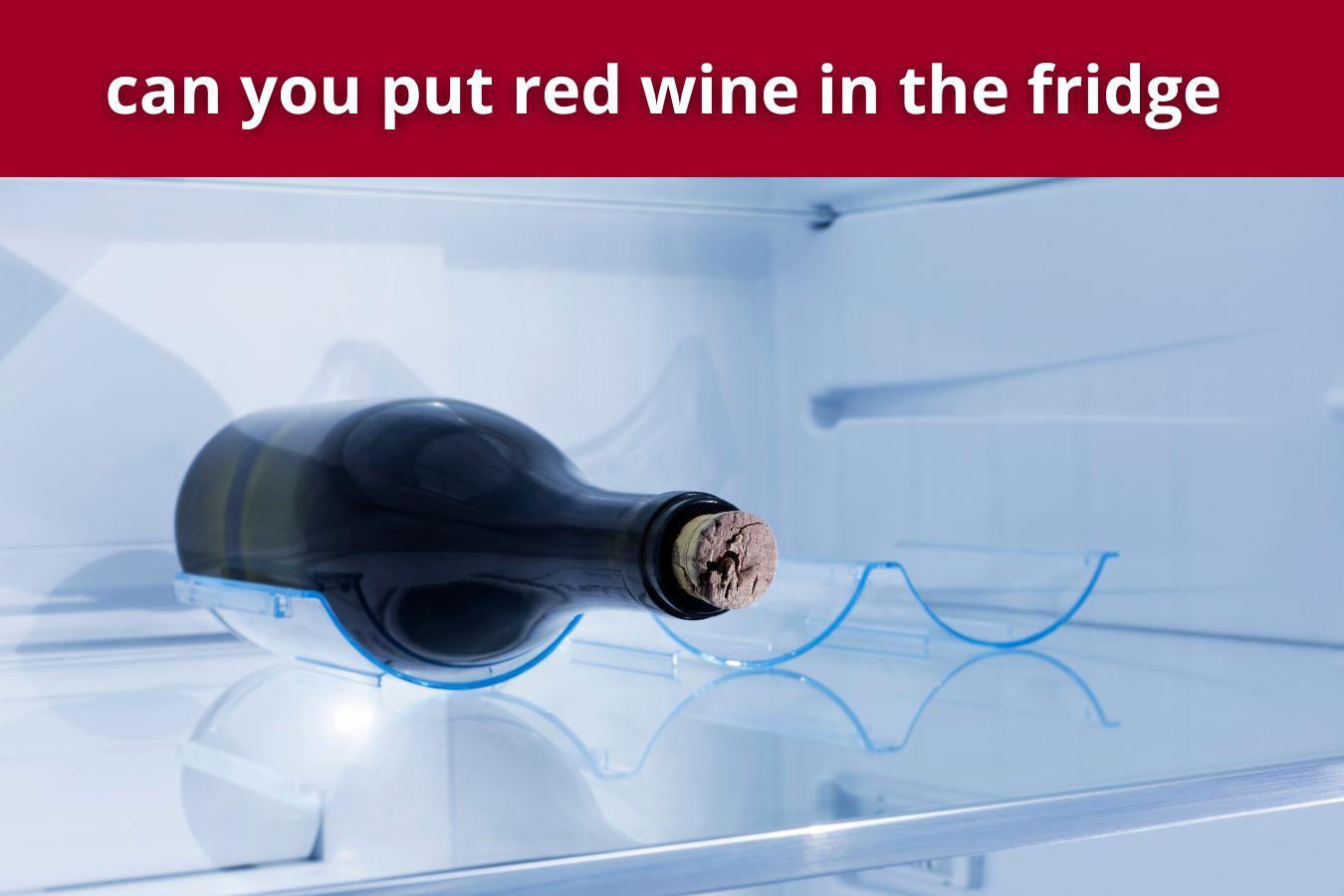
You know, the other evening, I was staring into my fridge, a familiar ritual. The light flickered on, illuminating a landscape of Tupperware containers and half-eaten yogurts. Tucked away on the top shelf, nestled amongst a rogue lemon and a jar of olives I’d forgotten about, sat a bottle of pretty decent Merlot. It had been opened a couple of days ago, and I was wondering… can this stuff really handle the chill? My fridge, a frosty kingdom of culinary possibilities and forgotten leftovers, seemed to be beckoning it. But then, the voice of wine wisdom (or maybe just my own ingrained habits) whispered, “Hold up, is that… right?”
And that, my friends, is how we find ourselves here, on a quest to demystify the chilly fate of red wine. We’ve all been there, right? You pop open a bottle, enjoy a glass or two, and then the remaining vino faces an existential crisis. Does it go back on the counter to warm up and potentially turn to vinegar? Or does it bravely venture into the frosty unknown of the refrigerator? Let’s dive in and see what’s what.
The Great Red Wine Fridge Debate: A Cold, Hard Look
So, the big question: Can you put red wine in the fridge? The short, slightly unsatisfying answer is: Yes, you can. But the real question is, should you? And if so, for how long and under what circumstances? It's not quite as simple as a resounding "yes" or a horrified "no." Think of it like this: you can wear socks with sandals, but is it always the best look? Probably not.
Must Read
Let’s break down the science and the sanity behind this. When we talk about chilling red wine, we’re not talking about serving a robust Cabernet at ice-cold temperatures. That would be a crime against humanity, or at least against good taste. We’re usually talking about a slight chill, especially for certain styles of red, or for preserving an opened bottle.
Why the Hesitation? The "Room Temperature" Myth
For ages, the mantra has been "serve red wine at room temperature." And while that's a decent starting point, the reality is a bit more nuanced. What exactly is "room temperature"? In the days when this advice originated, rooms were probably a lot cooler than our modern, climate-controlled homes. So, what was once a pleasant temperature might now be downright stuffy and warm for your Pinot Noir.
Serving a red wine too warm can make the alcohol notes more prominent, leading to a harsh, flabby taste. Nobody wants that. On the other hand, serving it too cold can mute its delicate aromas and flavors, making it taste thin and uninteresting. It’s a delicate balance, like trying to walk a tightrope while juggling flaming torches. Fun, but requires skill!
Opened Red Wine: The Fridge is Your Friend (Mostly)
Now, let’s get practical. You’ve opened a bottle of red wine. You’ve savored it. And now, there’s about half left. What’s the best course of action to prevent it from going south?
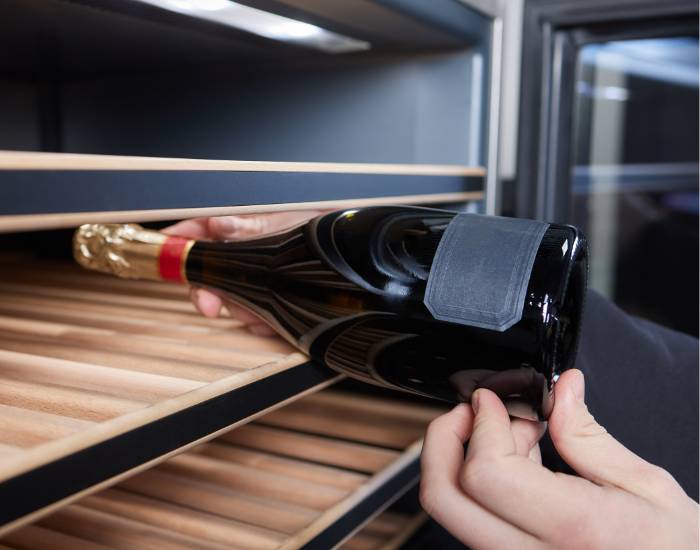
The fridge is generally your best bet for preserving an opened bottle of red wine. Why? Because refrigeration slows down the oxidation process. Wine, once exposed to air, begins to oxidize, which is essentially its way of slowly turning into vinegar. Cold temperatures significantly decelerate this chemical reaction. So, by popping that bottle back into the fridge, you’re giving your wine a fighting chance at survival.
A few pointers for this fridge mission:
- Seal it up tight! Make sure the cork is pushed back in firmly, or better yet, use a dedicated wine stopper. The less air that gets in, the better.
- Keep it upright. Unlike an unopened bottle, an opened bottle should be stored upright in the fridge. This minimizes the surface area of the wine exposed to the air inside the bottle.
- Don't expect miracles. Even in the fridge, wine will continue to evolve. We're talking about extending its life for a few days, not indefinitely.
Think of your fridge as a temporary spa for your wine, giving it a chance to relax and slow down. But it's not a retirement home where it can live forever.
How Long Can Opened Red Wine Last in the Fridge?
This is where things get a little fuzzy. It depends on the wine, how much is left, and how well it was sealed. But as a general guideline:
- Light-bodied reds (like Beaujolais or some Pinots): Usually good for 3-5 days.
- Medium to full-bodied reds (like Merlot, Cabernet Sauvignon, Syrah): Can last a bit longer, maybe 4-6 days.
- Fortified reds (like Port or Sherry): These have higher alcohol content and can last much longer, often weeks.
Of course, these are estimates. Your best bet is to use your senses. Does it smell off? Does it taste vinegary? If the answer is yes, it’s probably time to say goodbye. Don’t be afraid to give it a sniff and a tentative taste. It’s better to be safe than sorry (and certainly better than drinking something that tastes like regret).
Serving Red Wine from the Fridge: The "Slightly Chilled" Approach
Okay, so you’ve bravely stashed your opened red wine in the fridge. Now, it’s time for another glass. You pull it out, and it’s probably colder than you’d like. This is where the "serving temperature" comes back into play. Most red wines benefit from a slight chill, but not to refrigerator temperature.
For many reds, a temperature between 55°F and 65°F (13°C to 18°C) is ideal. Your fridge is likely set much colder than that, usually around 40°F (4°C). So, you’ll need to let your wine warm up a bit before enjoying it.
How to achieve the perfect serving temp:
- Take it out in advance: The easiest way is to pull the bottle out of the fridge about 20-30 minutes before you plan to serve it. This gives it time to reach a more desirable temperature.
- The "quick chill" method: If you’re in a hurry, you can plunge the bottle into an ice bath (a bucket filled with ice and water) for about 10-15 minutes. Just don't forget about it!
- The decanter trick: Decanting can help speed up the warming process as well, as it aerates the wine and exposes it to more ambient air.
Experimentation is key here! You’ll learn what works best for different types of red wine and your personal preferences. Some people are super sensitive to temperature, while others are more laid back. It’s all about finding your happy place. And hey, if you like your Malbec a little cooler, who am I to judge? You do you!
Are There Any Reds That Should Be Chilled?
Yes! Not all red wines are created equal, and some absolutely thrive with a bit more chill. Think about lighter-bodied, fruit-forward reds. These wines often have brighter acidity and can feel more refreshing when served slightly cooler.

Examples include:
- Beaujolais (especially Beaujolais Nouveau or Crus like Morgon or Fleurie)
- Pinot Noir (particularly those that are lighter and fruitier)
- Gamay
- Valpolicella
- Lambrusco (yes, this is often red and bubbly and definitely benefits from chilling!)
For these types of wines, serving them at around 50°F to 55°F (10°C to 13°C) can really bring out their best qualities. It makes them more vibrant and quaffable, especially on a warmer day. So, don't be afraid to experiment with a little chill for these lighter reds!
Unopened Red Wine: The Fridge is Usually a No-Go
Now, what about that unopened bottle? The one you're saving for a special occasion, or the one you bought on a whim and have no immediate plans for?
For unopened bottles of red wine, the general consensus is to avoid the refrigerator. Here's why:
- Cork drying: If you store an unopened bottle on its side in a dry refrigerator for a prolonged period, the cork can dry out. A dry cork can shrink, allowing air to seep into the bottle and spoil the wine. This is why unopened bottles are typically stored on their sides – to keep the cork moist.
- Temperature fluctuations: While consistent cold is one thing, the frequent opening and closing of a fridge door can cause temperature fluctuations. These ups and downs can stress the wine and affect its aging process.
- Odor absorption: Refrigerators can sometimes retain odors from food. While a well-sealed wine bottle is pretty good at keeping these out, there's always a slight risk of subtle flavor contamination over very long periods, especially if the seal isn't perfect.
The ideal storage for unopened red wine is a cool, dark, and humid place with a stable temperature. A wine cellar is the dream, but a cool, dark cupboard or basement can also work. Consistency is key!
When Might You Refrigerate an Unopened Red Wine?
There are a couple of exceptions to the "no fridge for unopened reds" rule:
- Short-term chilling for serving: If you have a red wine that you intend to serve slightly chilled (like the lighter reds we discussed) and you need to chill it quickly before a meal, putting the unopened bottle in the fridge for a limited time (say, 30-60 minutes) is perfectly fine. Just remember to take it out well before serving.
- Very hot climates and temporary storage: If you live in a region with extremely high temperatures and have no other cool, stable storage options, refrigerating unopened bottles temporarily might be better than letting them bake. However, this is a last resort and not ideal for long-term aging.
But for the vast majority of unopened red wine, especially if you plan to age it, the fridge is not your friend.
The Verdict: A Nuanced Relationship with the Chilly Box
So, where does this leave us? Can you put red wine in the fridge? Yes, for opened bottles, to preserve them. And yes, for serving certain lighter styles of red or for briefly chilling any red before serving. But generally, no, for long-term storage of unopened bottles.
It’s all about context and intention. Think of your fridge as a helpful tool, but not a universal solution for all your wine needs. The best approach is to understand why you’re doing it and what the potential consequences are. And as always, trust your palate. If a wine tastes good to you, then you’re probably doing it right!
The next time you’re staring at that half-empty bottle of red, you can confidently make an informed decision. Fridge it to save it, but let it breathe before you drink it. And for those unopened treasures, give them a cool, dark, stable home that isn’t the frosty confines of your refrigerator. Happy sipping!