Can You Put Ash On Compost Heap
So, you've been doing a spot of gardening, haven't you? Maybe you've had a little backyard bonfire, or perhaps you've been burning some old papers (which, let's be honest, can be quite cathartic, right?). And now you're staring at that pile of grey, powdery stuff – ash. You're thinking, "Can this stuff actually go on my compost heap?" It's a question that pops into many a gardener's mind, isn't it? Like, is it a magical compost booster or a surefire way to kill your worms? Let's dive in, shall we?
The short answer, and I know you're all eager for it, is a resounding yes, with a few important caveats. Think of it like adding a secret ingredient to your favorite recipe. Too much, and it can go a bit weird. Just right, and chef's kiss!
So, what kind of ash are we even talking about here? This is crucial, folks. We're not talking about the ashes from your fireplace that's been burning treated wood, or anything that's been doused in lighter fluid. Nope, nope, and nope. Those are big no-nos. We're talking about the good stuff: ash from untreated, natural materials. Think clean wood, like from your fireplace if you're burning logs that are just... well, logs. Or the ash from burning leaves (assuming they weren't sprayed with anything funky). Even the occasional bit of paper that wasn't covered in glossy ink is generally fine. Basically, if it came from nature, its ash probably can too. Simple as that, really.
Must Read
Wood Ash: The Composting Darling (mostly)
Wood ash, specifically, is a bit of a superstar in the composting world. Why? Because it's packed with goodness. It's like a vitamin supplement for your compost bin. It's full of potassium, which is a nutrient plants absolutely adore. It also contains some calcium and phosphorus, which are like the supporting actors in the plant nutrient show. These elements help plants grow strong and healthy, making your veggies taste even better. Imagine biting into a tomato that's practically bursting with sunshine and nutrients – that's the power of good compost!
Another little perk of ash? It can help to sweeten your compost pile. Sometimes, compost can get a bit too acidic. Think of it as the compost getting a little grumpy. A sprinkle of ash can help to bring it back to a more neutral pH, making it a happier place for all those beneficial microbes and wriggly worms to do their thing. Happy microbes, happy compost, happy garden – it's a beautiful cycle!
What About Coal Ash?
Now, let's talk about coal ash. This is where things get a little less enthusiastic. While coal is technically "natural" in a geological sense, burning it can release a whole cocktail of less-than-ideal substances. We're talking heavy metals, for starters. And nobody wants those hanging around their prize-winning zucchini, do they? So, coal ash is generally best avoided on your compost heap. It's like inviting a questionable character to your garden party – better to keep them at arm's length.
The "How Much" Question: Moderation is Key
Okay, so we've established that certain ashes are good to go. But here's the real trick: how much should you be adding? As I hinted at earlier, too much of a good thing can be, well, not so good. Ash is alkaline. And while a little alkalinity can balance out acidic compost, too much can throw everything out of whack. It can raise the pH so high that it actually makes it harder for plants to absorb other essential nutrients. It's like over-fertilizing; you're trying to help, but you're actually making things worse. A classic gardening blunder, if ever there was one!
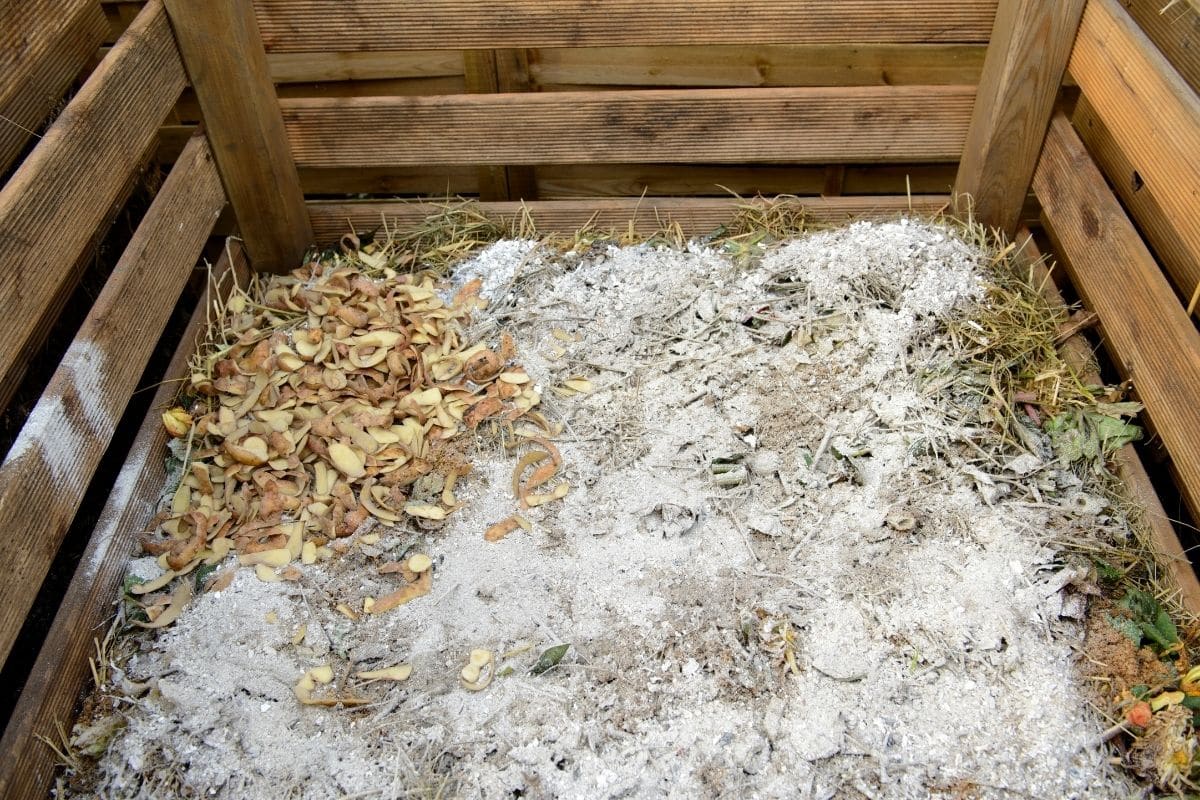
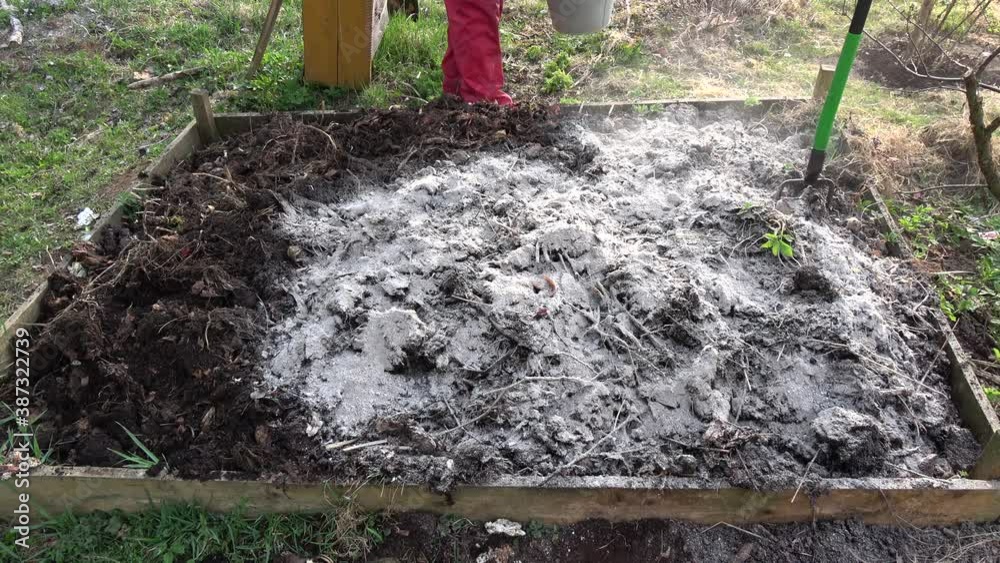
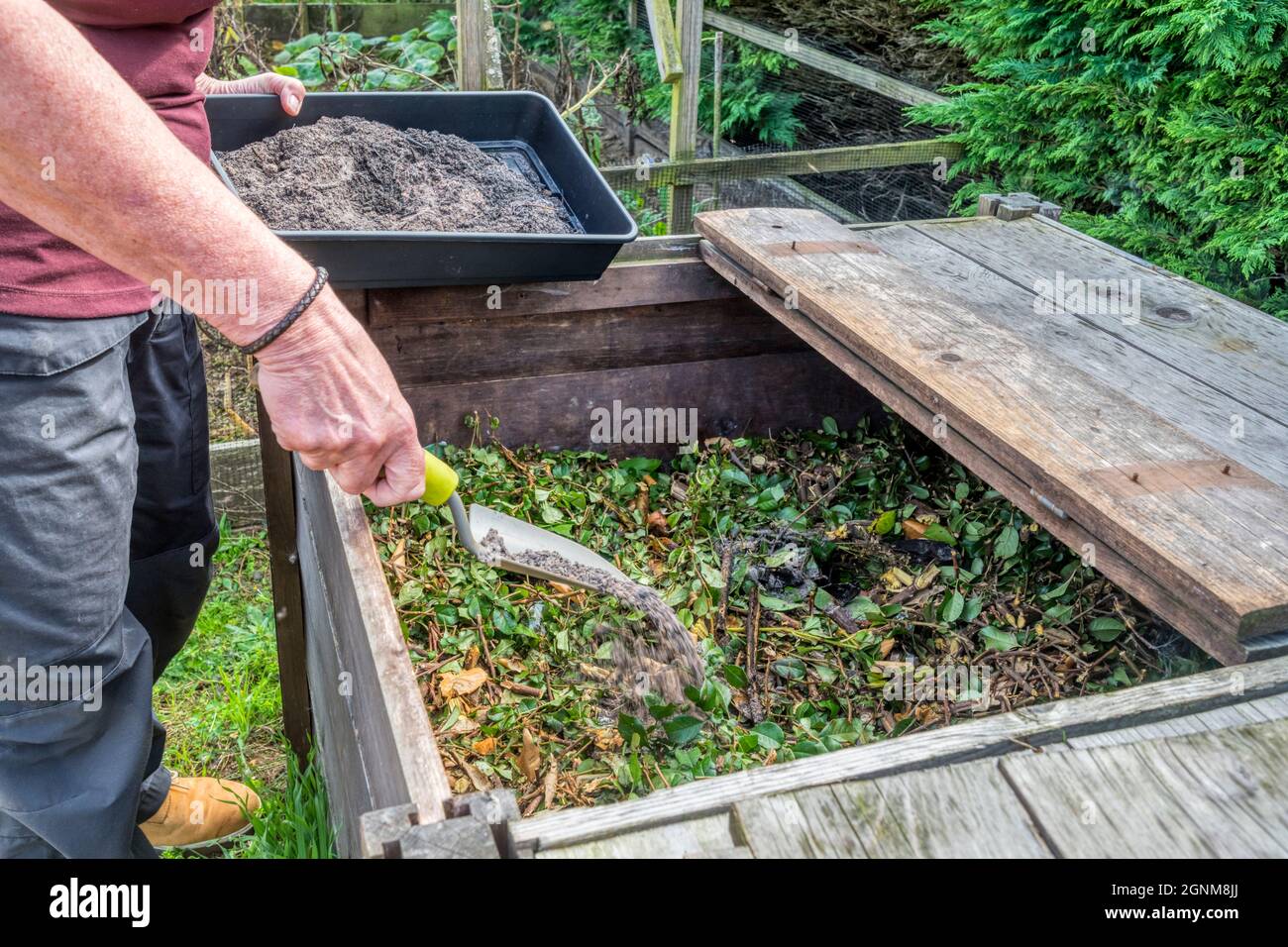
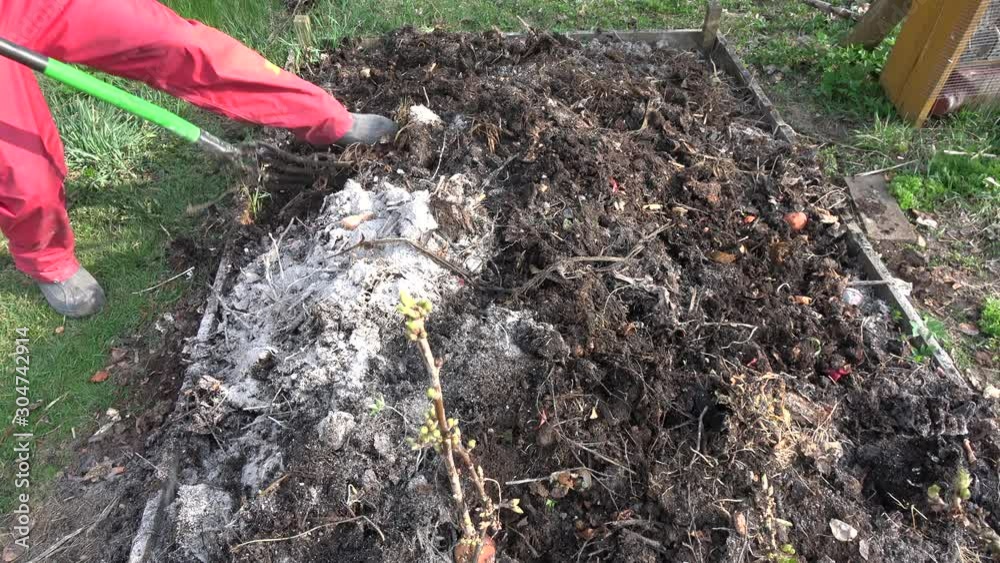
A general rule of thumb? Think of it like dusting. You don't want a thick layer of ash. A light sprinkling is all you need. Maybe aim for about 10% of your compost volume, max. So, if you've got a big bin, you might add a cup or two of ash every now and then. If you're just starting out with your compost, it might be even less. It’s better to start small and see how your compost reacts. You can always add more later if needed. Patience, grasshopper!
When to Add Ash: Timing is Everything
When should you actually toss this powdery gold onto your compost? Well, you can add it as you're building your compost pile. Layer it in with your greens (like grass clippings and kitchen scraps) and browns (like dead leaves and cardboard). This way, it gets mixed in nicely and doesn't form those dreaded clumps.
You can also add it to an already established compost pile. Just remember that light sprinkling rule. Try to distribute it evenly. Don't just dump the entire bag in one spot. That's like trying to sneak a whole pizza into your lunchbox – it's noticeable, and it's probably not going to end well for the rest of the ingredients.

What Not to Compost (Ash-wise): The Don'ts
Let's reiterate the absolute no-nos, because this is super important. Seriously, pay attention here, because nobody wants to mess up their precious compost.
First up: anything treated with chemicals. We're talking treated lumber, painted wood, anything that's been varnished or stained. These chemicals can leach into your compost and then into your soil, which is, you know, not great for your plants, or for you if you're eating what you grow. Think of it as the compost equivalent of eating fast food every day – not the healthiest choice.
Next, anything with plastic or synthetic materials. Ash from burning these things is just not going to be good for your compost. It’s basically just a load of chemicals and microplastics, which will just sit there, brooding, and not break down. And that's not what we're going for. We want things to break down, to become beautiful, nutrient-rich soil!
Also, be cautious with ash from magazines or glossy paper. The inks used can sometimes contain heavy metals or other undesirable compounds. If you’re unsure, err on the side of caution. It’s better to be safe than sorry when it comes to your compost. Your garden will thank you for it.
The Wormy Question: Can Worms Tolerate Ash?
Ah, the worms! Our slimy little compost heroes. Do they like ash? Well, they're not exactly throwing a party for it, but generally, in moderation, they can handle it. Remember that alkalinity thing we talked about? If the ash makes the compost too alkaline, the worms might get a bit stressed. They prefer a more neutral environment, just like most of us, right? So, again, the key is moderation. A light dusting is unlikely to send them packing, but a thick layer might make them reconsider their living arrangements.
If you have a dedicated worm farm, you might want to be a little more careful than with a general compost heap. Worms can be a bit more sensitive to pH changes. So, for worm farms, it's often best to keep ash to an absolute minimum or avoid it altogether if you're unsure. It’s like giving a baby a strong cup of coffee – not recommended!
Signs Your Compost Might Have Too Much Ash
How will you know if you've gone a bit overboard with the ash? Well, keep an eye on your compost. If it starts to smell a bit off, like ammonia, that could be a sign. If it seems to be drying out excessively, that might be another clue. And, of course, if your worms are staging a protest and trying to escape the bin, you've definitely gone too far!
A healthy compost pile should have a nice, earthy smell. It should be moist but not waterlogged. And the worms should be happily munching away. If things seem out of sorts, take a step back, re-evaluate your ash additions, and maybe add some more "greens" to help balance things out.
The Upside: Why Bother?
So, why go through all this fuss with ash? Because it's a fantastic way to recycle. Instead of just throwing it away, you're turning it into something valuable for your garden. It's like giving your garden a little extra boost without having to buy expensive fertilizers. It’s a win-win for your wallet and your garden!
Plus, it’s a natural way to add those essential nutrients back into your soil. Plants need potassium and calcium to thrive, and ash can be a great source of both. It's all about creating a closed-loop system, right? Using what you have to make your garden flourish.
Think about it: that ash from your cozy fireplace can end up as the building blocks for your delicious vegetables. It's pretty neat, if you ask me. It connects you to your garden in a deeper way, knowing you're nurturing it with what you’ve already generated.
So, next time you find yourself with a pile of clean, natural ash, don't just sweep it away into the bin. Give your compost heap a little sprinkle. Your plants, and your garden, will thank you for it. Happy composting, everyone!