Can You Put A House In A Trust
Alright, gather 'round, you lovely humans, and let's talk about something that sounds more like a magician's trick than a legal maneuver: putting a house in a trust. Yes, you heard that right. Forget rabbits and top hats; we're talking about making your humble abode – or your not-so-humble mansion, no judgment here – disappear… well, not literally disappear, but kind of whisk it away into a special legal box. Think of it as a really fancy, really important invisible blanket for your house.
Now, before your eyes glaze over and you start picturing complex legal jargon that sounds like it was written by a particularly grumpy owl, let's keep it breezy. We're at the café, the coffee's good, and we're just chatting. So, can you actually, like, physically pick up your house and shove it into a trust? Of course not! That would be hilarious, though. Imagine the movers: "Excuse me, sir, is this whole house supposed to fit in this little folder?"
What we mean by putting a house in a trust is essentially transferring ownership. Instead of your name being the sole star on the deed, the trust becomes the proud new owner. But don't freak out! You're not suddenly evicted and forced to pay rent to your own legal entity. That would be a plot twist even M. Night Shyamalan would find a bit much.
Must Read
So, why would anyone want to do this? Well, think of it like this: your house is a big, valuable, and often quite emotional asset. It's where you’ve probably made some epic culinary disasters, celebrated glorious victories, and maybe even had a spirited debate with a stubborn raccoon. And when it comes time to pass it on, or even just manage it during your lifetime, things can get… complicated. Like trying to assemble IKEA furniture with only a picture and a vague sense of dread.
One of the biggest reasons folks do this is to avoid probate. Now, probate is that lovely, often lengthy, and sometimes surprisingly expensive process that happens after someone passes away. It's basically the court system giving your belongings a once-over, making sure all your debts are paid, and then doling out what's left. It can be a bit like a really slow, formal auction where you're not even alive to bid on your own stuff anymore.

Imagine your beloved fixer-upper, the one with the charming squeaky floorboards, stuck in probate limbo for months. Your kids are trying to figure out what to do with it, the property taxes are still rolling in, and everyone’s stressing. But if that house is nestled snugly in a trust? Poof! It can often bypass probate entirely, allowing for a much smoother transition. It’s like having a VIP express lane for your house.
The Magic of the Trust Box
Think of a trust as a set of instructions, a legal blueprint, and a super-organized filing cabinet all rolled into one. You, the grantor (that’s you, the boss of the house), create the trust and put your house into it. Then, you appoint a trustee – this could be you, a trusted family member, or a professional. This trustee is the one who follows the instructions laid out in the trust document. They're like the dutiful butler of your house, making sure everything runs according to your wishes.
And then there are the beneficiaries. These are the lucky ducks who will eventually inherit the house (or whatever else is in the trust). They could be your children, grandchildren, your favorite charity, or even a meticulously planned retirement fund for your pet goldfish. Whatever your heart desires!

So, when you put your house in a trust, you're essentially saying, "Hey, Trusty McTrustface, you're in charge of this pad now. Here are the rules: when I'm no longer around, make sure [Beneficiary Name] gets to enjoy those squeaky floorboards."
It’s not just about death and taxes, though. Trusts can also offer privacy. Unlike wills, which become public record during probate, trust documents are generally private. So, your entire financial life doesn’t suddenly become front-page news for your nosy neighbor Brenda. Phew!
What Kind of Trusts Are We Talking About?
Now, this isn't a one-size-fits-all situation. There are different flavors of trusts, kind of like ice cream at a fancy parlor. The most common type for this purpose is a revocable living trust. "Revocable" means you can change your mind, tweak the rules, or even dissolve the whole thing if you decide you'd rather, say, turn your house into a giant ball pit. "Living" means you set it up while you're alive and kicking.

There are also irrevocable trusts, which are a bit more like a straitjacket for your assets. Once the house is in there, it's in there. You generally can't touch it. These are often used for more advanced estate planning, like avoiding estate taxes or protecting assets from creditors. But for most folks just wanting a smoother handover of their beloved abode, a revocable living trust is usually the go-to.
It’s like choosing between a comfy, well-worn sweater (revocable) and a stylish, albeit slightly restrictive, tuxedo (irrevocable). Both have their uses, but one feels a lot more like home.
The Nitty-Gritty (But Still Fun-ish) Steps
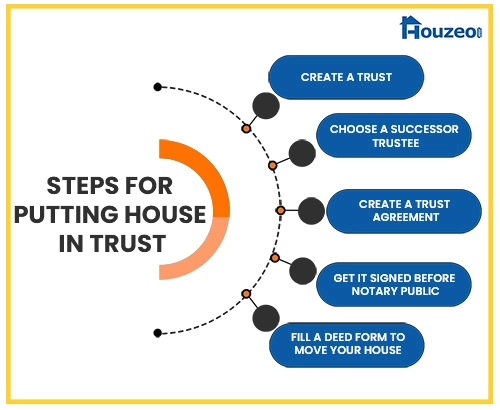
So, how do you actually pull this off? It’s not like you can just doodle "Trust" on the deed with a Sharpie. You'll need a little help from the grown-ups in the legal world. This usually involves:

- Drafting a Trust Document: This is where you get to be the author of your own destiny (and your house's destiny). You’ll outline who’s in charge, who gets what, and all those juicy details. A lawyer who specializes in estate planning is your best friend here. They’ll translate your wishes into legalese that actually works.
- Funding the Trust: This is the actual "putting the house in" part. You'll sign a new deed transferring ownership from yourself to the trust. It's like giving your house a new set of keys, but the keys are held by the trust.
- Appointing a Trustee: As mentioned, this is the person or entity who will manage the trust. Make sure they're up for the job and you trust them implicitly. You wouldn't want your famously forgetful Uncle Barry in charge of your prized gnome collection, let alone your house.
It might sound like a lot of paperwork, and yes, there is a bit. But think of it as an investment in future peace of mind. Instead of your family wrestling with legal complexities during a difficult time, they can be busy reminiscing about that time you tried to teach the dog to play the piano (it didn't go well, did it?).
And here’s a surprising little nugget: many people think trusts are only for the super-rich. Not true! While the wealthy certainly use them for complex tax strategies, trusts are becoming increasingly popular for average homeowners who want to simplify their affairs and protect their loved ones.
So, can you put a house in a trust? Absolutely! It's not a mythical quest or a complicated spell. It's a practical, powerful tool that can offer significant benefits. It's essentially giving your house a really, really good bodyguard and a clear set of instructions for the future. And who wouldn't want that for their beloved brick-and-mortar sanctuary?