Can You Plant A Peony In A Pot
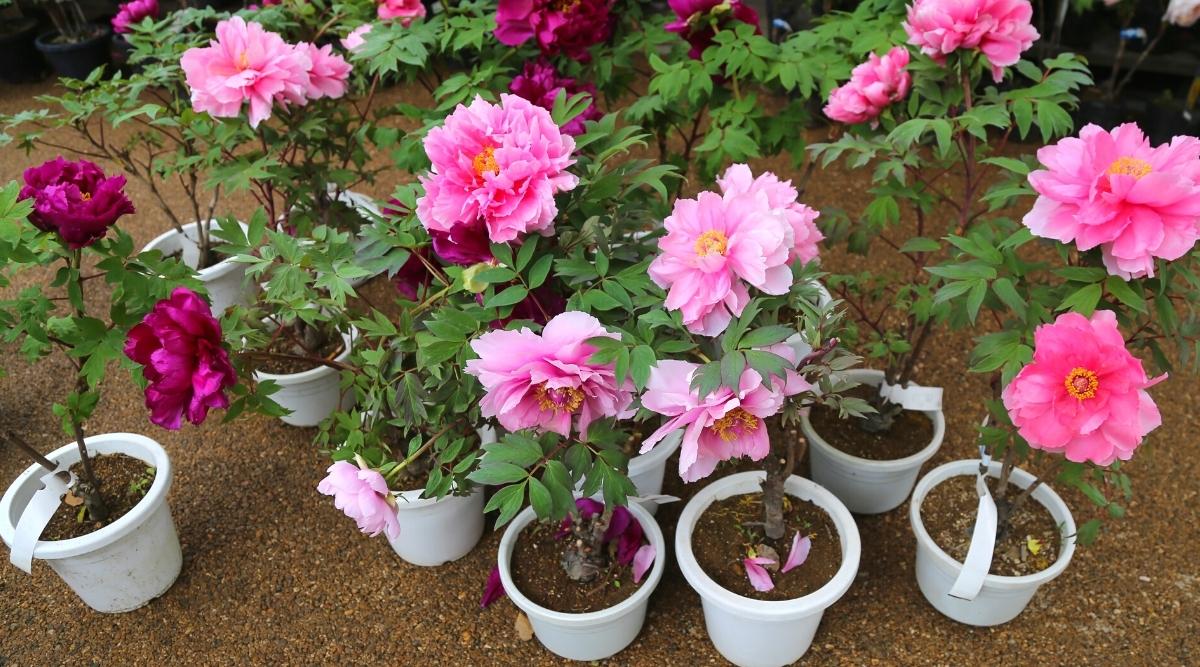
So, you're eyeing those gorgeous peonies, aren't you? Those fluffy, fragrant beauties that just scream "summer elegance." And you're wondering, "Can I actually grow these divas in a pot?" Well, pull up a chair, grab your coffee (or tea, no judgment here!), and let's dish.
The short answer? Yep, you totally can! But, like a lot of things in life, it's not quite as simple as just shoving a root ball into any old container. Peonies are a bit… particular. They're not exactly the "set it and forget it" kind of plant, bless their hearts.
Think of it this way: a peony is like a grand dame of the garden. She needs space, she needs the right kind of soil, and she definitely needs respect. She's not going to thrive in a tiny teacup, no matter how cute it is. We're talking about a plant that can live for decades, sometimes even longer than you've been alive! That’s some serious longevity, right?
Must Read
So, if you're dreaming of those blowsy blooms gracing your patio, your balcony, or even just a sunny spot near your front door, let's break down what it takes to make a peony happy in its portable palace.
The Right Pot: It's All About the Real Estate
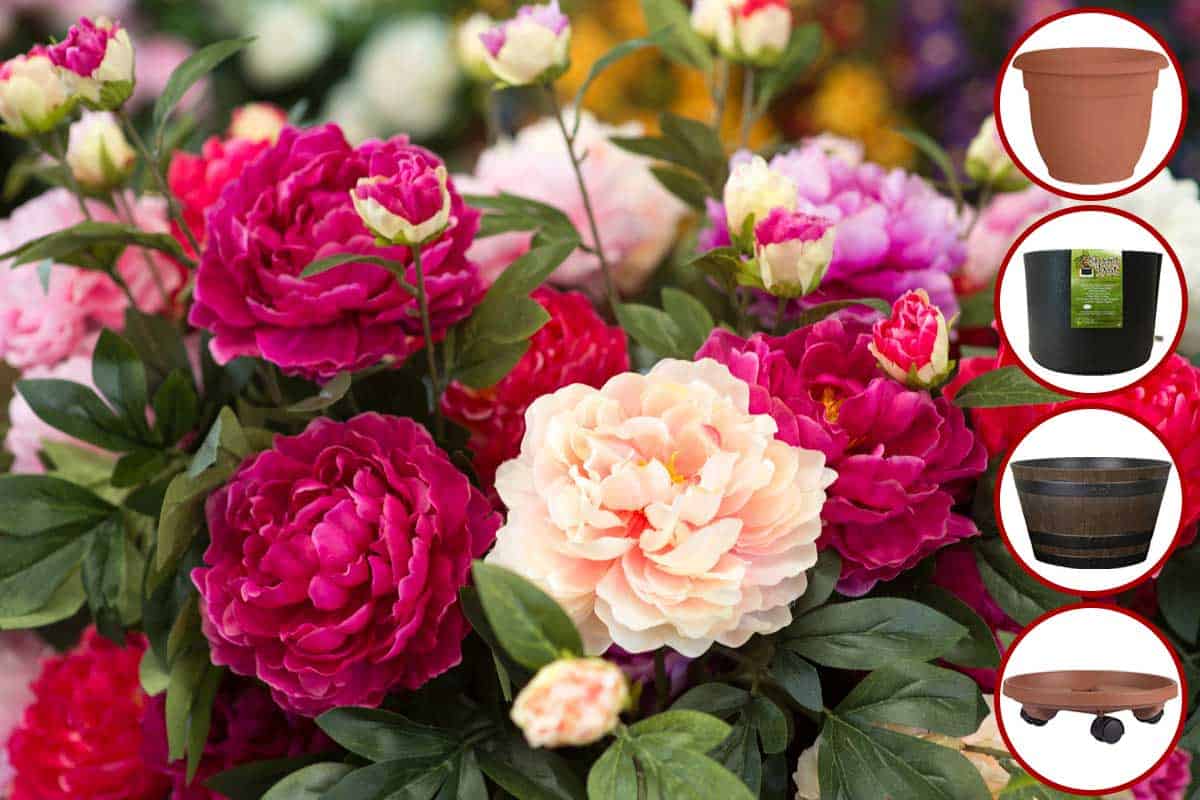
First things first, the pot. This is where many people go wrong. You see those adorable little terracotta pots at the garden center? Yeah, probably not the best fit for a mature peony. These plants need room to spread their roots. They get big, and they get deep.
We’re talking about a pot that’s at least 15 to 20 inches in diameter. Yes, you read that right. Bigger is generally better. Think of it as giving your peony a mini-mansion to live in. A shallow pot? It’s going to dry out faster than you can say "thirsty," and our peony friend will not be amused.
And the material? Terracotta is lovely, but it dries out super fast. If you go that route, be prepared to water constantly. Plastic is a decent option because it retains moisture better, but it can get a bit hot in the direct sun, potentially cooking those precious roots. My personal favorite? A good quality resin or a substantial ceramic pot. They’re a bit heavier, which is great for stability, and they offer a good balance of breathability and moisture retention. Plus, they often look a bit more sophisticated, don't you think?
Drainage holes are non-negotiable. Seriously, plants hate soggy feet. If your pot doesn't have them, or they're blocked, your peony is going to end up with root rot. And nobody wants that. It’s like us getting a cold – just miserable and hard to recover from.
Oh, and don't forget about the weight. If you're on a balcony, you'll want to make sure your structure can handle a large, heavy pot filled with soil and a plant. Consider lighter potting mixes, but more on that later.
Soil Secrets: Peony's Perfect Blend
Now, let's talk dirt. Not just any dirt, mind you. Peonies are picky eaters. They like rich, well-draining soil. Think of it as a gourmet meal for your plant. A heavy, compacted soil is going to suffocate those roots, and we can't have that.
A good starting point is a high-quality potting mix. But we're going to jazz it up a bit. I like to add a generous amount of compost. Compost is like a multivitamin for plants – it adds nutrients and improves soil structure. It’s the secret sauce, really.
Some people also recommend adding a bit of perlite or coarse sand. This helps with drainage, preventing that dreaded waterlogging. You want the soil to feel light and airy, not dense and heavy. Imagine trying to run in lead boots – not fun! That’s what compacted soil is like for a peony.
What you don't want is garden soil straight from your yard. It’s too dense for pots and can contain all sorts of unwanted guests, like weed seeds and pathogens. Stick to a good potting mix and enhance it. Your peony will thank you with extravagant blooms.
And when it comes to pH, peonies generally prefer a slightly acidic to neutral soil, around 6.5 to 7.0. Most good potting mixes fall within this range, so you’re usually good to go. If you're really concerned, you can always get a soil test kit, but for most home gardeners, starting with a quality mix is enough.
Planting Your Prize: The Art of the Depth Charge
This is where we get a little bit technical, but it's super important. The depth at which you plant your peony root is critical for its success. Too deep, and you might not get flowers. Too shallow, and it could dry out too quickly.
Here’s the golden rule: plant the peony eyes (those little pink or red buds on the root) about 1 to 2 inches below the surface of the soil. Seriously, not much more. Think of it as tucking it in, not burying it alive!
When you buy a peony, it usually comes as a root with several "eyes" or buds. These are the points where new growth will emerge. Make sure those eyes are facing upwards. It seems obvious, but when you're wrestling with a gangly root, it can be a bit tricky. A little gentle probing with your finger can help you feel the direction of the eyes.
Fill your pot with your custom soil blend, leaving enough space at the top for watering. Gently place the peony root on top of the soil, arranging the eyes upwards. Then, carefully cover it with your soil mix, making sure to maintain that 1-2 inch depth rule. Give it a gentle pat down to remove air pockets, but don't compact it too much.
After planting, give it a good watering. Let the water drain out completely. This helps settle the soil around the roots. And resist the urge to overwater right away. Let the soil dry out a bit between waterings.
Pro tip: If you're planting a bare-root peony, soak it in water for a few hours (but no more than 12) before planting. This helps it rehydrate and get a good start. Just don't let it sit in water for too long, or it might rot.
Location, Location, Location: Sun is Key!
Peonies are sun-worshippers. They absolutely need at least 6 to 8 hours of direct sunlight per day. If you don’t have that, you’re going to be disappointed with the bloom show. They might produce leaves, but those glorious flowers? Probably not.
So, find the sunniest spot you have. A south-facing balcony or patio is usually ideal. If you live in a very hot climate, you might want to give them some afternoon shade, especially in the peak of summer. Too much intense heat can stress them out. It’s all about balance, isn't it? Like a perfectly crafted cocktail.
Wind is also something to consider. While they are strong plants, those big, heavy blooms can get battered in strong winds. If your spot is particularly exposed, consider a slightly more sheltered location, or be prepared to stake your blooms when they start to open.

Remember: Don't plant them too close to walls or other large structures that might block sunlight or create drainage issues. Give them a little breathing room. They’re not shy plants, and they appreciate their personal space.
Watering Wisdom: The Art of Not Drowning Your Plant
This is another area where people can get it wrong. Peonies like consistent moisture, but they hate wet feet. It’s a delicate dance. In a pot, the soil dries out much faster than in the ground, so you'll need to be more attentive.
The best way to tell if your peony needs watering is to stick your finger about an inch or two into the soil. If it feels dry, it’s time to water. If it’s still moist, hold off. Overwatering is the quickest way to kill a peony.
When you do water, water deeply. Water until you see it running out of the drainage holes. This ensures that the entire root ball is getting hydrated. Don't just give it a little sprinkle; that’s like giving a starving person a single cracker.
In hot, dry weather, you might need to water every day or even twice a day, especially if your pot is small or made of terracotta. In cooler weather, you might only need to water once a week, or even less.
Don’t water the foliage if you can avoid it. Wet leaves can encourage fungal diseases, and peonies are already prone to those. Aim the water directly at the base of the plant. It’s like giving them a refreshing drink at the root bar.
Feeding Frenzy: When and What to Give Them
Peonies aren't exactly heavy feeders, but they do appreciate a little boost now and then, especially in a pot where nutrients can leach out. The key is to do it at the right time.
The best time to fertilize is in the early spring, just as new growth is starting to emerge. You can use a balanced fertilizer, something like a 10-10-10, or a fertilizer specifically formulated for flowering plants. Follow the package directions carefully; you don't want to overdo it.
Another good option is a dose of slow-release fertilizer in the spring. This will provide a steady stream of nutrients throughout the growing season. Some gardeners also like to top-dress with compost once a year. It's like a healthy snack that keeps on giving.
Avoid fertilizing in the late summer or fall. This encourages new growth that won't have time to harden off before winter, making it vulnerable to frost damage. We want our peony to focus on storing energy for next year’s blooms, not sending out delicate new shoots.

Crucial point: Do not fertilize newly planted peonies in their first year. Let them establish their roots first. Patience, grasshopper!
Winter Wonders: Preparing Your Peony for Slumber
This is where container-grown peonies need a little extra attention compared to their in-ground cousins. In colder climates, the roots of potted plants are more exposed to freezing temperatures, which can be fatal.
The goal is to protect the roots from harsh freezes. There are a few ways to do this:
1. Move them: If possible, move your potted peony to an unheated garage, shed, or even a cold frame. It needs to be cold enough to go dormant, but not so cold that it freezes solid. Think of it as a cozy, chilly hibernation chamber.
2. Insulate them: If you can't move the pot, you can insulate it. Wrap the pot in burlap, bubble wrap, or old blankets. You can also surround the pot with straw or mulch. This acts like a cozy winter coat for your plant.
3. Bury them (sort of): Some people dig a hole in the ground and place the pot in it, then cover it with mulch. This provides insulation from the ground, which is warmer than the air.
Don't bring them inside your heated house! They need a period of cold dormancy to bloom properly the following year. If you keep them too warm, they won't get the chill they need.
Keep an eye on the soil moisture during winter. It will dry out slowly, but you still want to water sparingly if it gets very dry, especially if it hasn't snowed.
Patience is a Virtue: The Peony's Motto
Okay, this is a big one. Peonies are not instant gratification plants. Especially when they're young. You might plant a gorgeous peony root, and the first year? You might get a few sad little leaves, and maybe, just maybe, one tiny bloom. Don't panic!
It can take two to three years for a peony to truly establish itself and start producing those abundant, breathtaking flowers we all dream of. They are slow to start, but oh-so-worth-the-wait. Think of it as a plant with a really impressive warm-up routine. Once it's ready, it's going to put on a show!
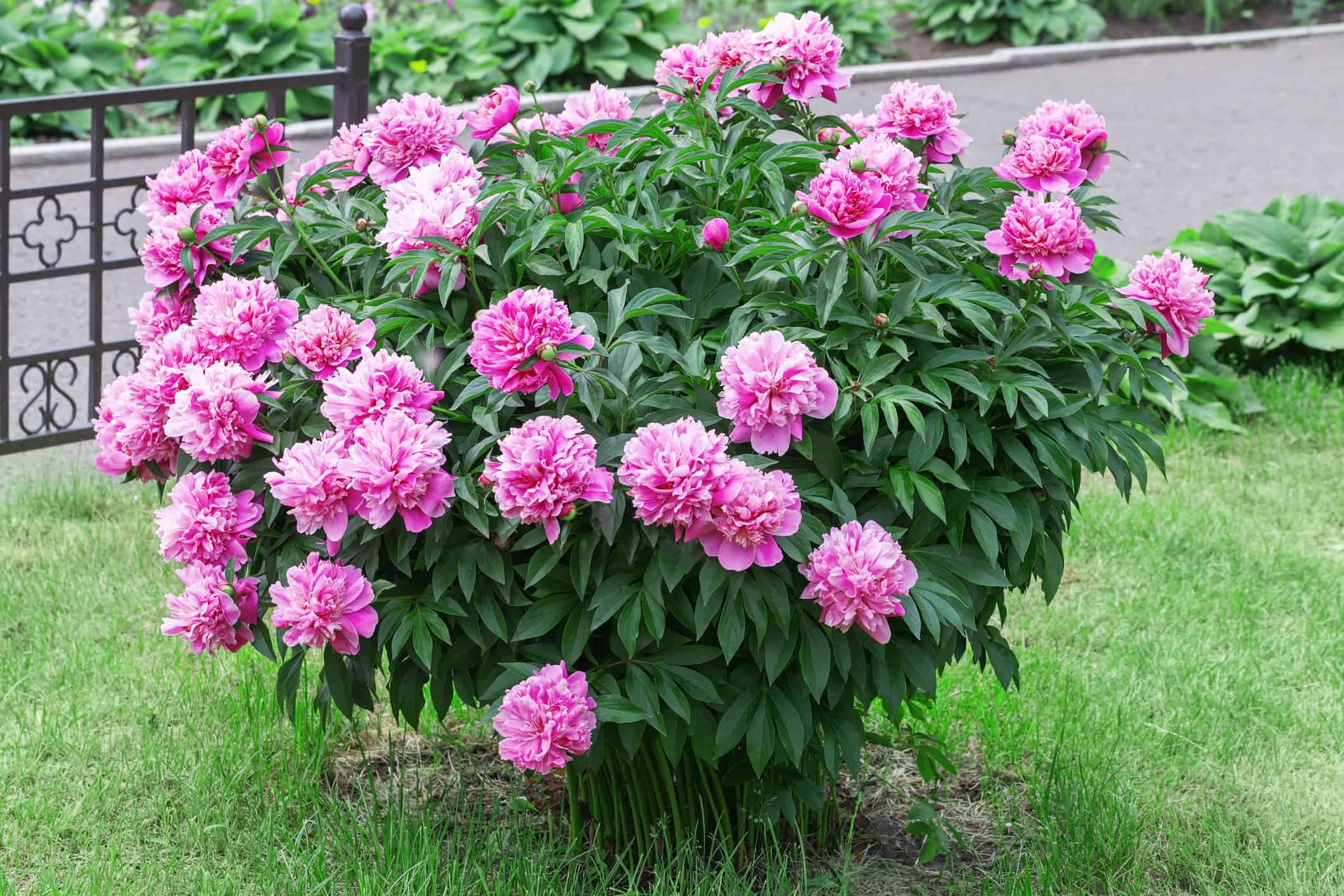
So, if you’re planting a new peony in a pot this year, set your expectations accordingly. Enjoy the foliage, appreciate the little victories, and know that in a few seasons, you'll be rewarded with a display that makes all the waiting worthwhile. It’s like a good wine; it gets better with age.
And speaking of patience, don't be tempted to move your potted peony too often. Once they are planted and happy, they really don't like to be disturbed. They're creatures of habit, these peonies.
Common Pests and Problems: The Not-So-Pretty Side
Even in a pot, peonies can attract their share of critters and maladies. Most of the time, they’re pretty robust, but it’s good to be aware.
Ants: You'll often see ants on peony buds. Don't freak out! Ants are actually attracted to the sweet nectar that the buds produce as they swell. They don't harm the buds; they're just there for a snack. Once the flower opens, the ants usually move on. If they become a real nuisance, you can wash them off with a blast of water, but generally, they're harmless.
Fungal Diseases: Powdery mildew is the most common culprit. It looks like white, powdery splotches on the leaves. Good air circulation and watering at the base of the plant can help prevent this. If you do get it, you can try a fungicide or a homemade baking soda spray (a teaspoon of baking soda in a quart of water with a drop of dish soap). A healthy plant is your best defense.
Botrytis Blight: This is a more serious issue that can affect buds and stems, causing them to rot and turn brown. It’s often a problem in cool, wet springs. Remove affected parts immediately and dispose of them properly. Good garden hygiene is key!
Lack of Blooms: As we mentioned, this is often due to incorrect planting depth, not enough sun, or the plant being too young. Be patient and address those basic needs.
Don't let these potential issues scare you. Most of the time, with good care, your potted peony will be a picture of health and beauty.
The Verdict: Go For It!
So, can you plant a peony in a pot? Absolutely! With the right pot, the right soil, plenty of sunshine, and a little bit of patience, you can enjoy these magnificent blooms even if you don't have a sprawling garden. Imagine it: a pot of pure peony perfection sitting pretty on your deck, a beacon of floral delight.
It's a bit more work than a geranium in a window box, for sure. It requires a commitment to providing the right conditions. But the reward? Oh, the reward is immense. Those huge, fragrant, ridiculously beautiful flowers are truly something special. They’re the showstoppers of the garden world, and having them in a pot just makes them feel that much more exclusive, don't you think?
So, go ahead. Embrace the challenge. Find that perfect, large pot. Mix up that glorious soil. Give your peony the space and sunshine it craves. And get ready to be utterly charmed by one of nature's most opulent creations. Your patio (or balcony!) is about to get a serious upgrade. Happy planting!