
Can You Lay Turf In The Rain
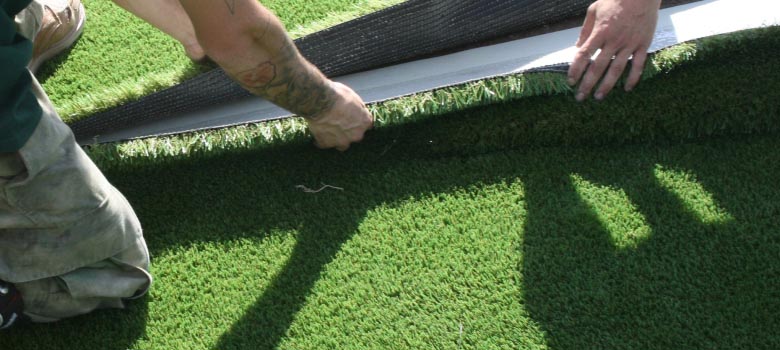
Ah, turf. That glorious, green carpet that transforms a patchy, sad excuse for a lawn into something your neighbours will secretly (or not so secretly) envy. We’ve all been there, right? Staring at a bare patch of earth, dreaming of barbecues and kids running barefoot, only to realize the ideal weather window has slammed shut. And then, the big question looms, whispered with a sigh: Can you lay turf in the rain?
It’s a question that pops up more often than a rogue dandelion, especially if you’re on a tight deadline to impress your mother-in-law or you've already booked that big summer party. The sky opens up, and suddenly your DIY dreams are doing the synchronised swimming routine with a bucket of water.
Let’s be honest, the idea of wrestling with heavy rolls of sod while the heavens are having a good old cry is about as appealing as a lukewarm cup of tea. It feels like trying to build a sandcastle during a tsunami. Not exactly ideal, is it? But is it a complete no-go? Let’s dive in, shall we?
Must Read
The "Can You?" Factor: Technically Speaking
So, can you actually lay turf when it’s raining? The short answer is: yes, you can. It’s not like there’s a turf-laying police force that will descend with umbrellas and stern words if you dare to unfurl a roll on a damp day. Nature, bless its unpredictable heart, doesn’t wait for our perfectly scheduled landscaping projects.
Think of it like this: have you ever had to do something a bit mucky, like dealing with a leaky pipe or wrestling a stubborn weed in a downpour? You get it done, right? It might be less than comfortable, but the job gets finished. Laying turf in the rain falls into a similar category. It's possible, but it comes with its own unique set of… let’s call them “character-building” challenges.
The turf itself, that beautiful, living blanket of grass, isn't going to immediately disintegrate if it gets a bit wet. It’s pretty resilient, much like that old pair of wellies you keep for truly dismal days. It needs that moisture to survive, after all. So, a little drizzle or even a decent shower isn't going to be the kiss of death for your brand-new lawn.
The "Should You?" Dilemma: When Things Get a Bit Slippy
Now, this is where we transition from the purely technical to the practical, and let's be honest, the slightly comical. While you can lay turf in the rain, the real question is, should you? And for that, we need to consider the inevitable side effects, much like the greasy aftermath of a fish and chip supper.
The biggest immediate hurdle is the mud. Oh, the glorious, glorious mud. Imagine trying to tiptoe around a construction site that’s been hit by a mud tsunami. That’s essentially your garden when it’s raining and you’re trying to lay turf. Your pristine new rolls of grass are going to get splattered. Your shoes are going to become part of the local mudscape. Your trousers? Let’s just say they’ll be sporting a new, earthy aesthetic.

It’s a bit like trying to ice a cake during a mild earthquake. Things are going to get messy. You might be aiming for a smooth, seamless finish, but you could end up with more of a… textured, abstract expressionist masterpiece. And not in the good way.
Then there’s the issue of grip. Those turf rolls, especially when wet, can become surprisingly slippery. You’re trying to maneuver them into place, and it’s less like a graceful dance and more like a slapstick comedy routine. You might find yourself doing a little jig, trying to maintain your balance, with the turf threatening to escape from your grasp like a greased watermelon.
And the soil underneath? When it’s saturated, it can become compacted far too easily. You’re essentially squashing your lovely, freshly dug soil down like you’re trying to make a concrete slab. This is the opposite of what you want for healthy root growth. It’s like trying to grow a delicate flower in a brick wall – not ideal for long-term success.
The "Light Drizzle vs. Downpour" Spectrum
It’s crucial to differentiate between a gentle, picturesque drizzle and a full-blown, biblical downpour. A light rain, the kind that just makes the leaves glisten, might actually be a blessing in disguise. It can help settle the turf nicely, ensuring good contact with the soil below. It’s like a gentle massage for your new lawn.
However, when the heavens truly open up, and you’re facing a deluge that rivals Noah’s ark, that’s when you need to pause. Imagine trying to plant tiny seeds in a raging river – the seeds would be long gone before they even had a chance. Similarly, trying to lay turf in a torrential downpour is an uphill battle, and not in a good, invigorating way.

The soil will become a bog. The turf will be a sodden, unwieldy mess. You’ll be wading, not walking. And the risk of damaging the soil’s structure is significantly higher. It’s the difference between a refreshing dip in a paddling pool and being tossed around in a washing machine on its spin cycle.
The Downsides: A Muddy Mess and More
Let’s talk specifics about why laying turf in heavy rain isn’t your best friend. Firstly, hygiene. When everything is wet and muddy, you’re going to get muck everywhere. Your car, your house, your pet who decides to join the party – everything will bear the muddy imprint of your gardening endeavours. It’s like a mud wrestling competition decided to set up shop in your backyard.
Secondly, the quality of the finish. Trying to get those neat, straight lines of turf when the ground is squishy and the rolls are heavy and unwieldy is a recipe for a slightly wonky, lumpy lawn. You might end up with gaps that need filling or rolls that don’t quite sit flush. It’s the DIY equivalent of trying to iron a duvet.
Thirdly, and this is the big one for the turf itself, the soil structure. As mentioned, heavy, saturated soil compacts easily. This can lead to poor drainage and aeration, which are vital for healthy root development. Your new turf might struggle to establish itself, leading to a weaker, less resilient lawn in the long run. It’s like trying to build a strong foundation on wet sand – it’s not going to end well.
And let’s not forget the labour. Wet turf is significantly heavier than dry turf. Trying to lift and maneuver those sodden rolls is a real workout. You’ll be more exhausted than you anticipated, and you might even risk injury if you’re not careful. It’s like trying to carry a sack of potatoes that’s been soaked in water – surprisingly heavy and prone to slipping.

The Upsides: A Few Surprising Perks
Okay, so it’s not all sunshine and roses (or should I say, not all sunshine and turf?). But are there any silver linings to a rainy turf-laying day? Well, yes, a few!
The most obvious one is that the turf gets watered immediately. This is a huge plus! New turf needs consistent moisture to establish its roots. By laying it in the rain, you’re giving it a fantastic head start. It’s like tucking your new lawn into bed with a nice warm drink.
It can also help the turf settle in. The water acts as a lubricant, helping the turf to make better contact with the soil beneath. This is crucial for preventing air pockets and ensuring good root-to-soil connection. It’s like giving your lawn a gentle hug to make sure it feels snug and secure.
And, if you’re someone who dislikes watering (and let’s face it, who truly loves lugging a hose around?), then a rainy day is a welcome reprieve. You get the job done, and nature does the initial watering for you. It’s a bit like getting a free pass on a chore.
Plus, if you’re working with a particularly dry, dusty soil, a bit of rain can actually make it easier to work with. It can help to break up clumps and make it more pliable. It’s like turning a brick into something more like clay.

Anecdotes and Real-Life Experiences
I remember a friend, bless his ambitious soul, who decided to lay turf the day before a big garden party. Of course, the forecast was ‘partly cloudy’. Well, ‘partly cloudy’ turned into a full-blown monsoon. He ended up looking like a drowned rat, with turf rolls plastered to his face. The lawn, when it was all said and done, was… passable. But the story of his muddy ordeal became the talk of the party. He learned a valuable lesson: always check the real weather forecast, not just the optimistic one.
Another time, I was helping a neighbour who was determined to get it done, rain or shine. It was a light shower, the kind that’s almost pleasant. We found that if we worked quickly, laying down one section at a time and immediately pressing it down, the water actually helped it hug the ground. It was still a bit damp, a bit squelchy underfoot, but we managed to get a decent job done. It was like performing surgery in a slightly leaky operating theatre – you just get on with it!
The key takeaway from these little dramas is that context matters. A light sprinkle is one thing; a torrential downpour is another entirely. It's like the difference between getting caught in a brief shower and swimming across a raging river. You wouldn't try to do the latter unless you had to, right?
Tips for Laying Turf in the Rain (If You Absolutely Must)
So, you’ve checked the forecast, and it’s looking grim, but your turf is arriving tomorrow, and you must lay it. What’s a determined gardener to do? Here are a few tips, born from the trenches of soggy gardening experiences:
- Wear appropriate footwear: This is non-negotiable. Wellies or sturdy waterproof boots are your best friends. Think of them as your personal amphibious vehicles.
- Protect your subsoil: If you’ve prepared your soil bed, try to avoid compacting it too much. Laying down planks of wood to walk on can help distribute your weight. Think of them as little bridges over the mud.
- Work in smaller sections: Don’t try to unroll all your turf at once. Lay down and secure one section at a time. This prevents the unlaid turf from getting too saturated and makes it more manageable.
- Press it down firmly: As you lay each piece, use your hands, feet (gently!), or a roller to ensure good contact with the soil. The moisture will help with this, so embrace it.
- Have a plan B for watering: While the rain will water your turf, it might not be enough if the rain stops suddenly or is very light. Have a hose or watering can ready just in case.
- Clean up thoroughly: When you’re done, give yourself a good hose down and clean your tools. Nobody wants to track mud into the house for days on end.
The Verdict: Proceed with Caution (and a Sense of Humour)
Ultimately, whether you can lay turf in the rain is a bit like asking if you can eat ice cream in winter. You can, and sometimes it's even quite nice, but it’s probably not the optimal experience. Laying turf in a light drizzle might be perfectly fine, even beneficial. But a heavy downpour? That’s when you start dancing with the devil and his muddy boots.
So, if the clouds are gathering, take a deep breath. Assess the situation. If it’s a gentle patter, go for it, but with a smile and a willingness to get a little damp. If it’s a deluge, then perhaps it’s time to park the turf rolls, put the kettle on, and wait for a drier day. Your lawn, your back, and your clean house will thank you for it. After all, a happy lawn is a well-laid lawn, and sometimes, that means letting nature have its say.

