
Can You Jet Wash A Car Engine

Ever gaze under the hood of your trusty steed and think, "Wow, that's a lot of... stuff"? The engine bay can quickly transform from a marvel of engineering into a dusty, greasy playground for critters and grime. While most of us focus on keeping the exterior sparkling, there's a whole other world lurking beneath the bonnet that deserves a little TLC. And that's where the fun, and frankly, the surprisingly useful, question of jet washing a car engine comes in!
It might sound a little daring, maybe even a touch reckless, but the idea of blasting away years of accumulated gunk with a high-pressure hose is undeniably appealing. Think of it as a spa day for your car's heart. No more shadowy crevices hiding oil leaks, no more dust bunnies the size of small rodents. Just a clean, recognizable engine that actually looks like the technological wonder it is. Plus, let's be honest, there's a certain satisfaction in wielding that powerful spray and watching the dirt vanish!
The Big Question: Can You Actually Do It?
The short, sweet, and slightly thrilling answer is: Yes, you absolutely can jet wash a car engine. However, and this is a big 'however', it's not as simple as pointing and spraying like you would the driveway. This isn't about brute force; it's about smart technique and a healthy dose of caution. Think of it less like a demolition derby and more like a carefully orchestrated clean-up operation.
Must Read
Why Bother Cleaning Your Engine? The Perks of a Tidy Underbelly
So, beyond the sheer satisfaction of a gleaming engine bay, what are the actual benefits of giving your engine a high-pressure scrub? Quite a few, actually!
- Easier Maintenance and Repairs: Imagine trying to find a leaky hose or a loose connection when everything is caked in years of oil and road grit. A clean engine bay makes identifying problems infinitely easier. Mechanics (and DIY enthusiasts!) can spot leaks, wear and tear, and potential issues much faster when they can actually see what they're looking at. This can save you time and money in the long run.
- Improved Cooling: Dust and grime can accumulate on radiators and cooling fins, acting as insulators and hindering their ability to dissipate heat. A clean engine bay allows for better airflow and more efficient cooling, which is crucial for your engine's longevity, especially during those hot summer months.
- Detecting Leaks: This is a big one. Oil leaks, coolant leaks, even minor fluid seepage can be masked by dirt. Once you blast away the muck, you'll be able to see exactly where any fluids are escaping, allowing you to address the problem before it becomes a major issue. Early detection is key!
- Aesthetic Appeal (and Resale Value!): Let's face it, a clean engine bay just looks good. It shows you care about your vehicle. And when it comes time to sell your car, a well-maintained engine compartment can definitely give you an edge and potentially boost its resale value. A potential buyer will be far more impressed by a spotless engine than a greasy mess.
- Preventing Corrosion: Accumulated dirt and road salt can trap moisture, leading to rust and corrosion on various engine components. Regular cleaning can help wash away these corrosive agents, protecting your engine from long-term damage.
The "How-To" Whisper: Approaching the Engine with Respect
Now, for the exciting part – how to actually do it without turning your engine into a waterlogged disaster. The key here is gentle persuasion, not aggressive assault.
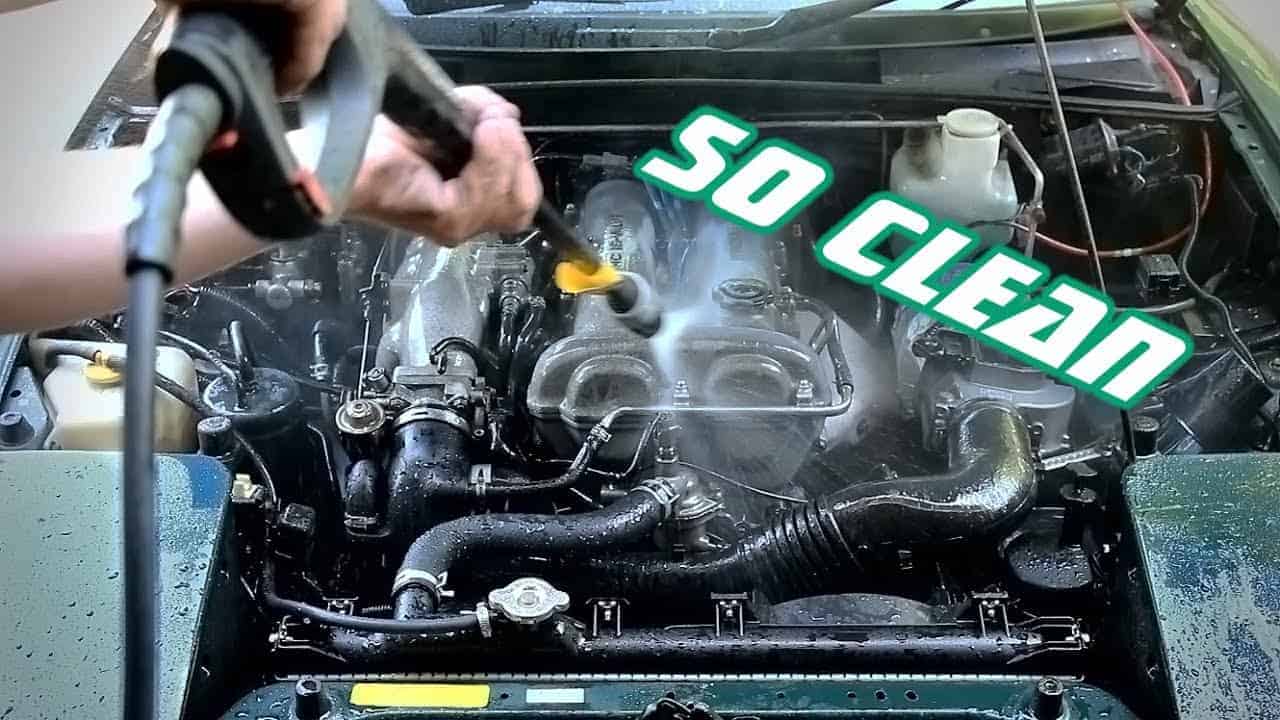
First and foremost, let your engine cool down completely. A hot engine and cold water are a recipe for disaster (think cracked metal). Once it's cool to the touch, you'll want to do some prep work. The most crucial step is to protect sensitive electrical components. Think of them as the engine's brain – you don't want to give them a power shower!
This means carefully covering things like the alternator, the engine control unit (ECU), the air intake, fuse boxes, and any exposed wiring or connectors with plastic bags and secure them with tape. Be thorough! The more you protect, the less you have to worry about.
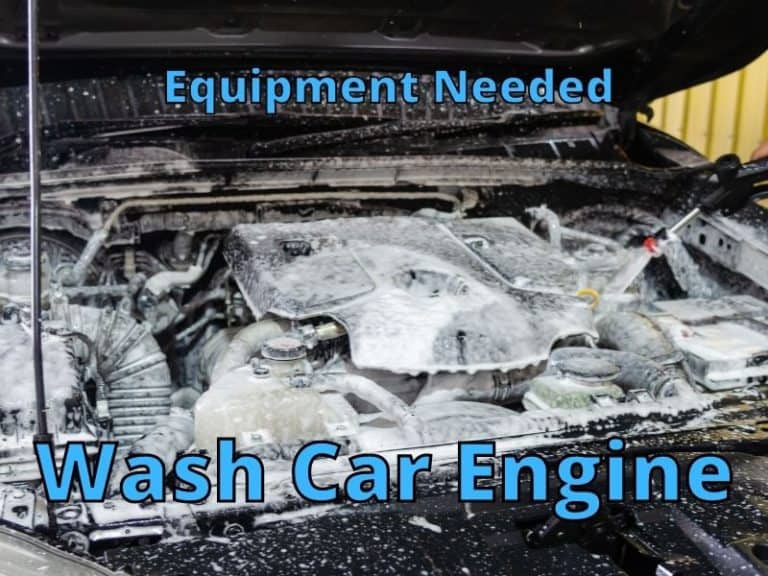
When it comes to the actual washing, the golden rule is to use a low-pressure setting on your jet washer. We're talking a wide fan spray, not a concentrated pinpoint. Keep the nozzle a good distance away from the engine – at least a foot or two. Think of it as rinsing, not power-blasting.
Start from the top and work your way down, gently dislodging the dirt and grime. Pay attention to areas that tend to collect the most gunk, like around the valve covers and the inner wheel wells. You might want to use a dedicated engine degreaser on stubborn patches, but always follow the product's instructions and rinse it off thoroughly. Some people opt for a gentle all-purpose cleaner for a milder approach.

Once you've finished the washing stage, it's time for the crucial drying phase. You can use compressed air to blow away excess water, or a good quality microfiber towel. Again, prioritize getting moisture out of all those nooks and crannies. It's also a good idea to start the engine and let it run for a few minutes. The heat from the engine will help to evaporate any remaining moisture. You might notice a little bit of steam, which is normal.
So, while it might seem like a job best left to the professionals, with a little preparation and a lot of care, you can absolutely give your car's engine a revitalizing jet wash. It’s a rewarding process that can pay dividends in terms of maintenance, longevity, and sheer pride in your vehicle.


