Can You Grow Olives In The Uk
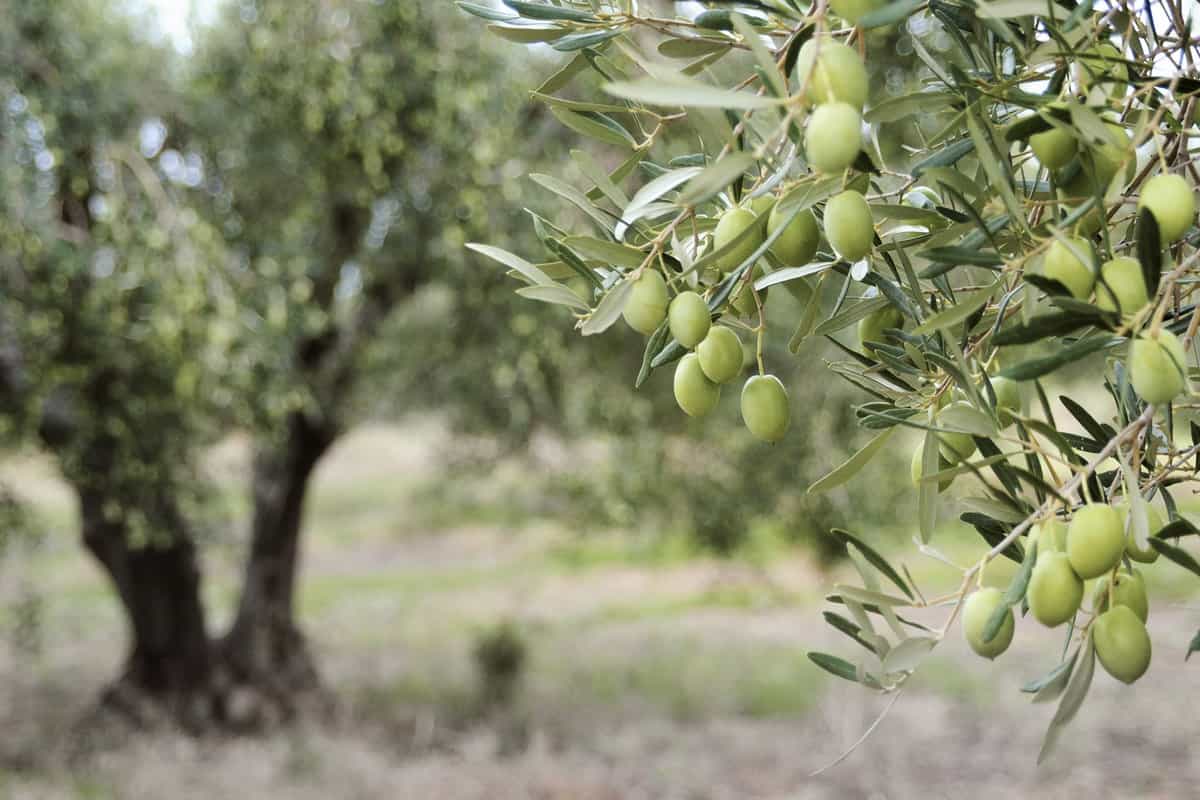
Alright, so you’re probably sitting there, maybe with a cuppa (or something a little stronger, no judgment here!), and you’ve just popped an olive in your mouth. Maybe it’s Kalamata, maybe it’s Manzanilla, whatever your fancy. And then, as the salty, briny goodness hits your taste buds, a little thought sparks in that brilliant brain of yours: “Could I actually grow these little fellas back home? In the UK?”
It’s a question that tickles the fancy of many a garden enthusiast, isn’t it? We see those sun-drenched Mediterranean landscapes in films, all olive groves and happy-go-lucky farmers tending to their trees. And then we look out at our own garden, possibly sporting a slightly damp patch of lawn and a robin looking vaguely unimpressed. The contrast can be… stark.
But let’s not be defeatist, my friends! The world of gardening is full of surprises, and the UK, bless its unpredictable weather, can be surprisingly accommodating for a whole host of plants we might think are strictly for hotter climes. So, let’s dive into the nitty-gritty of whether you can, indeed, coax an olive tree into bearing fruit on British soil. Spoiler alert: it’s not quite as outlandish as it sounds!
Must Read
The Big Question: Olives in the UK? Yes, But…
So, the million-dollar question, or should I say, the £10 olive tree question? Can you grow olives in the UK? The short, sweet, and slightly complicated answer is: Yes, you absolutely can grow olive trees in the UK!
Now, before you run off to your local garden centre and start clearing space for a sprawling Mediterranean grove, there are a few tiny caveats. It’s not quite as simple as chucking a pit in the ground and expecting a bumper harvest by next Tuesday. But with the right approach, and a touch of TLC, you can definitely have a thriving olive tree, and maybe, just maybe, your very own homegrown olives.
Think of it this way: it’s a bit like trying to tan in Scotland. It can happen, but you need to be prepared for a few more cloudy days and perhaps a strategically placed sun lounger for when that elusive ray finally appears. It requires a bit of effort, a bit of understanding, and a whole lot of patience.
What Kind of Olives Are We Talking About?
When we think of olives, we often picture those ancient, gnarled trees laden with fruit, baking under a relentless sun. And yes, those exist. But for the UK, we need to be a bit more selective. It’s all about choosing the right variety, the ones that are a bit more… hardy. Think of them as the British version of the olive tree – they can handle a bit of a chill and don’t mind the occasional drizzle.
There are many different olive varieties (over 2000, if you’re feeling inquisitive!), and some are much better suited to cooler climates than others. We’re not talking about the super-delicate, ‘must-be-in-full-sun-for-12-hours-a-day’ types. We’re looking for the resilient ones, the ones that have a bit of ‘oomph’ to them, capable of weathering our rather enthusiastic British seasons.
Some popular and successful varieties for the UK include:

- 'Arbequina': This is a Spanish favourite, and thankfully, it’s also a good performer in the UK. It’s known for its relatively compact growth and can produce small, oval fruits. It’s also quite cold-tolerant, which is a big bonus.
- 'Picual': Another Spanish variety, 'Picual' is known for its vigorous growth and resistance to cold. It's a widely cultivated olive, and its adaptability makes it a good choice for our shores.
- 'Leccino': Hailing from Italy, 'Leccino' is a popular choice for Mediterranean gardens and has also shown good results in cooler climates. It’s known for its relatively fast growth and is a good producer.
- 'Frantoio': Also Italian, 'Frantoio' is a highly regarded oil-producing olive and is quite adaptable. It can handle a bit of frost, making it a contender for UK growers.
The key is to look for varieties that are specifically recommended for cooler or maritime climates. Your local garden centre, or a specialist olive tree nursery, will be able to point you in the right direction. Don't be shy to ask! They're usually very happy to share their olive-growing wisdom.
Location, Location, Location (And a Bit of Luck!)
Now, even with the hardiest of varieties, the location of your olive tree is absolutely paramount. Think of it like finding the perfect spot for your best-loved armchair – it needs to be just right!
Olives, at their heart, are sun-worshippers. They love warmth. So, the sunnier and more sheltered spot you can find, the happier your tree will be. This means:
- South-facing is your best friend: If you have a south-facing wall, fence, or even just an open space that gets a good blast of sunshine throughout the day, that’s your prime real estate.
- Protection from the wind: Strong, cold winds can be a killer for young olive trees. They can dry them out, damage the foliage, and generally make life miserable for your little woody friend. So, a sheltered spot, perhaps near a wall or a hedge, is ideal.
- Drainage, drainage, drainage: This is crucial. Olives absolutely hate having ‘wet feet’. Soggy soil is a recipe for root rot, and that’s a one-way ticket to Sad Olive Tree City. So, ensure your soil drains well. If you have heavy clay soil, you’ll definitely want to amend it with plenty of grit or sand.
For many of us in the UK, the most reliable way to grow olives and get a decent harvest is in pots. This way, you have complete control over the soil and, crucially, you can move your precious tree to a more sheltered spot or even indoors during the harshest winter months. Think of it as giving your olive tree a cosy holiday indoors!
So, if you’re blessed with a patio, a balcony, or even a sunny conservatory, you’re already halfway there. Pots offer flexibility, and for us in the UK, that’s often the key to success with more tender plants.
Potting Up Your Olive: A Little Bit of Luxury
If you’re going down the pot route – and I highly recommend it for most UK gardeners – then choosing the right pot and compost is your next mission.
The Pot: Go for something relatively large, and importantly, something with drainage holes. Terra cotta pots are lovely and traditional, and they allow the soil to breathe, which is a bonus. However, they can dry out quite quickly, so keep an eye on watering.
The Compost: This is where you want to give your olive tree a really good start. A good quality, well-draining potting compost is essential. You can also mix in some grit or perlite to further improve drainage. Essentially, you want to replicate that Mediterranean stony soil as much as possible. Think of it as giving your tree a taste of home, even if home is actually the Mediterranean!
When you first pot your tree, make sure it’s a snug fit. You don’t want to overpot it, as this can lead to the compost staying too wet. As the tree grows, you’ll need to repot it into a slightly larger container every few years. It’s like moving house for your tree, a bit of an upheaval, but ultimately for the best!
Winter Woes: What to Do When the Cold Bites
Ah, the UK winter. We love it for its cosy evenings and mince pies, but our olive trees… not so much. While some varieties can tolerate light frosts, prolonged periods of deep cold, especially with wet conditions, can be detrimental. This is where your potted olive really shines.
If you have your olive tree in a pot, and you’re expecting a harsh winter, the best course of action is to move it to a sheltered location. This could be:
- An unheated greenhouse: This is the gold standard! It offers protection from the worst of the weather while still allowing for plenty of light.
- A bright porch or conservatory: If it’s well-lit and doesn’t get too warm, this can be a good option.
- A sheltered porch or garage: As long as it’s bright enough and the temperature doesn't drop too low, this can offer some protection.
The key is to keep it out of direct, harsh frosts and to ensure the compost doesn’t remain waterlogged. Even a few degrees of protection can make all the difference. Imagine your little olive tree, snug as a bug in a rug, waiting for spring’s return!
For those planting directly in the ground, mulching around the base of the tree with straw or bark chippings can offer some insulation for the roots. You can also consider wrapping the trunk of younger trees with horticultural fleece for added protection.
Feeding Your Olive: A Little Treat Now and Then
Olive trees aren’t typically heavy feeders, but they do appreciate a little bit of nourishment, especially when they’re young and establishing themselves, or when they’re in pots.
During the spring and summer growing season, you can give your tree a feed every month or so with a balanced liquid fertilizer. Look for something specifically for Mediterranean plants or a general-purpose feed. Overfeeding can actually be detrimental, leading to lots of leafy growth but fewer flowers and fruits. So, less is often more!
Think of it as a little pick-me-up, not a full-blown feast. You want to encourage healthy growth, not an olive tree equivalent of a Christmas dinner!
Pruning: Shaping Up Your Olive
Pruning your olive tree is important for maintaining its shape, encouraging fruit production, and generally keeping it healthy.
The best time to prune is generally in late spring or early summer, after the risk of frost has passed and the tree has started to grow. You’re looking to:
- Remove any dead, damaged, or crossing branches.
- Prune back any leggy or overly vigorous shoots to encourage a more compact and bushy habit.
- Thin out the centre of the tree to allow for better air circulation and light penetration. This is important for fruit development.
Don’t be afraid to get in there with your secateurs! Olive trees are remarkably resilient and will bounce back. Just be mindful not to remove too much at once. It’s better to do a little bit regularly than to go in with a hedge trimmer and take off half the tree!
The Fruiting Bit: Will I Get Olives?
Now, for the moment of truth. Will you actually get olives? The honest answer is: it depends.
If you’ve chosen a suitable variety, given it a sunny, sheltered spot, looked after its drainage, and protected it in winter, then yes, you absolutely can get olives. However, it might take a few years for your tree to mature enough to produce a significant crop. Patience, my friend, is a virtue in olive growing!
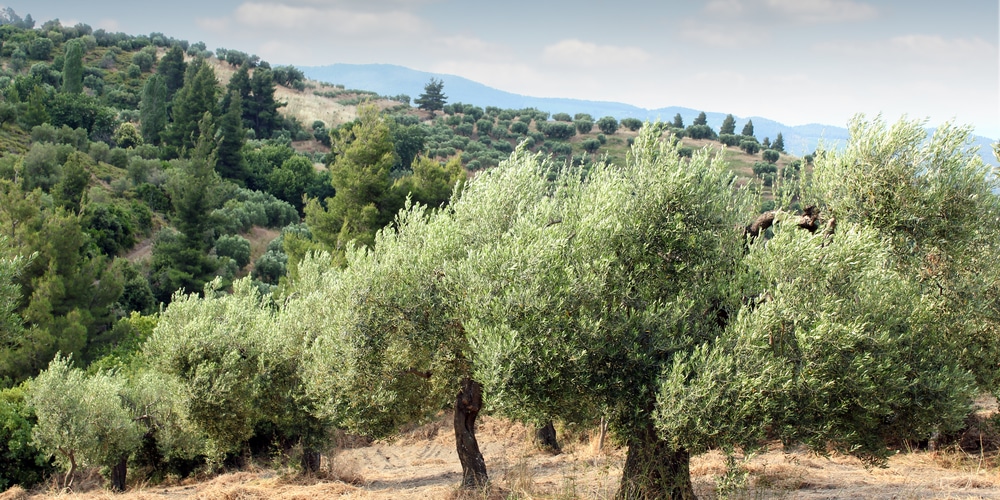
You’re more likely to get a decent harvest from a well-established tree in a pot that’s been brought into a greenhouse for winter, or from a tree planted in a particularly warm and sheltered microclimate in the ground.
Even if you don’t get a huge harvest, the silvery-green foliage of an olive tree is a beautiful addition to any garden. They have a wonderfully Mediterranean feel, and even a few homegrown olives to pickle or add to a salad are incredibly rewarding.
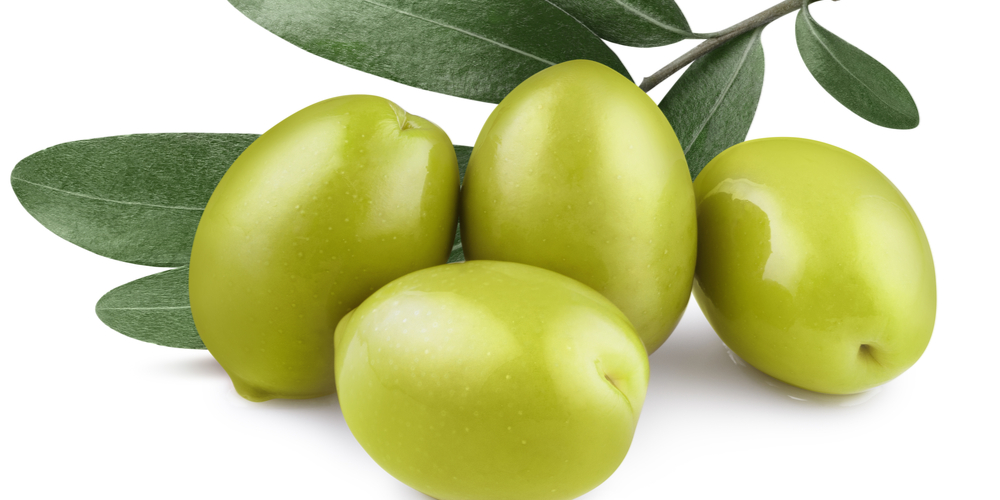
The fruits themselves, when they appear, will likely be smaller than the ones you buy in the supermarket. And remember, most olives need to be cured (brined or otherwise treated) before they are palatable. Eating a fresh, unripe olive straight from the tree is… an experience. Not necessarily a pleasant one! It’s an acquired taste, shall we say.
Beyond the Fruit: The Beauty of the Olive Tree
Let’s be honest, even if your olive tree only ever produces a handful of olives (or, dare I say it, none at all), it’s still a fantastic plant to have in your garden. Their silvery-green leaves are incredibly attractive, lending a touch of Mediterranean charm to even the most decidedly British of gardens. They have a timeless elegance and a unique sculptural quality.
Imagine it: a beautifully gnarled trunk on an older tree, the delicate sway of its branches in the breeze, the dappled sunlight filtering through its leaves. It’s enough to make you feel like you’re on holiday, even if you’re just popping out to the bins.
So, while the dream of a fully-fledged olive oil production facility in your back garden might be a bit of a stretch (unless you live in Cornwall, perhaps!), the joy of growing an olive tree in the UK is still very much achievable and incredibly rewarding. It’s about the journey, the connection with nature, and the sheer satisfaction of nurturing something a little bit exotic.
And who knows? With a bit of luck, a perfect summer, and perhaps a whispered plea to the weather gods, you might just find yourself enjoying a tiny, but incredibly precious, harvest of your very own British olives. And that, my friends, is something to smile about. So go on, give it a go! Your garden (and your taste buds, potentially) will thank you for it.