Can You Grow Figs In The Uk
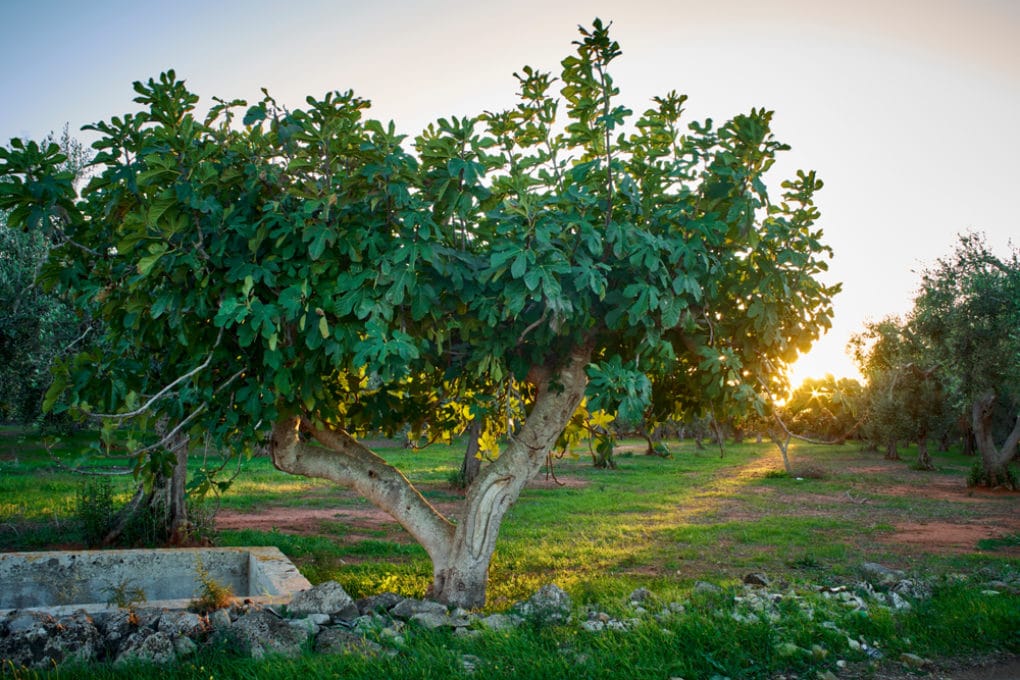
Imagine stepping out into your garden on a warm summer's day, not just to admire the roses, but to pluck a ripe, luscious fig straight from the tree. It sounds like something reserved for Mediterranean holidays, doesn't it? But here’s a delightful secret: cultivating these sweet, sun-kissed fruits is entirely possible, and surprisingly successful, right here in the United Kingdom!
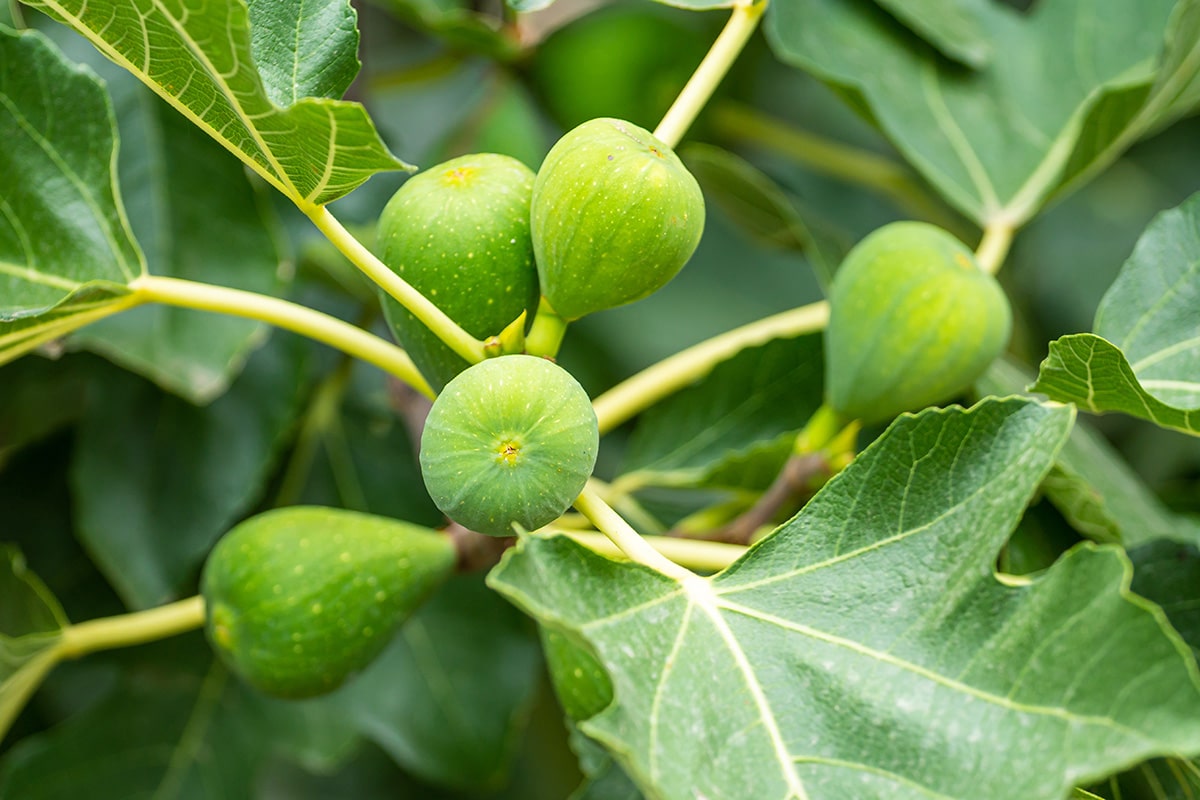
For years, the idea of growing figs in Britain might have seemed like a horticultural pipedream. We’re more accustomed to drizzly skies than scorching Mediterranean sun, and that’s led many to believe that the fig tree, Ficus carica, is far too exotic for our shores. But the truth is far more encouraging! With a little know-how and the right approach, you can absolutely enjoy your very own homegrown figs, bursting with flavour and sweetness. It’s a rewarding endeavour that brings a touch of the exotic to our gardens, offering a tangible taste of sunshine even on a cloudy afternoon. Plus, there's a unique sense of satisfaction that comes from nurturing a plant that’s traditionally associated with warmer climes and successfully coaxing it to produce delicious fruit.
The Sweet Rewards of UK Fig Growing
So, why bother with growing figs in the UK? The benefits are plentiful and, dare we say, rather delicious! Firstly, there's the unparalleled taste. Nothing compares to the flavour of a fig picked at the peak of ripeness from your own garden. They're far superior to anything you'll find in a supermarket, which often have to be picked before they're fully ripe to survive transport. Homegrown figs are incredibly sweet, with a soft, jammy texture and a unique, subtly sweet flavour that’s simply divine. Whether you enjoy them fresh, baked into tarts, or paired with cheese, the quality is exceptional.
Must Read
Beyond the taste, there’s the sheer joy of cultivation. Fig trees are surprisingly resilient and can be incredibly rewarding to grow. They don’t demand constant attention, making them a great option for busy gardeners. Once established, they can be quite low maintenance. They also add a beautiful, architectural element to your garden. With their large, lobed leaves, they create a lush, tropical feel, and when they start bearing fruit, it’s a truly marvellous sight.
Furthermore, growing your own figs is a fantastic way to connect with nature and understand where your food comes from. It’s a sustainable practice that reduces your food miles and your carbon footprint. Imagine the pride of telling guests, “Oh yes, these figs? I grew them myself!” It’s a conversation starter and a testament to your gardening prowess. For those interested in heritage varieties or unique fruits, the world of fig cultivation offers a fascinating niche to explore. Many older varieties are perfectly suited to the UK's climate and offer a richer, more complex flavour profile than the common supermarket offerings.
Choosing the Right Fig for Your Patch
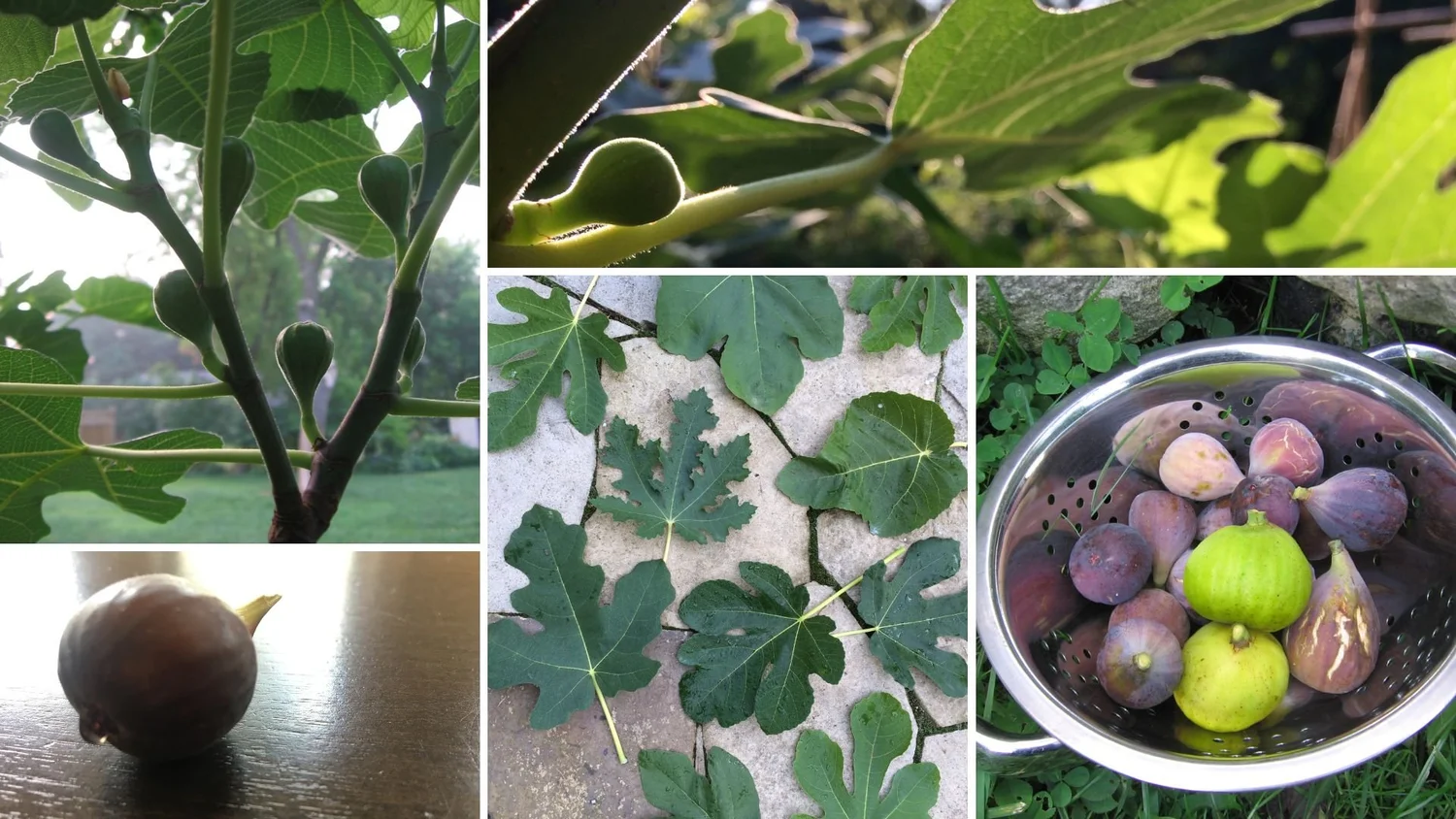
The good news is that many fig varieties are surprisingly adaptable to the UK's climate. The key is to select the right type and provide them with the best possible conditions. Some varieties are naturally more cold-hardy and tend to crop reliably in our cooler summers. For beginners, a few popular and dependable choices include:
- 'Brown Turkey': This is perhaps the most common and reliable fig variety in the UK. It's known for its good cropping ability, producing medium-sized, sweet, brown-skinned figs. It's quite hardy and forgiving, making it an excellent starting point.
- 'Celeste' (also known as 'Little Miss Figgy'): As the nickname suggests, this is a smaller variety, producing delicious, small, purplish-brown figs. It's known for its sweetness and good performance in cooler climates.
- 'Violette de Bordeaux': This variety offers small, intensely sweet, dark purple figs with a rich, almost jammy flavour. It’s also known for being relatively hardy and a good choice for container growing.
- 'Marseilles' (also known as 'White Marseilles'): A classic variety producing greenish-yellow figs with a sweet, mild flavour. It’s a reliable cropper and can produce edible fruit even in less than perfect summers.
When choosing a fig tree, look for healthy specimens from reputable nurseries. Consider the space you have available. Some fig trees can grow quite large, but many are perfectly happy being pruned and managed in a smaller garden or even grown in pots.
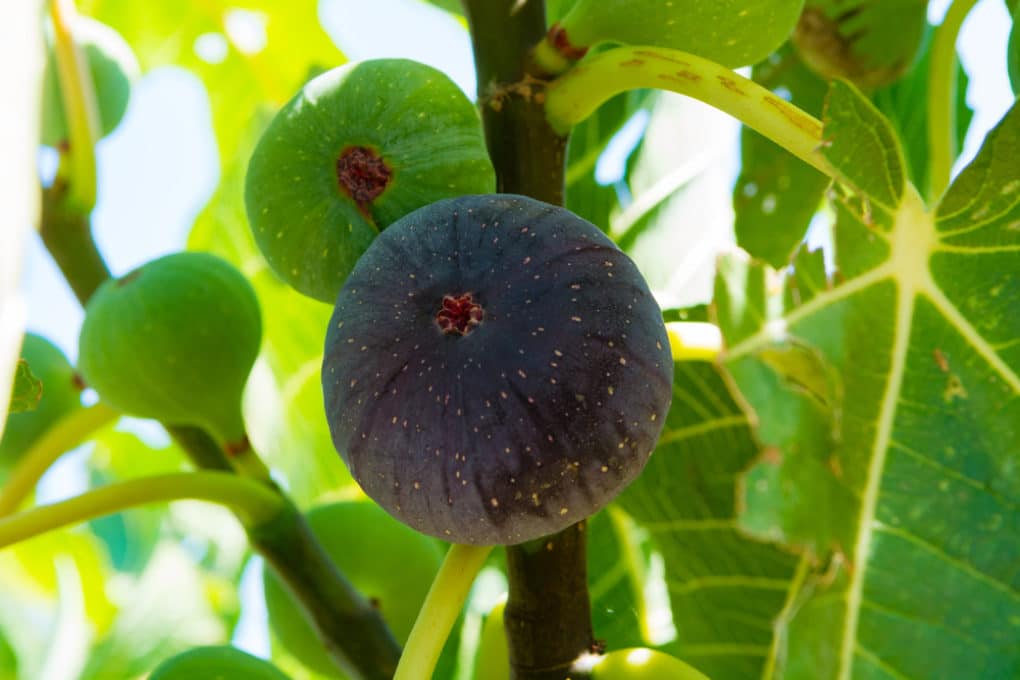
Location, Location, Location: Giving Your Fig the Best Start
Even the hardiest fig variety will appreciate a little help to thrive in the UK. The secret to success often lies in choosing the right spot for your tree. Figs absolutely adore sunshine, so pick the warmest, sunniest, and most sheltered spot you can find. A south-facing wall is ideal, as it will absorb and radiate heat, providing a much-needed microclimate. This will not only encourage the fruits to ripen but also help the tree survive any harsh winter frosts.
If planting directly into the ground, consider the soil. Figs prefer well-drained soil. If your soil is heavy clay, it’s a good idea to improve it with plenty of grit and organic matter. A slightly restricted root run can actually encourage fruiting, so don’t go overboard with huge planting holes. In fact, planting them against a wall with a paved or gravel area in front can create a beneficial "warm base" effect.
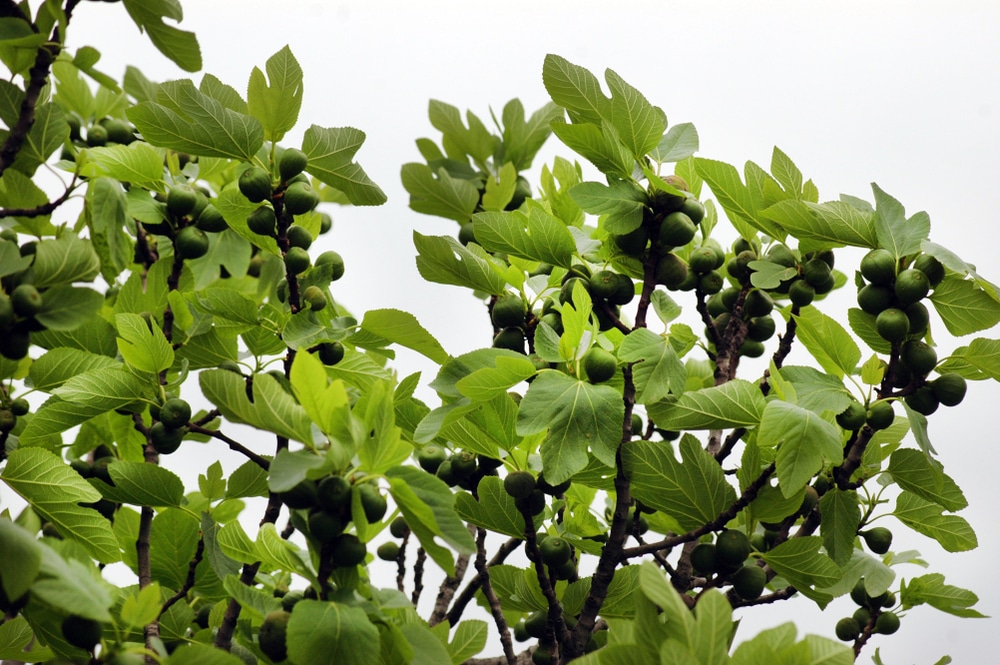
For those with limited space, or if you have particularly exposed conditions, growing your fig tree in a large pot or container is an excellent alternative. This allows you to move the tree to a more sheltered position during winter if necessary. Use a good quality, well-draining potting compost, and ensure the pot has adequate drainage holes. A pot of at least 15-20 litres is a good starting point, increasing the size as the tree grows.
Tending Your Fig Tree: Simple Steps to Success
Caring for your fig tree in the UK is generally straightforward. Here are a few key tips:
- Watering: Figs are relatively drought-tolerant once established, but they will appreciate consistent watering during dry spells, especially when the fruit is developing. Overwatering should be avoided, as it can lead to root rot.
- Feeding: While figs aren't heavy feeders, a light feed with a balanced liquid fertilizer in spring can help boost growth and fruit production. Avoid high-nitrogen feeds, which encourage leafy growth at the expense of fruit.
- Pruning: Pruning is important for managing the size and shape of your fig tree, and for encouraging fruit production. The best time to prune is late winter or early spring, before new growth begins. You can remove any dead, damaged, or crossing branches. Pruning also helps to direct energy into ripening the existing fruit. For trees grown against a wall, a fan shape is often ideal.
- Winter Protection: While many varieties are hardy, very young trees or those in exposed locations might benefit from some winter protection. Wrapping the trunk with horticultural fleece or straw can help insulate it against hard frosts. In extremely cold snaps, covering the upper branches with fleece can also be beneficial.
With these simple practices, you'll be well on your way to enjoying your own sweet, sun-ripened figs, proving that a taste of the Mediterranean is indeed achievable in a UK garden. So, why not give it a try? You might be surprised at just how fruitful your British fig-growing adventure can be!