Can You Grow Bamboo In The Uk

So, you’ve been dreaming of a jungle paradise right in your own backyard? Maybe you've seen those glossy magazine spreads with towering, elegant bamboo stalks and thought, "Could I do that here in the UK?" Well, buckle up, my green-fingered (or aspiring green-fingered!) friend, because the answer is a resounding… drumroll please… yes, you absolutely can grow bamboo in the UK!
Now, before you picture us all sweltering in a tropical heatwave and wrestling with giant panda-sized stalks, let’s get one thing straight: the UK climate isn't exactly the Amazon. But fear not! With a little bit of know-how and the right kind of bamboo, your garden can still get a serious dose of that exotic, serene vibe. Think of it as bringing a little bit of ‘zen’ to your suburban sprawl, or a touch of ‘wow’ to your window box.
Let’s be honest, the thought of bamboo conjures up images of it taking over the world, doesn’t it? It’s like that one relative who comes to visit and never leaves. But that’s where a little bit of planty wisdom comes in. Not all bamboos are created equal, and understanding their personalities is key to a happy, harmonious garden.
Must Read
The Great Bamboo Divide: Clumpers vs. Spreaders
This is the most important thing you need to know. It’s the difference between a tranquil oasis and a full-blown botanical invasion. Imagine you’re at a party. You’ve got the sophisticated guests who mingle politely, and then you’ve got the ones who grab the mic and start a conga line around the living room. Bamboo is a bit like that.
We have two main camps: Fargesia (the lovely clumpers) and Phyllostachys (the adventurous spreaders).
Meet the Clumpers: The Polite Garden Guests
These are your well-behaved bamboos. Fargesia varieties are like those guests who bring a nice bottle of wine and stick to their designated corner. They grow upwards and outwards, but in a controlled, manageable way. They form a lovely, dense clump that gradually gets bigger over the years.
Think of them as the perfect choice for smaller gardens, for planting in pots, or if you’re a bit nervous about giving a plant too much freedom. They won't send out sneaky underground runners trying to colonise your neighbour's prize-winning petunias. And let’s face it, nobody wants a garden war over rogue rhizomes!
Some of the most popular Fargesia varieties include:
- Fargesia murielae: Often called ‘Umbrella Bamboo’, this is a classic. It’s hardy, looks great, and generally stays well-behaved. Perfect for beginners!
- Fargesia nitida: This one has lovely dark stems and delicate foliage, giving it a really elegant look. It’s another excellent clumping variety.
- Fargesia rufa: A bit more vigorous than some of the others, but still a clumper. It has a graceful, arching habit that looks stunning.
Planting a Fargesia is like making a new, dependable friend. They’ll be there, looking fabulous, without causing any undue stress. Easy peasy, lemon squeezy.
Enter the Spreaders: The Life of the Party (Maybe Too Much?)
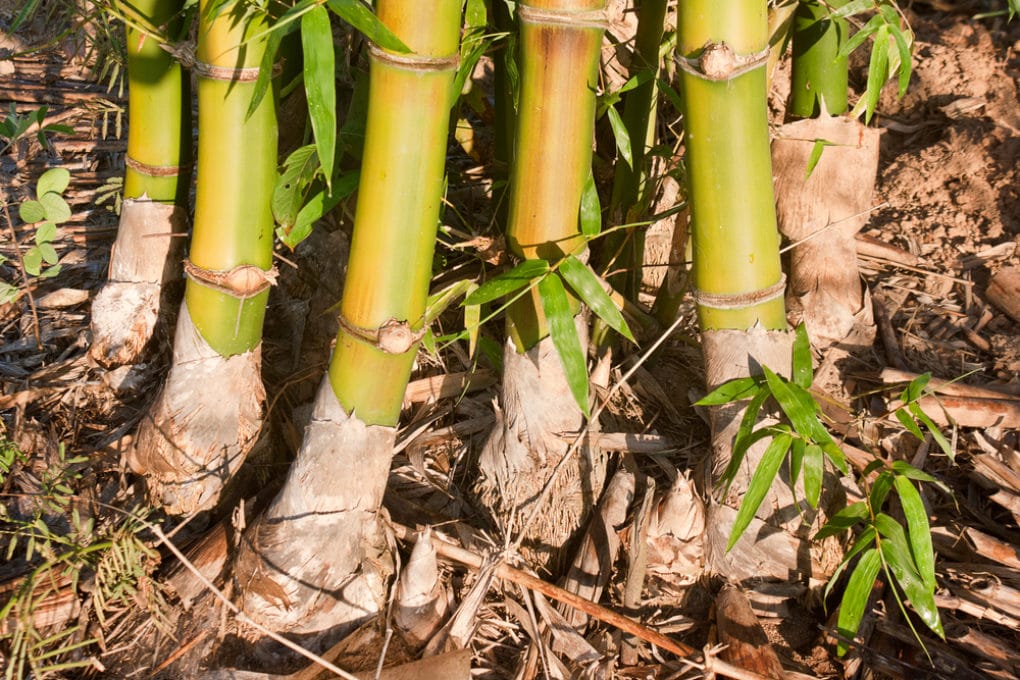
Now, Phyllostachys are a different kettle of fish. These are the bamboos that can spread. They send out underground shoots, called rhizomes, which can travel quite a distance. They’re like the energetic explorers of the bamboo world, always looking for new territory.
If you’ve got acres of land and a desire for a dramatic bamboo forest, then a Phyllostachys might be your dream come true. But if your garden is more ‘cosy cottage’ than ‘Scottish Highlands’, you need to be a little more cautious. Think of it as adopting a golden retriever puppy – a lot of love and energy, but requires training and management!
The key to growing Phyllostachys successfully and without drama is containment. And no, I don’t mean putting them in a tiny pot and hoping for the best. I mean proper root barriers.
Taming the Beast: Bamboo Containment Strategies
This is where we get serious, but in a fun, problem-solving way. If you choose a Phyllostachys, or even if you just want to be extra sure with a vigorous Fargesia, you’ll want to think about how to keep it in check. It’s not about stifling their spirit, it’s about directing their enthusiasm!
Here are your main options:
- Rhizome Barriers: These are your absolute best friends for spreaders. You can buy special heavy-duty plastic or metal barriers that you dig into the ground. You want something that’s at least 60cm deep, preferably 75cm, and you’ll need to leave a bit sticking up above the soil line too. It’s a bit of digging, but it’s a one-off job and will save you a lifetime of rhizome-wrangling. Imagine it as building a tiny, invisible fence for your bamboo’s roots.
- Pots and Containers: This is a great option for smaller Phyllostachys varieties, or if you want to move your bamboo around. Make sure the pot is big enough for the plant to grow, but not so enormous that it becomes impossible to manoeuvre. Good drainage is crucial here, as bamboo doesn’t like soggy feet. A nice terracotta pot can look rather chic, don’t you think?
- Strategic Planting: If you have a large garden, you can plant Phyllostachys in a designated area, perhaps with a hard surface like a patio or driveway surrounding it. The hard surface can act as a natural barrier, making it easier to spot and remove any escaping rhizomes. It’s like giving your bamboo its own ‘zone’.
Don’t let the idea of containment scare you. It’s just a bit of sensible gardening. Think of it as a fun project, a challenge to show your bamboo who’s boss (gently, of course!).
Choosing the Right Bamboo for the UK Climate
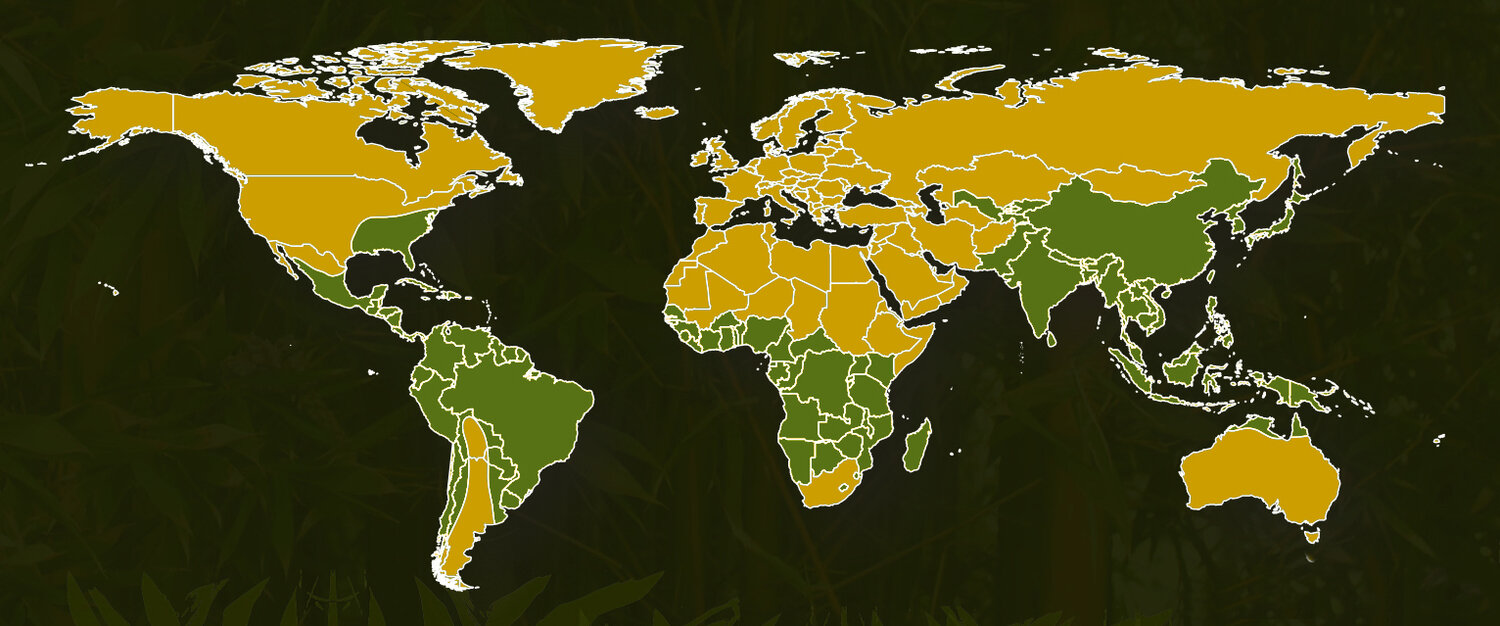
Okay, so we’ve got clumping and spreading sorted. Now, what about the weather? Will your bamboo survive a chilly British winter? The good news is, most bamboos are surprisingly hardy.
Many of the Fargesia varieties are perfectly happy in UK conditions, even in exposed spots. They’re built for resilience! Phyllostachys varieties can also do well, but they might appreciate a bit of protection in the harshest winters, especially when they are young and still establishing themselves.
When choosing your bamboo, look for descriptions that mention:
- Hardiness: Most reputable nurseries will give you a hardiness rating. Aim for something suitable for your local climate.
- Drought Tolerance: While bamboo likes water, some varieties are more forgiving if you forget to water them occasionally. Because, let’s be honest, we all forget sometimes, don't we?
- Sunlight Preferences: Some bamboos prefer full sun, others dappled shade. Consider where you’ll be planting it and choose accordingly.
A quick tip: when buying bamboo, always check the label. It’s your guide to a happy plant. Think of the label as the bamboo's biography!
Where to Plant Your Bamboo: Location, Location, Location!
So, you’ve picked your perfect bamboo. Now, where does it go? Well, it depends on the type, as we’ve discussed, but here are some general pointers:
- Protection from Wind: Bamboo foliage can be quite delicate, and strong winds can cause it to rustle and tear. Planting it in a sheltered spot or behind a fence or wall can make a big difference. It’s like giving your bamboo a nice, cosy jacket for blustery days.
- Good Drainage: This is non-negotiable! Bamboo hates sitting in waterlogged soil. If your soil is heavy clay, consider adding some grit or compost to improve drainage, or definitely go for pots with drainage holes.
- Sun vs. Shade: As mentioned, check the plant's needs. Some love soaking up the rays, while others prefer a bit of shade, especially during the hottest part of the day.
- Room to Grow: Even clumpers will get bigger over time, and spreaders… well, you know. Give them space! Don’t cram your bamboo into a tiny corner where it’ll be constantly stressed.
Think about the mature size of the plant. It’s easy to be seduced by a little bamboo seedling, but remember it’s going to grow!

Caring for Your UK Bamboo: It’s Not Rocket Science!
Once your bamboo is in the ground (or pot), the care is surprisingly simple. Bamboo is a remarkably robust plant, which is why it’s so popular!
Watering: The Thirsty Giant
When bamboo is young and establishing itself, it will need regular watering. Think of it like a baby bird – it needs consistent nourishment. Once it’s settled in, it’s much more drought-tolerant, but it will still appreciate a good soak during dry spells.
A good rule of thumb is to check the soil. If the top inch or two feels dry, it’s time to water. And if you have a lot of bamboo, you might find they become quite vocal about it – their leaves might start to curl slightly. They’re not complaining, just letting you know they’re a bit parched!
Feeding: A Little Treat Goes a Long Way
Bamboo is a grass, and like most grasses, it enjoys a bit of food. A general-purpose fertiliser in the spring and summer will do the trick. You can also use a slow-release fertiliser. Don’t go overboard; too much feeding can actually be detrimental. Think of it as a light snack, not a five-course meal.
Some gardeners swear by using a bit of compost or well-rotted manure. It’s like giving your bamboo a hearty breakfast to start its day.
Pruning: Keeping it Tidy
Pruning bamboo is less about shaping and more about tidying up and maintaining its health. You can:
- Remove Dead or Damaged Culms (Stalks): Use sharp secateurs or a pruning saw to cut them back to the ground. This encourages new growth and keeps the plant looking neat.
- Thin Out Dense Clumps: If your Fargesia is getting a bit too bushy, you can remove some of the older culms to improve air circulation and light penetration.
- Cut Back Runners: If you’re growing a Phyllostachys and a rogue runner pops up where you don’t want it, just snip it off at ground level. Easy!
Pruning is best done in late winter or early spring, before the new growth really gets going. It’s like giving your bamboo a stylish haircut for the new season.
Common Bamboo Myths Debunked!
Let’s clear up some of the spooky stories you might have heard about bamboo:
- Myth: Bamboo is invasive and will destroy my garden. Reality: Only the spreading varieties (Phyllostachys) can be invasive if not contained. Clumping varieties (Fargesia) are perfectly safe. It’s all about choosing the right type and using containment if necessary.
- Myth: Bamboo needs a tropical climate. Reality: Many bamboos are incredibly hardy and thrive in the UK's cooler, wetter climate.
- Myth: Bamboo grows incredibly fast and is impossible to control. Reality: While bamboo is fast-growing, with the right choices and containment, it’s very manageable. It’s more of a vigorous grower than an uncontrollable monster.
So, you see, it’s not as scary as it sounds! It’s just about making informed choices.
The Joy of Bamboo in Your UK Garden
Imagine this: a gentle breeze rustles through your bamboo, creating a soothing, rhythmic sound. Sunlight dapples through the tall, elegant canes, casting beautiful patterns on the ground. It’s a touch of the exotic, a whisper of the wild, right in your own little corner of the UK.
Bamboo isn’t just a plant; it’s an experience. It brings a sense of calm, a touch of drama, and a whole lot of natural beauty. It’s a fantastic screening plant, creating privacy without blocking out all the light, and it looks simply stunning as a specimen plant.
Whether you’re after a minimalist Japanese garden feel, a lush tropical haven, or just a bit of greenery to brighten up a dull corner, bamboo can deliver. And the best part? It’s achievable for pretty much anyone with a bit of garden space and a willingness to learn. So go on, embrace the bamboo! Your garden (and your soul) will thank you for it. Happy planting!