Can You Get Braces On The Nhs

Ah, braces. For some, they're a distant, possibly metallic, memory. For others, a glinting rite of passage currently underway. And for a brave few, a future adventure involving wires, rubber bands, and a newfound appreciation for dental floss. But when the thought of straightening those pearly whites pops into your head, a big question often follows: can you actually get them on the NHS? The answer, my friends, is a definite, though slightly intricate, yes!
It’s not quite as simple as walking into your local NHS dentist and saying, “Gimme the shiny smile maker, please!” There’s a bit of a system in place, and it’s designed to help those who really, truly need it. Think of it like a VIP list for teeth, but instead of needing to know a secret handshake, you need a good reason for the VIP treatment.
The main way to access NHS orthodontic treatment, the fancy term for braces, is through a referral. This means your regular dentist or a specialist dentist will have to assess your teeth and decide if you qualify. They'll be looking for more than just a slight crookedness. We’re talking about situations where your teeth are causing you real problems, like difficulty biting, chewing, or even speaking clearly. Sometimes, severely misaligned teeth can also lead to gum disease or jaw pain, and that’s where the NHS really steps in.
Must Read
Imagine your teeth as a slightly unruly choir. If everyone’s singing in tune, it sounds lovely. But if one person is consistently hitting a bum note, it can really throw off the whole performance! The NHS is there to help that one singer get back in harmony.
The assessment process isn't just about how your teeth look; it’s about how they function. This is where the "Index of Orthodontic Treatment Need" (IOTN) comes into play. Don't worry, you don't need to become a dental statistician to understand it. Basically, it’s a way for the experts to score the severity of your bite and alignment issues. The higher the score, the more likely you are to be eligible for NHS braces. It’s all about making sure that the resources are directed towards those who will benefit the most from a significant improvement.
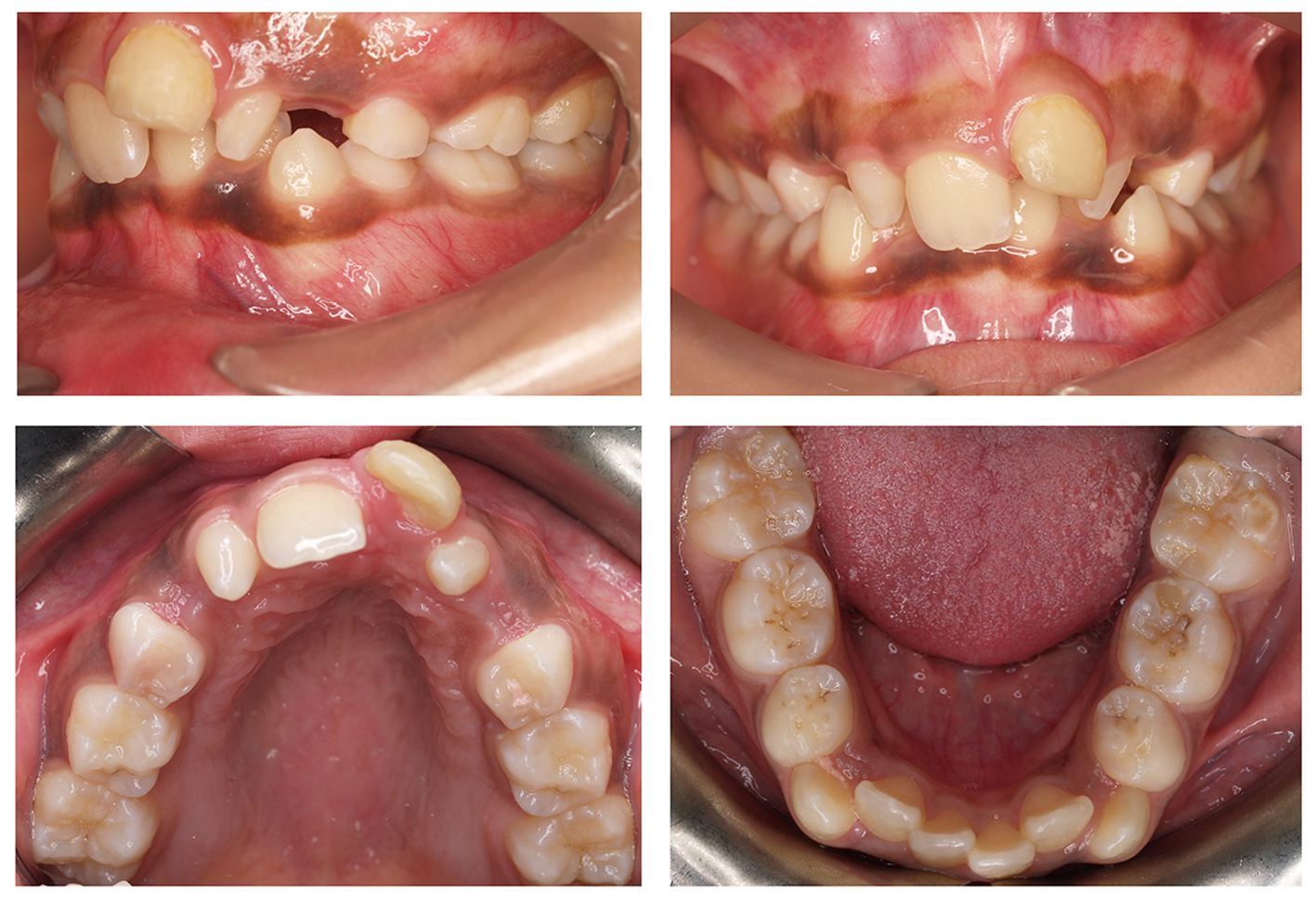
Now, let’s talk about who gets to be on this NHS stage. While adults can qualify, the spotlight often shines brightest on children and teenagers. Why? Because their mouths are still growing and developing, meaning the braces can often work their magic more effectively and with potentially longer-lasting results. Plus, let's be honest, navigating the often-awkward years of adolescence with a truly confident smile is a gift in itself. It's heartwarming to think of a young person, perhaps feeling a bit self-conscious about their smile, getting the chance to transform it through the NHS.
If you are referred, you’ll likely be put on a waiting list. And yes, sometimes these lists can be a little… lengthy. Think of it as a popular restaurant with a very good reputation. Good things come to those who wait, and a straight, healthy smile is definitely a good thing! While you’re waiting, your dentist will keep an eye on things, and you can continue to practice excellent oral hygiene. This is your chance to be the most dazzling patient on the waiting list!

When you finally get the call, it’s usually to attend an orthodontic clinic. Here, you'll meet the orthodontic team – a super-smart bunch of dentists and specialists who are all about making teeth behave. They’ll take impressions (those goopy things that make you feel like you’ve just eaten a marshmallow), X-rays, and photos. This is all to create your personalised smile plan. It's like commissioning a masterpiece, but instead of paint on canvas, it's wires and brackets on enamel.
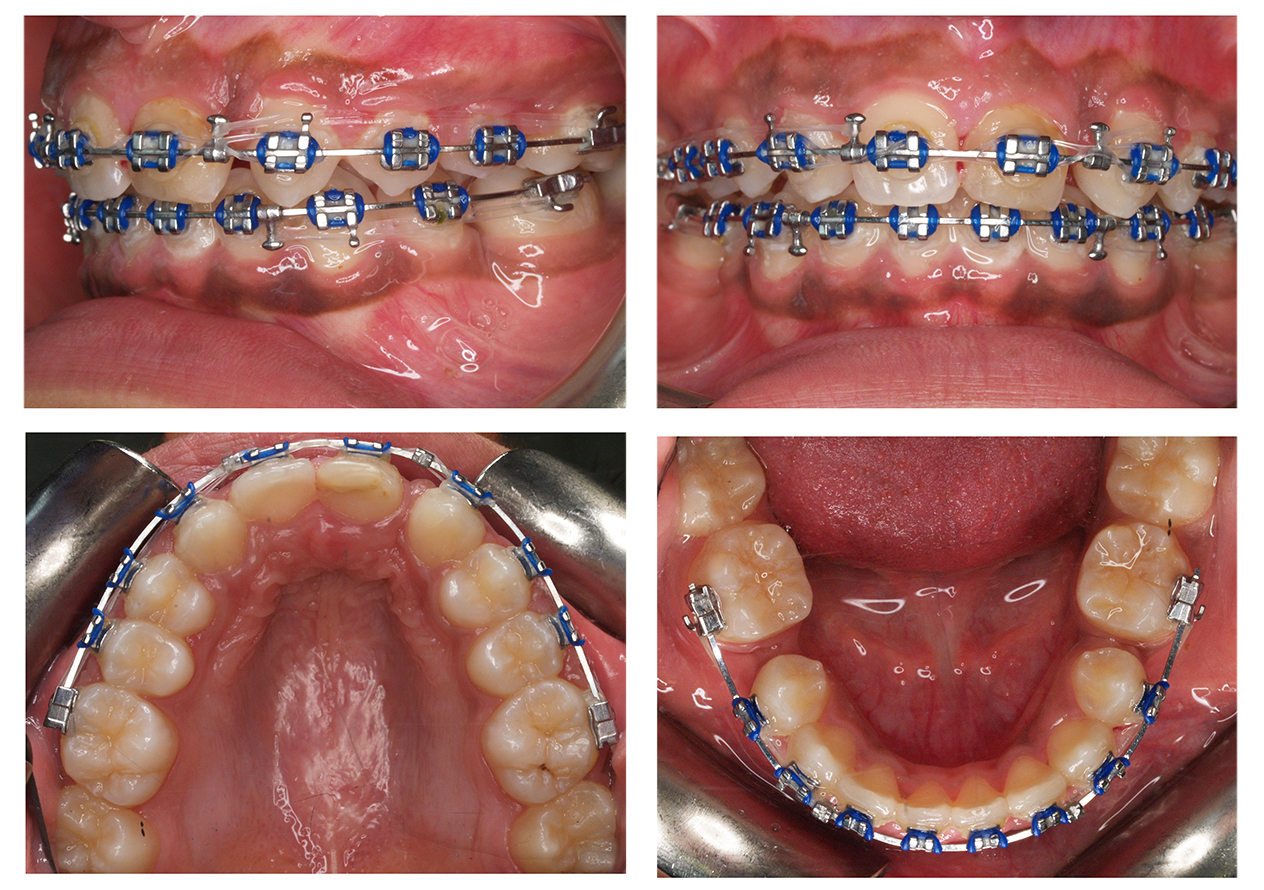
The types of braces you might get on the NHS are generally the traditional, metal kind. These are tried-and-tested workhorses of the orthodontic world. They might not be as discreet as some of the newer, fancier options, but they are incredibly effective. And let’s face it, there’s a certain cool factor to them, a badge of honour for achieving a straighter smile. Think of them as the trusty, classic car of dental correction – reliable, effective, and with a certain timeless appeal.
The journey with braces isn't always a walk in the park. There will be adjustments, perhaps a few little aches and pains, and definitely a newfound respect for foods that don't get stuck in your wires. But the end result? A smile that not only looks good but feels good too. A smile that can boost confidence, make communication easier, and last a lifetime. And knowing that this transformation can be achieved through the NHS, making it accessible to so many, is truly something to smile about. It's a testament to how the system prioritises health and well-being, even down to the alignment of our teeth. So, while the process might have a few steps, the door to a straighter smile on the NHS is definitely open for those who meet the criteria. It’s a story of care, of science, and ultimately, of happy, healthy smiles.