Can You Freeze A Can Of Beer
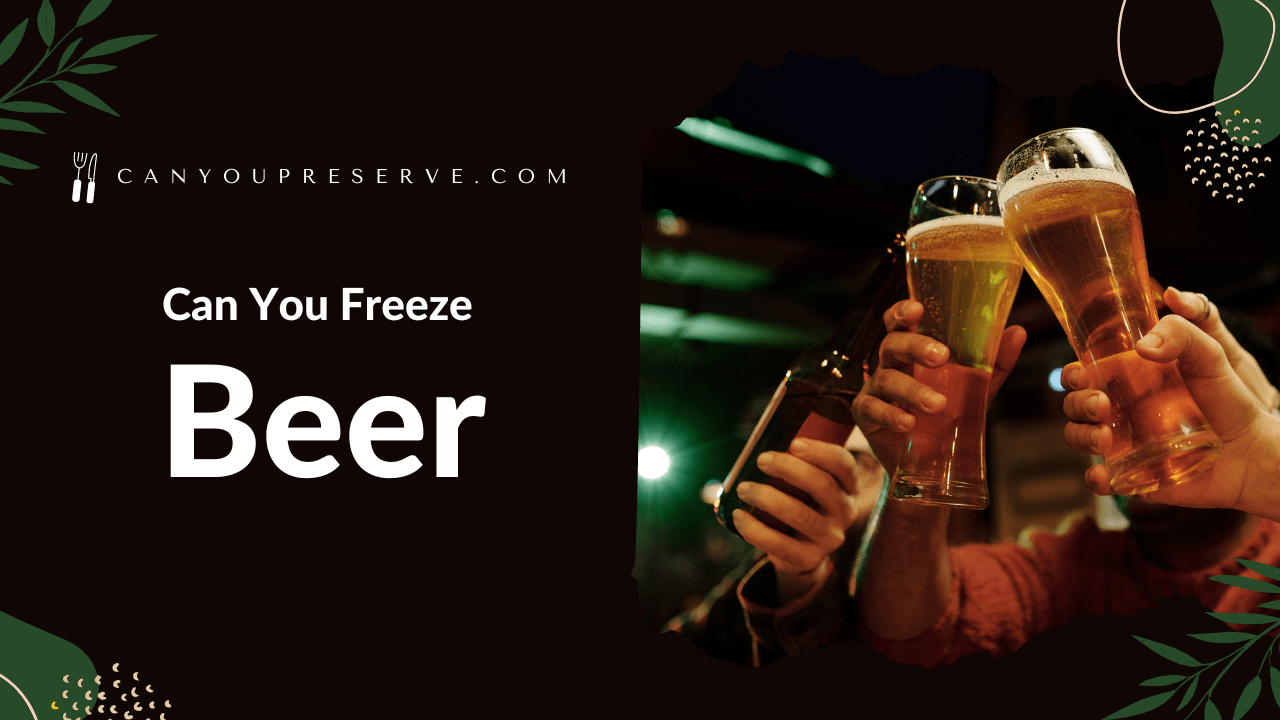
Ah, beer. The golden elixir, the fizzy friend, the soundtrack to countless chill sessions. We love it, we hoard it, and sometimes, just sometimes, we really need a cold one, like, yesterday. But what happens when that thirst hits, and your fridge is looking emptier than a politician’s promise? We’ve all been there. And then, a thought might just tickle the back of your brain: Can you, you know, freeze a can of beer?
It’s a question that’s probably crossed the minds of many a sun-drenched picnic-goer or late-night movie marathoner. The allure of an ice-cold, almost slushy beer on a scorching day is undeniable. But is it a gateway to frosty paradise or a one-way ticket to a boozy, fizzy disaster? Let’s dive in, shall we?
The Great Freeze: What Happens to Beer in the Cold?
So, the short answer to our burning question is… yes, you absolutely can freeze a can of beer. But here’s the kicker: it’s probably not going to end the way you might be hoping for. Think of beer like a beautifully complex cocktail of water, alcohol, carbonation, and a host of other flavour compounds. When you introduce extreme cold, these elements react in predictable, and sometimes not-so-predictable, ways.
Must Read
The Science Bit (Don’t Worry, It’s Not Scary!)
Water freezes at 32°F (0°C). Alcohol, on the other hand, has a much lower freezing point (around -173°F or -114°C for pure ethanol). Beer is mostly water, so the water content will freeze first. As the water turns into ice, it expands. And here’s where things can get… explosive.
That can isn’t designed to handle this kind of internal pressure. The expanding ice can push against the metal, causing the can to bulge, split, or even burst. Imagine a tiny, contained explosion of beer, potentially all over your freezer. Not exactly the refreshing experience we’re going for, right?
The Carbonation Conundrum
Then there’s the carbonation, that delightful fizz that makes beer so enjoyable. Cold temperatures cause gases to dissolve more readily in liquids. However, as the beer starts to freeze, the water begins to separate from the carbonation. This means that when your beer finally thaws, it’s likely to be flat as a pancake. All that lovely carbonation you paid for? Gone. Poof.
Flavour Fades
Freezing can also have a detrimental effect on the delicate flavour profiles of your beloved brew. The intense cold can cause some of the volatile aromatic compounds to become less… volatile. In simpler terms, the flavours can become muted or even change entirely. That hoppy IPA might taste more like… well, slightly alcoholic water. And your rich stout? Might lose some of its depth.
So, Is It Worth the Risk? A Pragmatic Perspective
Let’s be honest, most of us aren’t looking to conduct scientific experiments in our freezers. We just want a cold beer. If you find yourself in a pinch and are contemplating the freezer method, consider this: the chances of a messy explosion and a flat, flavourless beverage are pretty high. It’s the kind of gamble that might leave you with more cleaning to do than drinking to enjoy.
The “Accidental Freeze” Scenario
We’ve all had that moment where a can or bottle of beer gets forgotten in the back of the fridge, or maybe a bit too close to the freezer vent. These are the times when the accidental freeze happens. You’ll notice the can is bulging, and upon thawing, you’ll likely discover the aforementioned flatness and flavour degradation. It’s a sad sight for any beer enthusiast.
What If I Really Want It Frozen? (Proceed with Extreme Caution!)
Okay, okay, we know some of you are adventurous souls. If you’re absolutely determined to get a near-frozen beer experience without detonating your freezer, there are a few, shall we say, less risky methods. These are more about getting the beer incredibly cold, rather than truly freezing it solid.
The Ice Bath (The Classic Move): This is your best bet for a rapid chill. Fill a bucket or sink with ice and water. Toss in your cans or bottles, giving them a good stir every now and then. This method is surprisingly effective and far less dramatic than the freezer option. You can even add a generous amount of salt to the ice bath – the salt lowers the freezing point of water, making the ice colder and chilling your beer even faster. Think of it as a DIY cryogenic chamber for your beverage.

The Damp Paper Towel Trick: Wrap your can in a damp paper towel and then place it in the freezer. The evaporation of the water from the paper towel will help to cool the can more quickly. Keep an eye on it, though! You don't want to leave it in there so long that it starts to freeze and expand. This is a short-term, targeted cooling method.
The “Just Right” Zone: Some freezers have a specific “quick freeze” or “beverage chilling” zone that’s designed to get things cold without necessarily freezing them solid. If your freezer has such a feature, this is a safer bet. Always check the can for bulging before you remove it.
The Beer Slushie (A Niche Pursuit):
For the truly experimental, there’s the concept of a beer slushie. This involves partially freezing the beer to create an icy texture. The key here is gentle, controlled freezing. You’d likely be pouring the beer into a container that allows for easier scraping or stirring as it freezes, breaking up ice crystals and preventing massive expansion. It’s a bit more involved than just chucking a can in, and the results can still be hit or miss. It’s less about freezing the can and more about freezing the beer itself in a controlled manner.
A Nod to the Pros: How Breweries Handle Cold
Ever notice how some craft breweries will serve their beers at specific temperatures, sometimes even a little warmer than ice-cold? There’s a reason for that. Different beer styles benefit from different serving temperatures. A light lager might be glorious at near-freezing, but a complex stout or a barrel-aged barleywine would be practically muted if served that cold. The cold can mask the nuanced flavours that the brewers worked so hard to develop.

Think about it like this: you wouldn’t serve a delicate French perfume in a blast of Arctic air, would you? You’d want to experience its full bouquet in a comfortable environment. The same logic applies to a well-crafted beer. The sweetness, the bitterness, the malt notes, the hop aromas – they all come to life at the right temperature.
The "Chill" Factor: A Cultural Connection
The desire for a cold beer is deeply ingrained in our culture. From backyard BBQs in the height of summer to cozy pubs on a winter’s evening, a cold beverage is often a social connector. Remember those iconic scenes in movies where someone triumphantly pulls an ice-cold beer from a cooler? That’s the aspirational image we’re all chasing!
However, the idea of a frozen beer? That’s a little less common in mainstream culture. While some might enjoy a novelty beer slushie, the general consensus leans towards a perfectly chilled, not frozen, beverage. It’s about enjoying the beer as it was intended, with all its complex flavours and refreshing carbonation intact.
A Little Beer History Nugget:
Did you know that the modern refrigerated beer we know and love is a relatively recent invention? Before widespread refrigeration, keeping beer cold was a significant challenge. Brewers often relied on natural ice harvested in winter and stored in insulated ice houses. So, our quest for the perfectly chilled pint has a long and rather chilly history!
The Takeaway: Best Practices for Beer Bliss
So, after all this talk of expansion, flatness, and flavour loss, what’s the verdict? Resist the urge to freeze your beer cans. The potential for a messy disaster and a disappointing drink far outweighs the slim chance of achieving a perfectly frozen, enjoyable beverage.
Instead, embrace these tried-and-true methods for achieving that ideal chill:
- The Fridge is Your Friend: Give your beer adequate time in the refrigerator. Most beers are best enjoyed between 40-55°F (4-13°C), depending on the style.
- Ice Bath Power: For that rapid chill, the ice bath (with or without salt!) is your superhero.
- Know Your Beer Style: Different beers have different ideal serving temperatures. A light lager is fantastic when super cold, but a rich stout or a strong ale might be better slightly warmer to unlock its full flavour.
- Invest in a Good Cooler: If you're heading outdoors, a quality cooler packed with ice will keep your brews perfectly chilled for hours.
Ultimately, beer is about enjoyment. It’s about relaxing, savouring a moment, and sharing good times. Messing with its fundamental nature through extreme freezing is rarely the path to maximum enjoyment. It's like trying to force a square peg into a round hole – it might fit for a moment, but it's not the natural, harmonious fit we’re looking for.
A Moment to Reflect: The Balance of Enjoyment
We live in a world of instant gratification, where we often want things to happen now. This extends to our beverages, too. We want that cold beer without the wait. But perhaps there’s a gentle reminder in the humble beer can: some things are worth a little patience. Taking the time to properly chill a beer, or even just waiting for it to reach the right temperature, is a small act of self-care. It’s acknowledging that sometimes, the journey to enjoyment is just as important as the destination. So, next time that thirst hits, reach for the ice bath, or simply plan ahead and pop your beer in the fridge. Your taste buds, and your freezer, will thank you for it.