Can You Eat The Rind Of Brie

Ah, Brie! That luscious, creamy cheese with its distinctive bloomy rind. For many of us, a wedge of Brie is an instant mood-lifter, a centerpiece for gatherings, or simply a luxurious treat for a quiet evening. It’s that irresistible combination of soft, gooey interior and that slightly tangy, earthy exterior that makes it so universally loved. But as you reach for that knife, a question often surfaces, sometimes whispered, sometimes debated with gusto: "Can you actually eat the rind of Brie?" Well, my friends, prepare to have your cheese-loving world enlightened!
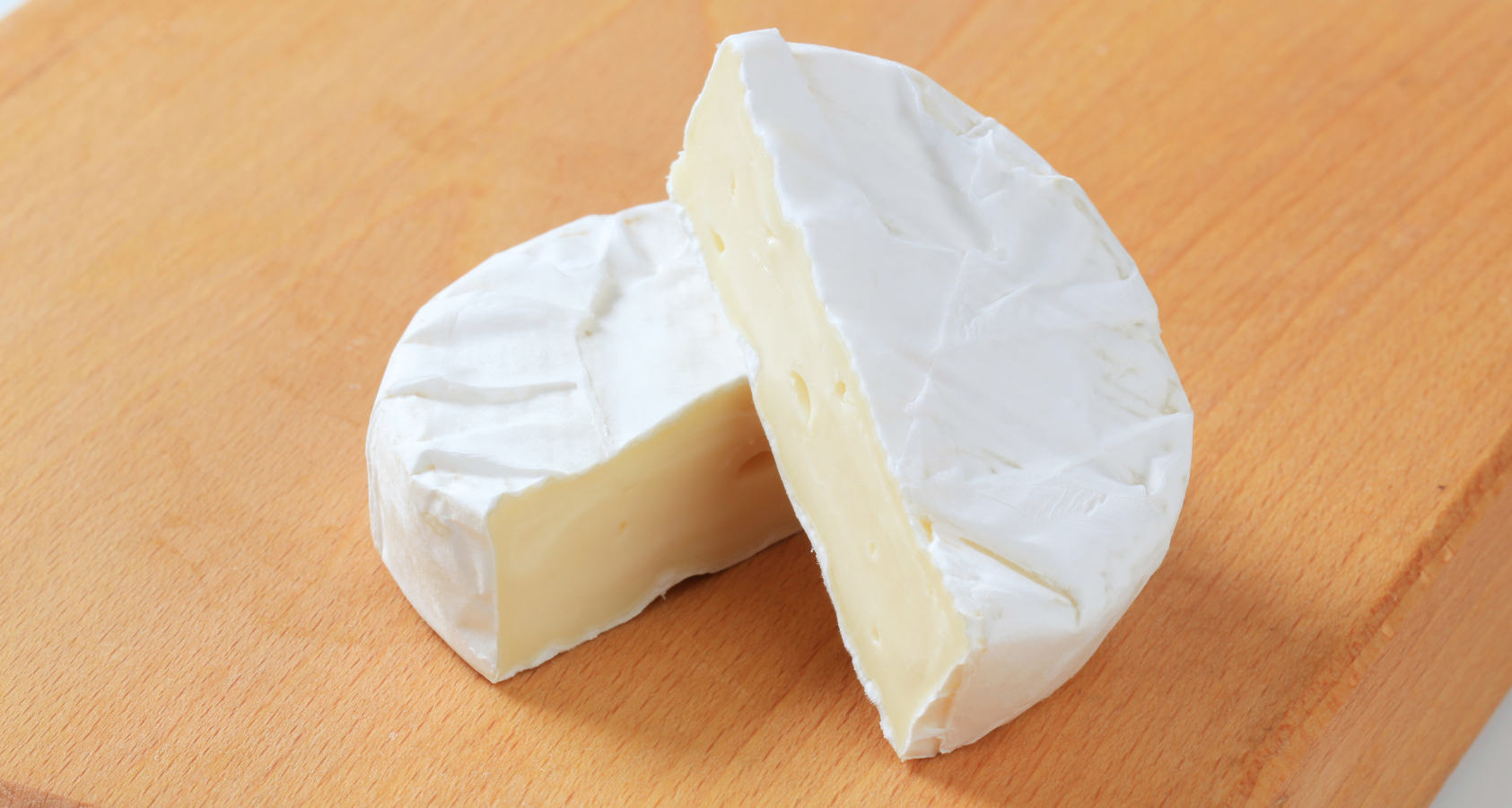
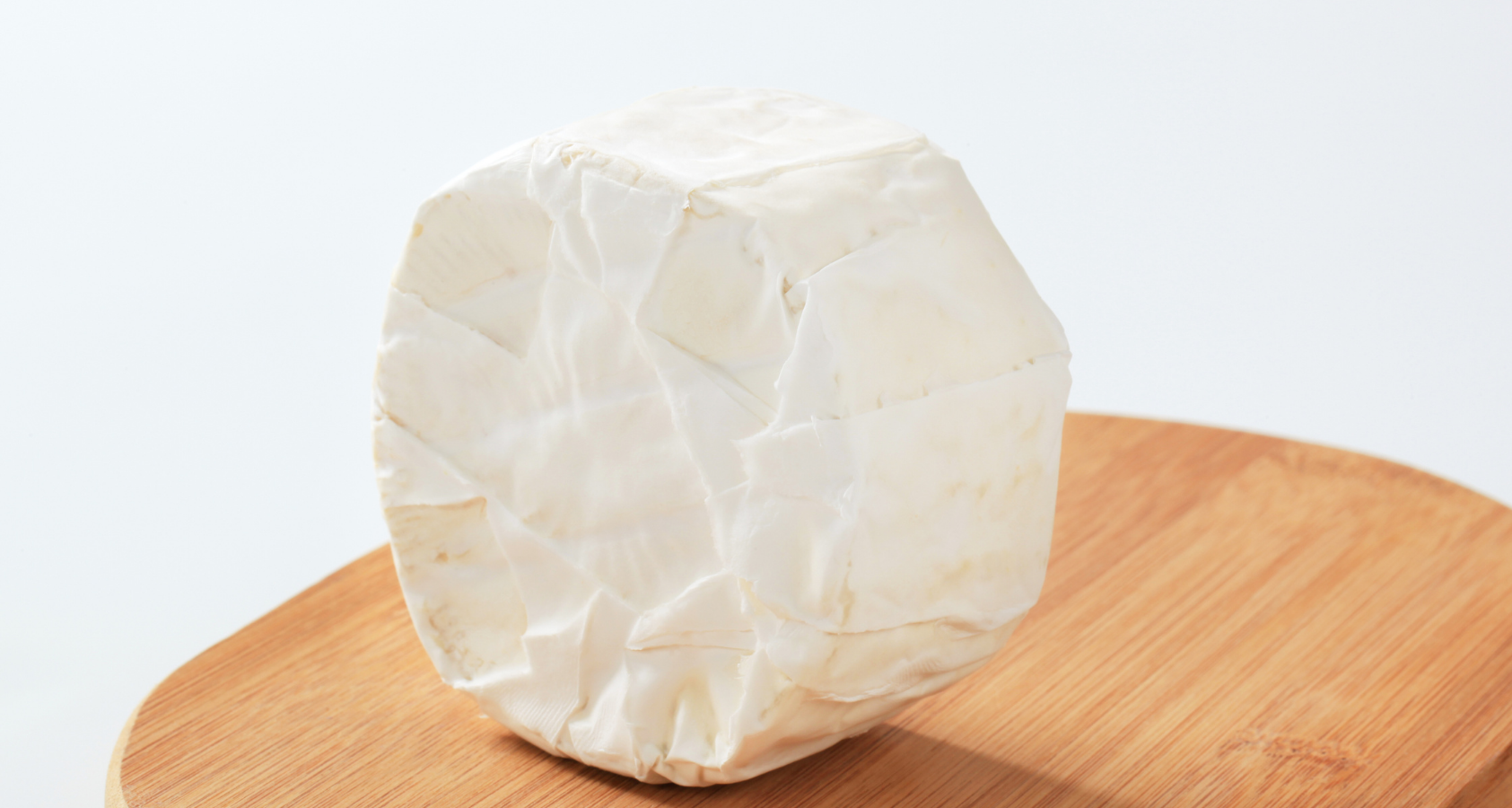
The answer, in short, is a resounding YES! And not only can you eat it, but you should! That beautiful white rind, often referred to as the “bloom,” is an integral part of the Brie experience. It’s not just for show, you see. The rind, typically made from a mold called Penicillium candidum, plays a crucial role in the cheese-making process. It helps to ripen the cheese from the outside in, developing those wonderful complex flavors and that signature creamy texture we adore. Think of it as the cheese's protective and flavorful outer layer, a testament to the art of cheesemaking. To discard it would be like throwing away half the flavor profile!
So, what are the benefits of embracing the rind? Firstly, there's the flavor. The rind contributes a distinct earthy, mushroomy, and sometimes even slightly ammoniated note that beautifully contrasts with the buttery sweetness of the interior. It adds depth and a certain sophistication to the cheese. Secondly, it’s all about the texture. While the inside is famously soft and yielding, the rind offers a slight chewiness, a subtle resistance that makes each bite more interesting. It’s that delightful textural contrast that truly elevates the Brie.
Must Read
Common ways to enjoy Brie, rind and all, are as diverse as the cheese itself. Of course, the classic is a simple platter with crackers or a baguette. Let the cheese come to room temperature for the ultimate oozy, spreadable delight. But don't stop there! Baked Brie is a crowd-pleaser for a reason. Wrap a whole wheel in puff pastry with some honey or jam, and bake until golden and bubbling – the rind becomes wonderfully soft and melty. You can also slice Brie, rind included, and add it to sandwiches for an instant gourmet upgrade, or melt it over roasted vegetables. It even works beautifully in tarts and quiches, adding a rich creaminess.
Now, for some practical tips to help you enjoy your Brie, rind and all, even more effectively. Always allow your Brie to come to room temperature before serving. This is paramount! Cold Brie is firm and less flavorful. Let it sit out for about 30-60 minutes. When cutting, a sharp knife will help you achieve clean slices, ensuring you get a good ratio of rind to paste in each bite. Don’t be afraid to try it on its own first, simply with a plain cracker, to truly appreciate its nuanced flavor. And if you happen to find a particularly thick or slightly tough rind on occasion, don't fret. You can always scrape off a little if you prefer, but I encourage you to give it a genuine try first. Embrace the entirety of this magnificent cheese – you might just discover a whole new level of Brie appreciation!