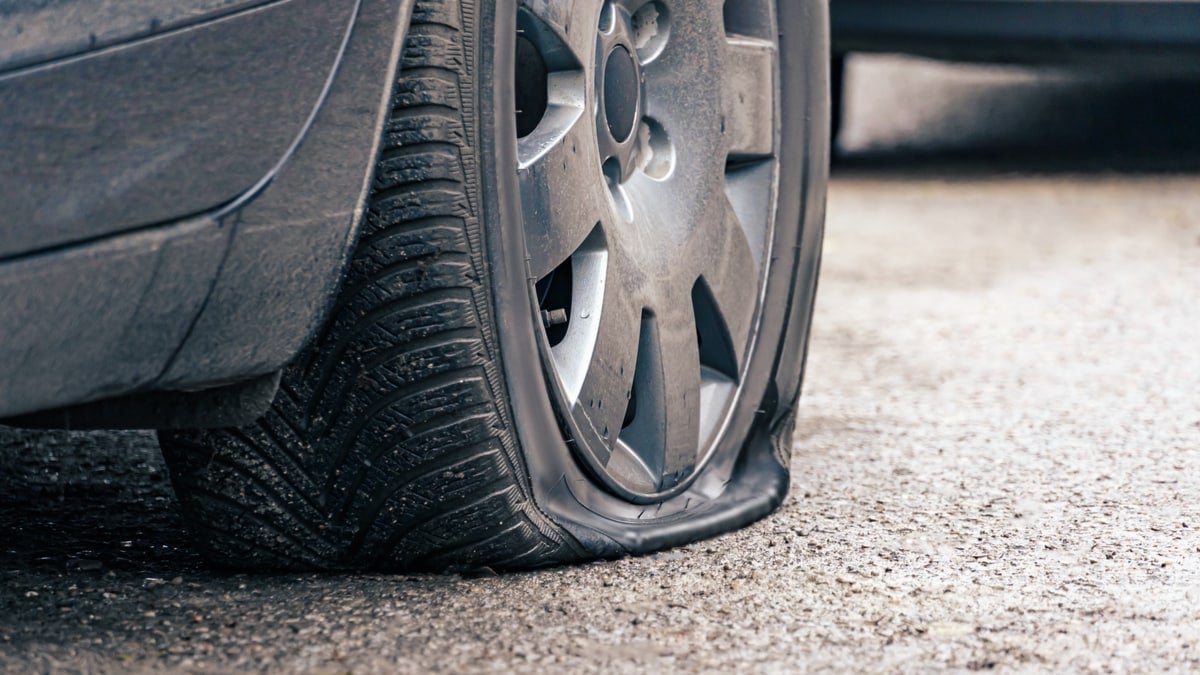
Can You Drive With A Flat Tire

Picture this: you're cruising down the highway, windows down, singing along to your favorite tune. Suddenly, a little thump-thump-thump interrupts your jam session. Uh oh. Your car is telling you it's got a little problem, a rather deflated one, to be exact.
This is the dreaded flat tire situation. It’s like your car suddenly decides to sprout a sad, floppy shoe. Most of us have been there, staring at that sad, sagging rubber with a mixture of dread and annoyance. It’s a moment that can really put a damper on a perfectly good day.
But what if I told you that sometimes, just sometimes, you can keep going? Yes, you read that right. While it’s definitely not ideal, and certainly not a long-term plan, there are scenarios where a little bit of flat-tire driving is, shall we say, possible.
Must Read
Let's talk about the unsung hero of the flat tire world: the run-flat tire. These aren't your average tires. They're designed with a reinforced sidewall, kind of like a tiny, built-in crutch. This means even when they lose air, they can still hold up your car for a little while.
Think of it as your car wearing a special, temporary boot. It’s not meant for speed demon antics or marathon road trips. The manufacturers usually recommend a speed limit, something like 50 miles per hour, and a limited distance, often around 50 miles. So, it’s more of a "get to safety" strategy than a "keep the party going" solution.
Imagine you're miles from the nearest town, the sun is setting, and the only thing you can see is an endless stretch of road. That’s where a run-flat tire can be a real lifesaver. It gives you that crucial window to find a safe spot to pull over, or to limp to a service station without being stranded in the middle of nowhere.
It's a little bit of automotive magic, really. Engineers have figured out a way to make rubber and air work a little harder, even when they're supposed to be taking a break. It's like a superhero tire that can still function, albeit a bit wobbly, when its powers are tested.
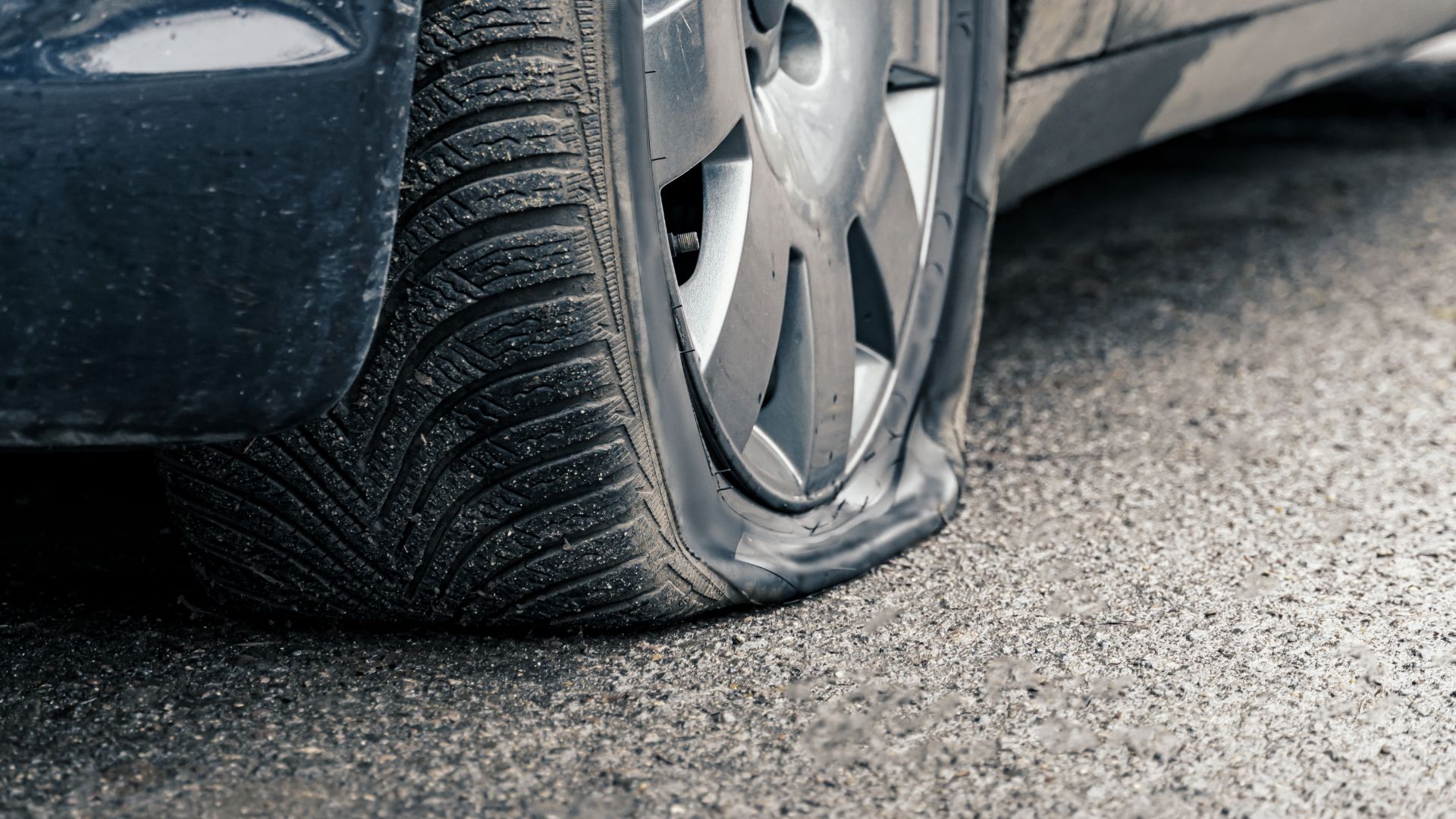
Now, let's be clear: driving on a completely flat, non-run-flat tire is a big no-no. It’s like asking your car to do a dance with a busted ankle. You risk seriously damaging your wheel rim, which is an expensive mistake to make. Plus, it's incredibly unsafe, making your car difficult to control.
But that little bit of driving on a low tire? It’s a different story. Think of it as a brief, awkward shuffle rather than a full-on stumble. It’s about minimizing the damage and maximizing your safety until you can get it sorted properly.
There are also those rare, almost cinematic moments. You know, the ones where a helpful stranger pulls over, a friendly mechanic appears like a guardian angel, or you discover a hidden gem of a tire shop just around the bend. Sometimes, the universe conspires to make your flat tire experience less of a disaster and more of a quirky adventure.
I remember hearing stories about people who’ve managed to drive short distances on a flat to reach a family member’s house for help. It’s not about being reckless; it’s about resourcefulness and the human desire to connect and get things done. It's about that little spark of "I can figure this out."
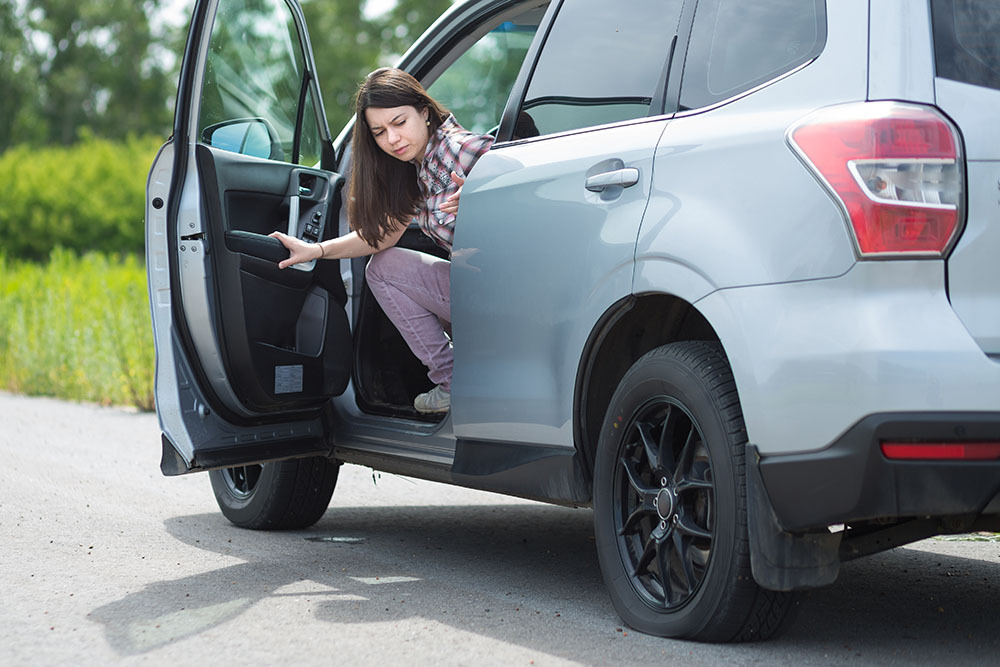
And then there’s the sheer determination of some drivers. They might not have run-flats, and they might not have immediate help. But with a deep breath and a prayer, they might cautiously nurse their car a mile or two to a safer spot. It’s a testament to the spirit of perseverance.
It’s also important to note that some modern cars come with tire pressure monitoring systems (TPMS). These little gadgets are your car's built-in tattletales, alerting you the moment a tire starts to lose air. This gives you a heads-up, a chance to react before it becomes a full-blown flat.
So, when that thump-thump-thump starts, don't immediately panic. First, check if you have run-flat tires. If you do, consult your owner's manual for the recommended speed and distance limits. It’s like reading the instructions on a new gadget – important stuff!
If you don't have run-flats, the best course of action is to find the nearest safe place to pull over immediately. This might mean a shoulder, a parking lot, or even a quiet side street. The goal is to get off the main road and away from fast-moving traffic.
Once you're safely stopped, you can assess your options. Do you have a spare tire and the tools to change it yourself? Are you comfortable doing it? If not, it’s time to call for roadside assistance. Most insurance policies or car clubs offer this service.
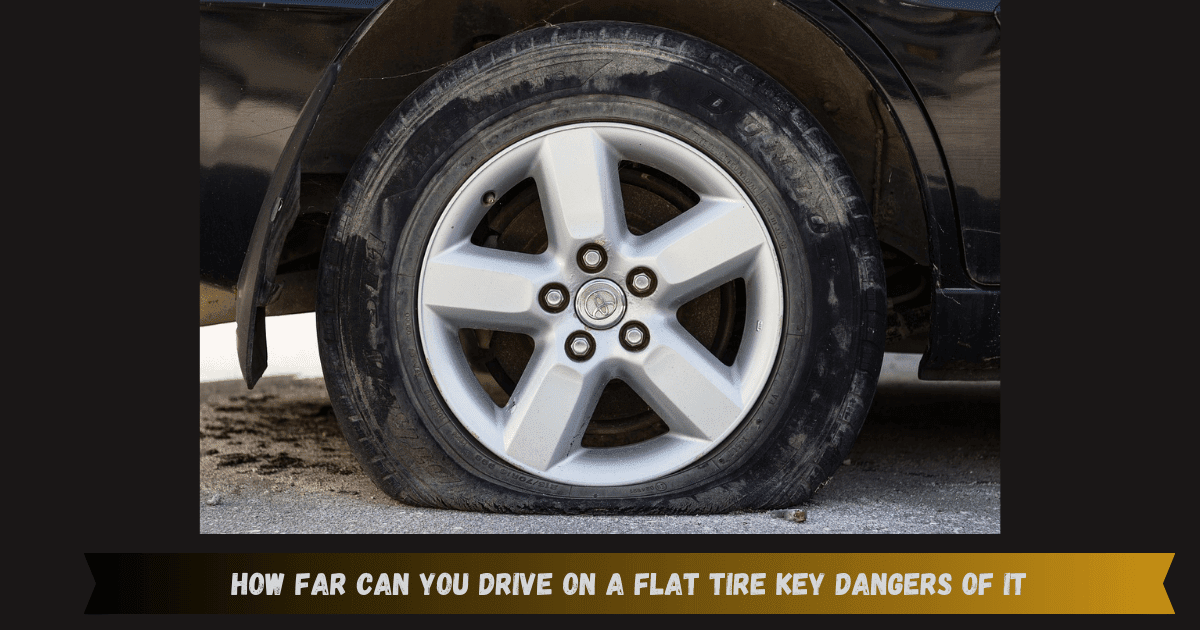
Think of the roadside assistance technician as your personal tire-changing superhero. They’ve seen it all, and they’re there to rescue you from your rubbery predicament. It’s a service that can turn a potentially stressful situation into a minor inconvenience.
And let's not forget the satisfaction of learning to change a tire yourself. It’s a practical skill that can boost your confidence and make you feel a little more self-sufficient on the road. It’s like unlocking a new level in your driving game.
There are countless videos and guides online that can show you exactly how to do it. It might seem daunting at first, but with a little practice, it becomes much less intimidating. It’s a skill that can save you time, money, and a lot of headaches.
The key takeaway here is that while driving on a flat tire is generally discouraged and can be dangerous, there are nuances. Run-flat tires offer a lifeline, and understanding their limitations is crucial. And for those without, prompt action and seeking professional help are paramount.

It’s also about how we frame these experiences. Instead of viewing a flat tire as a disaster, perhaps we can see it as an opportunity. An opportunity to test our problem-solving skills, to rely on the kindness of strangers, or to simply learn something new about our trusty steeds.
So, the next time you hear that ominous thump-thump-thump, take a deep breath. Assess the situation. You might just be surprised at how you can navigate this common automotive hiccup. And who knows, you might even end up with a story to tell, a slightly more resilient car, and a newfound appreciation for the complex, sometimes surprising, world of tires.
It’s a reminder that our cars, like us, can sometimes have off days. And sometimes, with a little bit of clever engineering and a dash of human ingenuity, they can push through, just a little bit further, to get us where we need to be.
It's not about ignoring the problem, but about understanding the possibilities. It's about knowing your car and its capabilities, and when to ask for a little help. It's about making the best of a situation that, let's face it, could be a lot worse.
So, next time you’re out on the open road, keep that in mind. The humble tire, a seemingly simple part of your car, has more layers and capabilities than you might think. And sometimes, even when it’s a little deflated, it can still help you keep rolling.