Can You Catch Fleas From A Cat
:strip_icc()/fleas-and-your-cat-552346-Final-742910b7cca544ed95622e97fd075d22.jpg)
Ah, our feline overlords! They grace our lives with their purrs, their judgment, and the occasional hairball. But sometimes, our furry friends bring home an unwelcome guest: the humble flea. It’s a tiny creature, barely visible, but it can cause a big commotion.
So, the age-old question arises: Can you, the devoted human servant, catch fleas from your beloved cat? The short answer is a resounding… yes, but let’s dive into the fun, and sometimes itchy, details!
The Tiny Terrors and Their Travel Plans
Imagine your cat, Sir Reginald Fluffernutter, lounging regally on his favorite velvet cushion. Unseen by the naked eye, a minuscule hitchhiker has hopped aboard. This isn’t a malicious act by Sir Reginald; he’s just a taxi service for these little acrobats.
Must Read
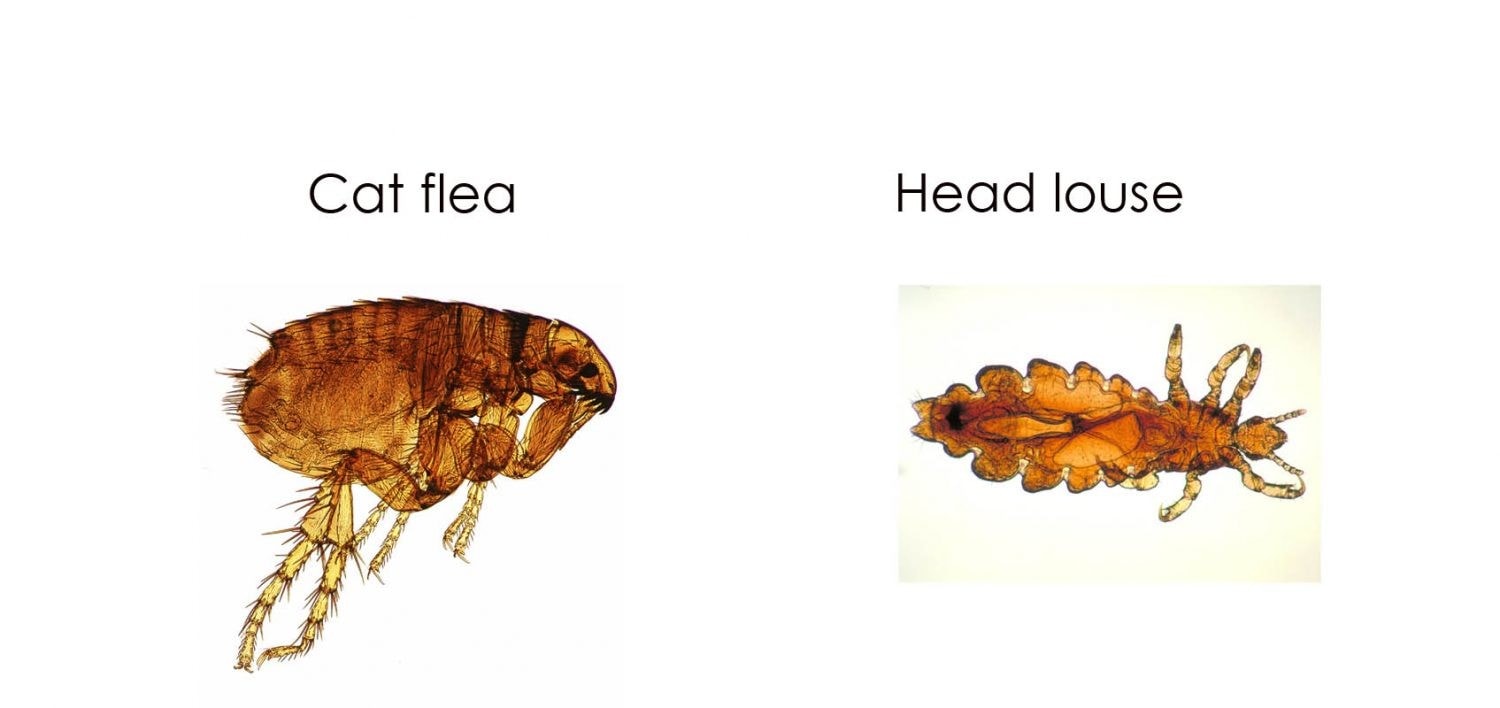
These are not just any bugs. Fleas are tiny, determined, and incredibly good at their job: survival. They have powerful legs designed for jumping, making them excellent escape artists from even the most pampered pet.
When your cat decides to have a good scratch, it’s like a mini earthquake in the flea world. They might get dislodged, and if you’re in the vicinity, well, you become their next potential ride.
The Sneaky Leap: From Cat to Human
Think of it like a miniature Olympic long jump, but with less fanfare and more potential for an itchy outcome. Fleas are particularly attracted to the warmth and carbon dioxide we exhale – a not-so-subtle dinner bell.
They are incredibly fast, so you might not even see them make the jump. One moment you’re petting your fluffy companion, the next, you’re wondering if you’ve developed a sudden allergy.
The good news? Fleas are usually more comfortable on their preferred host, which is typically your cat. They prefer the thick fur and consistent warmth. So while you can get them, it’s not always their first choice for a permanent residence.
The Itch Factor: What to Expect
The most obvious sign that you might have become a temporary flea hotel is, of course, itching. Flea bites often appear as small, red bumps, sometimes with a little redness around them.
They tend to cluster, especially around areas where your clothes are tight, like your ankles and waist. It’s like they’re saying, “We’re here, and we’ve brought our friends!”
While not the most pleasant experience, flea bites on humans are generally harmless. They don’t burrow into your skin like some other tiny invaders. They're more like tiny, annoying tourists.
A Tale of Two Hosts: Cat vs. Human
Your cat’s experience with fleas is usually more dramatic. They can become quite uncomfortable, leading to excessive scratching, biting, and even hair loss in severe cases. It’s a full-blown infestation for them!
For you, it’s more of a fleeting annoyance. The bites might itch for a few days, but they usually subside. Think of it as a brief, unwelcome guest who overstays their welcome for a bit.
This is why keeping your cat flea-free is so important. Not just for their comfort, but also to minimize the chances of these tiny travelers deciding to explore your furniture, your carpets, and yes, you!

The Flea Life Cycle: A Mini Drama
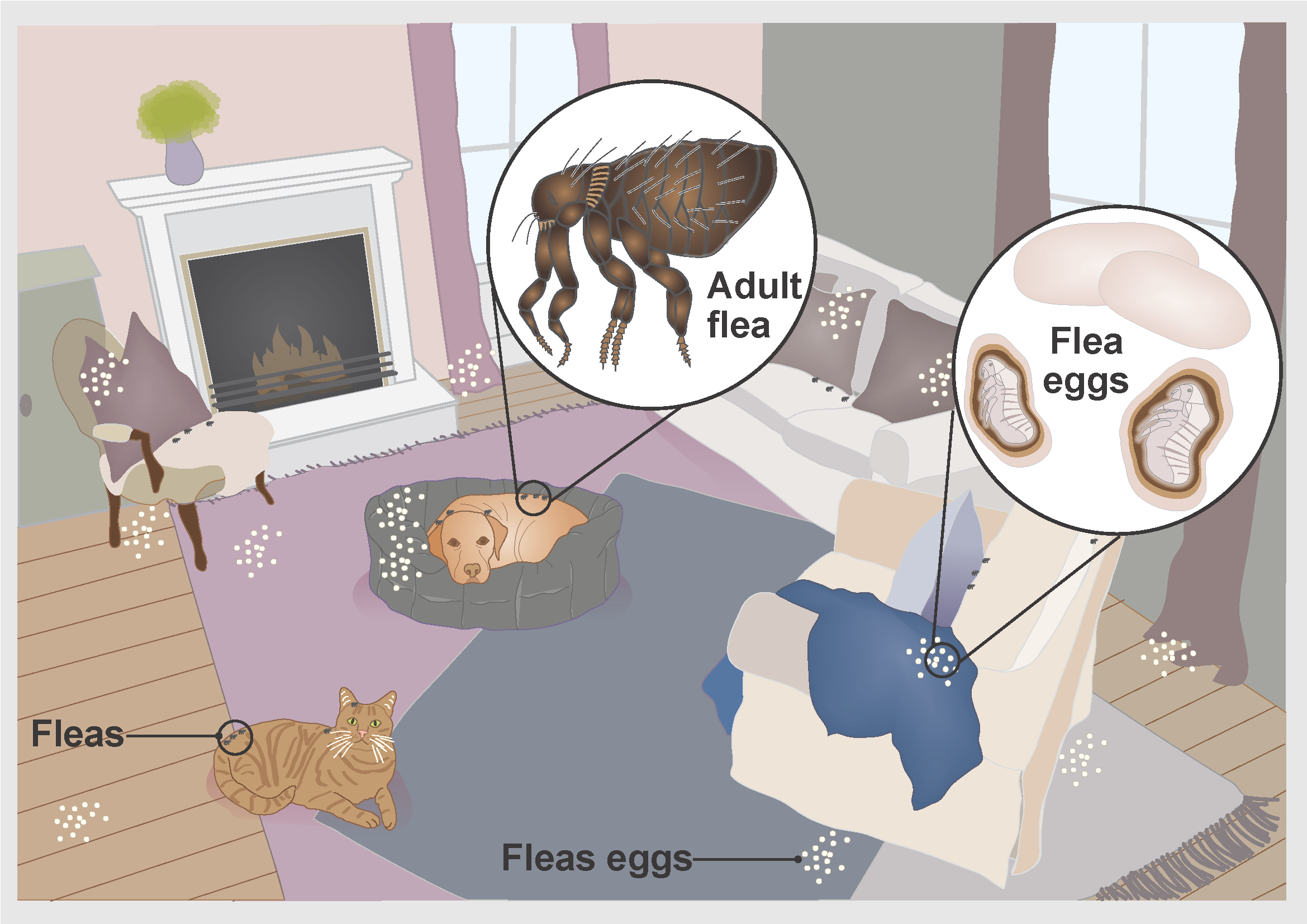
Understanding the flea life cycle can be fascinating, albeit a little gross. It’s a multi-stage journey that starts with tiny eggs laid on your pet.
These eggs hatch into larvae, which are tiny, worm-like creatures that are very sensitive to light. They hide in dark places, like carpet fibers and pet bedding.
Then come the pupae, which are like tiny sleeping bags where the flea undergoes its final transformation. These can stay dormant for months, just waiting for the right conditions – like a warm, fuzzy cat walking by.
When the Pupae Pop!
When an adult flea emerges from its pupal casing, it’s hungry and ready to jump. This is often triggered by vibrations, heat, and carbon dioxide, all of which are abundant when your cat is home.
These newly emerged fleas are the ones most likely to jump onto anything nearby, including you. It’s their big debut!
So, even if you treat your cat, you might still see fleas for a while. This is because of the dormant pupae in your environment waiting to hatch. It’s a bit like trying to clear a room full of trick-or-treaters; you think you’ve seen them all, but then more pop out!
Heartwarming Moments and Humorous Mishaps
Let’s be honest, our pets are family. Even when they bring home the occasional flea, our love for them doesn’t waver. Instead, it often leads to a bit of lighthearted panic and a flurry of cleaning.
I remember one time, my usually dignified Siamese, Cleopatra, got a bit of a flea infestation. She started scratching so furiously that she looked like she was trying to conduct an orchestra with her hind leg.
And then there was the time a particularly brave flea decided my ankle was the perfect place to stage a daring escape. I jumped up with a yelp, much to the amusement of Cleopatra, who simply blinked at me as if to say, “Oh, you noticed?”
The Sherlock Holmes Approach to Flea Hunting
Dealing with fleas often turns us into amateur detectives. We start inspecting our pets with a fine-tooth comb (sometimes literally!). We examine our carpets, our furniture, and anything that looks remotely like a hiding spot for these tiny critters.
It’s a bonding experience, in a strange, slightly itchy way. You and your cat, united against a common enemy: the flea.
And when you finally manage to banish them, there’s a sense of triumph! You’ve defended your home and your furry friend from these tiny invaders. It’s a victory worth celebrating, perhaps with a nice, long cuddle (after a thorough hand wash, of course!).
Prevention is Key: The Zen of Flea-Free Living
The best way to avoid the whole "can you catch fleas from your cat?" dilemma is to prevent them in the first place. Regular flea treatments for your cat are your first line of defense.
There are many options available, from topical treatments to chewable tablets. Your veterinarian can help you choose the best one for your feline friend.
Environmental control is also crucial. Regularly vacuuming your home, especially areas where your cat likes to sleep and play, can help remove flea eggs, larvae, and pupae. Washing your cat’s bedding in hot water is another excellent habit.
A Proactive Pawsitive Approach
Think of it as giving your cat a superpower: the power of flea immunity. It’s a gift of comfort and health.
And for you, it means fewer mysterious itches and more contented purrs. It’s a win-win situation.
So, yes, you can catch fleas from your cat. But with a little knowledge and some consistent care, you can significantly reduce the chances and keep your furry friend, and yourself, happy and itch-free.