Can You Bring Ice Pack On Plane

So, picture this: I’m heading to see my folks, and I’ve packed this absolutely gorgeous, ridiculously expensive cheese. You know, the kind that smells like it might be sentient? Anyway, I’m worried it’s going to turn into a sad, melty puddle by the time I get there. I’m rummaging through my cooler bag, frantically trying to figure out how to keep this dairy masterpiece in peak condition. That’s when it hits me: ice packs. Can I, a humble traveler with a penchant for fancy cheese (and maybe some leftover picnic goodies), bring these frozen wonders onto a plane?
It’s a question that probably pops into the heads of many a traveler, especially when you’re dealing with anything that requires a bit of temperature control. Whether it’s a life-saving medication, a special treat for a loved one, or just a way to ensure your fancy avocado doesn’t go brown before its time, the humble ice pack seems like the obvious solution. But the airport security dance, with its ever-evolving rules and watchful eyes, can be a minefield. So, let’s dive into the frosty depths of this query, shall we?
The Great Ice Pack Conundrum: A Traveler's Tale
Honestly, navigating airport security can feel like you’re trying to solve a Rubik’s cube blindfolded. There are so many “dos” and “don’ts,” and they seem to shift like desert sands. You’ve got your liquids, your electronics, your shoes that you suddenly realize are a security risk… and then there’s the whole frozen situation.
Must Read
I remember one time, I was flying with a friend who’s a Type 1 diabetic. She had a whole cooler bag dedicated to her insulin and other essential medications. And, of course, it was packed with those reusable gel ice packs. We were at the security checkpoint, and the TSA agent – bless their heart, they do a tough job – was eyeing the cooler. My friend, seasoned traveler that she is, just calmly explained that it was for her medication. The agent, after a quick look, gave a nod. Phew! Crisis averted. But it got me thinking, what if it wasn't medication? What if it was just… really good cheese?
This brings us back to the burning question: Can you bring ice packs on a plane? The short answer, which is often the most satisfying answer when you’re in a hurry to catch a flight, is usually yes. But, as with most things involving air travel, there are some important caveats and nuances.
The TSA's Stance: Chill Out, But Read the Fine Print
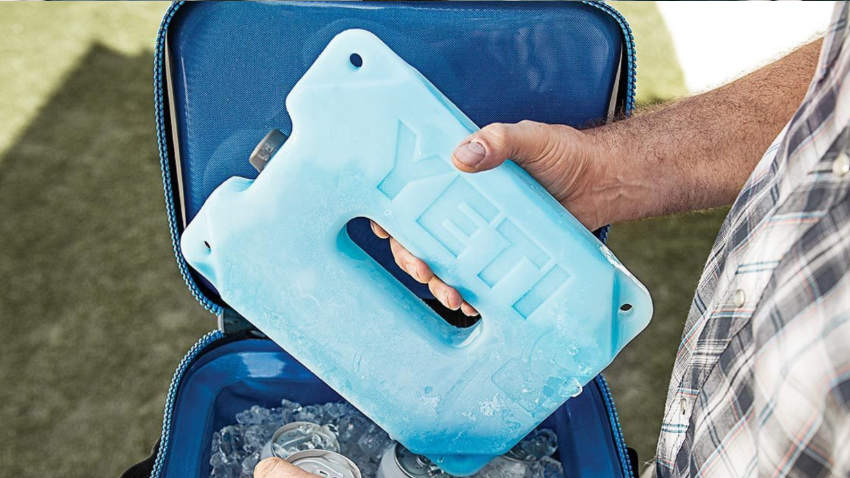
The Transportation Security Administration (TSA) is your go-to source for all things airport security related in the United States. And they’ve actually addressed this very topic. Generally speaking, frozen liquid items are allowed through security checkpoints. This includes those handy gel packs that keep your goodies cool.
However, and this is where things get a little frosty around the edges, there’s a key condition: the ice packs must remain frozen solid when you present them at security. If they’ve started to thaw and are even partially liquid, then they fall under the same rules as any other liquid. And we all know how that can go down, right? That infamous 3.4-ounce (100-milliliter) limit for liquids in carry-on baggage suddenly becomes your nemesis.
So, what does this mean in practice? It means you need to pack smart. If you’re planning on using ice packs to keep things cool for your flight, make sure you freeze them thoroughly before you leave home. The colder, the better. Think of it as giving your ice packs a stern lecture about the importance of staying solid.
I always try to freeze mine overnight, and sometimes, if I have a particularly long flight or it's a scorching hot day, I'll even toss them in the freezer for an extra few hours right before I head to the airport. It’s a small effort that can save you a lot of potential headaches (and melted cheese).
When Your Ice Pack Gets a Little Too "Liquid"
Let’s say you’ve done your best, but during the security screening, one of your ice packs has succumbed to the inevitable march of time (and cabin temperature). What happens then? Well, as I mentioned, it’s treated like any other liquid.
This means if the ice pack is no longer completely solid, it needs to comply with the TSA’s 3-1-1 liquid rule for carry-on bags. That’s 3.4 ounces or less per container, all fitting into one quart-sized clear zip-top bag. If your ice pack is larger than that, or if you have several that are partially melted, you might find yourself having to discard them. Ouch. That would be a real bummer, especially if it’s for something important.
This is why it’s super important to communicate with the TSA officer. Don’t just try to sneak a slightly soft ice pack through. If they ask about it, be upfront. Explain that it’s for keeping items cool. If it’s frozen solid, you’re usually golden. If it’s not, they’ll tell you the next steps, which, unfortunately, might involve saying goodbye to your chilly companion.
Medications: The Special Case (and Your Best Friend)
Now, if you’re traveling with medications that require refrigeration, this is where ice packs become less of a luxury and more of a necessity. The TSA is generally understanding about this. They know that people have medical needs, and they’re not trying to make your life harder.
For medications, you’re typically allowed to bring frozen gel packs, ice, or artificial ice to keep them cool. The key here is that they are being used for medically necessary items. This is a crucial distinction. So, while your fancy artisanal brie might not qualify for the "medically necessary" exemption, your life-saving insulin certainly does.
The best practice for traveling with refrigerated medications is to declare them to the TSA officer at the beginning of the screening process. Don’t wait for them to find it. You can say something like, "Excuse me, I have medication here that needs to stay cold, and I have frozen gel packs in my cooler bag."
You might be asked to open the bag for inspection. This is perfectly normal. They’ll want to see the medication and verify that the ice packs are indeed for that purpose. They might also swab the items for explosives residue, which is standard procedure. Having the medication in its original prescription packaging with your name on it can also be helpful, though it’s not always strictly required for ice packs themselves.
Some people also find it helpful to travel with a doctor’s note explaining the need for refrigerated medication. While not always mandatory, it can certainly smooth the process if there are any questions or concerns. It’s like having a secret weapon to prove your point!
What About Dry Ice? A Different Kind of Chill
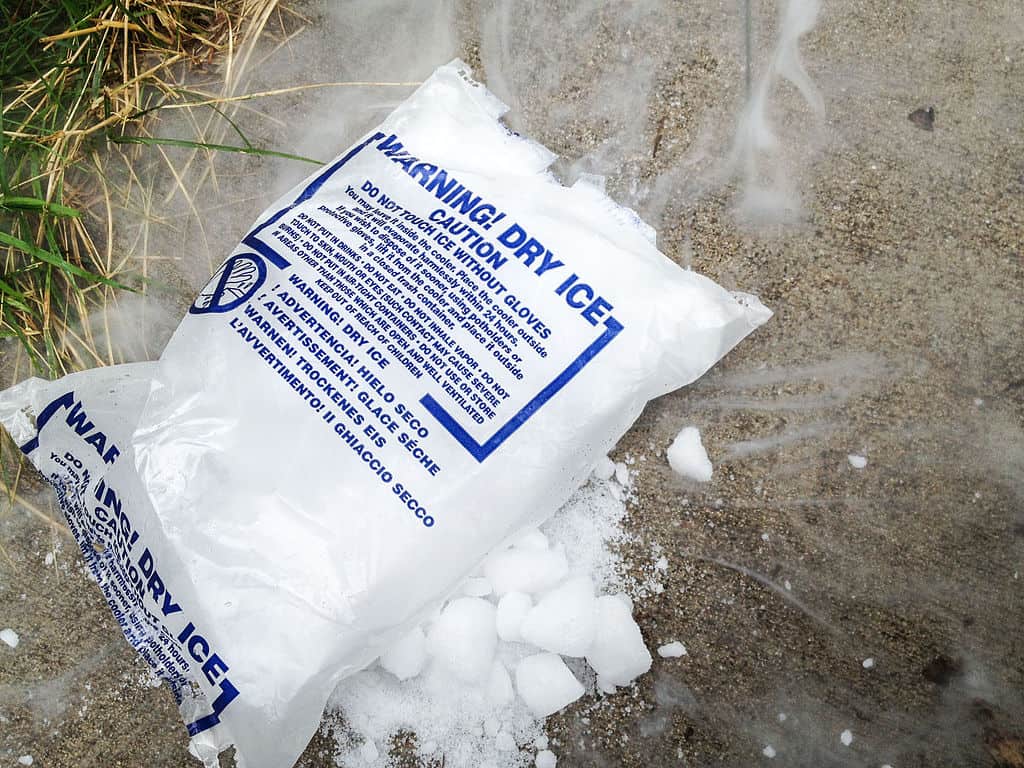
Now, let’s talk about dry ice. This is a whole other beast. Dry ice, which is solid carbon dioxide, is used for preserving perishables, especially on longer journeys. It's incredibly cold and can be very effective.
However, bringing dry ice onto a plane comes with a much stricter set of rules. For domestic flights in the US, the TSA allows you to bring up to 5.5 pounds (2.5 kg) of dry ice per person. But here’s the catch: it must be packaged properly and vented. This is to prevent a dangerous buildup of carbon dioxide gas in the cabin, which could cause suffocation. You’ll also need to check with your airline, as they often have their own specific policies regarding dry ice.
![Can You Bring Ice Packs On A Plane? [TSA Rules]](https://justtravo.com/wp-content/uploads/2023/07/Can-You-Bring-Ice-Packs-On-A-Plane.webp)
So, unless you're transporting something extremely sensitive that absolutely requires dry ice, sticking to your trusty gel packs is usually the simpler and more straightforward option. Dry ice is more for industrial-level cooling, not so much for keeping your artisanal cheese from going off.
Tips for a Smooth Sailing (or Flying) Ice Pack Experience
So, you want to make sure your ice packs make it through security without a hitch? Here are some seasoned traveler tips for you:
- Freeze 'Em Solid: I can't stress this enough. The colder, the better. Make sure they are rock solid before you even think about packing them.
- Pack Them in a Well-Insulated Bag: A good quality cooler bag or insulated lunch tote will help keep your ice packs frozen for longer. It’s an investment that pays off in chilled goods.
- Declare If Necessary: If you're traveling with medications that require cooling, always inform the TSA officer. It’s better to be proactive.
- Keep Them Separate (If Possible): If you have a mix of items, try to keep your ice packs with the items they are cooling. This makes it easier for the TSA agent to see the purpose.
- Don't Overpack Melted Packs: If you’re unsure about the state of your ice packs, it’s often better to err on the side of caution. Don't try to hide partially melted packs; just be prepared to discard them if necessary.
- Consider Alternatives: If you're really worried, you can always buy a new ice pack at your destination or use the ice provided on the plane (though this is obviously not ideal for longer journeys or specific cooling needs).
- Check Airline Policies: While the TSA sets the rules for security, airlines can have their own policies regarding what you can bring on board, especially regarding larger coolers or items that might pose a risk. A quick peek at their website never hurts.
Ultimately, the goal of the TSA is to ensure the safety of all passengers. They’re not trying to ruin your trip by confiscating your frozen goods. Most of the time, with a little preparation and clear communication, your ice packs will sail through security like seasoned pros.
The Verdict: Your Chill Companion Can Join the Adventure
So, to circle back to my initial cheesy dilemma: can you bring ice packs on a plane? Yes, you generally can, as long as they are frozen solid. If they are for medically necessary items, the rules are even more relaxed, provided you declare them and they are used for that purpose.
It’s always a good idea to be prepared, to know the rules, and to be polite and communicative with the security personnel. Think of it as part of the travel adventure. And who knows, maybe you’ll even get to enjoy that perfectly chilled, non-melty cheese at your destination. Happy travels, and may your ice packs stay frosty!