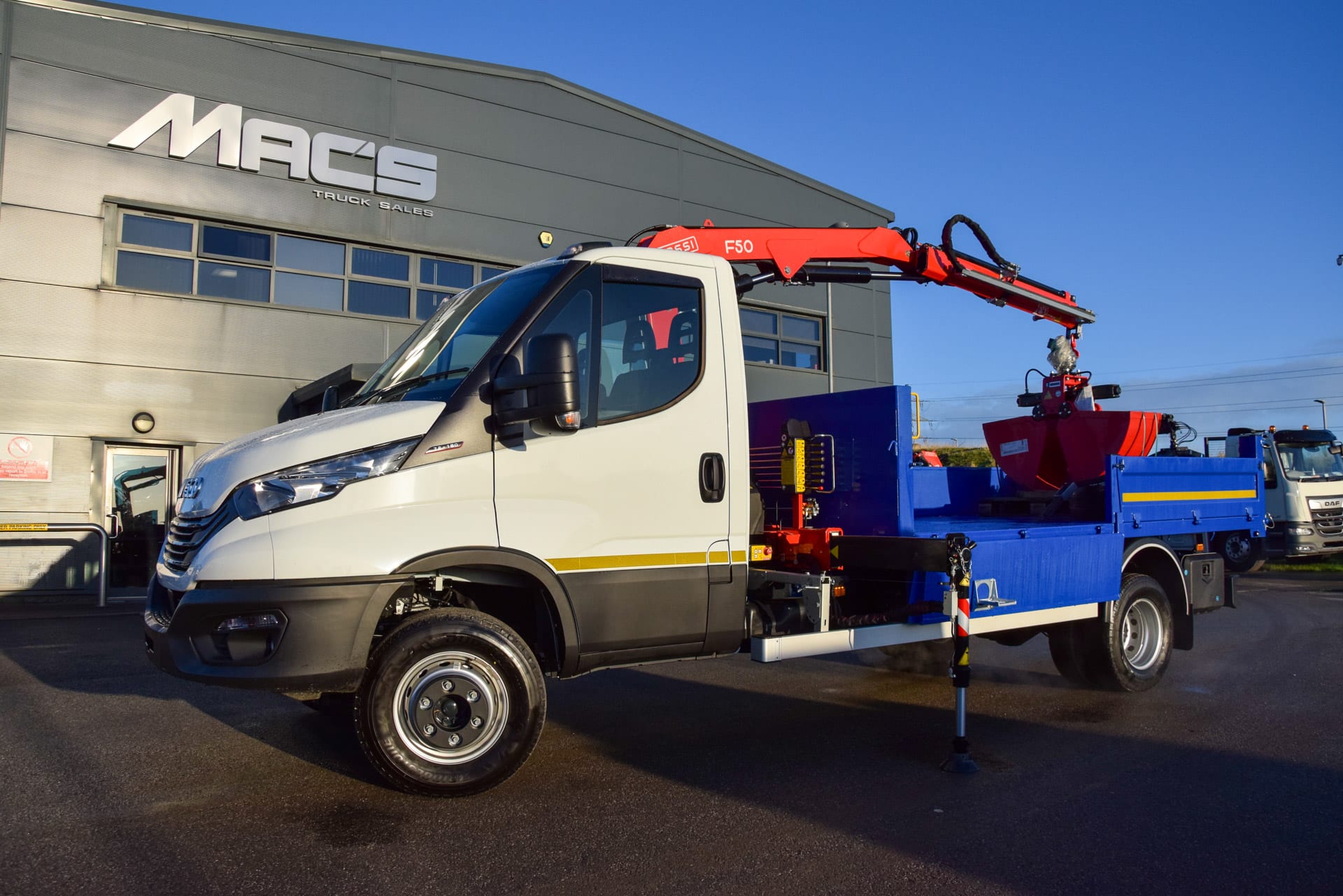
Can I Drive A 7.5 Tonne Truck

Ever found yourself staring at a hulking lorry, the kind that looks like it could swallow a family hatchback whole, and wondered, "Blimey, could I actually drive that beast?" Well, settle in with a cuppa, because we're about to dive into the surprisingly accessible world of driving a 7.5 tonne truck. Forget all those intimidating thoughts of needing a PhD in Logistics; it's not as far-fetched as you might think.
Think about it. You’ve probably seen them everywhere. They're the workhorses of the road, delivering everything from your new sofa to that massive bag of compost you optimistically bought for your garden. They're the unsung heroes of our daily deliveries, and frankly, some of them look a bit more like a slightly overgrown van than a full-blown monster truck.
So, the big question: Can I drive a 7.5 tonne truck? The answer, in most cases, is a resounding ‘probably!’. It’s not some exclusive club for hardened road warriors. For a lot of us, it’s a perfectly achievable goal, and honestly, a bit of a laugh when you get down to it.
Must Read
The License Lowdown: It's Not Rocket Science, Promise!
Let's get the slightly dry stuff out of the way first. To legally pilot one of these magnificent metal machines, you'll need a specific driving license. If you passed your car test before January 1st, 1997, you're probably already sitting pretty. Yep, those lucky ducks often have category C1 entitlement automatically on their license. It’s like finding a tenner in an old coat pocket – a pleasant surprise!
For the rest of us mere mortals who learned to drive more recently, or perhaps haven't yet graced the roads with your metallic prowess, it's a smidge more involved. You’ll need to apply for a provisional C1 license, which basically means you’re telling the DVLA (or your local equivalent, depending on where you are) that you're interested in upgrading your driving game. This involves a medical check to make sure you’re not about to fall asleep at the wheel due to extreme boredom or a sudden urge to knit a scarf.
Then comes the theory test. Now, I know what you're thinking: "Theory tests? Ugh." But honestly, the HGV (Heavy Goods Vehicle) theory test isn't as daunting as it sounds. It's broken down into two parts: one on general road knowledge (which you’ve probably got down pat from your car test) and another specifically on the finer points of driving larger vehicles. Think about it like learning a few extra chapters in your favourite book – it’s just expanding your knowledge.
And the practical test? Well, that’s the main event. You’ll hop into the truck with an examiner who’ll probably look suspiciously like your driving instructor, just with more authority. They'll watch you manoeuvre, brake, and generally behave like a responsible adult in a large vehicle. It’s not about doing burnouts or weaving through traffic; it’s about demonstrating you can handle the truck safely and competently.
The whole process, while sounding like a marathon, is quite structured. Think of it as a guided tour through the world of larger vehicles. And once you’ve got that C1 license? Congratulations, you’ve unlocked a new level of vehicle ownership!
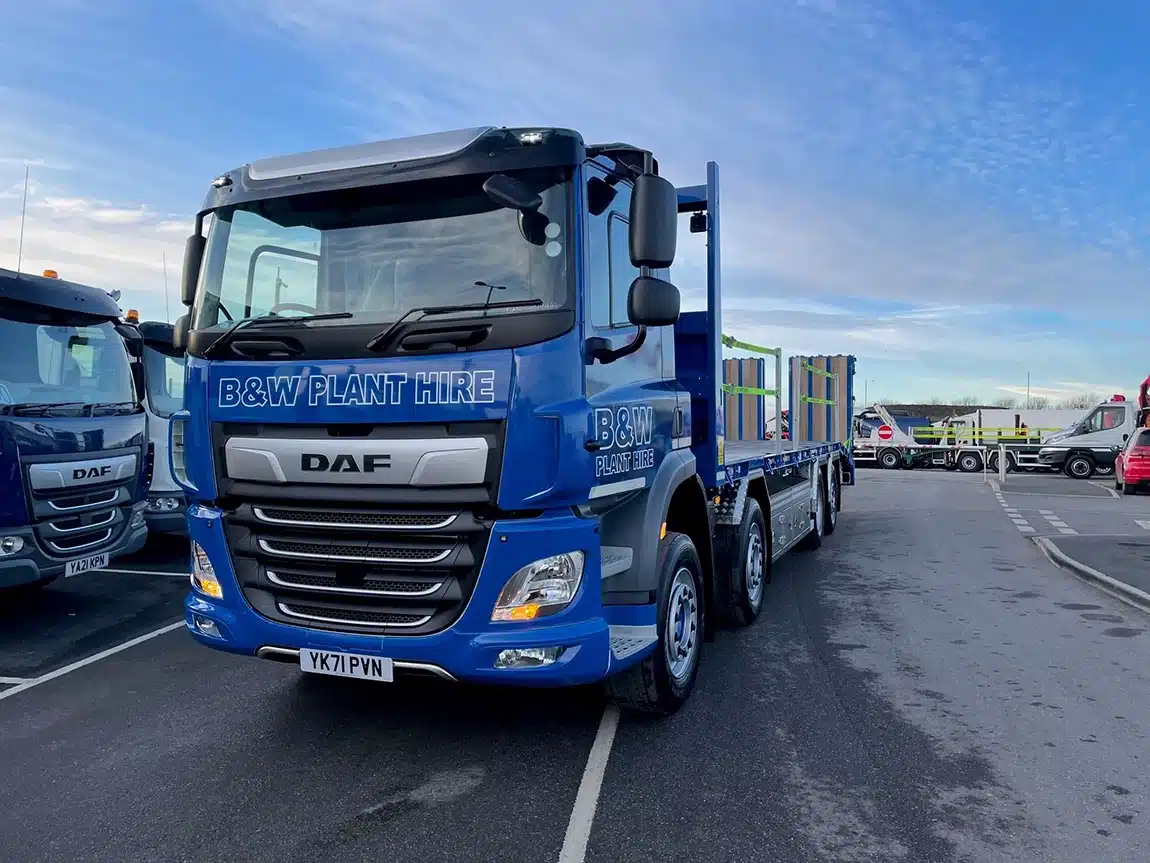
What Exactly Is a 7.5 Tonne Truck? The Nitty-Gritty (but Not Too Gritty)
So, what’s the magic number 7.5 tonnes all about? It refers to the Maximum Authorised Mass (MAM). This isn’t just the weight of the truck itself; it’s the truck plus whatever you decide to cram into its belly. Think of it like your suitcase when you’re packing for a holiday. The suitcase has a weight, but then you add all your holiday clothes, souvenirs, and that emergency stash of biscuits. The total has to stay within the airline’s limit, right? Same principle applies here, just with more diesel and significantly less novelty t-shirts.
A 7.5 tonne truck is essentially a large rigid vehicle. It's not articulated like those massive articulated lorries that seem to snake their way around corners like a very confused caterpillar. These are single units, meaning the cab and the load area are all one piece. This makes them much easier to manoeuvre than their bigger cousins, which is a big plus for us everyday drivers.
They come in various shapes and sizes, too. You'll see box vans, curtain-siders (great for easy loading, like opening up a giant present!), flatbeds, and even refrigerated trucks. So, whether you're transporting a fleet of vintage washing machines or enough party supplies to single-handedly bring down a small nation, there’s a 7.5 tonner for the job.
The key takeaway here is that they are designed to be drivable for someone with the right license. They aren’t intended for stunt drivers or professional racers; they’re for getting things from A to B, efficiently and safely.
Why on Earth Would I Want to Drive One? The Fun Factor (and the Practicalities!)
Now, the million-dollar question: why would you, a perfectly sensible person, want to swap your zippy hatchback for something that requires its own postcode? Well, beyond the sheer novelty of commanding a vehicle that makes other cars look like toy cars, there are some genuinely practical reasons.
Moving house? Forget hiring a man and his van that costs more than your annual mortgage payment. With a 7.5 tonner, you can do it yourself. Imagine loading up your entire life, carefully stacking your precious china like a medieval knight stacking shields, and then driving it to your new digs. It’s a DIY project with a seriously satisfying conclusion. Plus, you get to decide when you stop for tea and biscuits, not some random bloke who’s clearly just trying to get to his lunch break.
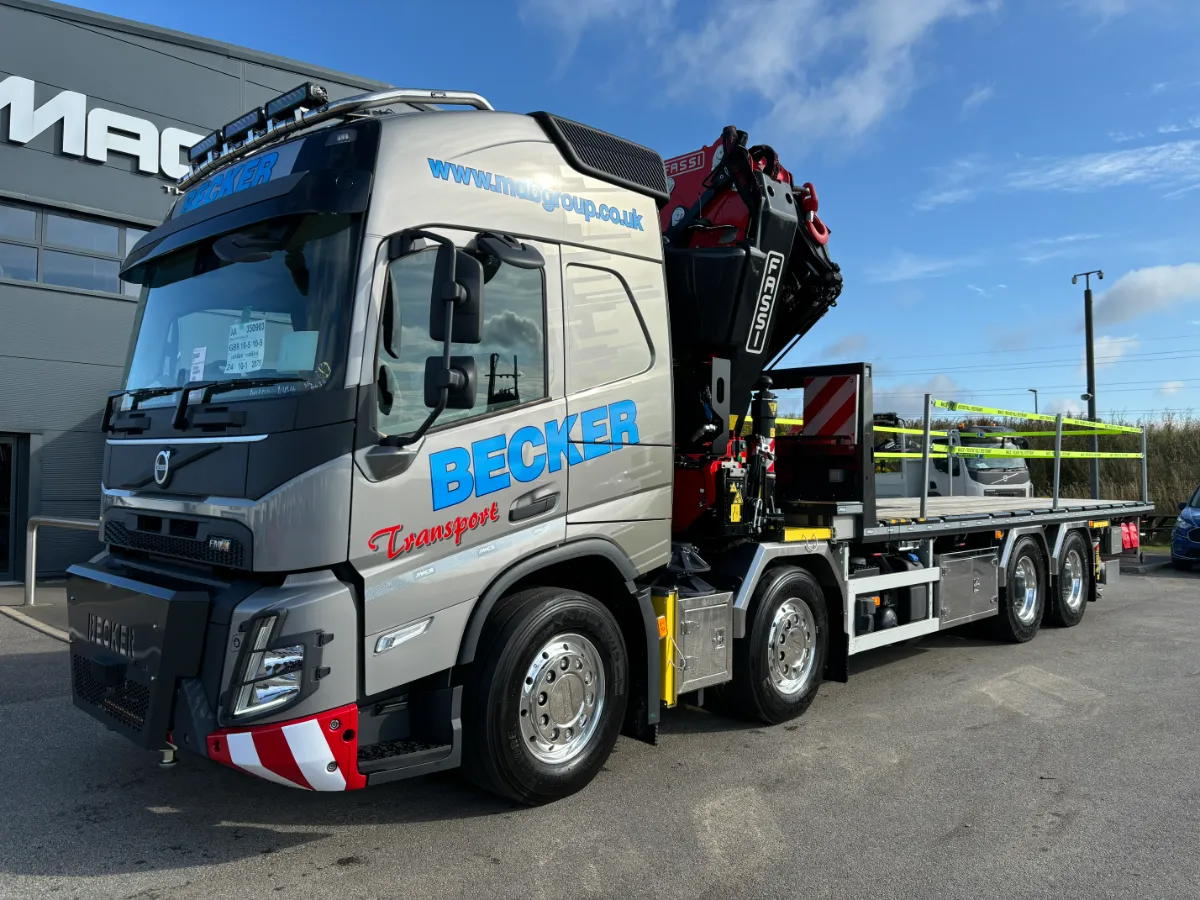
Starting a small business? If you’re selling handmade artisanal dog biscuits or custom-built garden gnomes, a 7.5 tonner can be your mobile showroom and delivery van all rolled into one. Imagine pulling up to a farmer’s market, opening up the side of your truck like a theatrical performance, and revealing your wares. It’s marketing with a side of intimidation.
Hobbyist heaven? Got a passion for vintage tractors, competitive pumpkin growing, or perhaps you're part of a Morris dancing troupe that requires a significant amount of sequined attire? A 7.5 tonner is your golden ticket. Transporting bulky items has never been so… large.
But let's be honest, a significant part of the appeal is the sheer cool factor. There’s something undeniably impressive about being at the helm of such a substantial vehicle. You feel a sense of importance, a bit like the captain of a very slow, very sturdy ship. And the sheer joy of a clear road when you have all that power at your disposal? Pure, unadulterated driving bliss.
Driving Dynamics: It’s Bigger, Not Necessarily Harder
Okay, so you've got the license, you've got the desire. Now, what's it actually like to drive one? Well, it's different, that's for sure. Think of it like going from riding a bicycle to riding a motorbike. The principles are similar, but the scale and the handling are… magnified.
Braking: This is where you really notice the difference. A 7.5 tonner has a lot of momentum. You can’t just slam on the brakes like you might in your car. You need to anticipate. Imagine you’re trying to stop a herd of particularly stubborn sheep; you need to start slowing them down before they reach the gate. That’s your braking strategy. You’ll often find them equipped with air brakes, which feel a bit different – like a gentle sigh of slowing down rather than a dramatic screech.
Turning: Corners require a bit more thought. They have a wider turning circle than your average car, meaning you’ll need more space. Picture yourself trying to turn a giant pizza around in a small kitchen – you need to do it in stages. You'll learn to "cut" corners in a way that makes sense for a larger vehicle, which feels oddly satisfying when you get it right. It’s like performing a ballet, but with more diesel fumes.

Gear Changes: Most modern 7.5 tonne trucks have manual gearboxes, but they’re often smoother and easier to use than you might expect. Some even have semi-automatic transmissions, which are a joy. It’s less about aggressive gear changes and more about finding the right gear for the job, like selecting the perfect setting on your hi-fi system.
Visibility: This is a huge advantage! You’re sitting up high, like a king or queen surveying their land. You can see much further ahead than in a car, which makes anticipating traffic and potential hazards a breeze. It’s like having built-in sat-nav for your eyes, spotting problems before they even materialise.
Parking: This is where things can get interesting. Reversing a large vehicle takes practice. Think of it like trying to parallel park a cruise ship in a bathtub. It requires patience, a keen sense of spatial awareness, and perhaps a friendly observer on the ground (a spotter!). Most 7.5 tonne trucks have good visibility, and some even come with reversing cameras, which are a godsend. But even without one, with a bit of perseverance, you’ll be manoeuvring into tight spots like a pro.
The key is to take your time. Don’t rush. Treat it with respect, and you’ll find it’s a surprisingly manageable and even enjoyable vehicle to drive. It’s a different rhythm, a different way of interacting with the road, and once you get it, it feels incredibly empowering.
Safety First, Always!
Now, while we're having a bit of fun with the idea of driving these trucks, it’s crucial to remember that safety is paramount. These are large, heavy vehicles, and they deserve respect.
Always perform your daily checks. This is just like checking the oil and tyre pressure on your car, but on a grander scale. Ensure your lights are working, your tyres are inflated correctly, and your mirrors are clean and properly adjusted. It’s the driver’s responsibility, and it makes a massive difference to your safety and the safety of others.
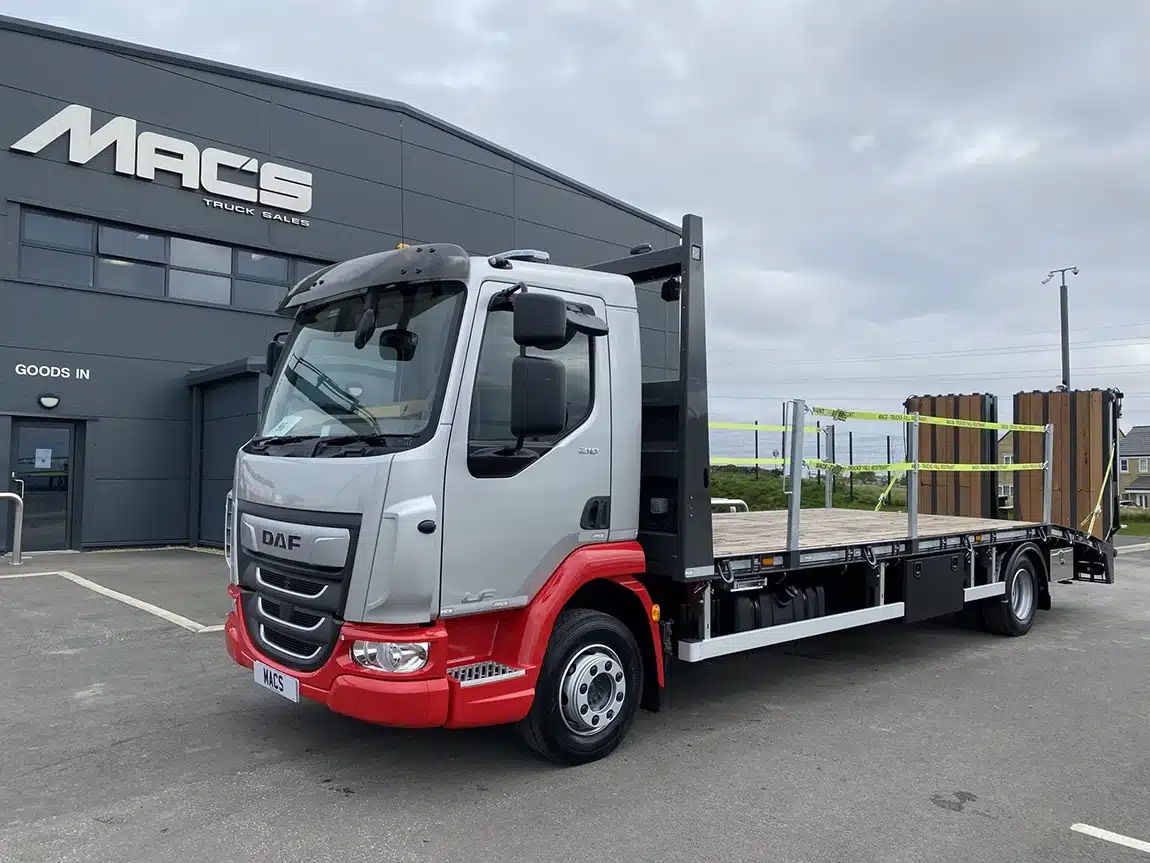
Be aware of your load. Make sure it's secured properly. You don't want your carefully packed belongings doing a spontaneous interpretive dance in the back of your truck during a sudden stop. That’s a recipe for disaster and a very messy clean-up operation.
Road positioning is also key. Because of their size, 7.5 tonne trucks can’t hug the kerb quite like a small car. You’ll need to be more aware of your position on the road, especially when turning or in traffic. Think of yourself as a slightly larger, more important island in the sea of traffic.
And finally, don’t overestimate your abilities. If you’re new to driving larger vehicles, start with shorter, less demanding journeys. Get used to the feel of the truck, its braking, and its handling, before tackling a long, cross-country trek in rush hour. It's like learning to swim; you start in the shallow end before venturing into the deep end.
The Verdict: Go On, You Might Surprise Yourself!
So, can you drive a 7.5 tonne truck? The answer, for a great many of us, is a very clear ‘yes’. It requires a little bit of effort to get the right license, a bit of learning, and a healthy dose of respect for the vehicle. But the rewards? They can be immense.
Whether it's the satisfaction of a successful DIY house move, the entrepreneurial spirit of a mobile business, or simply the sheer enjoyment of commanding a mighty machine, the 7.5 tonne truck offers a unique and accessible driving experience. It’s not just for the professionals; it’s for anyone who’s ever looked at one and thought, "I wonder if..."
So, if you've got the itch, the desire, and a bit of time to dedicate to learning, why not explore it? You might just discover a hidden talent for truck driving and a whole new world of possibilities on the open road. And who knows, you might even start to eye up those bigger ones with a bit more confidence. But let's start with the 7.5 tonner, shall we? One mammoth step at a time!