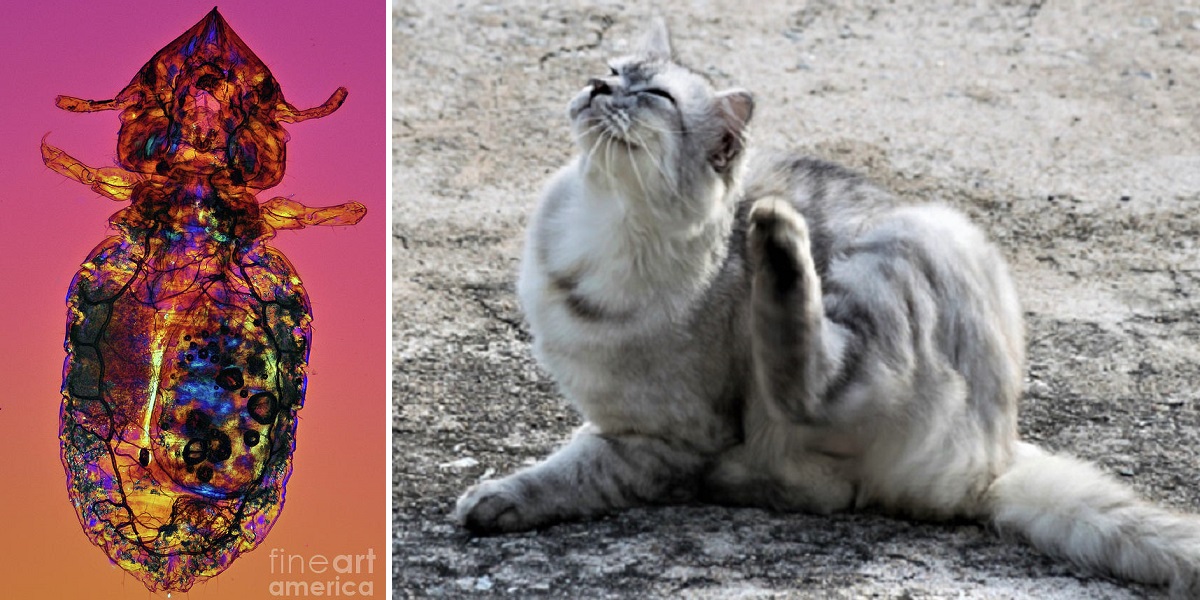
Can A Cat Get Human Head Lice

Hey there, fellow animal lovers! Ever had one of those moments, maybe while snuggling your purr-fectly pampered feline friend, where a quirky question pops into your head? You know, those little "what if" scenarios that suddenly seem very important? Well, today, we're diving headfirst (pun intended, you're welcome!) into one of those delightfully odd questions: Can a cat get human head lice?
Before you start envisioning your fluffy companion sporting a tiny, itchy mane of human nits, let's put your mind at ease. The answer, in a nutshell, is a resounding NO! Seriously, you can stop picturing Mittens with a comb. It’s just not going to happen.
Now, I know what you’re thinking. “But they’re both mammals, right? They both have hair! Surely, a tiny louse wouldn't be that picky?” And it’s a fair question! It shows you’re thinking, you’re curious, and that’s the first step to a more fascinating life, wouldn’t you agree?
Must Read
The Science Behind the Purr-fectly Lice-Free Feline
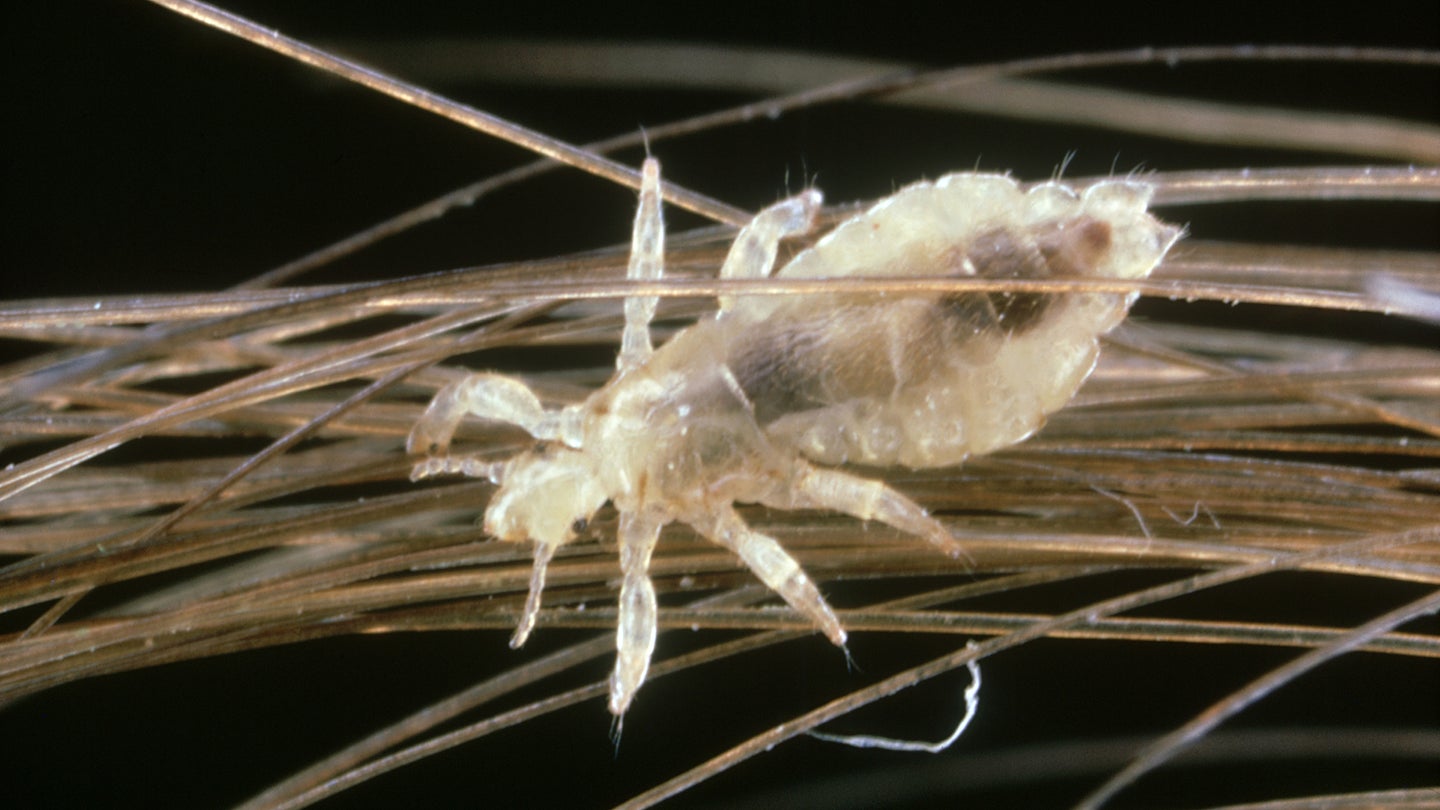
So, what's the big difference? It all comes down to tiny, tiny details. Human head lice, scientifically known as Pediculus humanus capitis, are incredibly specialized little critters. They've evolved over millions of years to thrive on one specific host: us!
Think of it like a perfectly tailored suit. These lice have evolved to have the right mouthparts to feed on human blood, the right claws to grip human hair shafts (which are a specific diameter and texture), and the right environmental conditions they need to survive and reproduce. They’re essentially living their best microscopic lives on our scalps. They are, in essence, human specialists.
Now, our feline friends, bless their furry hearts, have their own unique set of parasites that are just as specialized for them. These are typically cat fleas (Ctenocephalides felis) and various types of cat lice (yes, cats can get lice, but they're cat lice, not human lice!).
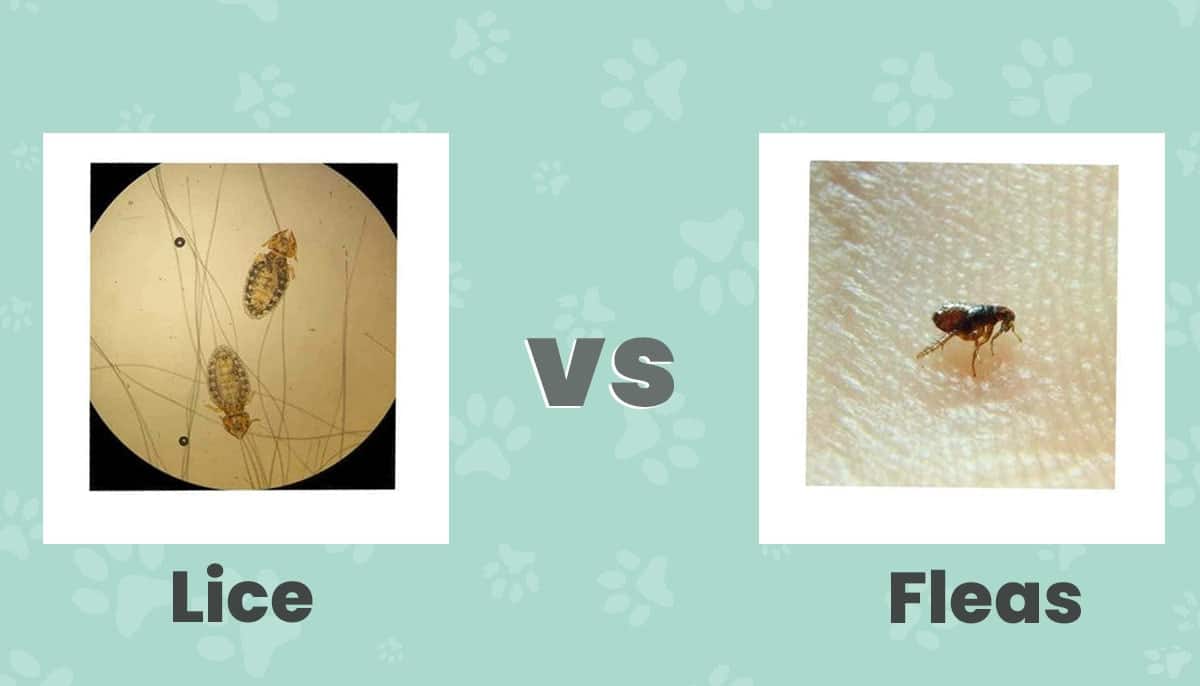
These cat-specific parasites are just as adapted to their feline hosts as human lice are to us. They have mouthparts designed for cat blood, claws for gripping cat fur, and they’re perfectly happy in the world of whiskers and purrs. It’s a whole separate ecosystem of tiny crawlies!
Why the Switch Isn't Happening
Imagine a human head louse trying to make a home on a cat. It would be like you trying to wear clown shoes on a tightrope. The human hair is probably too coarse or too fine, the blood might be a different flavor (gross thought, I know!), and the overall environment just isn't the right fit. The louse would likely starve, dehydrate, or simply be unable to hold on.
It’s a bit like trying to use a key for the wrong lock. The tumblers just don't line up! And honestly, isn't it kind of comforting to know that our beloved pets are safe from this particular human nuisance?
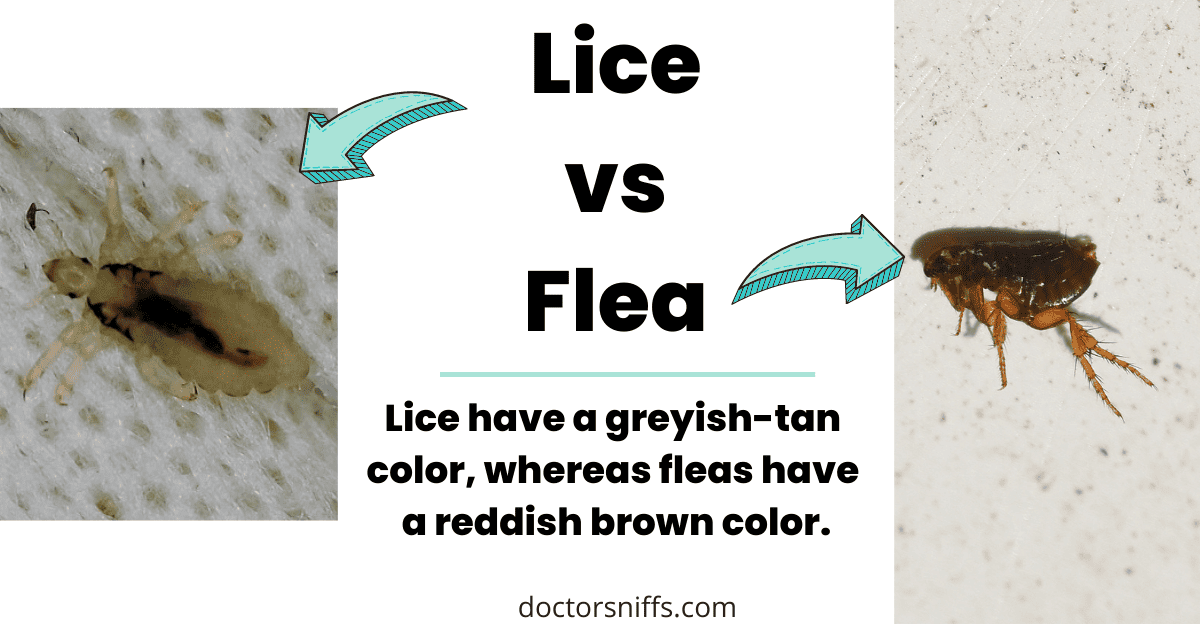
This also means that if you do happen to pick up some stragglers from a schoolyard or a friend's house (hey, it happens to the best of us, and there's no shame in it!), you don't need to worry about passing them on to your dog or your cat. Your furry family members are safe from human head lice. Phew! That's one less thing to stress about, right?
So, What Can Our Cats Get?
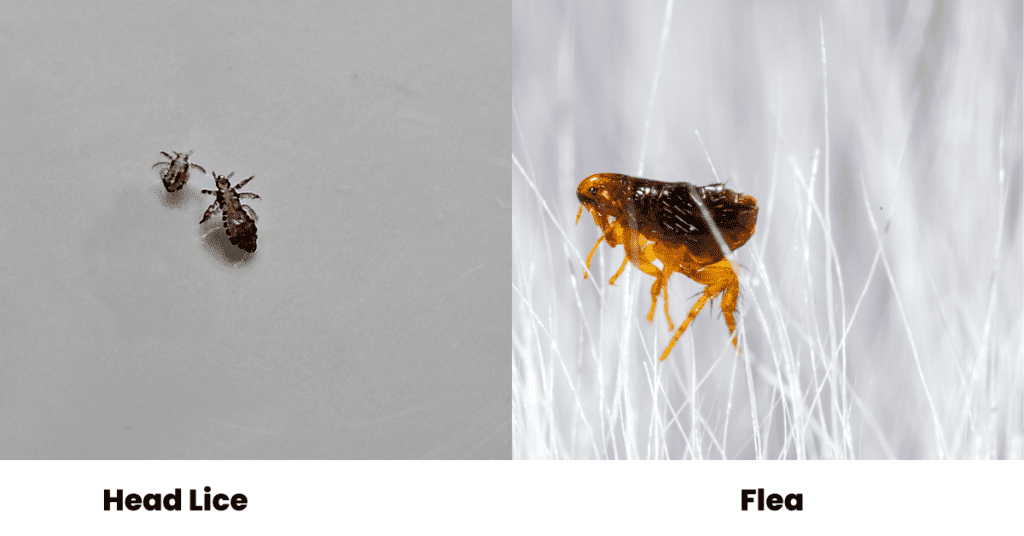
While human lice are a no-go, cats are certainly not immune to the world of parasites. As I mentioned, they can get their own specialized lice. These are usually less common than fleas but can still be a nuisance. Signs of cat lice might include excessive scratching, visible tiny eggs (nits) attached to the fur, or even visible lice themselves.
But the big one, the parasite we all know and love to hate (or at least, tolerate), is the flea. Ah, fleas. The arch-nemesis of every pet owner. Fleas are incredibly adaptable and can jump between many different mammals. So, while a human louse wouldn't survive on a cat, a cat flea can absolutely make a cat its primary residence. And sometimes, just sometimes, they can hitch a ride on a human. That's when you get those itchy little bumps on your ankles!
The good news is that modern veterinary medicine has fantastic solutions for flea and tick prevention. Talk to your vet about the best options for your furry friend, and you can keep those pesky critters at bay. It’s all about being proactive and informed, isn't it? That's how we make life better for ourselves and our pets!
The Fun of the "What Ifs"
Now, I know we’ve established that cats can’t get human head lice. But let's be honest, the very act of pondering this question is kind of fun, isn't it? It sparks our imagination! It makes us think about the intricate, invisible worlds that exist all around us, from the microscopic to the majestic.
The natural world is full of these amazing adaptations and specializations. It’s a constant reminder of the incredible diversity and ingenuity of life on Earth. Thinking about why a human louse can't live on a cat is just as fascinating as thinking about why it can live on us. It's all about understanding the "how" and the "why."
And the more we understand, the more we appreciate. We appreciate the cleverness of evolution, the unique needs of different species, and the importance of keeping our pets healthy and happy with the right kind of care. This seemingly silly question has opened a door to a little bit of scientific wonder, a touch of veterinary knowledge, and a whole lot of appreciation for the animal kingdom.
Embrace Your Curiosity!
So, the next time a bizarre animal-related question pops into your head, don't dismiss it! Lean into it! Do a little digging, ask around, and let your curiosity lead you on a journey of discovery. You might be surprised at what you learn, and you might just find that understanding these little details makes your life, and your connection with your pets, even more vibrant and fun.
Who knows what other fascinating facts are out there waiting to be uncovered? Maybe you'll start wondering if squirrels dream in color, or if fish get lonely. The world is an oyster, and your curiosity is the pearl opener! Keep asking, keep learning, and keep enjoying the wonderful ride of discovery. It’s a beautiful, interconnected world, and every little bit of knowledge makes it even more enchanting.