Can 2m Hcl Go Down The Sink
Ever wondered about those bottles with scary-sounding labels in science labs, or perhaps even glimpsed something similar under a sink in a DIY project gone slightly awry? We’re talking about hydrochloric acid, or HCl for short. Specifically, the question of whether a concentrated 2 molar (2M) solution can be safely poured down the drain is a common one. It’s a topic that bridges the gap between everyday curiosity and the important, sometimes overlooked, realities of chemistry in our lives.
So, what exactly is hydrochloric acid and why do we even care about it? HCl is a strong acid. This means it readily releases hydrogen ions (H+) when dissolved in water, making solutions acidic. Its strength makes it incredibly useful. Think of it as a powerful cleaner, a key player in industrial processes, and even something our own bodies use! In our stomachs, for instance, a much weaker form of HCl helps us digest food. Industrially, it's vital for everything from making steel (to remove rust) to producing plastics and pharmaceuticals. It’s a workhorse chemical, really.
In educational settings, dilute HCl is often used in experiments to demonstrate acid-base reactions, pH changes, and the reactivity of metals. You might have seen it used to clean off mortar from bricks after construction, or in swimming pools to adjust pH. Even in your home, you might encounter its diluted cousins in toilet bowl cleaners or descaling solutions for coffee machines. These common applications highlight its ability to break down mineral deposits and disinfect, though always with strict adherence to usage instructions.
Must Read
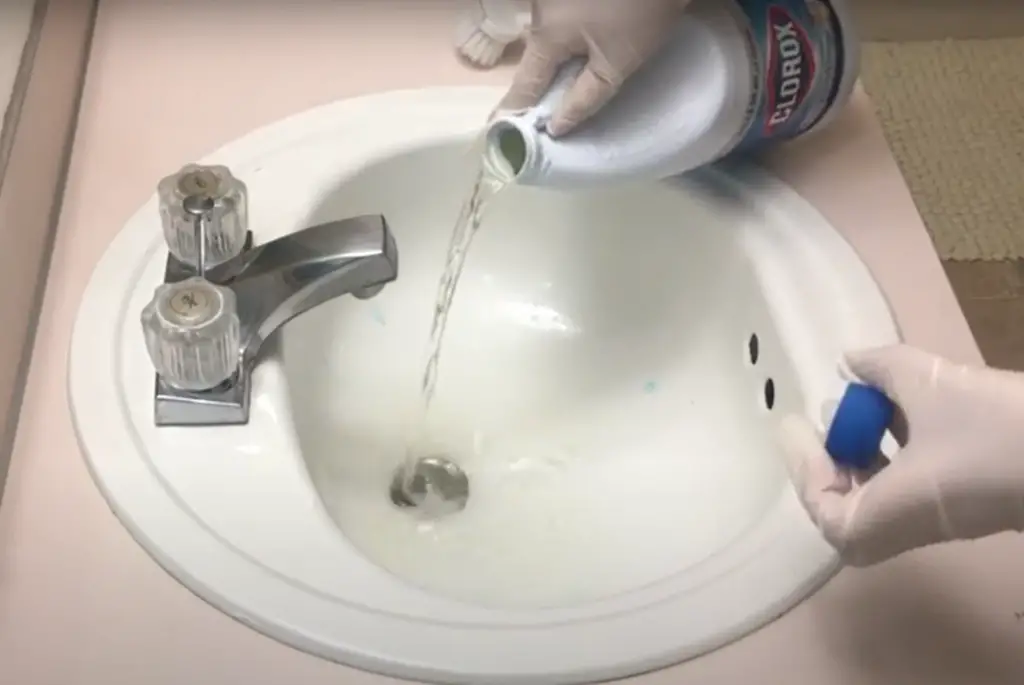
Now, back to our burning question: Can 2M HCl go down the sink? The short answer, for most typical household drains connected to standard municipal sewage systems, is a resounding no, not without caution and proper neutralization. A 2M solution is a significant concentration. Pouring it directly down the drain can harm the pipes (especially older metal ones), damage the delicate ecosystem of your local wastewater treatment plant, and potentially cause harm to anyone who might come into contact with it or the fumes. Wastewater treatment plants are designed to handle a range of substances, but large amounts of strong acids can overwhelm their biological processes.

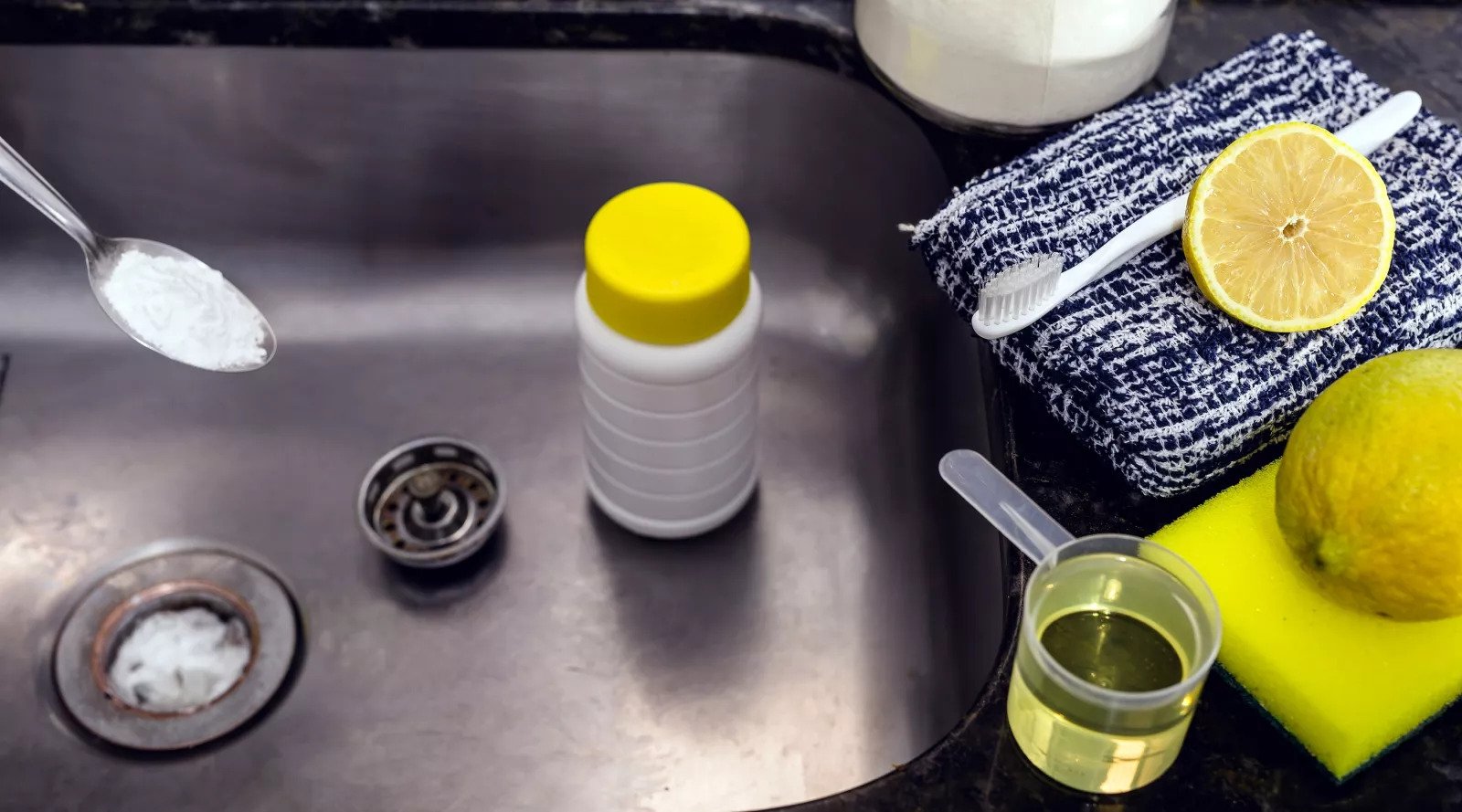
So, how can you explore this topic more safely or handle such solutions responsibly? If you’re a student or hobbyist working with dilute acids, the key is neutralization. This involves adding a base, like baking soda (sodium bicarbonate) or a dilute solution of sodium hydroxide, to the acid. This reaction produces salt and water, effectively cancelling out the acidity. It’s like a chemical handshake, turning something potentially hazardous into something much more benign. Always do this slowly and carefully, as the reaction can produce heat and fizzing.
For educational purposes, you can investigate the concept of pH and neutralization using common household items. Test the acidity of vinegar (acetic acid) or lemon juice (citric acid) with litmus paper or a pH meter, then experiment with adding baking soda to see how the pH changes. This gives you a hands-on feel for the principles involved without the risks of stronger chemicals. Remember, safety is paramount when dealing with any chemical, and understanding the properties of substances like HCl helps us appreciate the careful balance required in both our homes and the environment.