Bubbles In Car Paint

Have you ever admired a car and thought, "Wow, that paint looks amazing!"? Chances are, a lot of that visual pop comes down to how the paint has been applied and the protective layers on top. And sometimes, even with the best intentions and the most skilled hands, little surprises can pop up – literally! We're talking about bubbles in car paint. Now, this might sound like a problem (and sometimes it is!), but understanding how and why they appear can be surprisingly fascinating. It's like a little peek behind the curtain of automotive artistry, and knowing about it can even help you spot a great deal or avoid a potential headache when buying or caring for your own ride.
The Smooth Operator: What Car Paint Does
Before we dive into the bubbly bits, let's remember what car paint is all about. It's not just about making your car look pretty; it's a multi-layered shield. The first layer, the primer, helps the paint stick and prevents rust. Then comes the basecoat, which is where all those fantastic colors – from fiery reds to cool blues – come from. Finally, the superhero of the paint world, the clearcoat, goes on top. This isn't just for shine; it's a tough, protective layer that defends against UV rays, scratches, and all sorts of environmental nasties. Think of it as a transparent force field for your car's good looks!
When Air Gets in on the Act: The Birth of Bubbles
So, where do these unwelcome guests, these bubbles, come from? Most of the time, it's all about tiny air pockets getting trapped during the painting process. Imagine the paint being sprayed onto the car. If the surface isn't perfectly clean, or if the paint isn't applied at just the right temperature and pressure, air can get trapped underneath. It's like trying to smooth out a sticker on a bumpy surface – you often end up with little air pockets!
Must Read
One of the main culprits is often the primer or basecoat application. If these layers aren't applied smoothly, or if the previous layer isn't fully dry, subsequent layers can trap air. The heat from the sun can also play a role. If a freshly painted car is exposed to direct sunlight before the paint has fully cured, the trapped air can expand, creating those noticeable bubbles.
Another reason for bubbles can be related to the cleanliness of the paint shop itself. Dust, debris, or even moisture in the air can settle onto the surface before the paint dries, leading to imperfections. Sometimes, it's a chemical reaction within the paint itself, though this is less common with modern, high-quality automotive paints. Professional painters work hard to prevent this by using specialized equipment and working in controlled environments, but even the best can have an off day.

The Good, The Bad, and The Slightly Bubbly
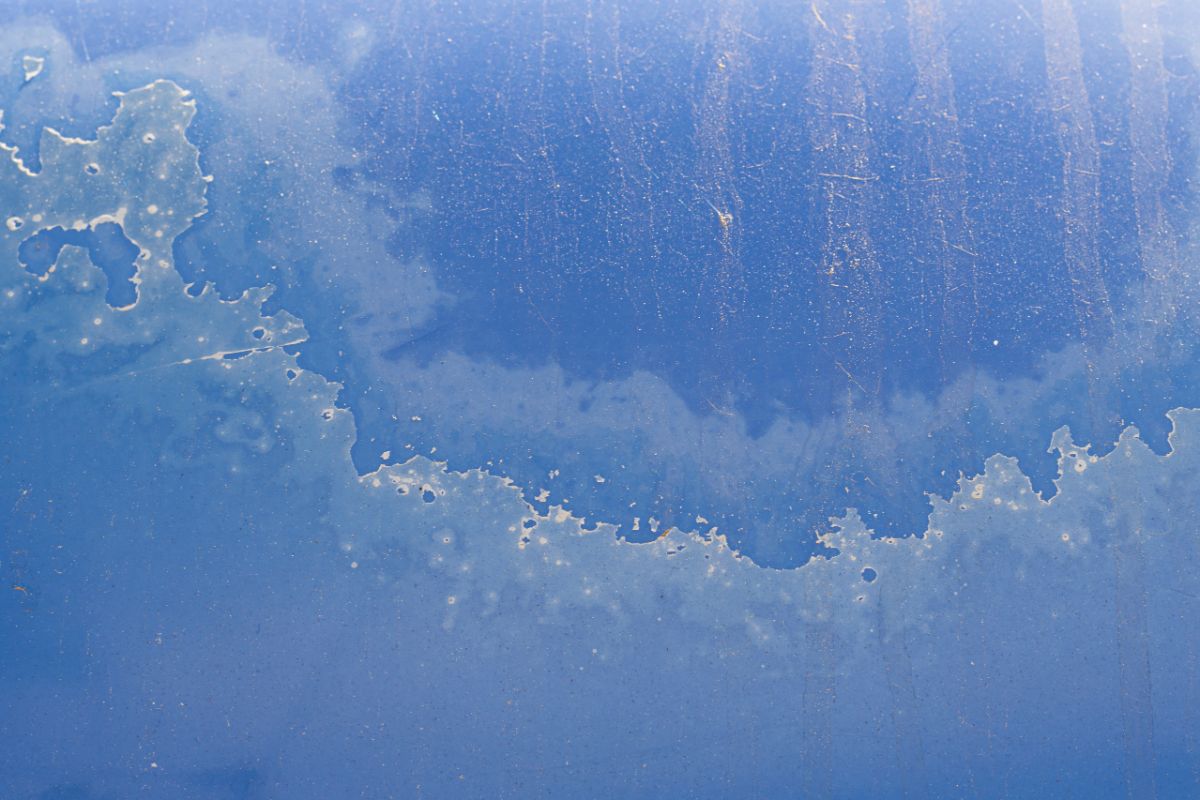
Now, are bubbles always a disaster? Not necessarily! Tiny, almost invisible bubbles in the clearcoat, especially on older cars, might just be part of its charm and character. They can be a sign that the paint is original and has seen some life. However, larger, more noticeable bubbles are generally not a good sign. If you're looking at a used car and see them, especially in clusters or on prominent panels, it could indicate a few things:
- Subpar Repair Work: It might mean the car has been repainted after an accident, and the job wasn't done to a professional standard. A quick and cheap repair job can often lead to paint defects like bubbles down the line.
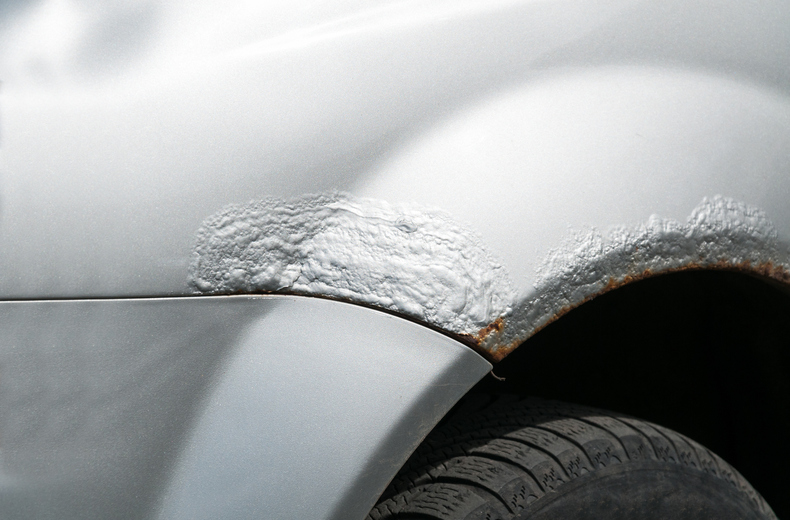
- Environmental Damage: Sometimes, harsh chemicals or even prolonged exposure to certain types of contaminants can cause the paint layers to degrade, leading to blistering or bubbling.
- Age and Wear: Over time, paint can naturally break down, and you might see small imperfections appear.
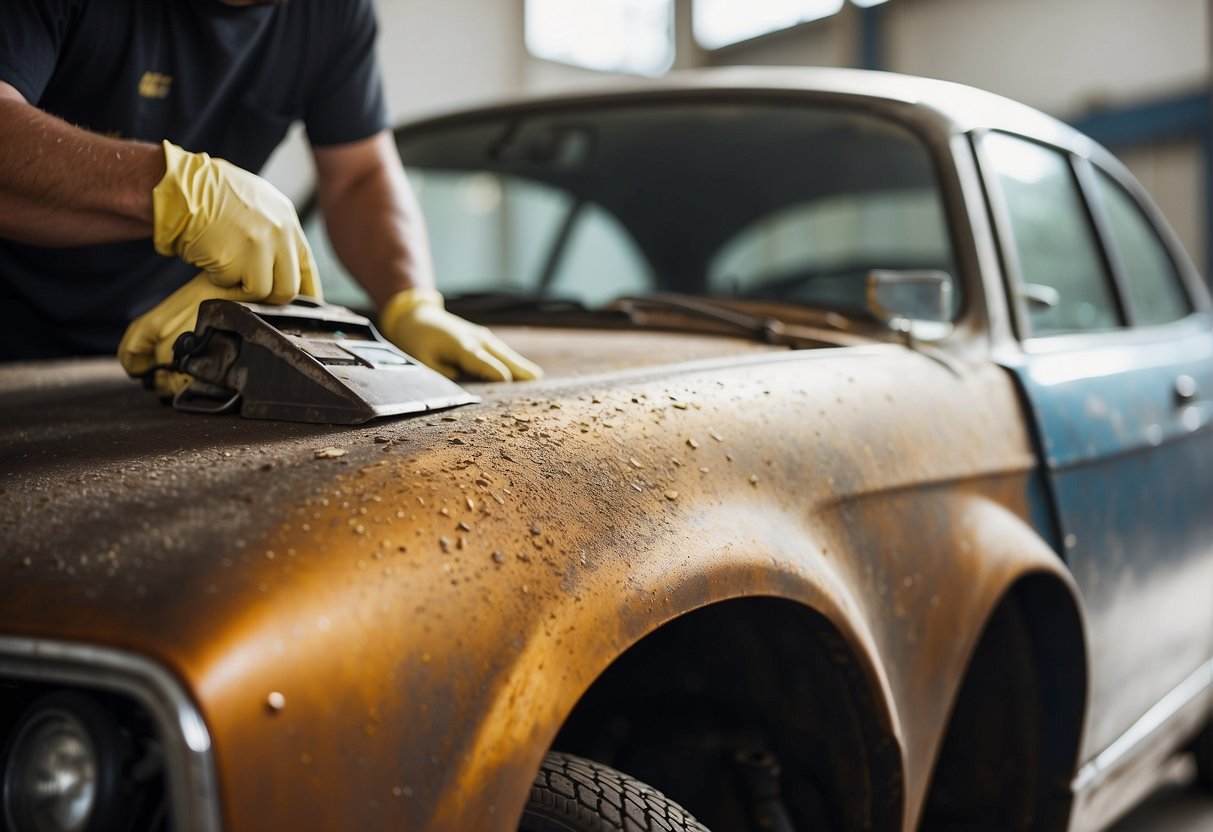
For the car owner, bubbles can be a source of frustration. They detract from the car's aesthetic appeal and can sometimes be an early sign of more significant paint problems. If you notice them on your own car, especially if they are new, it's worth investigating. A small bubble can sometimes be carefully removed or smoothed out by a professional detailer or body shop, but larger ones might require repainting the affected area.

Keeping Your Paint Pristine: A Bubble-Free Zone
The best way to avoid bubbles is, of course, proper application by experienced professionals. But for car owners, regular maintenance is key to preserving that lovely paintwork.:
- Washing and Drying: Regularly washing your car removes dirt and grime that can damage the paint. Always dry it thoroughly to prevent water spots.
- Waxing and Sealing: Applying a good quality wax or sealant adds an extra layer of protection against the elements, including UV rays that can degrade paint.
- Avoid Harsh Chemicals: Be mindful of what you use to clean your car. Harsh detergents or solvents can strip away protective layers.
- Professional Detailing: Consider occasional professional detailing. They have the tools and expertise to identify and address minor paint issues before they become major problems.
So, the next time you see a car with a dazzling finish, take a moment to appreciate the art and science behind it. And if you happen to spot a tiny, elusive bubble? You'll now have a better understanding of its story!