
Blood Fish And Bone How To Use
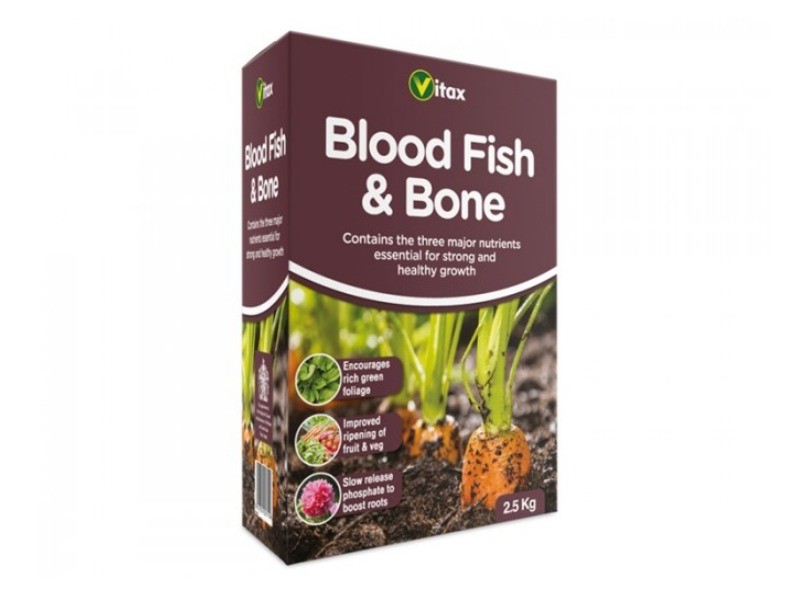
Ever found yourself staring at a bag of fertilizer, wondering about the mysterious ingredients listed? Or perhaps you've overheard gardeners chatting about "blood, fish, and bone meal" with a knowing nod, and felt a twinge of curiosity? Well, you're in the right place! Learning about what goes into these natural plant boosters isn't just for the greenest of thumbs; it's actually a fascinating peek into how nature recycles and nourishes itself, and it can even spark some fun explorations right in your own backyard or classroom.
So, what exactly is this "blood, fish, and bone" concoction? In simple terms, it's a traditional, all-purpose fertilizer derived from animal by-products. Blood meal, as the name suggests, comes from dried animal blood, and it's a fantastic source of organic nitrogen. Think of nitrogen as the "leafy green" nutrient – it's crucial for healthy, vibrant foliage and overall plant growth. Fish meal is made from ground fish scraps and is rich in both nitrogen and phosphorus. Phosphorus is the "blooming and rooting" nutrient, helping plants develop strong roots and produce flowers and fruits. Finally, bone meal, derived from ground animal bones, is primarily a source of phosphorus and calcium. Calcium is vital for cell wall development, making plants more resilient.
The beauty of using blood, fish, and bone meal lies in its slow-release nature. Unlike synthetic fertilizers that can be quickly washed away by rain, these organic nutrients are gradually released into the soil as they decompose, providing a steady, sustained feeding for your plants. This means fewer applications are needed, and it's less likely to "burn" delicate roots. It’s a wonderfully sustainable way to feed your garden, as it utilizes materials that might otherwise go to waste. The benefits extend beyond just plant health; by enriching the soil with organic matter, you're also improving its structure, water retention, and the activity of beneficial soil microbes, creating a healthier ecosystem for your plants to thrive in.
Must Read
Where can we see this in action? In the world of gardening, it's a staple for encouraging robust growth in vegetables, flowers, and shrubs. You might see it recommended for tomatoes to boost fruit production or for roses to encourage more blooms. But its uses aren't confined to the garden. In education, it offers a tangible link to lessons about the nitrogen cycle, decomposition, and the importance of nutrient cycling in ecosystems. Imagine a school garden project where students not only plant but also learn about the journey of these ingredients from farm to fertilizer. Even in a simple home setting, you can explore the concept by observing how different organic materials break down in a compost bin, drawing parallels to how blood, fish, and bone meal works in the soil.
Ready to explore this fascinating fertilizer yourself? A simple way to start is by purchasing a small bag and reading the instructions carefully. You can use it for your potted plants, your vegetable patch, or even your lawn. Always remember to follow the recommended dosage, as too much of a good thing can still be problematic. A practical tip is to mix it into the soil around plants rather than just scattering it on top. For a more hands-on learning experience, consider starting a small compost bin and observing the decomposition process. You might not be able to add blood, fish, and bone meal directly to a home compost, but understanding the breakdown of organic matter is a key part of appreciating how these natural fertilizers work. It's a small step that can lead to a much bigger appreciation for the interconnectedness of nature.


