Best Time To Prune A Bay Tree
Ah, the humble bay tree! More than just a pretty evergreen, this culinary superstar is a delight to have in the garden, and even better when it’s looking its best. If you've ever wondered about giving your bay tree a little trim, you're in luck, because knowing the best time to prune it is surprisingly easy and incredibly rewarding. It’s like giving your plant a spa day, ensuring it stays healthy, bushy, and ready to lend its fragrant leaves to all your favorite dishes.
For beginners, understanding pruning can seem a bit daunting, but with bay trees, it's refreshingly straightforward. You're not aiming for elaborate topiary art (unless you want to!); you're simply helping the plant thrive. For families, it can be a fun, hands-on activity to do together outdoors. Imagine little helpers carefully snipping away, learning about plant care, and then enjoying the fruits of their labor in the kitchen. Hobbyists will appreciate how proper pruning can encourage stronger growth and a more abundant harvest of those coveted bay leaves.
So, when is the magic moment for pruning your bay tree? The general rule of thumb is to aim for late spring to early summer, after the plant has finished its main flush of new growth. This timing is ideal because the plant has time to recover and produce new shoots before the cooler autumn weather arrives. Think of it as giving it a haircut before it heads out for its summer vacation!
Must Read
What if you missed that window? Don't fret! Bay trees are quite forgiving. You can also do a lighter tidy-up prune in the early autumn. This is more about shaping and removing any straggly bits rather than a major overhaul. Just be sure to avoid heavy pruning right before a hard frost, as new growth might be too tender.
For those growing bay trees in pots, the same principles generally apply, but you might find yourself pruning a little more frequently to keep them to a manageable size. If your bay tree is looking a bit leggy or has grown too large for its pot, a good prune in late spring is definitely in order.

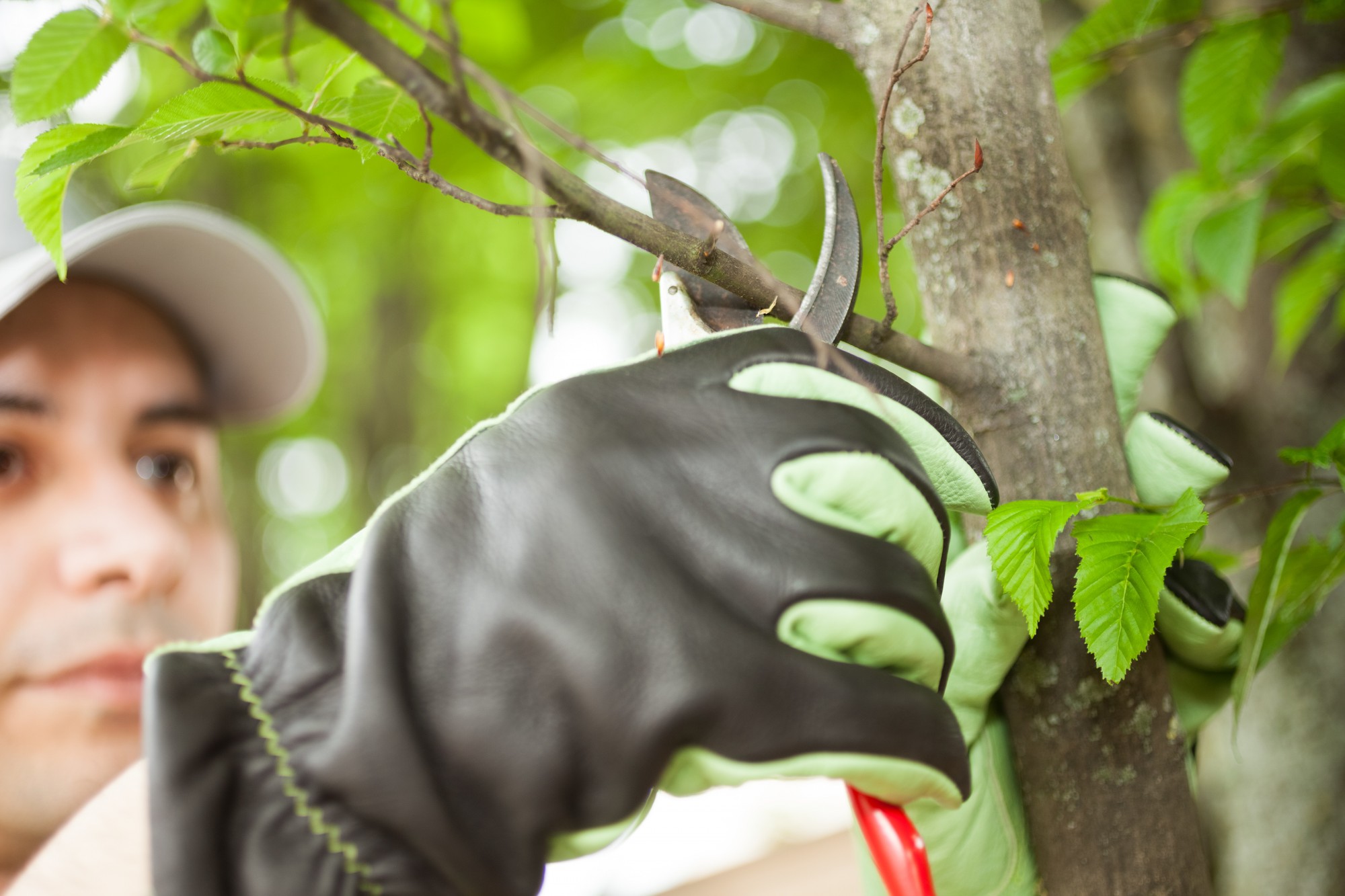
Getting started is simple. All you need are some sharp, clean secateurs or loppers. Look for branches that are crossing, damaged, or growing inwards. You can also prune to maintain a desired shape or to reduce the overall size. Don't be afraid to cut back anything that looks a bit sad or unproductive. Remember, bay trees are tough and will bounce back!
Pruning your bay tree isn't just about maintenance; it's about fostering a healthy, productive plant that offers a continuous supply of aromatic leaves for your culinary adventures. The simple act of a well-timed trim can make a world of difference, and the satisfaction of seeing your bay tree flourish is truly something to savor.