Best Month To Go To Sri Lanka
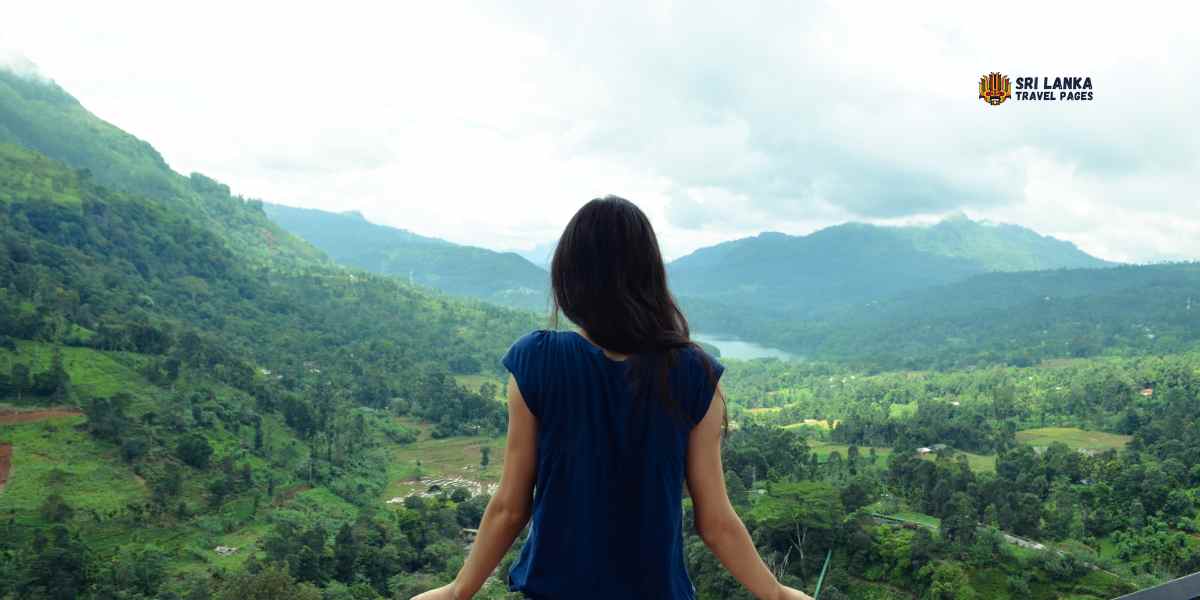
So, you're dreaming of emerald tea plantations, golden beaches, ancient ruins whispering tales of the past, and delicious curries that will tantalize your taste buds? Sri Lanka, the Pearl of the Indian Ocean, offers all this and more. But with its tropical climate and monsoon seasons, figuring out the absolute best time to visit can feel like cracking a delicious, but slightly tricky, riddle. Don't worry, fellow traveler, because we're here to break down the magic of Sri Lanka's calendar to help you plan your unforgettable adventure!
The real beauty of Sri Lanka is that it's pretty much a year-round destination. However, like a perfectly brewed cup of Ceylon tea, the experience can be elevated when you hit the sweet spot. The purpose of this guide is to cut through the seasonal jargon and give you a clear, easy-to-digest overview of what to expect when, so you can tailor your trip to your ultimate holiday desires. Want to spend your days basking on sun-drenched shores? Or are you more drawn to exploring historical wonders without the sweat? Perhaps you’re a wildlife enthusiast eager to spot elusive leopards? Understanding the weather patterns is your secret weapon to unlocking the Sri Lanka of your dreams.
The Tale of Two Monsoons: Understanding Sri Lanka's Climate
Sri Lanka’s unique geography means it experiences two major monsoon seasons that affect different parts of the island at different times. This is key to understanding when to go! Think of it as the island getting a refreshing drink, but it happens in two phases, impacting the coasts and the interior.
Must Read
The Yala Monsoon, typically from May to August, brings heavy rains and wind to the southwestern and western parts of the island, including popular spots like Galle, Unawatuna, and the elephant-rich plains of Yala National Park. Meanwhile, the northeastern parts, such as Trincomalee and Arugam Bay, tend to be drier and sunnier during this period. So, if your heart is set on surfing the legendary breaks of Arugam Bay, May to August is your golden ticket!
Then there's the Maha Monsoon, which usually rolls in from October to January. This one showers the northeastern coast, bringing rain to areas like Trincomalee and Anuradhapura. During these months, the southwestern coast, including Colombo, Galle, and the beautiful beaches of Mirissa and Weligama, often enjoys its driest and sunniest spell. This makes the December to March period a prime time for exploring the southern beaches and cultural triangle.
The Sweet Spot: When the Island Shines Brightest
If you're looking for the most consistently pleasant weather across the island, with a good balance of sunshine and minimal rain, then the transitional months are your best bet. Think of them as Sri Lanka’s gentle hello and goodbye to its monsoon partners.
January to March is widely considered the peak season for much of Sri Lanka, especially the southern and western coasts. The skies are generally clear, the sun is abundant, and the humidity is lower compared to the monsoon periods. This is the perfect time for classic beach holidays, exploring the ancient cities of the Cultural Triangle (like Sigiriya and Polonnaruwa) without wilting, and enjoying whale watching tours from Mirissa, as this is prime season for spotting majestic blue whales and playful dolphins.

Following closely is the period from April to September, which sees the Yala Monsoon affecting the southwest. However, this doesn't mean your entire trip will be a washout! Often, the rains are in short, sharp bursts, usually in the afternoon or evening, leaving the rest of the day clear and beautiful. This is a fantastic time to visit the northeastern coast, which is basking in sunshine. If you're keen on surfing in Arugam Bay, this is absolutely the time to go, as the waves are fantastic and the beaches are less crowded than the southern coast during its peak. For wildlife enthusiasts, Yala National Park can still be explored, though you might encounter some muddy trails!
The period from October to December is when the Maha Monsoon starts to make its presence felt in the northeast. However, the southwestern coast is typically enjoying its dry spell. So, if you’re dreaming of exploring the historic fort of Galle, lounging on the beaches of Unawatuna, or visiting the tea plantations of Nuwara Eliya, this period can still be wonderful, especially towards the end of the year. You might experience occasional showers, but they rarely spoil the overall experience. Plus, the island is often a bit greener after the rains, making for stunning landscapes.

"The magic of Sri Lanka lies not just in its sights and sounds, but in experiencing its diverse weather patterns, each offering a unique charm."
Considering Your Interests: Tailoring Your Sri Lankan Escape
To truly pinpoint the best month for you, it’s worth considering what you want to do:
- Beach Bliss & Sunbathing: For the southern and western coasts (Galle, Mirissa, Unawatuna, Weligama), aim for December to March. For the northeastern coast (Trincomalee, Arugam Bay), aim for April to September.
- Wildlife Safaris (Leopards in Yala): The dry season in the south is generally best for spotting wildlife, so January to May is ideal for Yala National Park. However, even during the shoulder months, safaris can be rewarding.
- Cultural Exploration (Sigiriya, Anuradhapura): These inland sites are best visited in drier, less humid conditions. So, January to March and again from July to September offer comfortable temperatures.
- Surfing (Arugam Bay): The prime surfing season with consistent swells is from April to October.
- Whale & Dolphin Watching (Mirissa): The peak season for spotting these magnificent creatures is from November to April.
- Tea Plantations (Nuwara Eliya, Ella): These highland regions have a cooler climate year-round, but the driest periods are typically January to March and July to September, offering stunning green vistas.
Ultimately, there's no single "wrong" month to visit Sri Lanka. Even during monsoon periods, you often get pockets of sunshine, and the landscape is lush and vibrant. Traveling in the shoulder seasons (April-May and September-October) can often mean fewer crowds and more competitive prices, while still offering great weather in at least one part of the island. So, whether you’re drawn by the allure of ancient temples, the thrill of a safari, or the simple pleasure of a sunset cocktail on the beach, Sri Lanka is ready to welcome you with open arms, no matter the month!