Are Aloe Vera Plants Poisonous To Cats
Hey there, plant parents and feline fanatics! Ever find yourself eyeing that lush, architectural beauty of an aloe vera plant, wondering if it’s safe to have around your furry overlords? It’s a totally valid question, and one that pops up in plenty of homes where the purr-fect companion shares your living space. So, let’s dive into the nitty-gritty of whether aloe vera and cats are a match made in heaven, or a recipe for a trip to the vet. Spoiler alert: it’s leaning more towards the latter if we're not careful.
We love our kitties, don't we? They’re the silent judges of our decor, the furry alarm clocks, and the masters of the unexpected zoomies. And as much as we adore their whiskered faces and their uncanny ability to find the sunniest spot in the house, we also want to make sure their environment is as safe and serene as possible. This brings us to the prickly subject of houseplants.
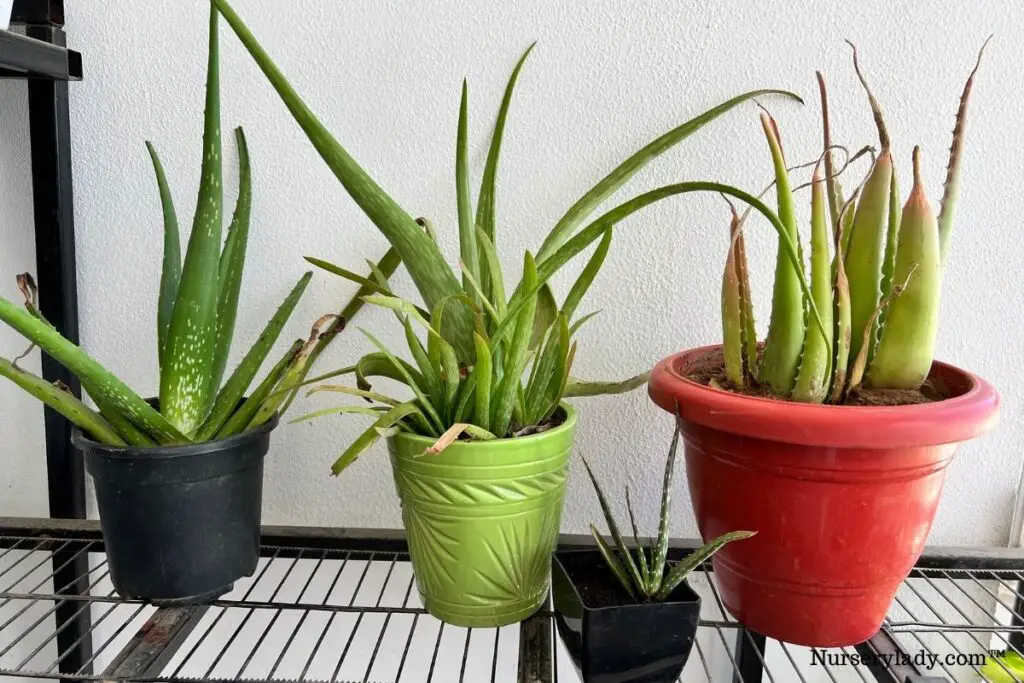
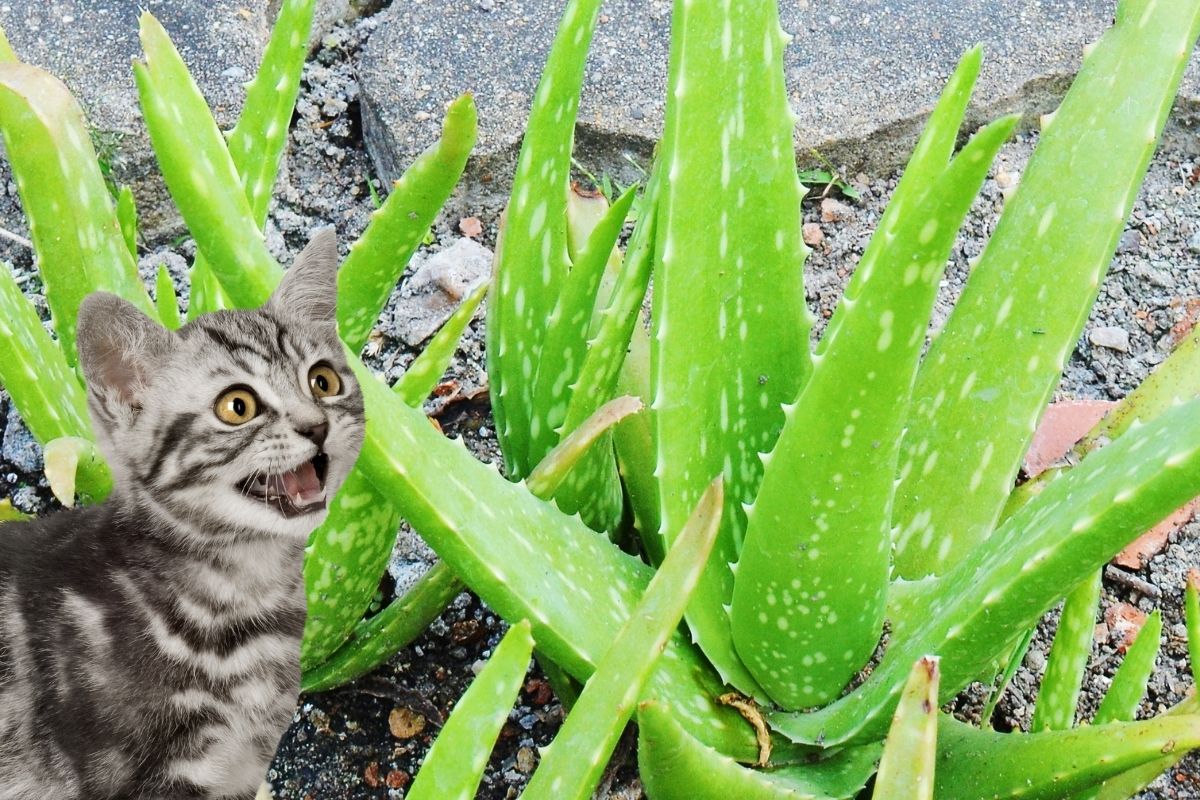
Aloe vera, with its thick, succulent leaves and its reputation as a skincare superstar, is practically a household name. You might have a bottle of its gel in your bathroom for those moments you’ve forgotten sunscreen (we’ve all been there!), or perhaps you’ve cultivated your own little green friend on a windowsill. It’s hailed for its healing properties for us humans, but when it comes to our feline friends, the story gets a bit more complicated. The answer, in short, is a resounding “No, aloe vera is not safe for cats.”
Must Read
So, what’s the deal?
It all comes down to a specific compound found in the aloe vera plant. While the clear, soothing gel we humans love is generally considered safe, the saponins and anthraquinones present in the plant’s outer layers and sap are the culprits. Think of it like this: the beneficial stuff is deep inside, but the stuff that can cause tummy troubles is readily accessible when a curious cat decides to take a nibble.
These compounds can cause a range of unpleasant symptoms for our feline companions. We’re talking about gastrointestinal upset, which, let's be honest, is never fun for anyone, especially a cat who prides itself on meticulous grooming. Symptoms can include vomiting, diarrhea, lethargy, and even tremors in more severe cases. Nobody wants to see their beloved pet feeling under the weather, so it's worth understanding the potential risks.
Cats are naturally curious creatures. They explore the world with their mouths as much as they do with their paws and noses. A tempting, leafy plant can be an irresistible invitation for a little taste test. And because they’re obligate carnivores, their digestive systems are quite different from ours. What might be a mild irritant for us can be a significant problem for them. This is why we need to be extra mindful of what plants we bring into our homes.
A Little Bit of Science (Don’t Worry, It’s Easy!)
Let's break down those fancy terms. Saponins are naturally occurring compounds that can create a lather, much like soap. In plants, they often act as a defense mechanism. Anthraquinones, on the other hand, are a group of compounds known for their laxative properties. When ingested by cats, these can irritate their digestive tracts. It’s a natural defense for the plant, but a potential pitfall for our furry friends.
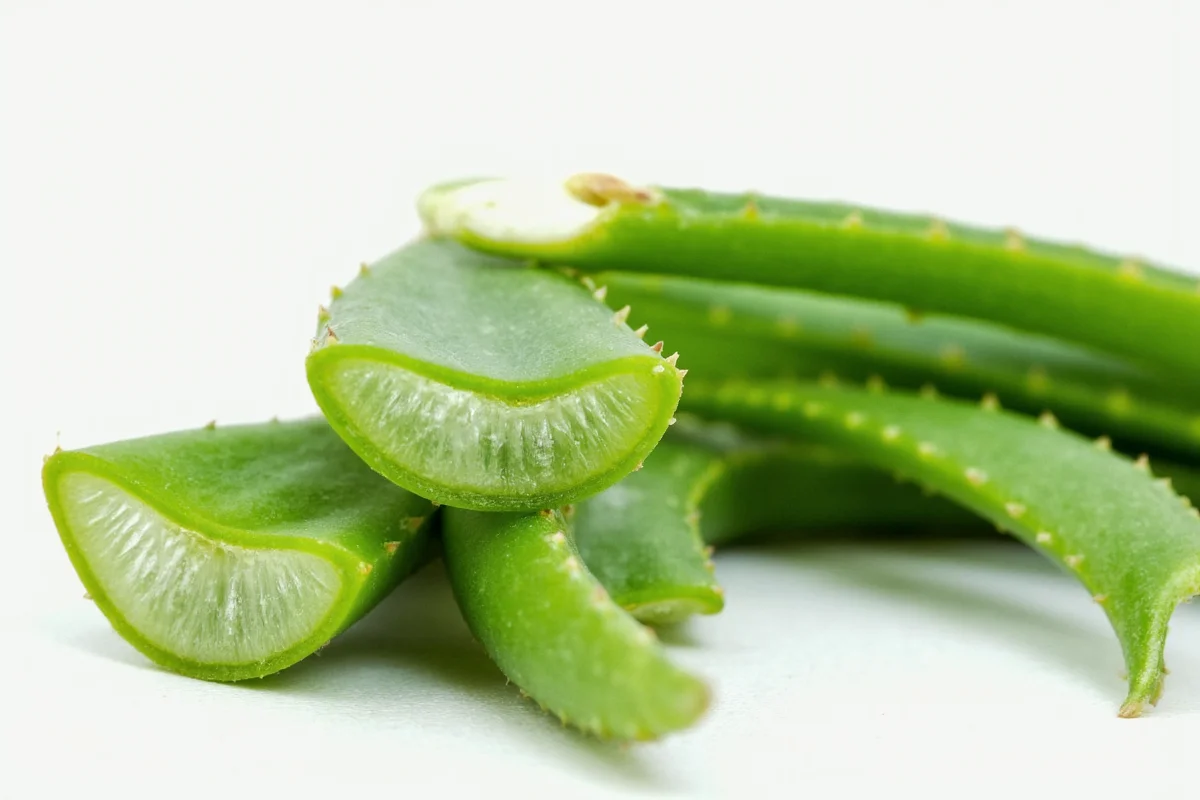
The concentration of these toxins can vary depending on the part of the plant and its maturity. However, it’s best to err on the side of caution. Even a small nibble can trigger a reaction. Imagine you’re trying a new exotic fruit and you don't know if it's going to agree with you – you’d probably stop after the first bite. Cats don't always have that same level of self-restraint when it comes to plants.
Spotting the Signs: What to Watch For
If you suspect your cat has ingested aloe vera, keep an eye out for these tell-tale signs:
- Vomiting: This is often one of the first and most obvious symptoms.
- Diarrhea: Loose stools can also indicate digestive upset.
- Lethargy: Your usually energetic kitty might seem unusually tired or uninterested in play.
- Loss of Appetite: Refusing food is a strong indicator that something is wrong.
- Drooling or Foaming at the Mouth: This can happen if the plant causes irritation.
- Abdominal Pain: Your cat might seem uncomfortable or sensitive when you touch their belly.
If you notice any of these symptoms, it's always best to contact your veterinarian immediately. They can provide the best advice and treatment for your specific situation. Better safe than sorry, as they say!
Cultural Significance and Fun Facts
It’s interesting to note how humans have historically viewed aloe vera. Ancient Egyptians called it the "plant of immortality," and it was a prized possession in their royal tombs. Cleopatra herself was rumored to use it for her legendary beauty. Talk about a plant with a legacy! It’s been a staple in traditional medicine across various cultures for centuries, from India and China to the Mediterranean and the Americas. We’ve embraced its healing powers, but it’s a reminder that not all natural remedies are universally beneficial.
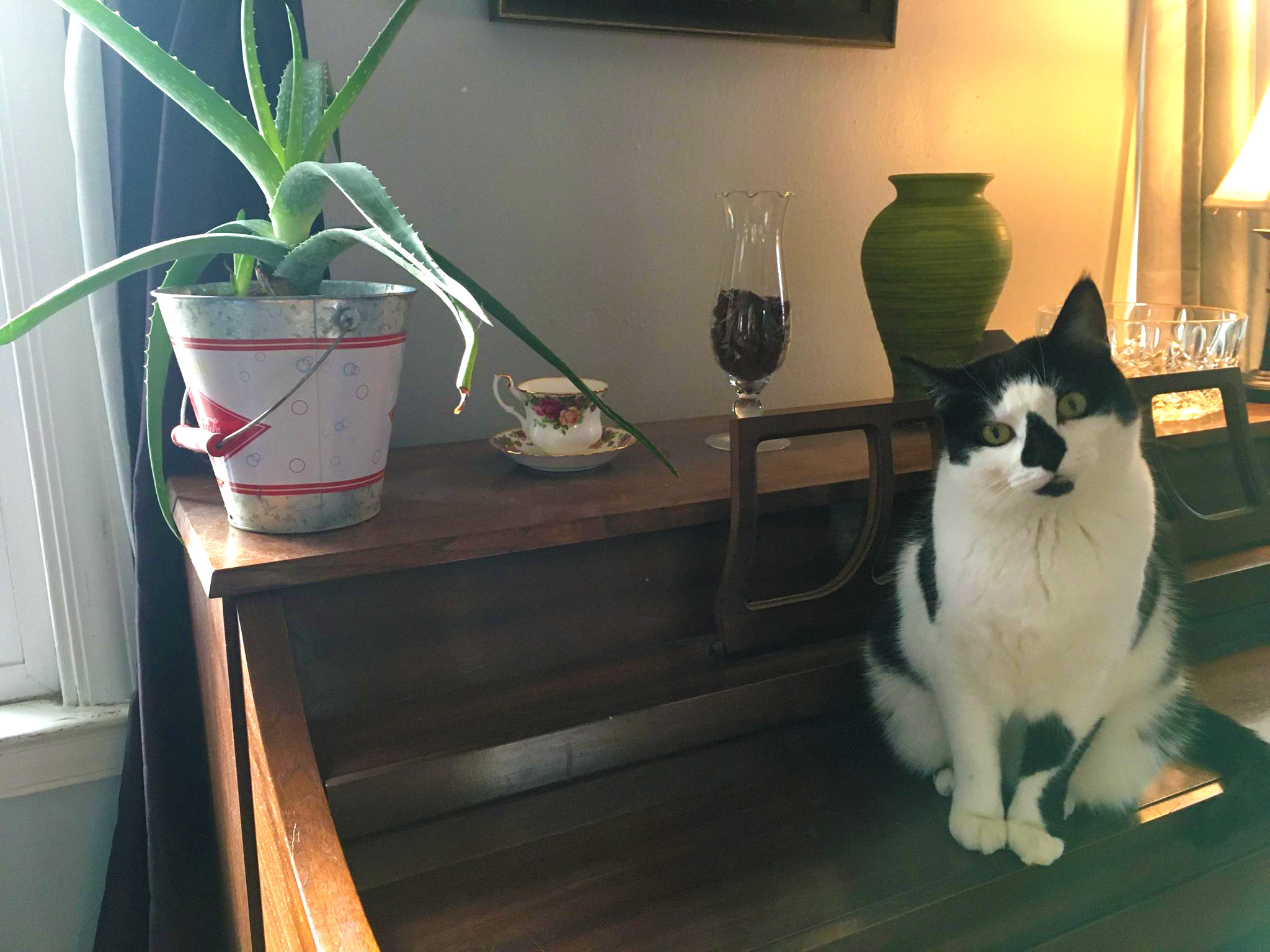
In many parts of the world, people grow aloe vera not just for its medicinal properties but also as a symbol of good luck and protection. It's often seen as a resilient plant, able to thrive even in harsh conditions, mirroring the human desire for strength and endurance. It’s a bit ironic that this plant, associated with so much positivity and well-being for us, needs to be kept at a safe distance from our beloved pets.
Did you know that aloe vera is part of the Asphodelaceae family? This means it's related to plants like lilies and tulips, some of which are also known to be toxic to cats. This familial connection is another subtle hint that caution is warranted.
Practical Tips for a Cat-Friendly Home
So, you love your green friends but also adore your felines? Don’t despair! You can still create a beautiful and safe living space. The key is strategic plant placement and choosing cat-safe alternatives.
1. Keep it High: If you absolutely must have an aloe vera plant, place it somewhere your cat absolutely cannot reach. Think high shelves that are inaccessible, or even hanging planters that are well out of paw’s reach. However, even then, a determined cat can sometimes surprise you. It’s about minimizing temptation and opportunity.
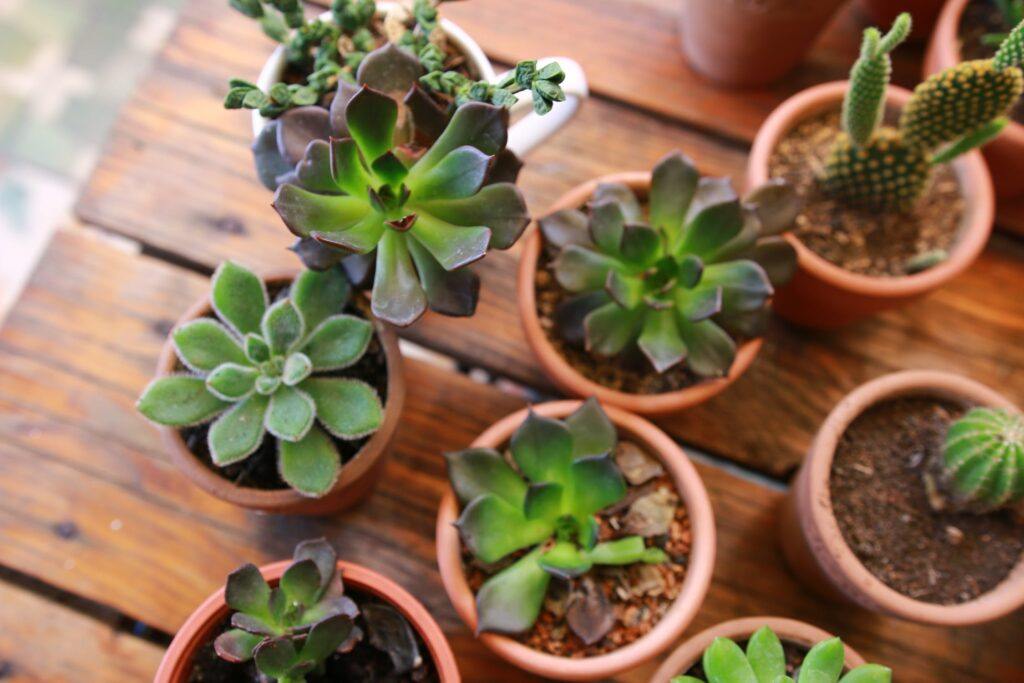
2. The Exclusion Zone: Consider dedicating a room or a specific area of your home to your plants where your cats are not allowed. This might be a sunroom or a home office that’s kept off-limits. This way, you can enjoy your greenery without constant worry.
3. Cat-Proof Your Collection: This is where the fun really begins! There are SO many gorgeous and completely safe plants that are perfect for cat owners. Think about:
- Spider Plants: These are like the friendly puppies of the plant world. They’re non-toxic, easy to care for, and cats often find them fascinating (sometimes a little too fascinating, leading to some playful batting!).
- Boston Ferns: Lush and feathery, these add a touch of elegance to any room and are perfectly safe for your curious kitties.
- Herbs like Rosemary and Basil: Not only are they safe, but they can also add a wonderful aroma and may even be a safe outlet for your cat’s natural instinct to chew on greens. Just ensure they aren't heavily treated with pesticides.
- Money Trees (Pachira aquatica): These are known for their braided trunks and lush foliage, and thankfully, they are non-toxic.
- Certain Palms: Look for varieties like the Areca Palm or the Parlor Palm, which are generally considered safe for cats.
A quick peek at the ASPCA’s website (The American Society for the Prevention of Cruelty to Animals) is an invaluable resource for a comprehensive list of toxic and non-toxic plants. It’s the go-to guide for any pet owner looking to greenify their home safely.
4. Redirect Their Interest: If your cat seems determined to chew on plants, provide them with their own safe alternatives. A small pot of cat grass or a specially grown catnip plant can be a great way to satisfy their urge to nibble on greens without putting them at risk.
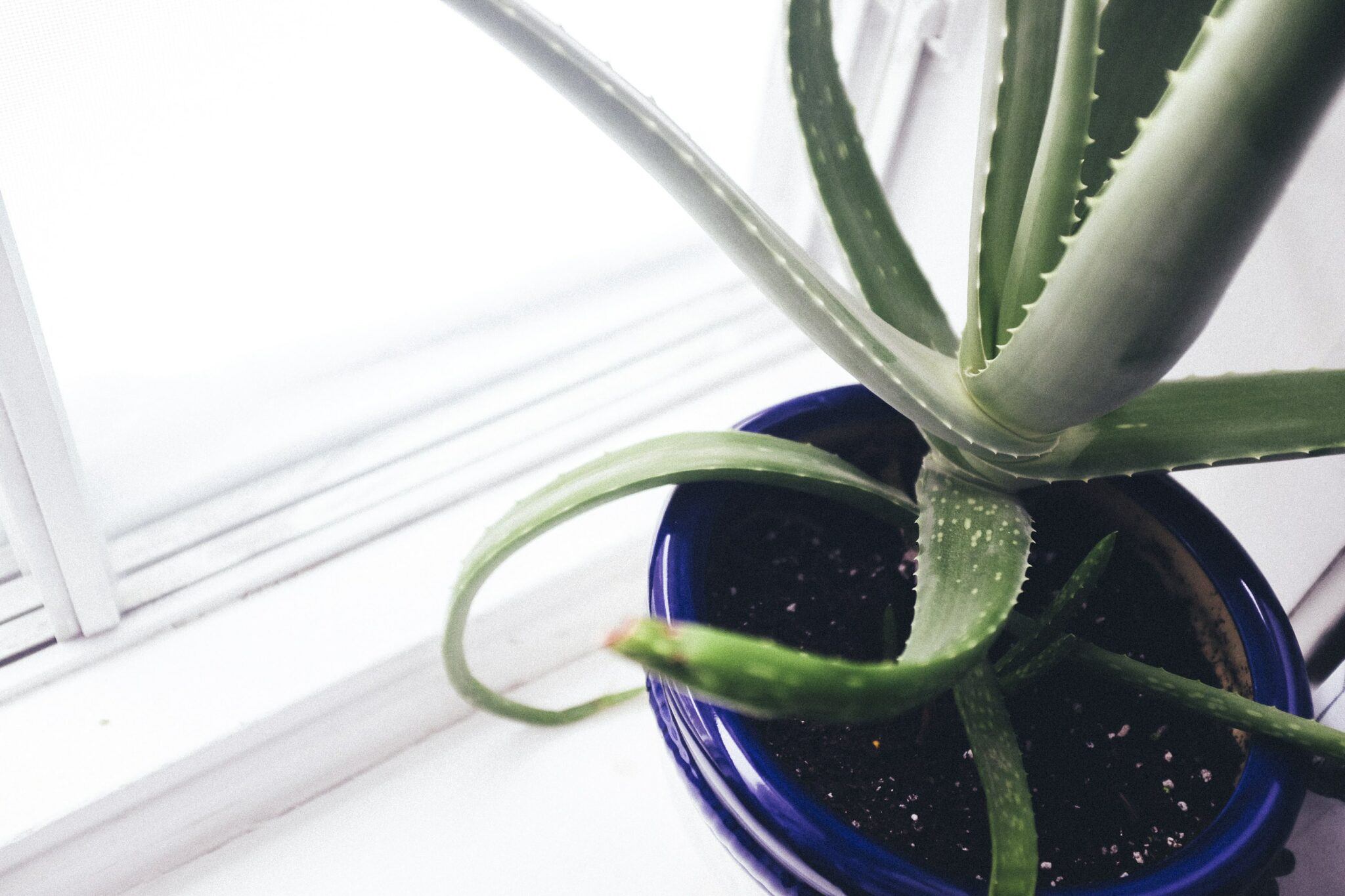
5. Educate Yourself: Make it a habit to research any new plant before you bring it home. A quick search of "[Plant Name] toxic to cats" will usually give you the answer you need. It’s a small step that can prevent big problems.
The Modern Dilemma: Green Living with Furry Friends
In our increasingly connected world, we're more aware than ever of our impact on the environment and the importance of bringing nature into our homes. We see stunning plant-filled interiors on Pinterest and Instagram, and it’s easy to get inspired. But as responsible pet owners, this inspiration needs to be tempered with knowledge and caution.
The desire to create a beautiful, calming, and natural living space is completely understandable. Plants add life, color, and a sense of well-being. However, the love and safety of our pets should always be the top priority. It’s a balancing act, and thankfully, one that’s easily managed with a little foresight.
Think of it like choosing the right furniture for a home with toddlers. You’re going to avoid sharp corners and fragile decorations. Similarly, when you have cats, you’re going to choose plants that coexist harmoniously with their curious paws and playful mouths.
A Final Thought for Your Daily Grind
Life is full of little joys, and for many of us, that includes the comforting presence of our pets and the calming influence of plants. The fact that aloe vera, a plant so revered for its healing properties for us, poses a risk to our cats might seem like a strange cosmic joke. But it’s a gentle reminder that we live in a complex world, and what’s beneficial for one species isn't always for another. Our responsibility is to navigate these complexities with love, awareness, and a good dose of practical planning. So, go forth and create your beautiful, green, and cat-safe sanctuary. Your purring companions will thank you for it, perhaps with an extra head-nuzzle or a slow blink of appreciation.