Android Push Notification Service
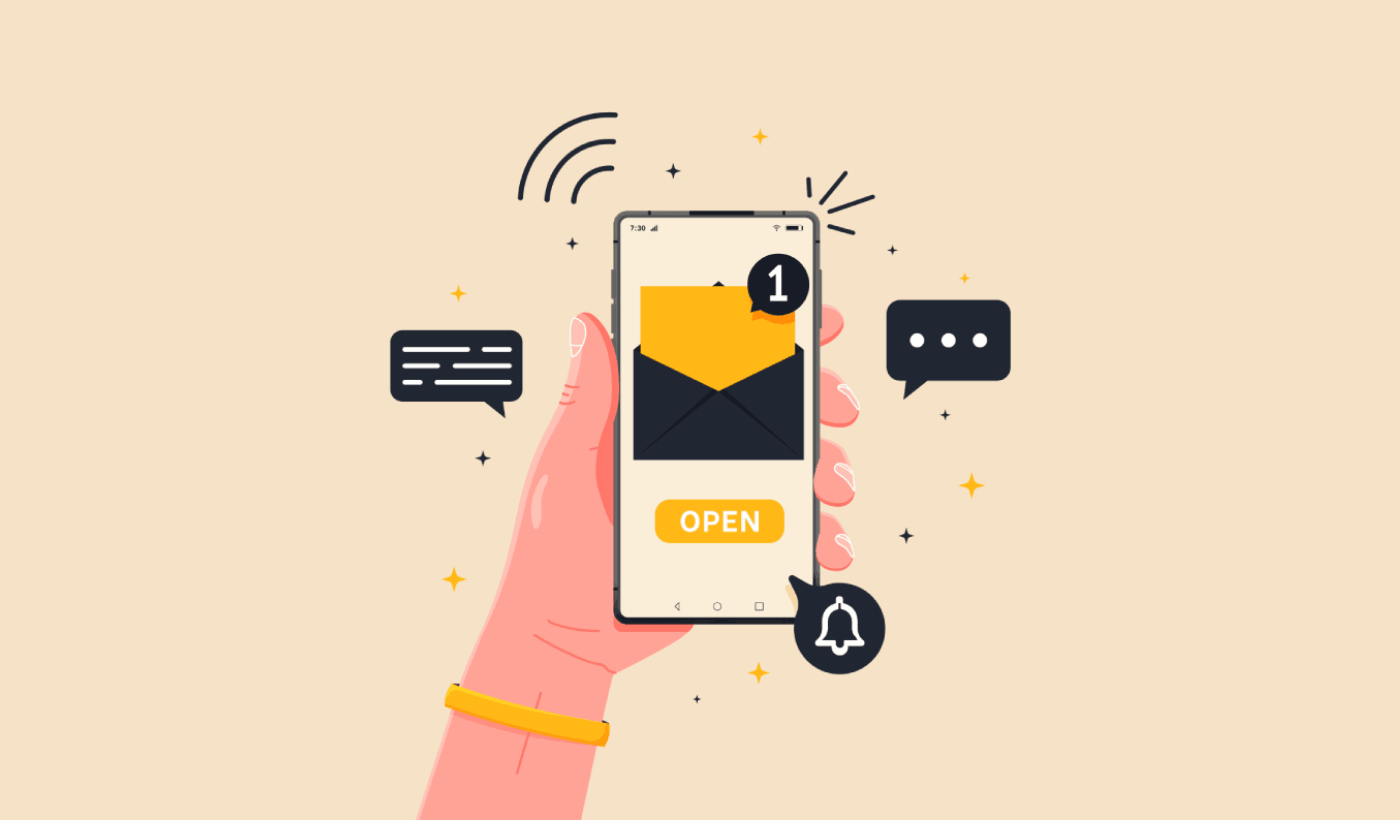
Hey there! So, you're probably wondering what all the fuss is about with Android push notifications, right? It's like, those little pop-ups that suddenly appear on your phone, screaming "Hey! Something happened!" Pretty handy, usually. Unless it's your grandma asking if you've eaten, for the fifth time today. Gotta love Grandma, though.
Basically, push notifications are your apps' way of gently nudging you. Or sometimes, not so gently. Think of them as tiny digital messengers, running around your phone and delivering important (or not-so-important) bits of info. Without them, how would you know that your favorite pizza place is having a buy-one-get-one-free deal? Tragic, I tell you. Utterly tragic.
The magic behind these little alerts is something called the Android Push Notification Service. Sounds fancy, doesn't it? Like something out of a sci-fi movie. But really, it's just Google's super-powered system that makes sure those messages actually get to your device. It's the digital postal service, but way, way faster. And with fewer grumpy mail carriers, hopefully.
Must Read
So, how does it all work? Imagine this: an app on your phone wants to tell you something. Maybe a new message arrived, or a game update is ready. Instead of the app constantly having to check in with a server like a needy teenager, it just registers with the Android Push Notification Service. Think of it as signing up for a mailing list, but for alerts.
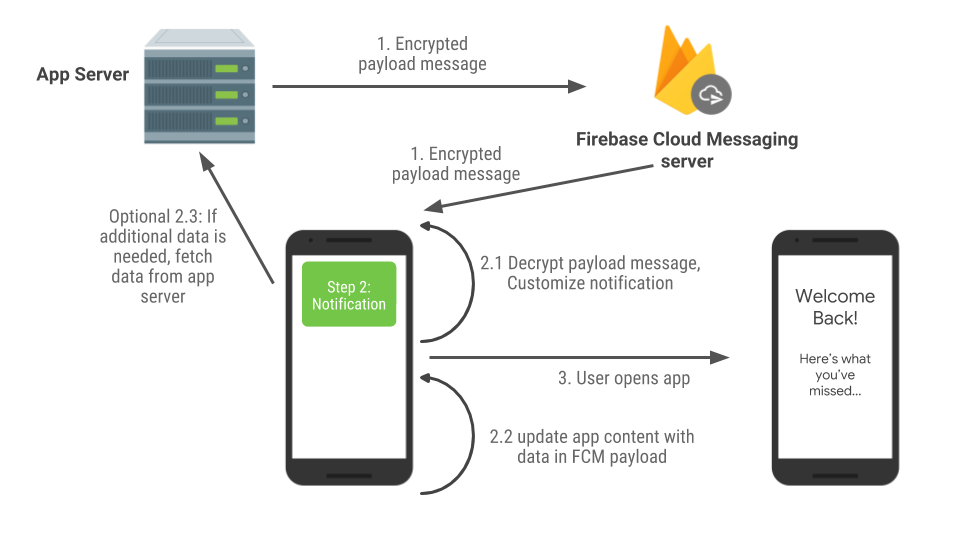
Then, when something actually happens, the app's server sends a message to Google's service. Google's service, being the super-efficient overlord it is, then finds your phone and delivers that message. Boom! Instant notification. It's like telepathy, but with more data packets and less mind-reading. Which, honestly, is probably a good thing.
The beauty of this is that it's incredibly efficient. Your phone doesn't have to stay awake all the time, constantly asking, "Anything new? Anything new?" That would be exhausting, wouldn't it? Imagine your phone having to do that. It'd be a grumpy, battery-drained mess by lunchtime. The push service lets your phone sleep soundly, only waking up when there's something to report. Like a well-trained guard dog, but for your apps.
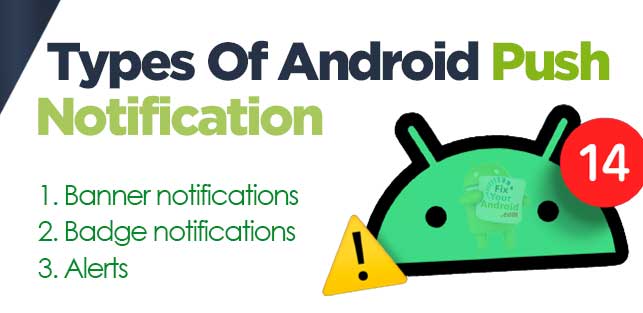
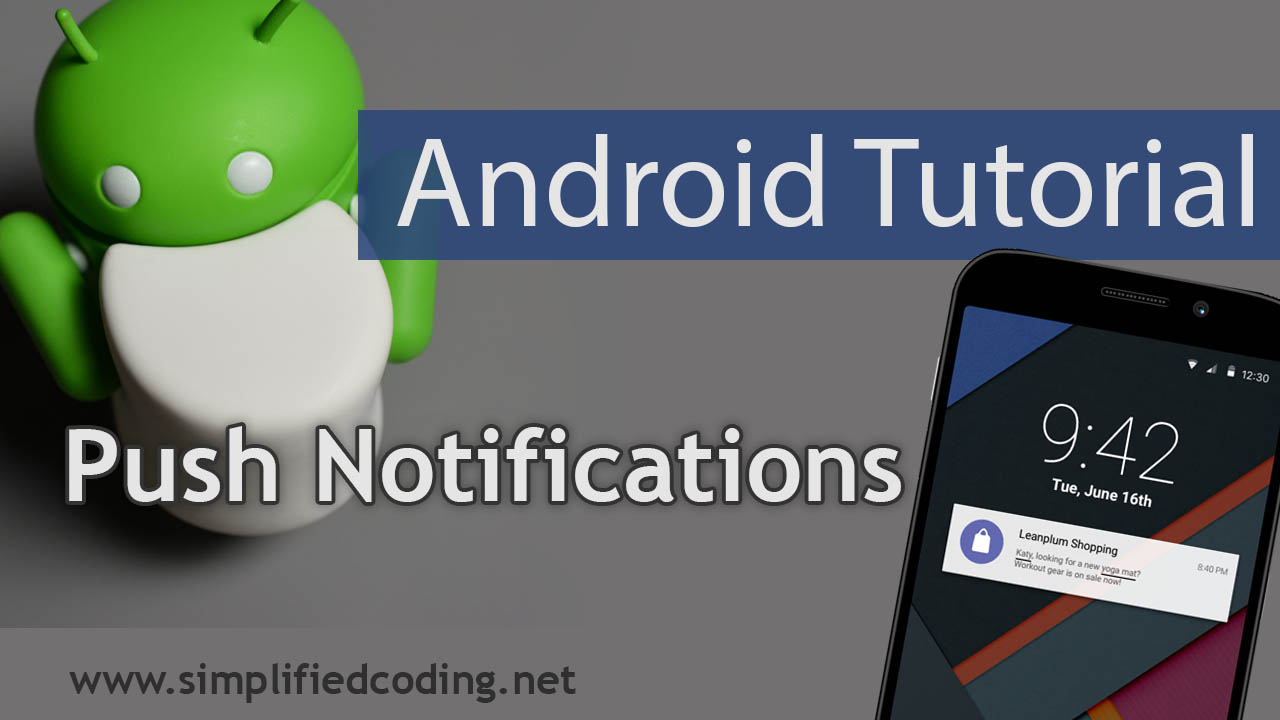
There are actually a few different types of push notifications. We've got the classic ones that just pop up at the top of your screen. You know, the ones you swipe away without even reading sometimes. Guilty as charged! Then there are the ones that show up in your notification shade, which is like a digital filing cabinet for all your alerts. You can go through them later, when you have time. Or, you know, never.
And let's not forget the really exciting ones! The ones that vibrate your entire pocket like a tiny earthquake. Those are usually the ones that make you jump out of your skin. "What was that?!" you exclaim, frantically patting your pockets. It's probably just your bank telling you about a new transaction. Or a game asking you to "come back and play!" They're persistent little things, aren't they?
Developers love push notifications. Why? Because it's a fantastic way to engage users. It's like having a direct line to their attention. "Hey! We made this cool thing! Come check it out!" It's a lot more effective than hoping they'll just randomly open the app. Though, sometimes, I do wonder why I've got 50 apps on my phone that I haven't opened in months. They keep sending me notifications, though. Maybe they're just lonely.
But here's the thing, and this is where it gets a bit more technical, but stay with me, we're almost there! The push notification service isn't just one big happy Google blob. Oh no. It's actually made up of a few key components. You've got your App Server, which is the brain of the app, really. It decides when and what to send.
Then you have the Google Cloud Messaging (GCM), which is the actual service that handles the delivery. Think of GCM as the super-fast delivery truck. It takes the message from the app server and gets it to the right device. And then, of course, you have your Android Device, which is where the magic finally appears on your screen. Your trusty smartphone, ready to be notified.
GCM used to be the main player, but Google has evolved things. Now, we have Firebase Cloud Messaging (FCM). It's like GCM's cooler, more feature-packed older sibling. FCM basically took over the reins and made everything even better. More reliable, more flexible, and with a bunch of extra goodies. So, if you're a developer, you're probably using FCM these days. It's the modern standard, you know?
FCM is pretty darn powerful. It can send notifications to individual devices, or to groups of devices. Imagine sending a message to everyone who lives in a certain city, or everyone who likes cats. The possibilities are endless! Well, almost endless. I doubt you can send a notification to everyone who believes in aliens. Not yet, anyway.
And it's not just about text anymore. Oh no. Push notifications can carry a lot more. They can include rich content, like images and even short videos. So, your favorite news app can send you a photo of a breaking story. Or your social media app can show you a snippet of a video. It's like a mini-billboard right there on your lock screen. Pretty neat, huh?
There's also this concept of message payloads. Don't let the fancy name scare you. It's basically just the actual information that the notification carries. It's the "what" of the message. It can be simple text, or it can be a whole bunch of data that the app can use. For example, a notification might tell your music app to start playing a new song, even if you don't have the app open. Talk about convenience!
Now, let's talk about the user's perspective. We get bombarded with notifications, don't we? Sometimes it feels like our phones are in a constant state of alert. It's like a digital symphony of beeps and buzzes. And if you're not careful, you can end up with a notification overload. It's a real thing, I tell you. It can make you want to just… throw your phone across the room. Don't do that. It's expensive.
That's why it's so important for apps to be thoughtful with their notifications. Sending too many, or irrelevant ones, is a surefire way to get yourself ignored. Or worse, uninstalled. Nobody likes an app that's constantly shouting at them for no reason. It's like that one friend who always has to be the center of attention. We love them, but sometimes, we just need a break.
Android gives you a lot of control over your notifications, which is a good thing. You can go into your settings and decide which apps are allowed to send you notifications. You can even customize how they appear. Want a specific app to make a loud noise? Go for it. Want another one to be silent and subtle? You can do that too. It's your phone, your rules. Your notification kingdom!
Developers can also offer different types of notification channels. Think of channels as categories. So, a news app might have channels for "Breaking News," "Sports," and "Local Events." You can then choose which channels you want to subscribe to. This gives you more granular control and stops you from getting spammed with stuff you don't care about. It's like picking your favorite channels on TV, but for alerts.
And what about when your phone is in "Do Not Disturb" mode? Well, push notifications usually respect that. Unless, of course, the app has been given special permission to break through. Which, in my opinion, should be reserved for genuine emergencies. Like, "Your house is on fire" kind of emergencies. Not, "Someone liked your photo" emergencies. Although, sometimes, a good photo like does feel like a small emergency, doesn't it?
Another cool aspect is silent notifications. These are notifications that don't actually show up on your screen or make any noise. They're delivered in the background and can be used for things like syncing data or triggering other actions within the app. It's like a secret message that only your app can understand. Sneaky!
For developers, implementing push notifications involves a bit of work, but it's definitely worth it. You need to set up your FCM project, get your server key, and then write the code to send messages. It's not rocket science, but it does require a bit of technical know-how. But hey, that's what Stack Overflow is for, right? Our digital savior.
One of the biggest benefits for users is that push notifications can help you stay informed. Imagine getting an alert that there's a delay on your train route, or that your flight has been changed. That can save you a lot of hassle and stress. It's like having a personal assistant, but one that's always available and doesn't ask for coffee breaks.
They also help with things like task reminders. Ever forget to take your medication? Or to water your plants? A well-timed push notification can be a lifesaver. Though, sometimes, my plant watering reminders are so frequent, I start to think my plants are more demanding than my boss. And that's saying something.
From a security standpoint, push notifications are generally pretty secure. Google has put a lot of effort into making sure that messages are delivered reliably and without interception. However, like anything online, it's always good to be aware of what you're clicking on. A dodgy-looking notification might be a phishing attempt. So, always be a little bit skeptical. Your digital guardian angel might be wearing a trench coat and a suspicious hat.
The evolution of push notifications is pretty fascinating. It started out as a simple way to send alerts, and now it's become a powerful tool for communication and engagement. It's constantly being updated and improved by Google, with new features and capabilities being added all the time. It's like a digital organism, always growing and adapting.
So, next time you see a little pop-up on your Android phone, take a moment to appreciate the underlying technology. The Android Push Notification Service, powered by FCM, is working hard behind the scenes to keep you connected and informed. It's a pretty amazing piece of engineering, really. Even if it does sometimes interrupt your cat videos. But hey, even cat videos can wait for a notification about a sale on more cat treats. Priorities, people!
And that, my friends, is a little peek into the world of Android push notifications. A world of tiny digital messengers, efficient delivery systems, and the occasional dramatic vibration. Pretty cool, right? Now, if you'll excuse me, I think I just got a notification about a new episode of my favorite show. Time to get back to that digital symphony!