Andor Compared To Rogue One So Far
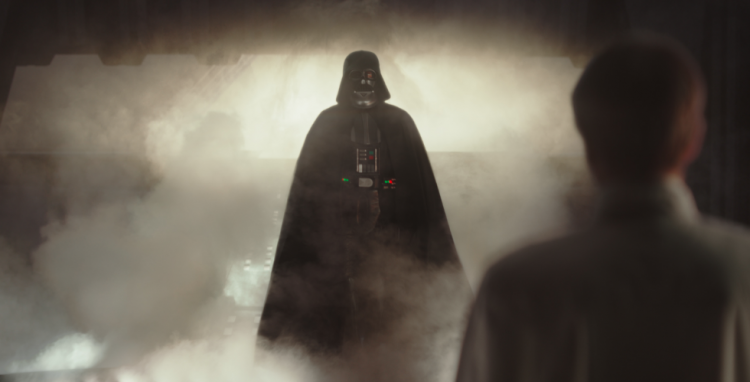
Okay, so you know how we've been absolutely obsessed with Andor lately? Like, can't stop talking about it, have it on in the background while we pretend to do chores, the whole deal? Well, I’ve been thinking a LOT about it, and how it stacks up against its big cinematic cousin, Rogue One. You know, the movie that basically made us love gritty Star Wars. Because, let’s be real, these two feel like they came from the same gritty, dark, and slightly desperate corner of the galaxy, don’t they? It’s like they’re the cynical older siblings of the Star Wars universe. And I love it.
Remember Rogue One? Of course you do! It was that movie that was all, "Hey, remember that Death Star plans thing? Yeah, well, someone had to steal them. And it was messy. Like, really messy." And we all sat there, jaws on the floor, thinking, "Whoa, this is different." It was so… adult. No Jedi mind tricks, no shiny chrome stormtroopers marching in perfect unison. Just… people. Trying to do a dangerous job. And failing spectacularly, and then succeeding, and then dying. All the feelings, right?
Andor, though! It’s like Rogue One took all its good ideas, all its cool gritty vibes, and then decided to sprinkle them with even more realism and character development. It’s like, what if Rogue One was actually a slow-burn character study disguised as a heist movie? Because that’s what Andor feels like. It’s not just about stealing plans anymore; it’s about why you steal them. It's about the people who have to. The ones who get their hands dirty so the heroes can have their epic battles later. Makes you think, doesn't it? Like, who are these background characters we always glossed over?
Must Read
The Vibe Check: Dark and Grimy vs. Dark and… Existential?
So, the general mood, right? Rogue One was definitely dark. It was like a grim war movie, but with spaceships. The planet Scarif was gorgeous, sure, but the mission itself was fraught with peril. You felt the weight of the Empire’s oppression. The stark contrast between the pristine Imperial facilities and the ragtag Rebel crew was palpable. It was all about that last-ditch effort, that desperate gambit. We were all yelling at the screen, "Just give them the plans already!"
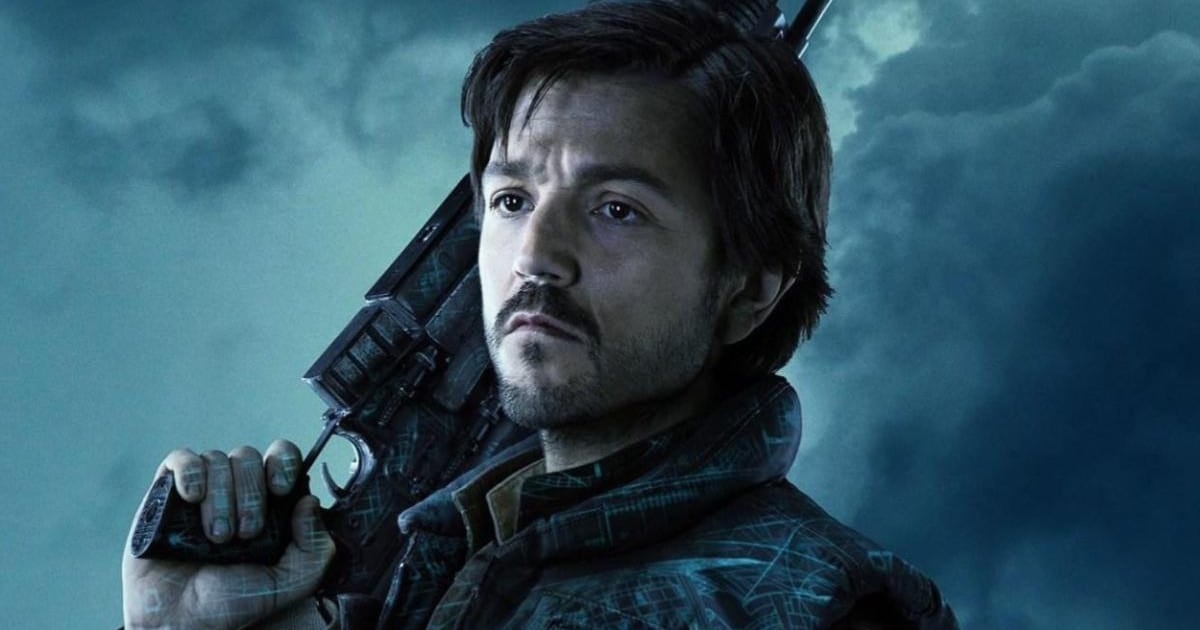
Andor takes that darkness and turns it inward. It's not just about the external threat of the Empire, though that’s certainly there, lurking and suffocating. It’s about the internal struggles. The compromises. The moral gray areas that stretch for miles and miles, like a desert planet. Cassian Andor himself isn't some born hero. He's a survivor. He's made questionable choices. He's running from something, or maybe from everyone. It’s like he’s living in a perpetual state of “uh oh.” And it’s fascinating. You can’t help but be drawn into his world. It’s like looking into a very realistic, slightly terrifying mirror.
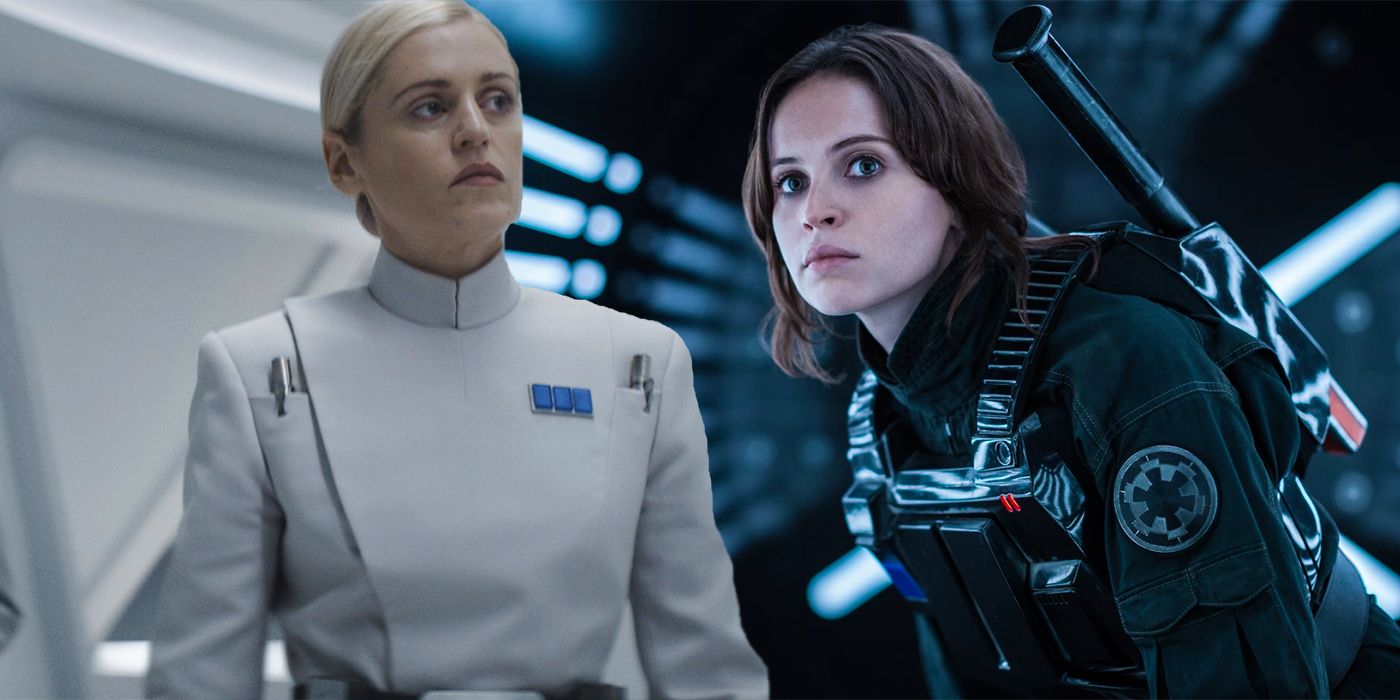
In Rogue One, you had characters like Jyn Erso, who had a personal stake but was still very much a mission-focused protagonist. She had a goal, and it was clear. In Andor, it’s much more about the journey to that kind of conviction. It’s about how people are pushed to the brink, how they find their fire. It’s the slow burn versus the ticking bomb. Both are effective, but Andor is making me feel things in a different way. It’s making me question my own motivations, which is a bit unsettling, honestly.
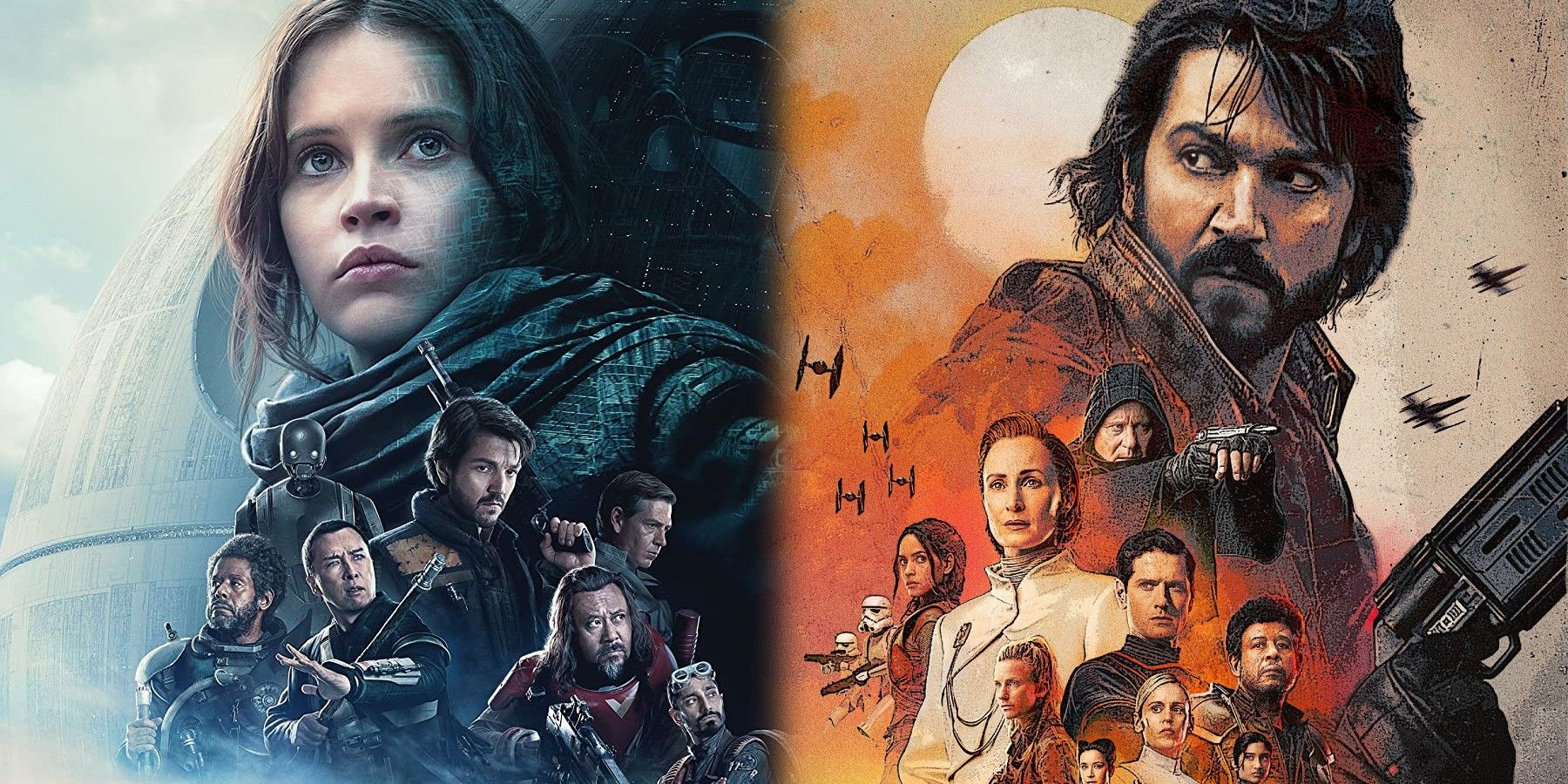
The Characters: Relatable Scoundrels vs. Deeply Flawed Humans
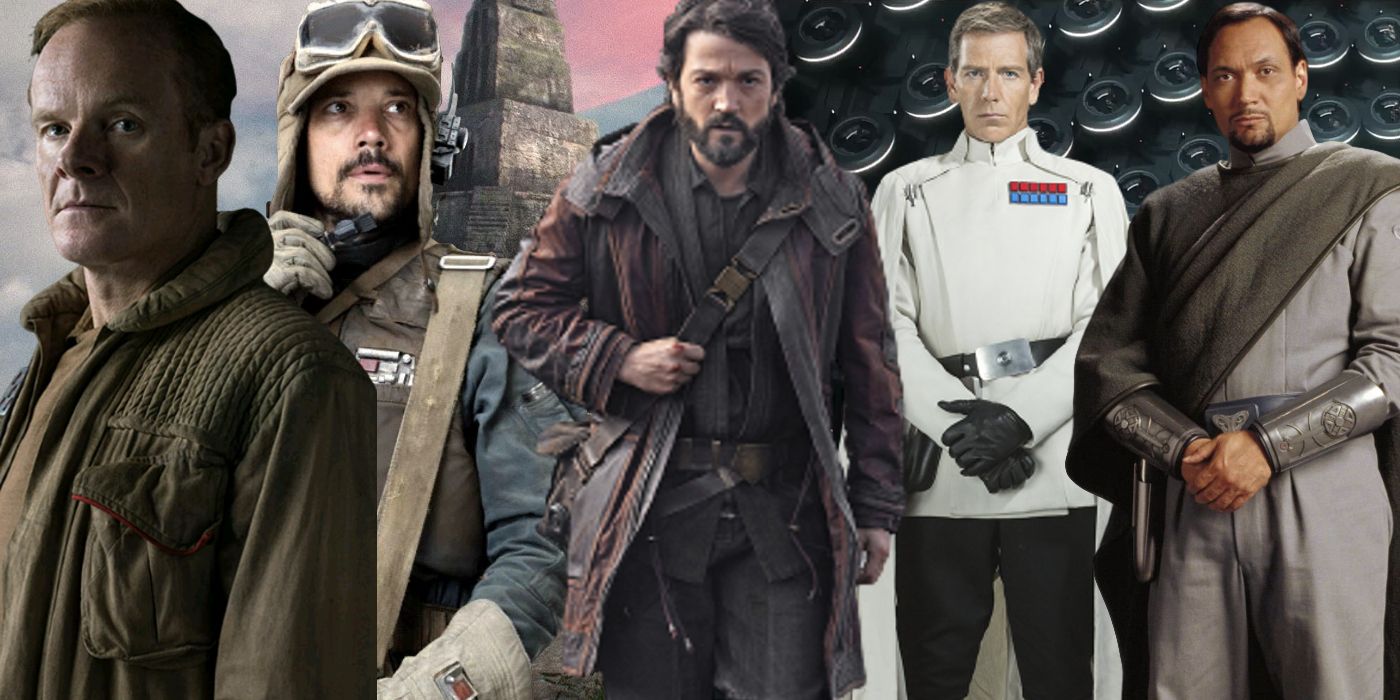
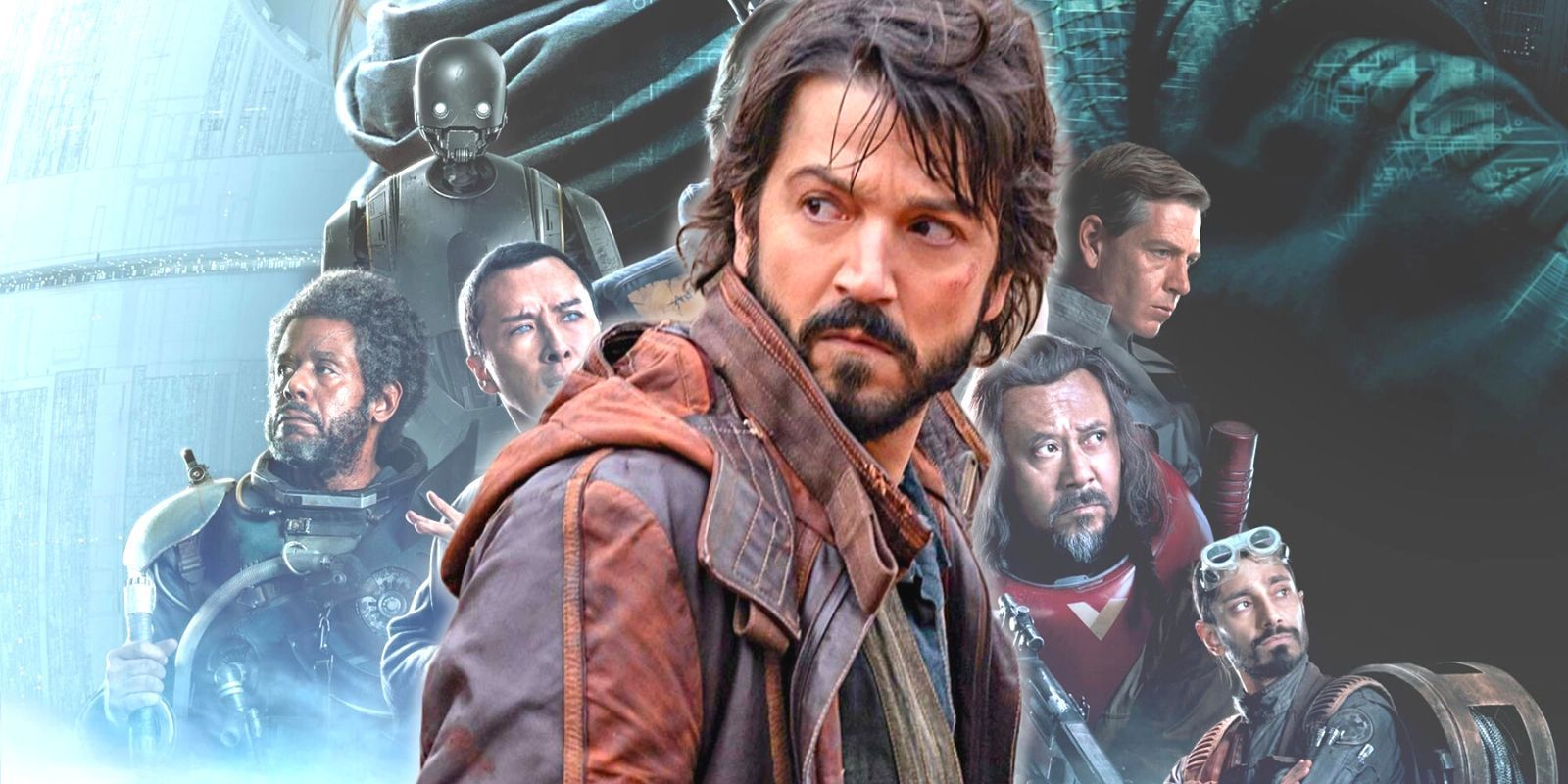
Let's talk about the people, because, let's be honest, that's what really hooks you in. In Rogue One, we got our ragtag bunch of heroes. K-2SO, bless his sarcastic droid heart, was a standout, obviously. Chirrut Îmwe and Baze Malbus were the quirky, almost mystical duo. They were cool. They were the archetypes we kind of expect in Star Wars, but with a fresh coat of paint. They were heroes, even if they were a bit rough around the edges. You rooted for them because they were fighting the good fight.
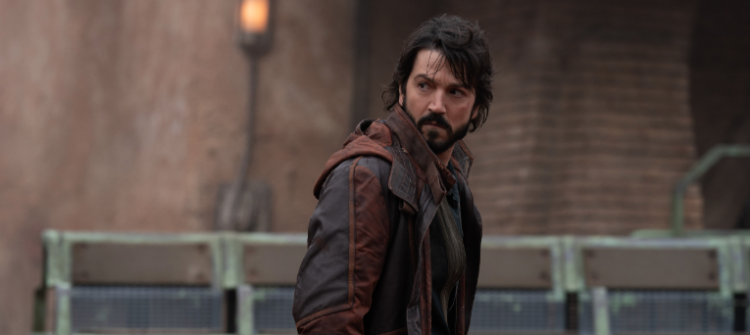
But Andor… oh, Andor. The characters here feel like they crawled out of a dive bar on Coruscant and are just trying to make it through the day. Cassian, as we’ve said, is a mess. He’s charmingly roguish, but also deeply selfish at times. You see him making choices that make you wince, and then you see the circumstances that led him there, and you get it. It’s not an excuse, but it’s an explanation. And that’s gold. It’s what makes him feel so real.
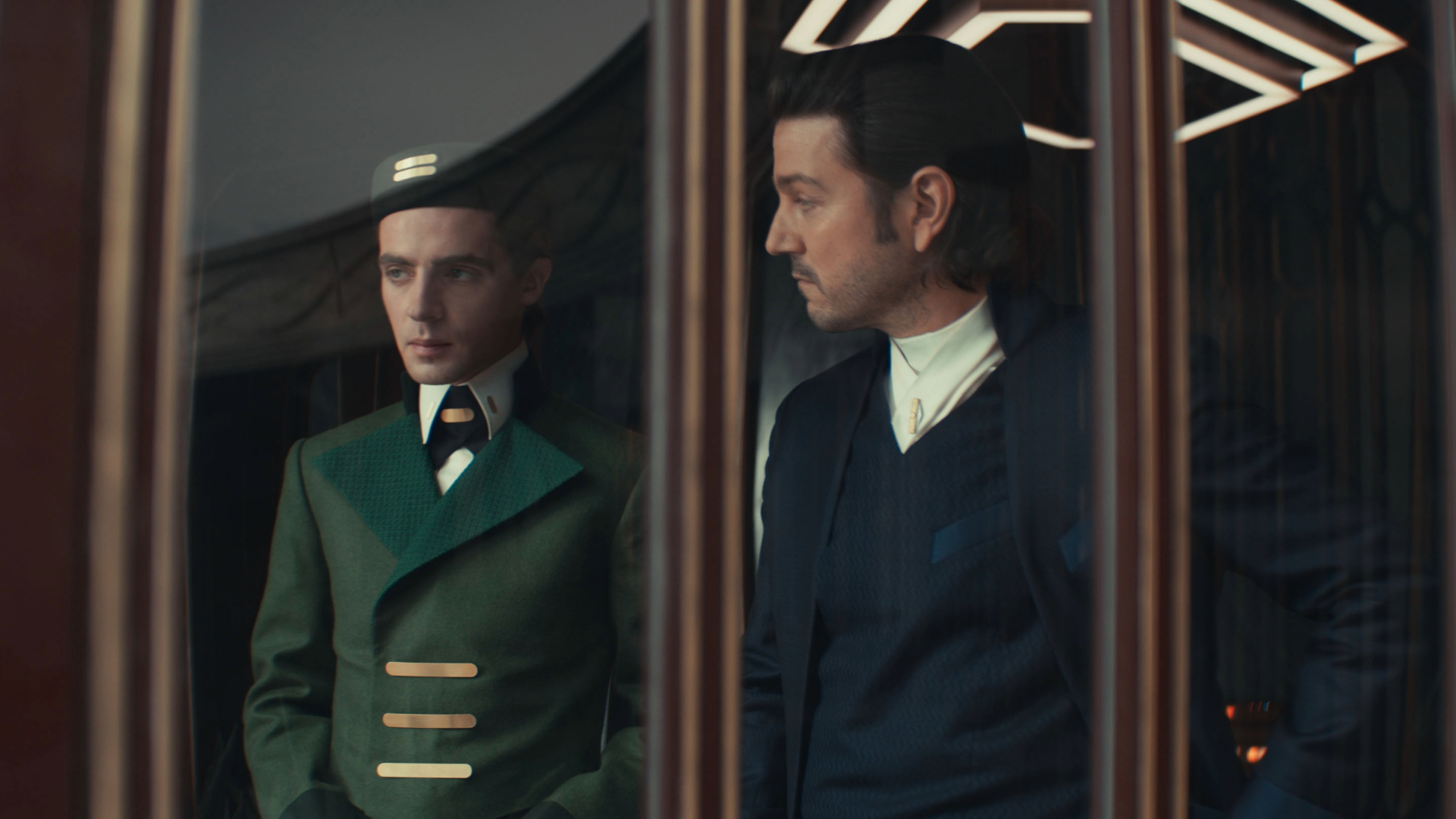
And then there’s Syril Karn. What a character! This guy is obsessed. Like, dangerously so. He’s the embodiment of misguided order. You watch him, and you’re horrified, but you also see the desperate need for control that’s driving him. He’s not a mustache-twirling villain; he’s a man unraveling. And Mon Mothma! Finally, we get to see the immense pressure she’s under, the sacrifices she has to make to keep the Rebellion alive from the inside. It’s not just about grand pronouncements and speeches; it’s about quiet desperation and calculated risks.
Even the minor characters in Andor are given so much depth. Dedra Meero, the ambitious Imperial officer? She's not just a generic bad guy. She’s got her own agenda, her own struggles within the oppressive system. You see the cracks forming everywhere, and that’s what makes it so compelling. It’s like Rogue One gave us a snapshot of heroes on a mission, and Andor is showing us the entire sprawling, messy ecosystem that produces those heroes, and the immense cost of that fight.
The Stakes: Life and Death vs. The Soul of the Rebellion
Okay, the stakes in Rogue One were huge, obviously. The literal fate of the galaxy hung in the balance. The Death Star was going to blow up planets! Yikes. It was that classic good versus evil, save-the-world scenario. And it worked, boy did it work. That final battle on Scarif? Chef's kiss. Pure cinematic adrenaline.
But Andor is raising the stakes in a different, more insidious way. It’s not just about bodies falling, though that definitely happens. It's about the idea of rebellion. It's about the cost of fighting for freedom. It's about what happens to people when they're constantly under the thumb of an authoritarian regime. Cassian’s journey isn't just about getting from point A to point B; it's about him evolving, about him finding his place in a fight that’s much bigger than himself.
And the Empire in Andor? It feels so much more terrifying because it’s so… mundane. It’s the bureaucracy, the stifling regulations, the casual cruelty that grinds people down. It’s not just Darth Vader breathing menacingly; it’s the endless forms, the invasive security checks, the quiet fear that permeates every aspect of life. That’s what makes the small acts of defiance in Andor so powerful. It's like every little spark of rebellion is a miracle.
In Rogue One, the stakes were clear and immediate: stop the Death Star. In Andor, the stakes are more complex and existential: what does it truly mean to fight for something? What are the personal sacrifices required? What are the moral compromises you have to make to even survive, let alone resist? It's a much deeper dive into the human cost of war and oppression. It’s the quiet hum of dread versus the roar of battle. Both are vital, but Andor is digging into the stuff that keeps you up at night.
The Pacing: Fast and Furious vs. Deliberate and Devastating
Rogue One had that propulsive energy, didn't it? It was a race against time. Every scene felt like it was pushing us forward towards that epic climax. It was a tightly plotted thriller, and you were on the edge of your seat the whole time. It was like a perfectly crafted popcorn movie, but with actual substance. I remember thinking, "This is how you do it. This is how you make a Star Wars movie that feels fresh and exciting."
Andor, on the other hand, is a marathon, not a sprint. It’s slow. And I mean that in the absolute best way possible. It takes its time. It lets you breathe. It lets you soak in the atmosphere. It’s like Tony Gilroy is saying, “You think you know what this is about? Hold my caf.” He’s building these worlds, these characters, piece by piece. He’s showing you the mundane realities of life under Imperial rule, the small moments of connection and betrayal. It’s that deliberate unfolding that makes the payoffs so much more impactful.
When something does happen in Andor, it hits you like a ton of bricks. A quiet conversation can be more tense than a lightsaber duel. A subtle glance can convey more danger than a battalion of stormtroopers. That’s the power of its deliberate pacing. It’s not about constant action; it’s about building tension and atmosphere until you’re practically vibrating with anticipation. It’s like Rogue One was a perfectly timed punch, and Andor is a slow, agonizing squeeze that eventually breaks you.
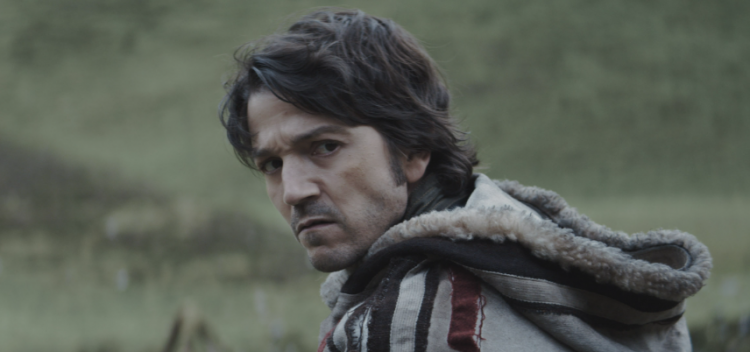
It’s a different kind of storytelling, for sure. If you’re looking for constant laser blasts and soaring music, you might be surprised. But if you’re willing to settle in, to let the story wash over you, you’ll find something incredibly rewarding. It’s like the difference between a fireworks display and a perfectly brewed cup of coffee. One is flashy and immediate, the other is nuanced and lingers. Both have their place, but right now, I’m really savoring the coffee.
The Legacy: Where They Both Stand
So, where does that leave us? Rogue One gave us the blueprint for a more mature, grounded Star Wars. It showed us that you could have grit and realism and still be a massive blockbuster. It opened the door for stories that weren't just about the Skywalkers and the Jedi.
And Andor? Well, Andor is walking through that door, kicking it wide open, and then building a whole new house with its own damn blueprints. It's taking the foundation that Rogue One laid and building something even more complex, more challenging, and more deeply human. It’s exploring the “why” behind the rebellion in a way we’ve never seen before.
They're both amazing in their own right, obviously. Rogue One is a fantastic movie, a perfect piece of Star Wars storytelling. But Andor is… it’s art. It’s the kind of storytelling that makes you think, that makes you feel, that sticks with you long after the credits roll. It’s the grim, beautiful, and utterly compelling heart of a rebellion, laid bare. And honestly? I can’t wait to see where it goes next. Pass the sugar, will ya? My caffeine is wearing off from all this existential Star Wars talk!