An Overview Of Lgbtq Film History
Let's talk movies! Specifically, the movies that have painted the big screen with all the beautiful colors of the rainbow. It's a history that's often hidden in plain sight, or sometimes, very much not in plain sight.
Think about it. For ages, if you were looking for LGBTQ+ stories, you were probably looking for clues. Like a really slow-motion game of "Where's Waldo?" but with more longing glances and coded language.
We're going on a little journey. A journey through films that dared to be different. Films that showed us ourselves, or at least, a glimpse of ourselves when the world wasn't quite ready.
Must Read
The Early Whispers
Back in the day, Hollywood wasn't exactly throwing open its doors to LGBTQ+ characters. It was more like a tiny crack in the door, with a very suspicious cat peeking out.
These early portrayals were often... not great. Think of characters who were villains, or tragic figures, or just plain misunderstood. It was a lot of "don't be like them" messaging.
But even in those dark ages, there were sparks. Films like "Morocco" (1930) starring the iconic Marlene Dietrich hinted at something more. She played a cabaret singer, and her flirtation with another woman was chef's kiss subtle.
Then there was "Victim" (1961). This British film bravely tackled the issue of homosexuality and blackmail. It was a big deal for its time, showing the very real dangers people faced.
And let's not forget "The Children's Hour" (1961). Based on a play, it dealt with accusations of lesbianism at a girls' school. The drama was intense, even if the resolution was a bit of a historical oopsie.

The Hays Code and the Shadows
For a long time, the Hays Code was Hollywood's strict boss. It told filmmakers what they absolutely couldn't show. And guess what was on that "absolutely not" list? Anything remotely queer.
So, LGBTQ+ characters had to be incredibly clever. They were often portrayed as sad, lonely people who just needed to find a nice heterosexual partner. It's a narrative we're still working to unlearn.
Sometimes, the queerness was so hidden, you needed a decoder ring and a degree in film theory to spot it. Were two women living together because they were "close friends" and shared expenses? Wink wink, nudge nudge.
But the code eventually weakened. And with that, the shadows started to recede a little. It was like the first rays of sun after a long, cold winter.
The 70s: A Breath of Fresh Air (Sort Of)
The 1970s brought a bit more freedom. Independent films started to pop up, and they weren't as afraid of the mainstream. This is when we started seeing more overt LGBTQ+ stories.
"The Boys in the Band" (1970) was a landmark. It was one of the first films to focus on gay characters and their lives. It was raw, funny, and sometimes heartbreaking.
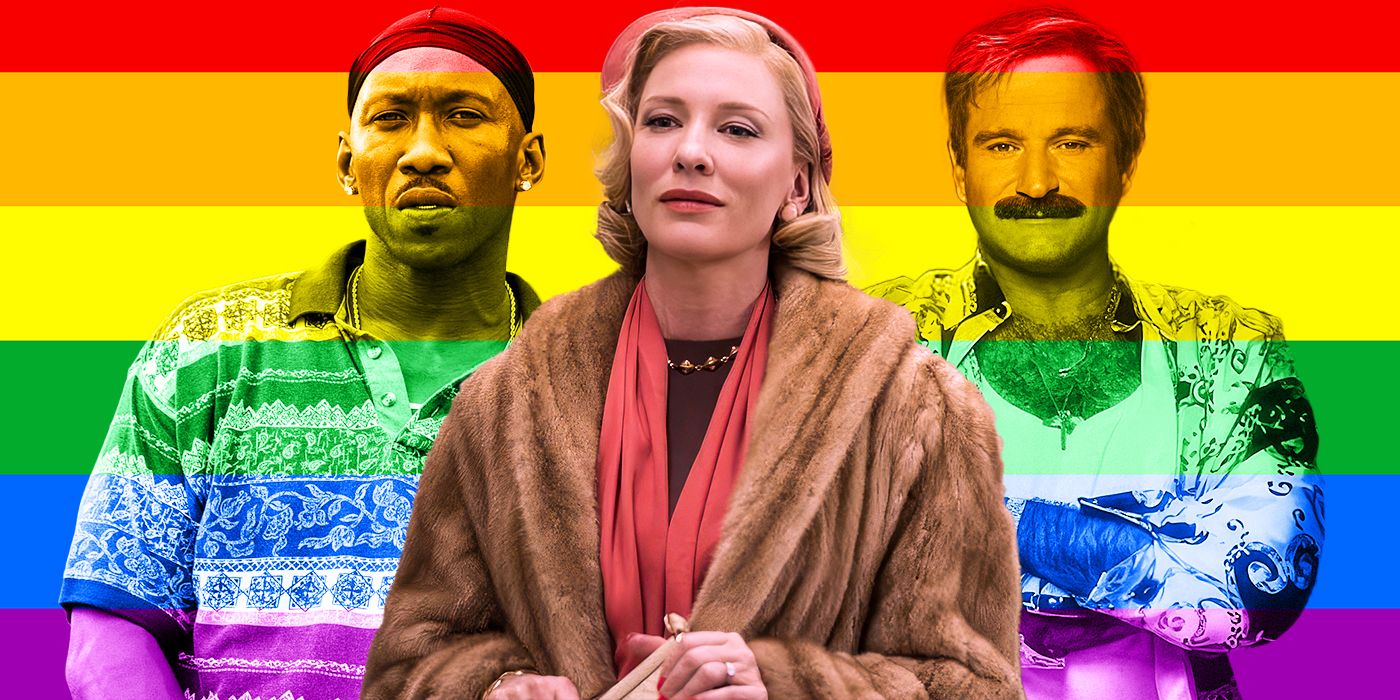
Then came "Harold and Maude" (1971). While not explicitly gay, its unconventional love story and themes of nonconformity resonated deeply with many in the queer community. It was a beautiful, quirky masterpiece.
And who can forget "Priscilla, Queen of the Desert" (1994)? Okay, that's the 90s, but it felt like a culmination of that 70s spirit. Drag queens on a bus! Pure fabulousness.
The 80s: The AIDS Crisis and its Impact
The 1980s were a difficult time. The AIDS epidemic cast a long shadow over the LGBTQ+ community, and films began to reflect this. It was a period of immense grief, but also of activism and resilience.
"Philadelphia" (1993) was a major turning point. It starred Tom Hanks as a lawyer dying of AIDS who sues his firm for discrimination. It brought the crisis into mainstream homes.
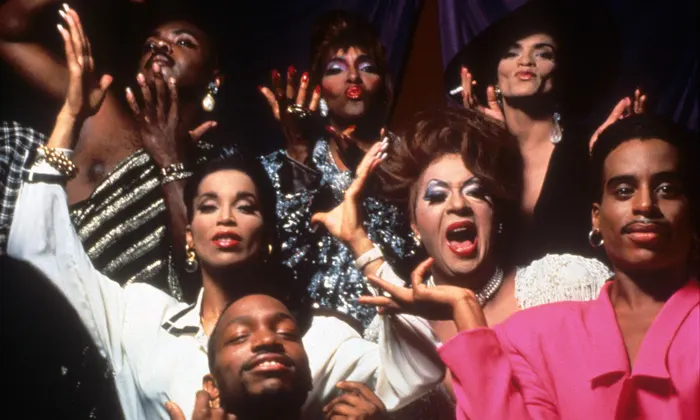
"Paris is Burning" (1990) is another essential film. This documentary explored ballroom culture in New York City and the lives of its Black and Latino LGBTQ+ participants. It's a vibrant, powerful testament to community.
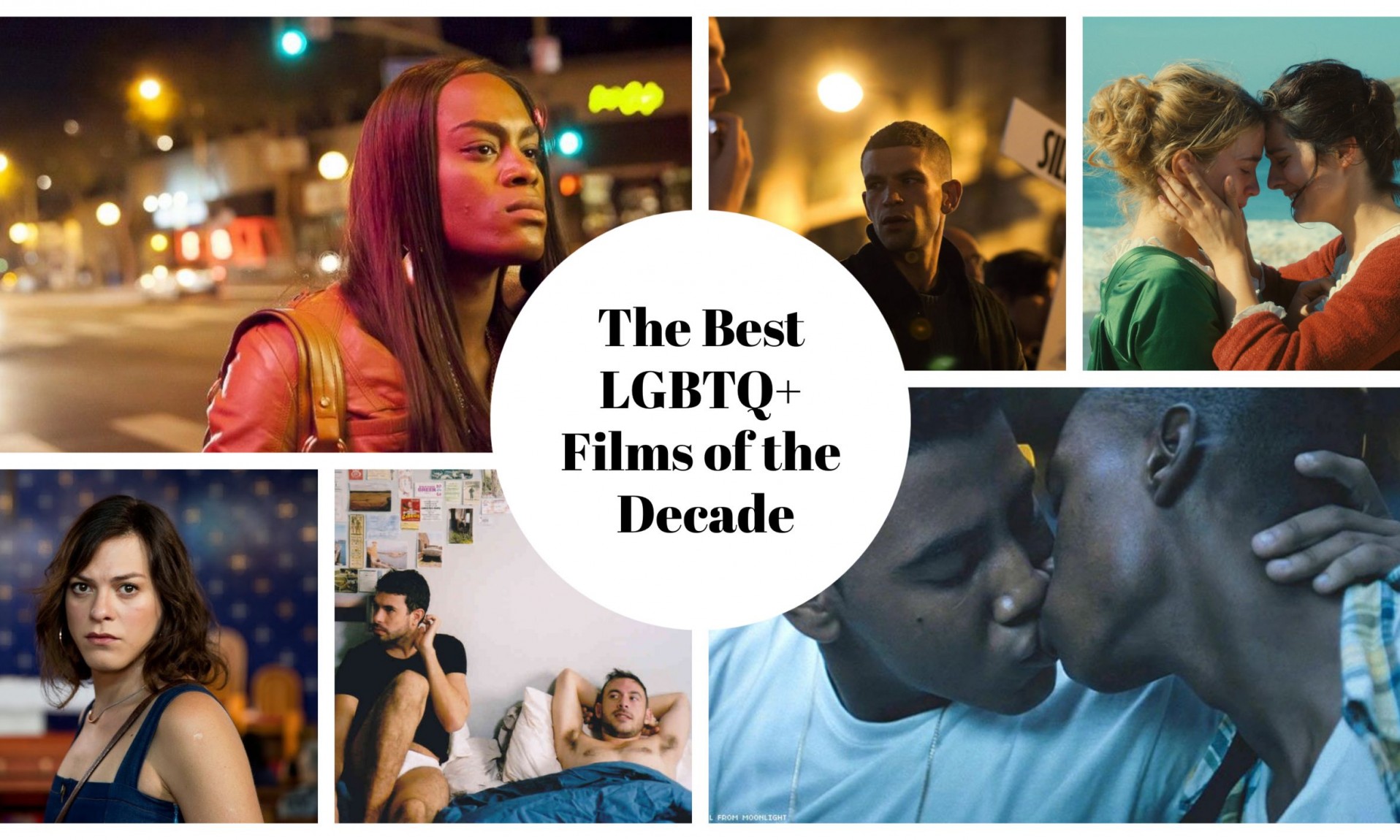
These films didn't shy away from the pain, but they also celebrated survival and the strength of the human spirit. They were vital in humanizing the epidemic.
The 90s and Beyond: Coming Out and Coming Home
The 1990s saw more and more films with openly LGBTQ+ characters. The "coming out" narrative became a popular trope, and honestly, it was about time.
"My Beautiful Laundrette" (1985), though technically late 80s, paved the way. It explored a passionate romance between a young Pakistani man and his white former neo-Nazi lover in London. It was groundbreaking.
"Boys Don't Cry" (1999) was a powerful and tragic story about Brandon Teena, a transgender man. It brought a trans experience to a wider audience, though it was a difficult watch.
And then there's "The Birdcage" (1996), a hilarious remake of a French film. Two gay men trying to pretend they're straight to impress their son's conservative in-laws? Pure comedy gold.
The 2000s and Today: More Visibility, More Stories
The new millennium brought a tidal wave of LGBTQ+ representation. Streaming services and a more open society meant more diverse stories could be told.

"Brokeback Mountain" (2005) was a huge moment. The story of two cowboys and their secret love was nominated for an Oscar and sparked conversations everywhere.
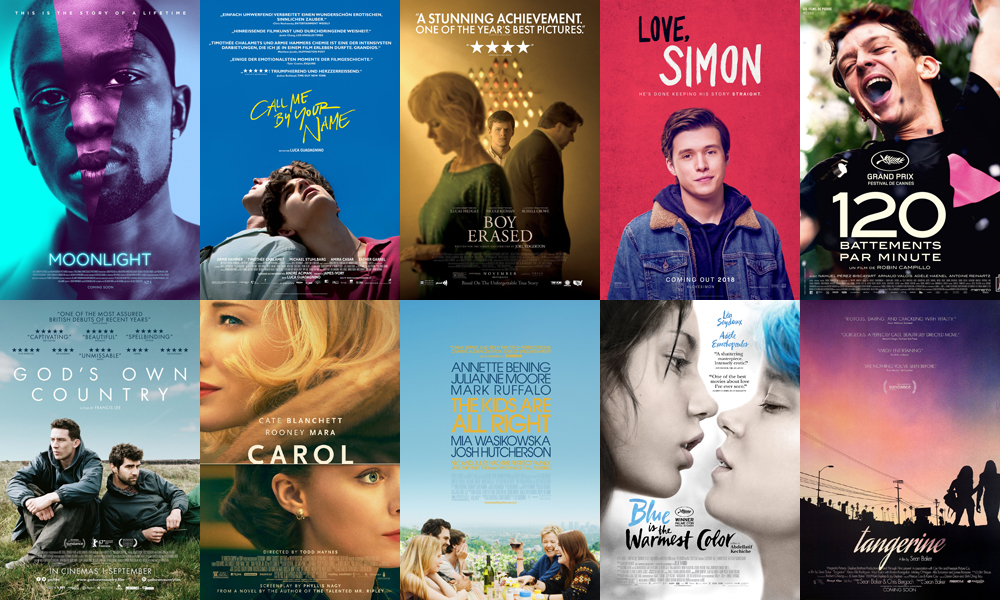
"Moonlight" (2016), which won Best Picture at the Oscars, told the story of a Black gay man growing up in Miami. It was a tender, intimate, and critically acclaimed film.
We've seen queer romance in romantic comedies like "Happiest Season" (2020), thrilling dramas, and animated adventures. The spectrum of stories is finally starting to match the spectrum of people.
An Unpopular Opinion (Maybe?)
Here's my little, maybe unpopular, opinion. We've come a long way, but sometimes, I feel like we're still stuck in a few boxes. The "tragic gay character" trope is a classic, but can we please have more joy?
I want to see more everyday queer lives. The mundane, the hilarious, the just-plain-normal. Not every story needs to be about struggle or coming out. Sometimes, it's just about two people who love each other, going to the grocery store.
The history of LGBTQ+ film is a testament to resilience, creativity, and the enduring power of seeing ourselves reflected on screen. From whispered secrets to dazzling parades, cinema has been our mirror, our escape, and our revolution. And I, for one, can't wait to see what stories come next. Keep those cameras rolling!