Amitriptyline Side Effects Withdrawal
Let's talk about something that might sound a little serious but can actually be super helpful to understand: Amitriptyline and what happens when you stop taking it. Think of this as your friendly guide to navigating the world of this common medication and its journey out of your system. Understanding this isn't just about avoiding surprises; it's about empowering yourself with knowledge so you can make informed decisions about your health and well-being. It's popular because, for many, it's been a lifesaver in managing various conditions, and knowing the ins and outs makes the whole experience smoother.
What Exactly is Amitriptyline and Why Might You Be Taking It?
So, what's the deal with Amitriptyline? This medication belongs to a group of drugs called tricyclic antidepressants (TCAs). While its name might suggest it's only for depression, its uses are actually pretty diverse! Doctors prescribe it for a range of conditions, from chronic pain conditions like fibromyalgia and neuropathic pain (nerve pain) to migraines, and yes, also for depression and anxiety. The magic happens because it works by affecting certain natural chemicals in the brain, like serotonin and norepinephrine, helping to balance mood and reduce pain signals.
The goal of Amitriptyline is to improve your quality of life by managing symptoms that can be really disruptive.
The benefits are significant. For those struggling with persistent pain, it can be like turning down the volume on constant discomfort, allowing them to engage more fully in daily life. For mental health concerns, it can help lift the fog, improve sleep, and restore a sense of calm. Essentially, Amitriptyline aims to give you back control and improve your overall sense of well-being.
Navigating the Side Effect Landscape
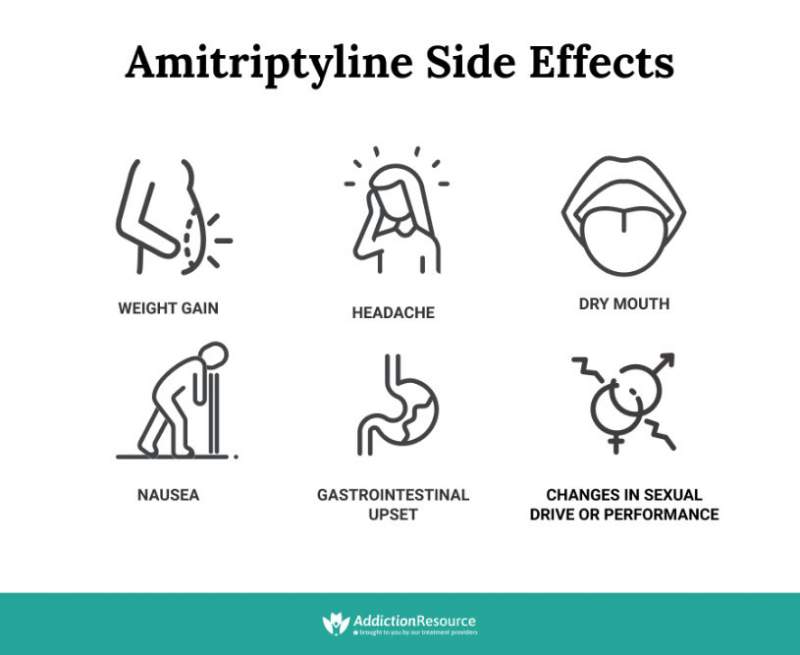
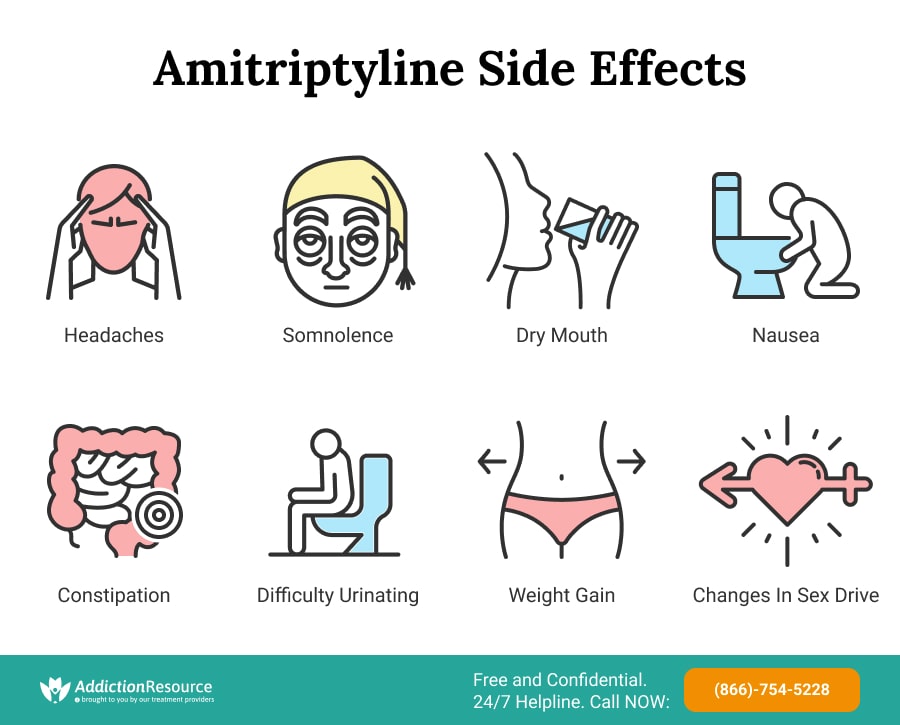
Like most medications, Amitriptyline can come with its own set of side effects. It's important to remember that not everyone experiences them, and even if they do, they often diminish as your body gets used to the medication. Some common ones you might hear about include:

- Dry mouth: This is a classic! Keeping a water bottle handy can be your best friend.
- Drowsiness or sedation: This is why it's often taken at bedtime. Be mindful when driving or operating heavy machinery, especially when you first start.
- Constipation: Increasing fiber and fluids can help with this.
- Blurred vision: Usually temporary and improves over time.
- Dizziness: Again, be cautious when standing up quickly.
- Weight gain: This can be a concern for some, and discussing diet and exercise with your doctor is a good idea.
It's worth noting that these side effects are often manageable and are a sign that the medication is doing its job. If any side effect is particularly bothersome or concerning, a chat with your healthcare provider is always the best course of action. They can offer strategies to cope or adjust your dosage.
The Great Exit: Understanding Withdrawal
Now, let's talk about what happens when you decide, or your doctor advises, to stop taking Amitriptyline. This is where withdrawal comes into play. It’s not like suddenly stopping caffeine; it's a process that requires careful management to minimize discomfort. Suddenly halting the medication can lead to what's known as discontinuation syndrome.

Tapering off is key to making the transition as smooth as possible.
The reason for this is that your body has gotten accustomed to the presence of Amitriptyline. When it's no longer there, your brain and body need time to adjust to functioning without it. Think of it like gradually dimming a light rather than flicking a switch off entirely.
Common Withdrawal Symptoms
The symptoms of Amitriptyline withdrawal can vary from person to person, depending on how long you've been taking it, the dosage, and your individual physiology. Some common experiences include:
- Flu-like symptoms: This can include fatigue, muscle aches, headache, and nausea.
- Insomnia: Difficulty falling asleep or staying asleep.
- Anxiety and irritability: Feeling more on edge or easily frustrated.
- Dizziness and lightheadedness: Similar to some initial side effects, but can be more pronounced during withdrawal.
- Gastrointestinal issues: Nausea, vomiting, or diarrhea.
- Sensory disturbances: Things like electric shock sensations (often called "brain zaps") or increased sensitivity to light or sound.
- Rebound symptoms: The original symptoms that Amitriptyline was treating might temporarily return or worsen before they eventually subside again.
The good news is that these symptoms are typically temporary. The duration and intensity often depend on how slowly you taper off the medication. This is why it's absolutely crucial to never stop Amitriptyline abruptly on your own.

The Smart Way to Stop: Tapering is Your Friend!
The golden rule for stopping Amitriptyline is to taper. This means gradually reducing the dose over a period of weeks or even months, under the guidance of your doctor. Your doctor will create a personalized tapering schedule for you. This slow decrease allows your body to adjust more gently to lower and lower doses, significantly reducing the likelihood and severity of withdrawal symptoms.
Your healthcare provider is your best resource throughout this entire process. They can:
- Develop a safe and effective tapering schedule.
- Monitor you for any withdrawal symptoms.
- Offer strategies to manage any discomfort that arises.
- Reassure you and answer any questions you might have.
Remember, understanding Amitriptyline side effects and withdrawal is about being prepared and proactive. It’s a testament to the fact that even when dealing with medications that impact our complex bodies, knowledge is power. By working closely with your doctor and understanding the process, you can navigate this journey with confidence and well-being.