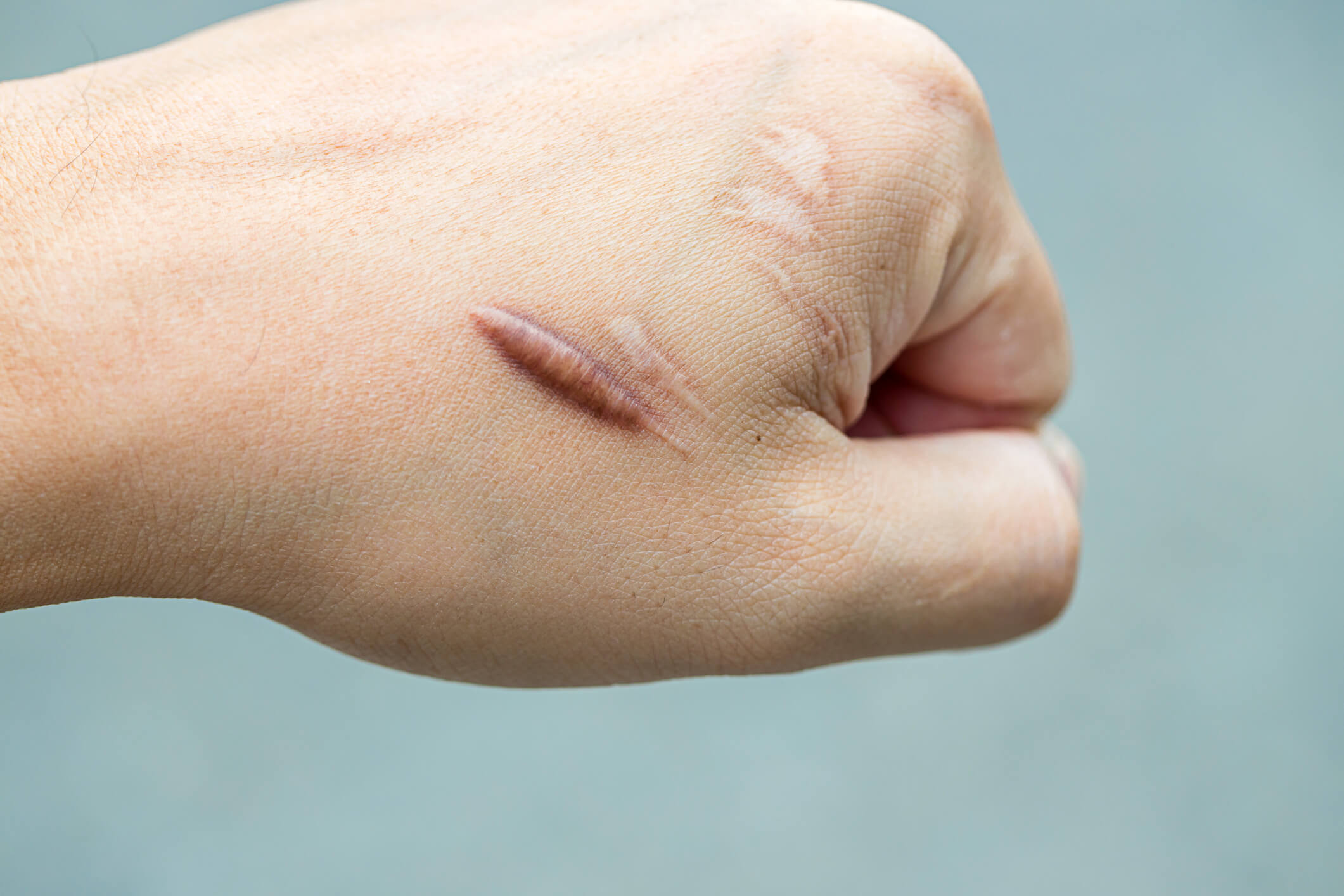
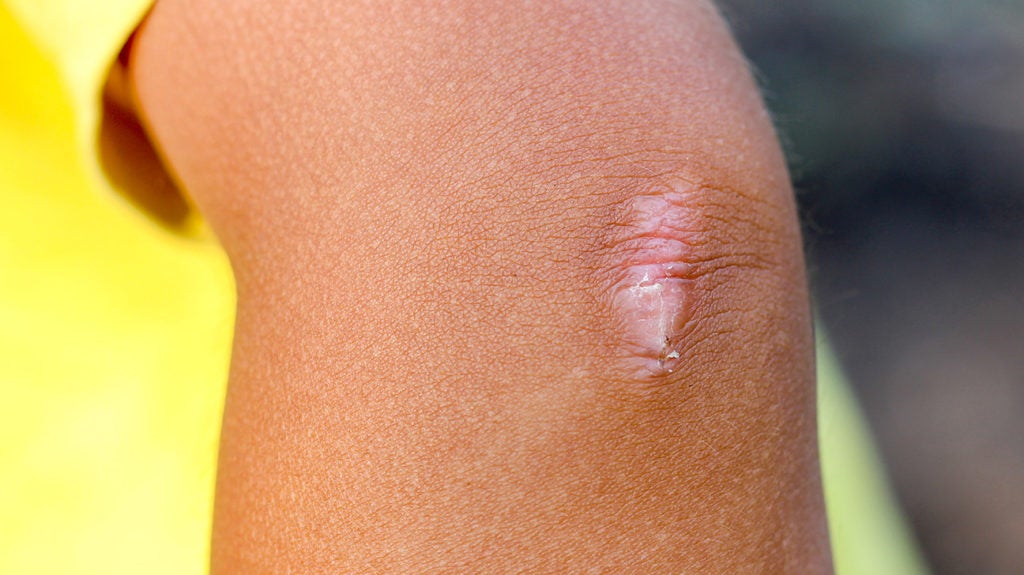
Ever caught a glimpse of an old, faded scar and thought, "Hey, that used to be barely visible!" only to find it's suddenly looking a bit… pink? Or maybe even a bit fiery red? It's a curious phenomenon, isn't it? Like your body's sending a little memo about a past injury. This isn't just a random quirk; it's a fascinating peek into how our bodies heal and react over time. Understanding why your old scar might be blushing can be surprisingly useful, offering insights into your body's ongoing processes and, in some cases, prompting a little self-care. It’s like your skin is telling a story, and sometimes, it just needs a brighter highlighter to get your attention!
The purpose of this little exploration is to demystify that sudden redness. Think of it as a friendly guide to your body's history book. You'll learn that it’s often a sign of perfectly normal, albeit sometimes a little dramatic, healing or a reaction to environmental factors. The benefits are straightforward: peace of mind. Knowing that your scar’s newfound vibrancy is usually no big deal can save you unnecessary worry. Plus, it equips you with the knowledge to spot when a scar’s change might warrant a quick chat with a healthcare professional. It's about empowering yourself with a little bit of dermatological savvy, all without needing a medical degree.
The Scar's Secret Life: When Redness Appears
So, why is your trusty old scar suddenly deciding to put on a show of color? It's usually down to a few common culprits, and the good news is, they're often completely harmless. One of the most frequent reasons is inflammation. Our skin is a dynamic organ, and even old injuries can sometimes experience a localized inflammatory response. Think of it like a tiny, polite protest happening beneath the surface. This inflammation can be triggered by a variety of things, from a slight bump or scrape in the vicinity of the scar to even just the friction from clothing. When these tiny inflammatory signals are sent out, they increase blood flow to the area, making that scar more prominent and giving it that tell-tale red hue. It’s your body’s way of saying, "Hey, something's happening over here!"
Another significant factor, especially for those who enjoy a bit of sunshine, is sun exposure. Yes, even old scars can be sensitive to the sun’s rays. The skin in a scar is often thinner and contains less melanin (the pigment that gives our skin its color and protects it from the sun). When exposed to UV radiation, this sensitive skin can become more prone to redness and irritation, just like a regular sunburn. This is why it's always a good idea to protect your scars with sunscreen, even if they're years old. Sunscreen is your scar’s best friend, especially during peak sun hours.
Sometimes, the change in your scar's color is simply a sign that your body is still, in a subtle way, working on that area. While the initial healing is complete, the collagen fibers within the scar tissue can continue to mature and remodel for months, or even years, after the injury. This ongoing process can sometimes lead to temporary increases in blood supply and a more vibrant appearance.
Understanding Color Changes: The Mystery of an Old Scar Turning Red
Furthermore, changes in temperature can play a role. Believe it or not, your scar might react to hot or cold weather. When you’re hot, blood vessels dilate to help cool the body, and this can be more pronounced in scar tissue, leading to redness. Conversely, very cold temperatures can cause blood vessels to constrict, but sometimes the rebound effect as blood rushes back can also cause temporary redness. It's like your scar has its own little thermostat!
Hormonal changes can also, surprisingly, influence scar appearance. For some individuals, particularly women, fluctuations in hormones during menstruation, pregnancy, or menopause can lead to increased blood flow and sensitivity in various parts of the body, including scar tissue. It’s a reminder that our internal chemistry can have visible effects on our skin.
Understanding Color Changes: The Mystery of an Old Scar Turning Red
When to Be a Little More Curious
While most cases of a scar turning red are benign, there are a few instances where it’s worth paying a bit more attention. If the redness is accompanied by pain, swelling, warmth, or the discharge of pus, this could indicate an infection. In such cases, it’s important to consult a healthcare professional promptly. These symptoms are your body's clear alarm bells, signaling that something more serious might be going on and that medical intervention is needed.
Another situation to monitor is if the redness is persistent, spreading, or accompanied by itching or a raised, hardened texture that seems to be growing. This could potentially be a sign of a hypertrophic scar or a keloid formation, which are types of raised scars that can sometimes develop long after the initial injury. While not typically dangerous, they can be a cosmetic concern and sometimes managed with specific treatments. A dermatologist can accurately diagnose and discuss management options if this is the case.
Remember, your skin is your body's largest organ and its primary interface with the world. It's constantly working to protect you and heal itself. An old scar turning red is often just a sign that this complex system is doing its thing. So, the next time your scar decides to show off a little more color, take a moment to appreciate the resilience and ongoing story of your body. Most of the time, it's just your scar saying, "I'm still here, and I'm doing just fine!"