Why Is My Dog Shedding So Much
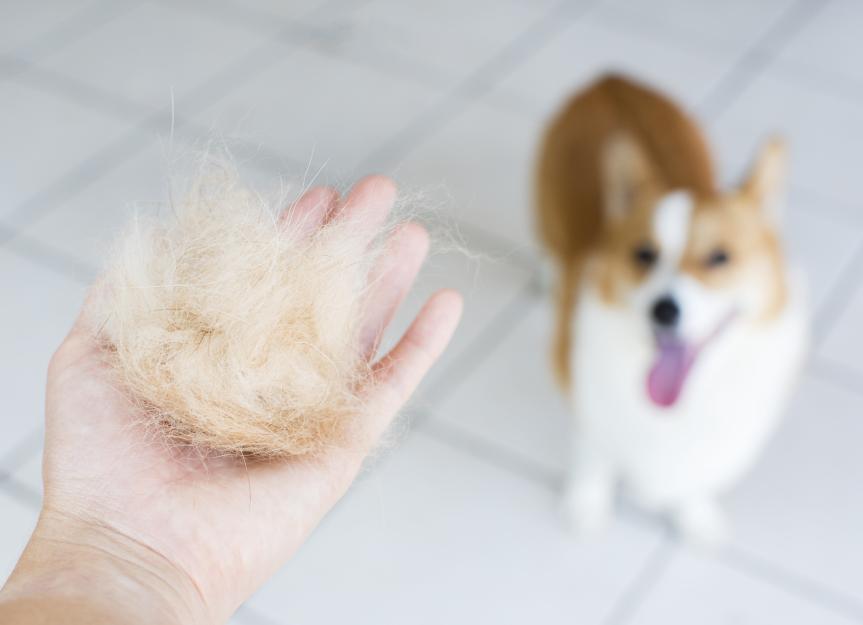
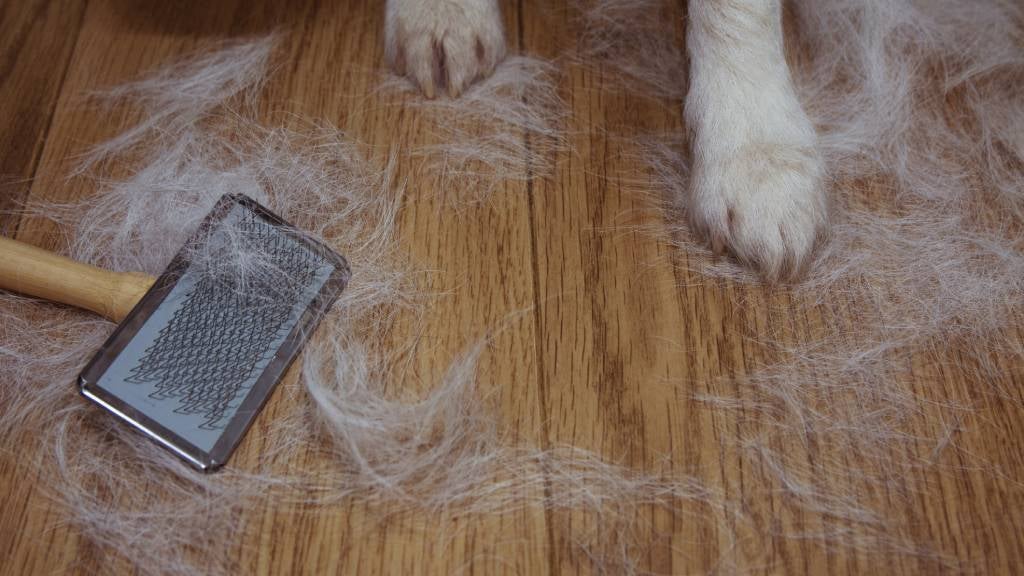
Ah, the fluffy tumbleweeds. You know the ones. They greet you at the door, cling to your favorite sweater like it’s a VIP backstage pass, and somehow, magically, end up in your morning coffee. Yes, we’re talking about dog hair. And if you’re currently wondering, “Why is my dog shedding so much?”, you’re definitely not alone. It’s a common canine conundrum, a furry enigma that can leave even the most Zen dog parent feeling a little… exasperated. But fear not, fellow fur-getters, because we’re about to unravel this mystery with a healthy dose of understanding and a sprinkle of practical magic.
Let’s be honest, shedding is as much a part of dog ownership as slobbery kisses and the occasional frantic search for that missing sock. It’s a natural process, like spring cleaning for your pup, but instead of dusting under the couch, they’re releasing a blizzard of fur. Think of it as their way of saying, “Out with the old, in with the new!”
So, before you start contemplating a full-body lint-roller suit, let’s dive into the nitty-gritty of why your furry friend might be experiencing a follicular fiesta.
Must Read
The Usual Suspects: Natural Causes of Shedding
First off, let’s get the obvious out of the way. Shedding is a natural physiological process. Dogs, much like us with our ever-changing hairstyles (or lack thereof!), have a shedding cycle. This is primarily driven by seasons and hormones.
Seasonal Shedding: The Big Two
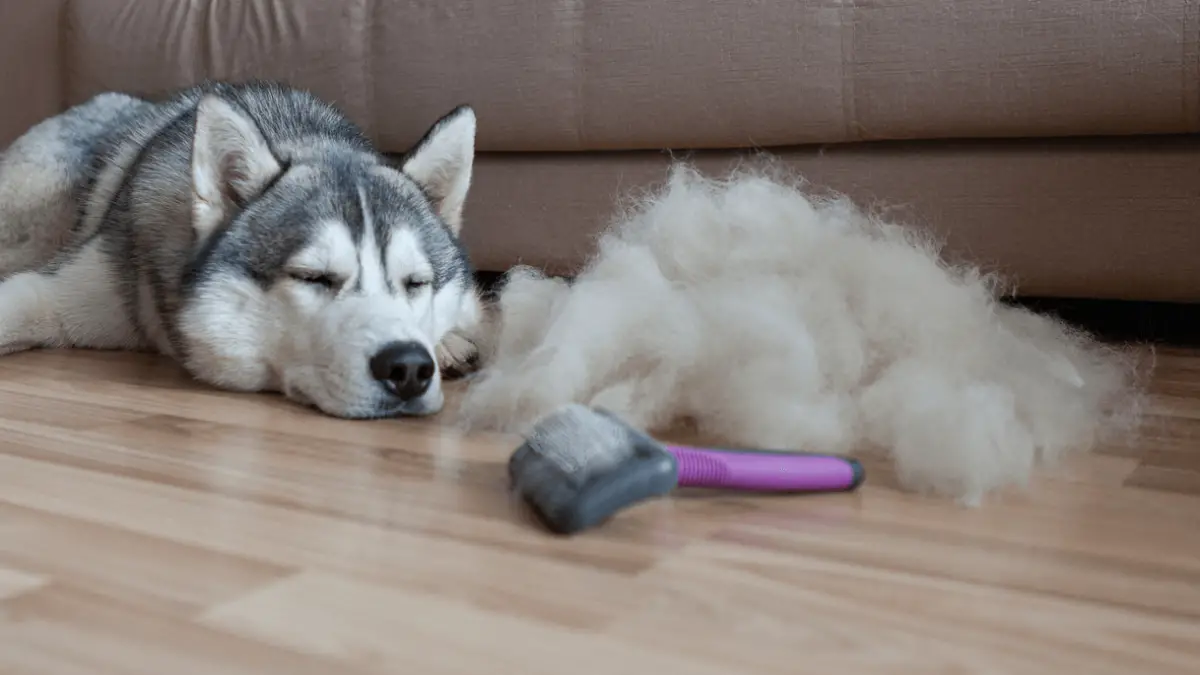
The most common reason for a sudden uptick in shedding is, you guessed it, the changing seasons. Think of it as your dog’s personal climate control system. In the spring, they shed their thick winter coat to make way for a lighter, breezier summer ensemble. Then, as autumn rolls around, they’re gearing up for the colder months, growing a denser, warmer coat. This is often referred to as "blowing their coat," and for some breeds, it can be quite dramatic. Imagine a fluffy cloud suddenly transforming into a sleek sports car – that’s the kind of transformation we’re talking about!
Breeds like Huskies, German Shepherds, Golden Retrievers, and Labradors are notorious for this dramatic seasonal shedding. If your dog falls into one of these breeds, a little extra hair around the house during these transition periods is simply part of their charm. It’s their way of preparing for whatever the weather throws at them, and frankly, it's pretty impressive when you think about it.
Breed-Specific Shedding
Now, while most dogs shed to some degree, some breeds are definitely more prone to it than others. You’ve got your heavy-duty shedders, your moderate shedders, and then you have the almost-non-shedders (though, spoiler alert, no dog is completely hairless!).
Breeds with double coats, meaning they have a dense, fuzzy undercoat and a coarser outer coat, are the champions of seasonal shedding. The undercoat is their insulation, and when the seasons change, it gets the boot. It’s like a built-in wardrobe update!
On the other hand, breeds like Poodles, Bichon Frises, and Schnauzers have hair that grows more like human hair. It doesn’t shed as much, but it does require regular grooming to prevent matting. So, while you might not find as many tumbleweeds with these breeds, you’ll likely be spending more time with a brush and a pair of scissors.
Age and Hormonal Changes
Just like us, dogs experience hormonal shifts throughout their lives. Puppies will shed their soft, fluffy puppy coats as they mature into their adult fur. This is a gradual process, but it can sometimes catch owners by surprise. Suddenly, that adorable ball of fluff is turning into a more mature, sometimes slightly less fluffy, canine companion.

Pregnancy and nursing can also cause hormonal fluctuations that lead to increased shedding in female dogs. This is their body’s way of preparing for the demands of motherhood, and the shedding usually subsides after the puppies are weaned. It’s another fascinating biological process that reminds us how amazing our dogs truly are.
When to Worry: Identifying Potential Issues
While shedding is usually a sign of a happy, healthy dog, there are times when excessive hair loss can be an indicator of an underlying health problem. It’s like when your favorite sitcom character suddenly goes quiet – you know something’s up.
Allergies: The Itchy Culprits
Dogs can suffer from allergies, just like humans. These can be environmental (pollen, dust mites), food-related, or even flea-related. When a dog is experiencing an allergic reaction, they might excessively scratch, lick, or chew at their skin, leading to hair loss. You might notice bald patches or thinning fur in specific areas where they’re doing the most damage.
If you suspect allergies, keep an eye out for other symptoms like red or inflamed skin, ear infections, or digestive issues. A trip to the vet is definitely in order to get to the root of the problem and find the right treatment.
Parasites: The Uninvited Guests
Fleas, ticks, and mites are the villains of the canine world. These pesky parasites can cause intense itching and irritation, leading to hair loss as your dog tries to relieve the discomfort. Flea bites, in particular, are a common cause of “flea allergy dermatitis,” which can result in significant hair loss, especially around the tail and hindquarters.
Regular parasite prevention is key here. Think of it as your dog’s personal force field against these tiny invaders. If you notice signs of parasites, consult your veterinarian for the best course of action.
Infections: The Hidden Dangers
Skin infections, such as bacterial or fungal infections (like ringworm), can also lead to patchy hair loss. Ringworm, despite its name, is actually a fungal infection that creates circular, often scaly, patches of hair loss. It’s also contagious to humans, so cleanliness is paramount.
If you see any unusual sores, redness, or crusting on your dog’s skin, it’s best to get it checked out by your vet. They can diagnose the infection and prescribe the appropriate medication.
Nutritional Deficiencies: Fueling the Fur
What goes in must come out, and that includes the nutrients that keep your dog’s coat healthy. A diet lacking in essential vitamins, minerals, and fatty acids can lead to a dull, dry coat and increased shedding. Think of it as trying to build a magnificent skyscraper with faulty materials – it’s not going to hold up well.
Ensure your dog is on a high-quality, balanced diet. If you’re unsure about their nutrition, have a chat with your vet. They can help you choose the best food for your dog’s specific needs.
Stress and Anxiety: The Emotional Toll
Believe it or not, stress and anxiety can also manifest as increased shedding in dogs. Changes in their environment, separation anxiety, or even loud noises like fireworks can trigger a stress response. Just like humans might pull at their hair when stressed, some dogs will excessively groom themselves, leading to hair loss.
If you notice your dog is shedding more after a stressful event, try to identify the trigger and implement strategies to help them feel more secure. This might involve providing a safe space, using calming aids, or consulting a professional dog trainer or behaviorist.
Medical Conditions: The Bigger Picture
Less common, but still important to consider, are certain underlying medical conditions that can cause hair loss. These include hormonal imbalances (like hypothyroidism), autoimmune diseases, or even cancer. These conditions often have other symptoms as well, so it's crucial to have a veterinarian perform a thorough examination if you're concerned.
Don’t panic, but do be observant. If your dog’s shedding seems extreme, persistent, or is accompanied by other concerning symptoms like lethargy, changes in appetite, or weight loss, it’s always best to err on the side of caution and seek professional advice.
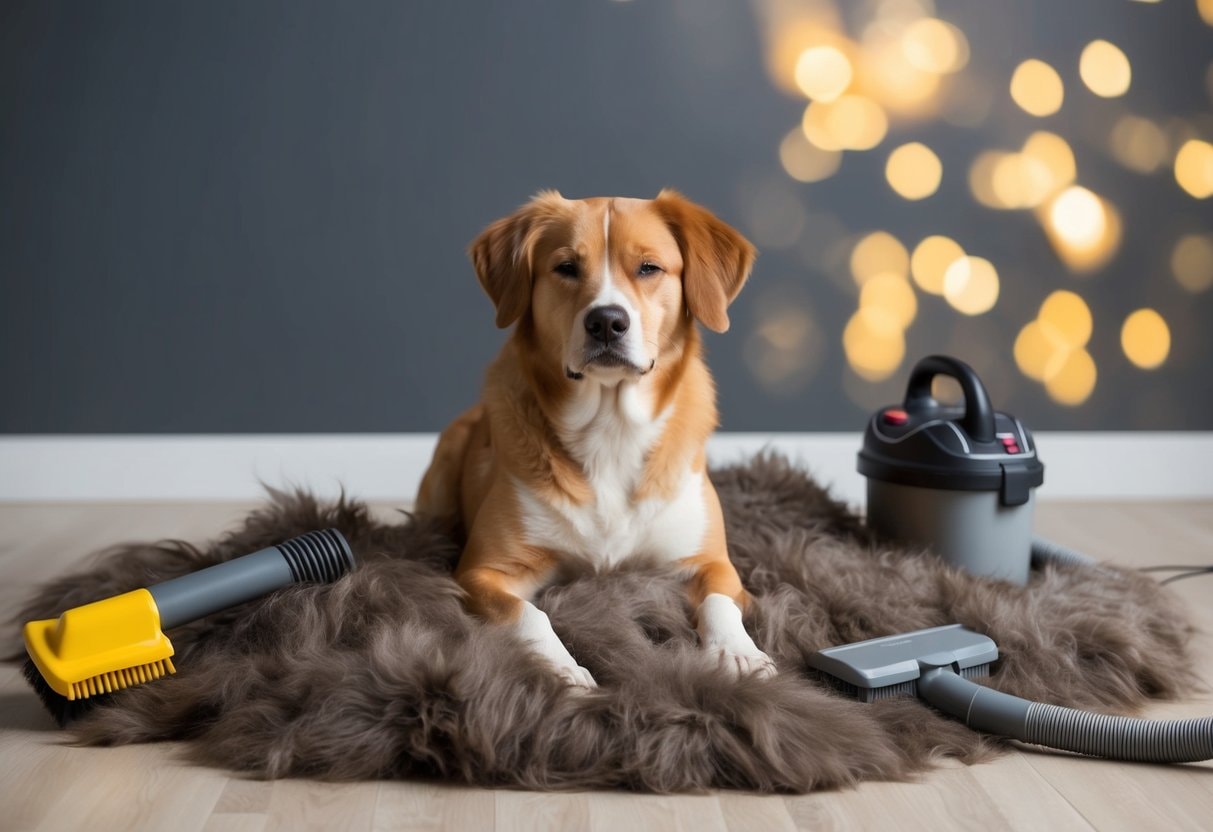
Taming the Mane: Practical Tips for Managing Shedding
Okay, so we’ve covered the “why.” Now, let’s get to the “how.” How do you live a relatively fur-free existence (or at least a more manageable one) with your shedding superstar?
The Power of the Brush: Your New Best Friend
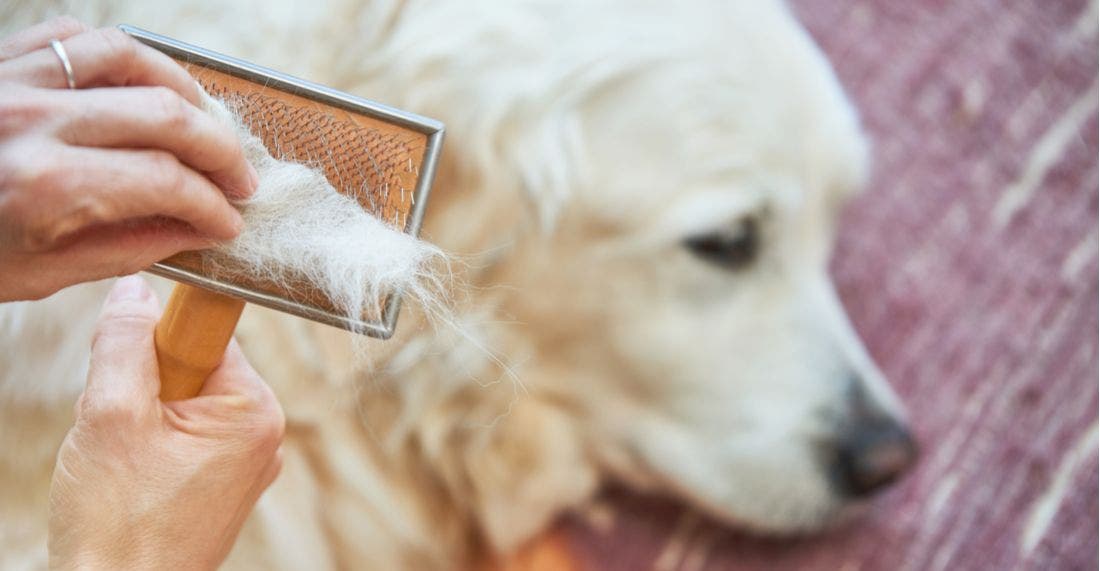
This is, hands down, the most effective way to combat shedding. Regular brushing removes loose hair before it has a chance to take over your home. The frequency and type of brush you need will depend on your dog’s coat type.
- Short-haired dogs: A bristle brush or a grooming mitt can work wonders. A quick brush a few times a week is usually sufficient.
- Medium-haired dogs: A slicker brush or a comb is ideal for removing loose undercoat and preventing mats. Aim for several brushing sessions a week.
- Long-haired dogs: These beauties will need more attention. A pin brush, slicker brush, and a comb are all essential. Daily brushing is often recommended to prevent tangles and mats.
- Double-coated breeds: Invest in a deshedding tool like a Furminator or a rake brush. These are designed to get down to the undercoat and remove those dense, loose hairs. Use these tools with caution and follow instructions to avoid irritating your dog’s skin.
Pro Tip: Make brushing a positive experience! Offer treats and praise, and start with short sessions. Your dog might even start to enjoy their spa time, becoming your willing shedding assistant!
Bathing: A Deep Clean for the Furry
While not a daily solution, regular baths can help loosen and remove a significant amount of dead hair. Use a dog-specific shampoo and conditioner, and consider a deshedding shampoo or conditioner for extra efficacy. A good rinse and towel dry, followed by some light brushing, can make a noticeable difference.
Fun Fact: Some groomers use high-velocity dryers that can blow out a surprising amount of loose fur. You might not want to invest in one for home use (they’re noisy!), but it’s a testament to the sheer volume of hair that can be removed.
Dietary Boosters: Eating for a Fuller, Healthier Coat
As mentioned earlier, diet plays a crucial role. Consider adding omega-3 and omega-6 fatty acid supplements to your dog’s diet. These are found in fish oil and flaxseed oil and are fantastic for promoting healthy skin and a lustrous coat. Many high-quality dog foods already contain these, but a supplement can give an extra boost.
Always consult your vet before adding any new supplements to your dog’s diet to ensure it’s appropriate for them.

Professional Grooming: When You Need an Expert
For some breeds, or for a deep clean, professional grooming can be a lifesaver. Groomers have specialized tools and techniques to tackle even the most stubborn shedding. They can also identify any skin issues you might have missed.
Think of it as a luxury spa day for your dog, with the added bonus of a significantly less hairy living space for you. It’s a win-win!
Environmental Control: Fighting the Fur on Your Turf
Let’s face it, some fur is going to escape the brushing sessions. To combat this, invest in some good cleaning tools:
- Vacuum cleaners: Opt for a powerful vacuum cleaner with good suction and pet-hair attachments. Regular vacuuming is your best defense.
- Lint rollers and brushes: Keep these handy for quick touch-ups on clothing and furniture.
- Microfiber cloths: These are excellent for wiping down surfaces and picking up stray hairs.
- Rubber gloves: Dampen a pair of rubber gloves and run them over furniture or carpets. The static electricity will attract the hair like a magnet.
Cultural Nugget: Remember the iconic scene in Legally Blonde where Elle Woods uses a special brush to groom Bruiser? While not entirely realistic, it highlights the dedication some pet parents have to keeping their furry friends looking their best (and their homes fur-free!).
Indoor/Outdoor Balance
If your dog spends a lot of time outdoors, they might track in more loose fur. While fresh air is important, being mindful of this can help. Brushing them off before they come inside can make a difference.
A Little Reflection: Embracing the Furry Life
Living with a shedding dog is an adventure, a constant dance between enjoying their companionship and navigating the inevitable fur fallout. It's about acceptance, really. Accepting that a little bit of hair is part of the deal, a tangible reminder of the love and joy our canine companions bring into our lives.
Think about it. That stray hair on your sleeve? It’s a badge of honor, a testament to a wagging tail that just brushed past. That fluff in the corner? It's evidence of a happy dog, curled up and content in your presence. Instead of seeing it as a nuisance, try to reframe it. It’s a sign of a life lived fully, a life filled with furry cuddles and endless devotion.
So, the next time you find yourself surrounded by a halo of dog hair, take a deep breath. Grab your brush, put on your favorite playlist, and give your furry friend a good grooming session. It’s not just about managing shedding; it’s about nurturing that special bond, ensuring your dog is healthy and happy, and ultimately, making peace with the beautiful, fluffy chaos that is life with a dog.