
Why Does My Cat Keep Biting Me
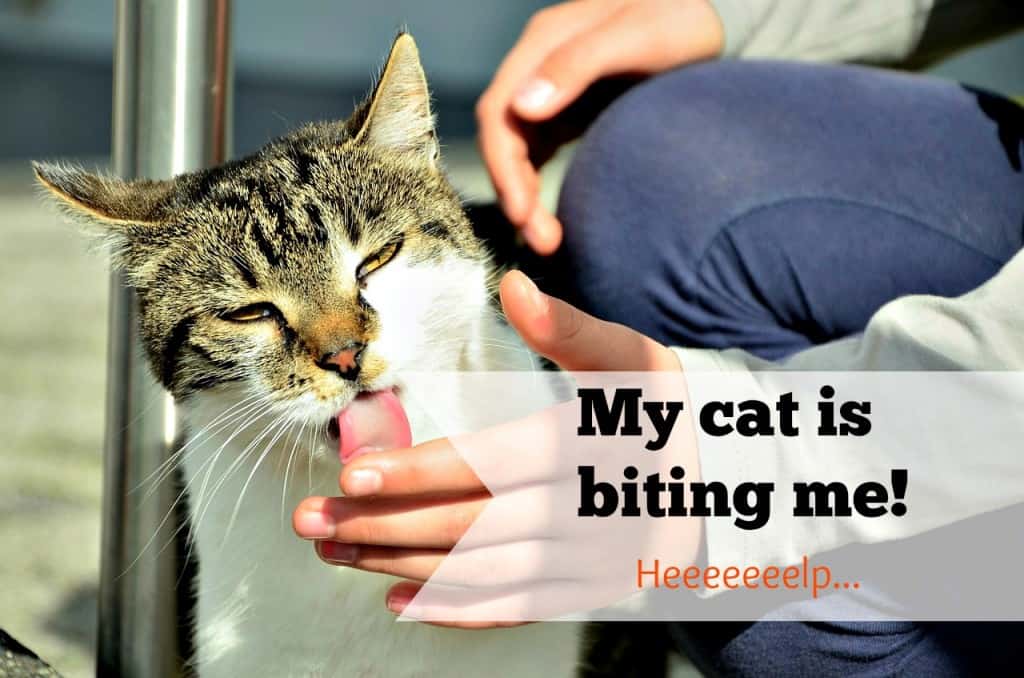
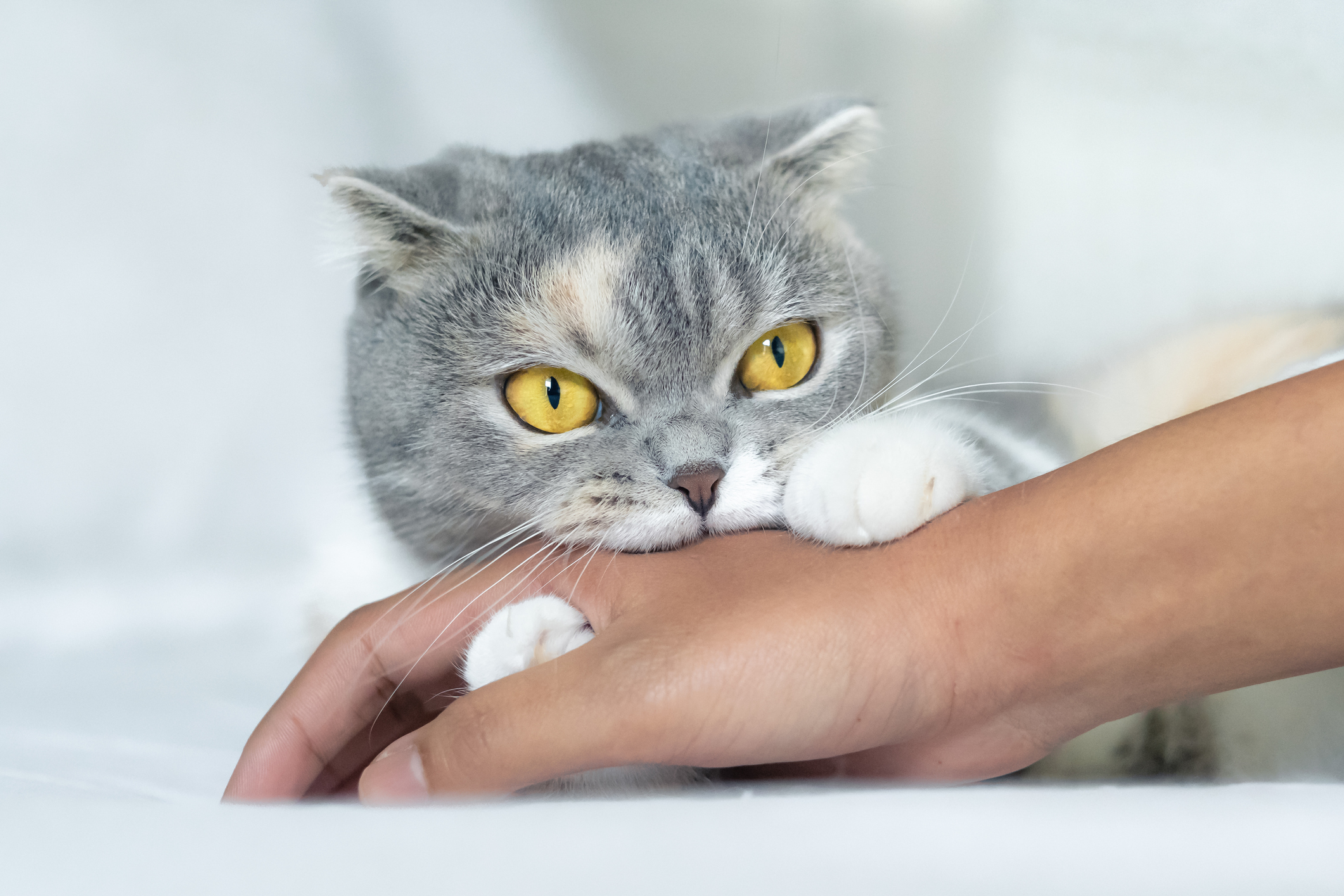
Okay, so let's talk about something that probably makes you do a little double-take: your cat, your fluffy little overlord, suddenly sinking their teeth into you. It can be a bit jarring, right? One minute you're enjoying some quality cuddle time, the next you're wondering if you accidentally stepped on a landmine. But hey, before you start thinking your feline friend has a secret vendetta against your fingertips, let's dive into the fascinating world of why cats bite.
It's not usually about malice, you know. Think of it more like a tiny, furry language lesson. Cats have their own way of communicating, and sometimes, that involves a nip or a gentle (or not-so-gentle) bite. It’s kind of like when you’re trying to understand a foreign language and you miss a few cues. Your cat's just trying to get their point across!
Is it Playtime Gone Wild?
This is probably the most common reason. Especially with kittens, biting is a huge part of how they learn about the world and their own bodies. They wrestle, they chase, and they… well, they nibble on each other! When they come to live with us, they often haven't quite learned the "human skin is not a toy mouse" rule.
Must Read
Think about it. If your cat is full of beans and sees your wiggling toes under the blanket, what's the most natural thing for a predator (even a tiny domesticated one) to do? Pounce and bite, of course! It's their instinct kicking in, and they might not realize they're hurting you.
It's like they're saying, "Hey! You're moving! That looks fun! Let's play!" And their idea of "play" might involve a little chomping. If it's a quick, playful nip that doesn't draw blood, it's likely just them trying to initiate a game of chase or wrestle.
The "Too Much" Bite
This one is super common and often catches us off guard. You're petting your beloved cat, showering them with affection, and then BAM! A bite. What happened? This is often referred to as "petting-induced aggression," and it's actually your cat telling you they've had enough.
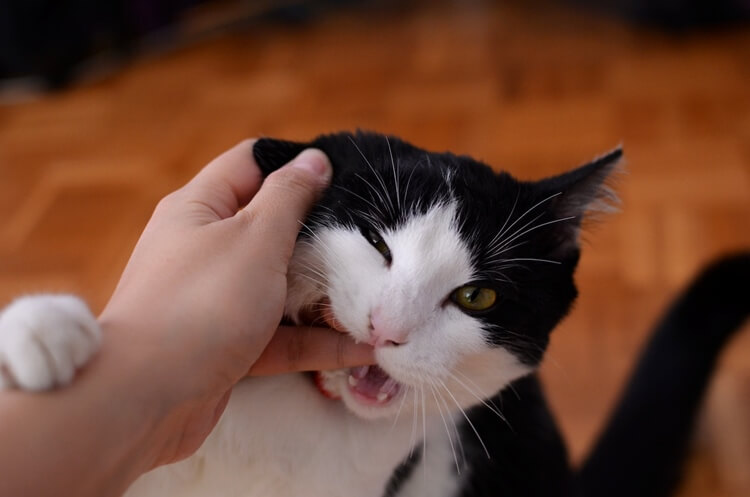
Imagine you're trying to enjoy a nice, quiet nap, and someone keeps poking you. Eventually, you're going to swat them away, right? Your cat's bite can be a similar signal. They enjoy the petting, but there's a limit to their tolerance. It’s like a social battery that’s running low.
The key here is to pay attention to their body language. Are their ears twitching? Is their tail starting to swish back and forth rapidly? Are they tensing up? These are all signs that your cat is getting overstimulated and might be about to deliver a little "that's enough" nip. It’s their way of saying, "Okay, I've reached my petting quota for the day, human!"
Fear or Anxiety Bites
Sometimes, a bite can come from a place of fear. If your cat feels threatened, cornered, or startled, their instinct might be to defend themselves. This is their primal survival mode kicking in, and it's a powerful thing.
Think about a time you were truly scared. You might have lashed out, even if you didn't mean to. Your cat can have similar reactions. Maybe you accidentally stepped on their tail, or a loud noise startled them. The bite in this scenario is a cry of "Leave me alone! I'm scared!"
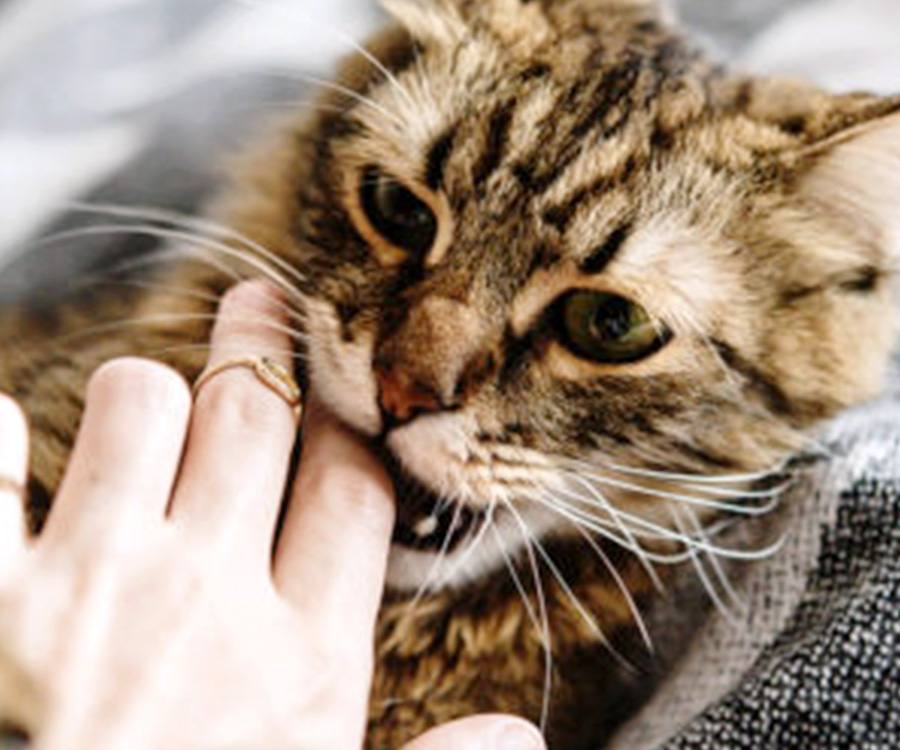
It’s important to try and identify what might have triggered the fear. Was there a sudden loud noise? Did you approach them too quickly? Understanding the cause can help you avoid future incidents and build trust with your feline friend.
Redirected Aggression
This is a bit of a tricky one. Have you ever seen your cat staring intently out the window, maybe at a bird or another cat, and looking really agitated? If you then try to pet them, and they suddenly bite you, that's likely redirected aggression.
They're already in a heightened state of arousal because of something they can't reach or interact with. That frustration and energy needs an outlet, and unfortunately, you might become the target. It's like being really angry at your boss and then snapping at your significant other when they ask you what's for dinner.
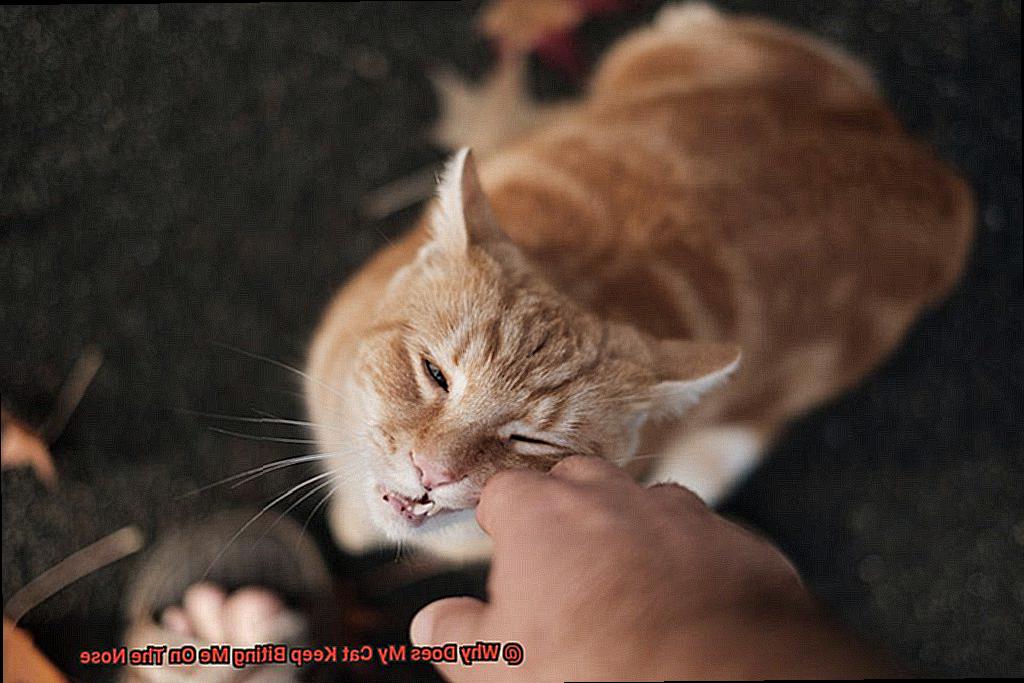
The key here is to give them space when they're displaying this kind of intense focus. Don't try to interrupt their "stare-down." Let them process whatever has them so worked up on their own terms.
Medical Issues
Now, this is a bit more serious, but it's crucial to consider. Sometimes, a cat might start biting more than usual because they're in pain or feeling unwell. A sore spot, a hidden injury, or even something like dental pain can make them more irritable and prone to biting when touched.
If you notice a sudden change in your cat's behavior, especially if the biting is accompanied by other signs like lethargy, loss of appetite, or hiding more than usual, it's always a good idea to consult your veterinarian. They can help rule out any underlying medical conditions that might be causing the change in behavior.
Your cat can't tell you in words, "Ouch, my tooth really hurts today!" So, they might resort to a nip to let you know something is wrong. It’s their way of saying, “Something’s not right here, human, and I don’t like it.”
So, What Can You Do About It?
First off, don't punish your cat. Yelling or hitting them will only make them more fearful and can actually worsen the biting. Instead, focus on understanding and positive reinforcement.
When your cat bites during play, immediately stop the play. Withdraw your hand and give them a moment of no attention. This teaches them that biting ends the fun. You can also try redirecting their play aggression to a toy. Have a wand toy or a stuffed mouse ready to go!
If it’s petting-induced aggression, learn to read their signals. Stop petting before they get overstimulated. Shorter, more frequent petting sessions can be much better than long, drawn-out ones.
And remember, every cat is an individual. What works for one might not work for another. The most important thing is to be patient, observant, and to approach your cat's biting with curiosity and a desire to understand their unique way of communicating. It’s all part of the wonderful, and sometimes bitey, adventure of living with a cat!

