Why Does A Dog Wag Its Tail
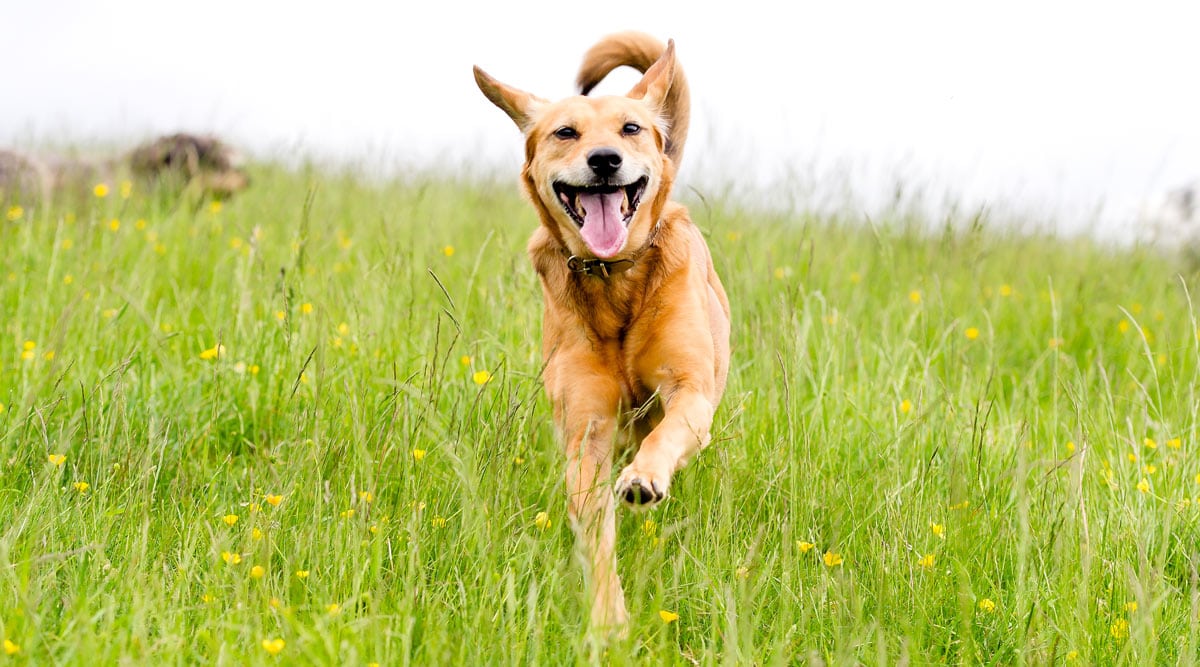
We've all seen it – that happy, rhythmic swish that signals a dog's joy. But have you ever stopped to wonder, why does a dog wag its tail? It's a question that sparks curiosity in everyone, from first-time dog owners to seasoned canine enthusiasts. Understanding this simple yet profound behavior is like unlocking a secret language, making our bond with our furry friends even richer. It's a fun, fascinating, and incredibly useful piece of the puzzle in understanding our canine companions.
For beginners, knowing tail wags is a game-changer. It's the most basic, yet one of the most reliable, indicators of your dog's emotional state. Are they happy to see you? A wag! Are they feeling a bit nervous? That might be a slower, lower wag. This fundamental understanding helps you avoid misinterpreting their signals, making your early days together smoother and more enjoyable. For families with children, it's about safety and connection. Teaching kids to recognize a happy wag helps them approach the dog appropriately and builds a foundation of respect. It's a great way to foster empathy and understanding in young minds. And for dog hobbyists, it's about deeper comprehension. They delve into the nuances – the speed, the height, the arc – to truly read their dog like an open book, understanding complex social cues and building an even stronger partnership, whether in training or just enjoying daily life.
Tail wags aren't just one-size-fits-all. You'll notice variations. A high, fast, sweeping wag often means pure, unadulterated excitement – think of the dog greeting you after a long absence! A low, slow wag might indicate uncertainty or appeasement. A stiff, high wag, held rigidly, can actually be a sign of tension or a warning, so it's important to look at the whole dog, not just the tail. Even the direction can mean something! Some research suggests a wag more to the right might signal positive feelings, while a wag more to the left could indicate apprehension.
Must Read
Getting started with understanding tail wags is super simple. The best tip? Observe your dog! When they're relaxed and happy, what does their tail do? When they're encountering something new, how does it change? Watch them interact with people and other dogs. Pay attention to their whole body language – their ears, their eyes, their posture. You'll start to see patterns emerge. Don't be afraid to talk to other dog owners or even your vet about what they've observed. It’s a shared experience, and we can all learn from each other.
Ultimately, understanding why a dog wags its tail is about deepening your connection. It's a window into their world, a constant stream of communication that, once deciphered, brings immense satisfaction and joy. It’s the simple, beautiful dance of understanding that makes life with our canine companions so incredibly rewarding.