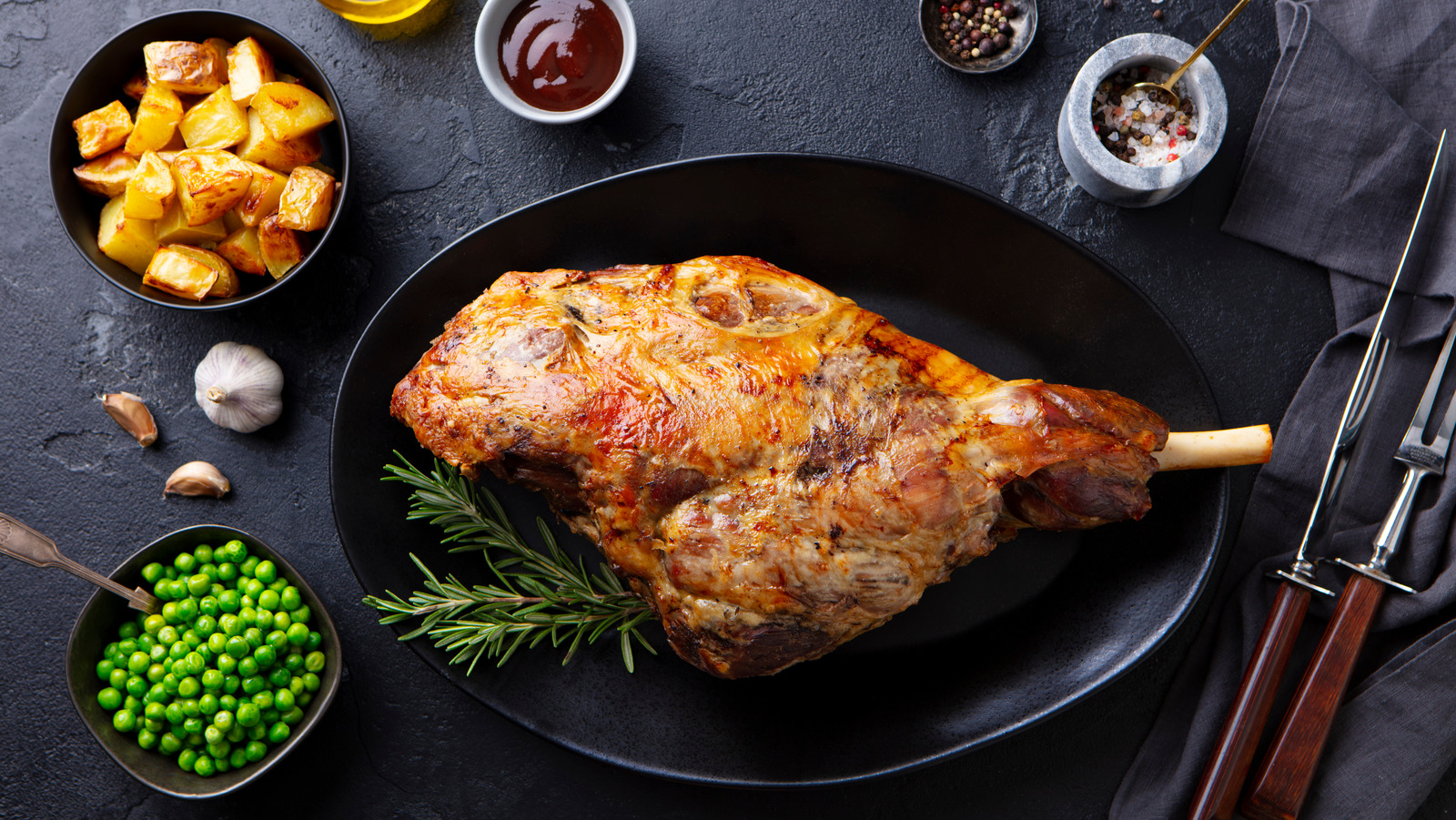
Why Do We Eat Lamb At Easter

Easter rolls around, and suddenly, there it is. That unmistakable aroma, the warm, comforting scent that signals something special is cooking. More often than not, that something special is lamb. But have you ever stopped to wonder why this particular meat has become such a star during the Easter celebration? It's not just a random culinary tradition; there's a whole lot of history and symbolism baked right in, and it’s actually pretty fascinating once you dig a little!
Think about it: spring is in the air, the world is waking up after winter, and we're all feeling a bit more cheerful. It’s the perfect time for a feast, and lamb fits right in. It’s a dish that feels celebratory, a bit fancy, and definitely something to gather around for. Imagine a table laden with delicious food, laughter filling the room, and that perfectly roasted lamb taking center stage. It’s a scene that’s been replayed for generations, and for good reason.
The roots of this tradition go way, way back. We’re talking ancient history, folks! Long before it was an Easter staple, lamb was a really important food source for many cultures. It’s a tender, flavorful meat that's easy to raise and provides a good amount of food. So, it made sense to feature it during important festivals and gatherings. And as traditions often do, this practice carried on and found a special place in the Easter story.
Must Read
Now, let's talk about the big reason: religion. For Christians, the lamb has a really profound meaning. It’s tied to the story of Jesus, who is often referred to as the "Lamb of God." This is a powerful symbol of sacrifice and redemption. In the Bible, ancient Jewish Passover celebrations also involved the sacrifice of a lamb. This tradition was happening at the same time as Jesus' crucifixion. So, the lamb became a bridge, connecting those ancient rituals to the new Christian meaning of Easter. It’s like a culinary nod to a very significant religious event. Pretty neat, huh?
This connection makes Easter lamb more than just a meal; it's a symbolic act. When people prepare and eat lamb at Easter, they are, in a way, participating in a tradition that echoes back thousands of years. It’s a way to remember and honor the sacrifices made, and to celebrate the new life and hope that Easter represents. It’s a meal that carries weight, but in a good, reflective way.
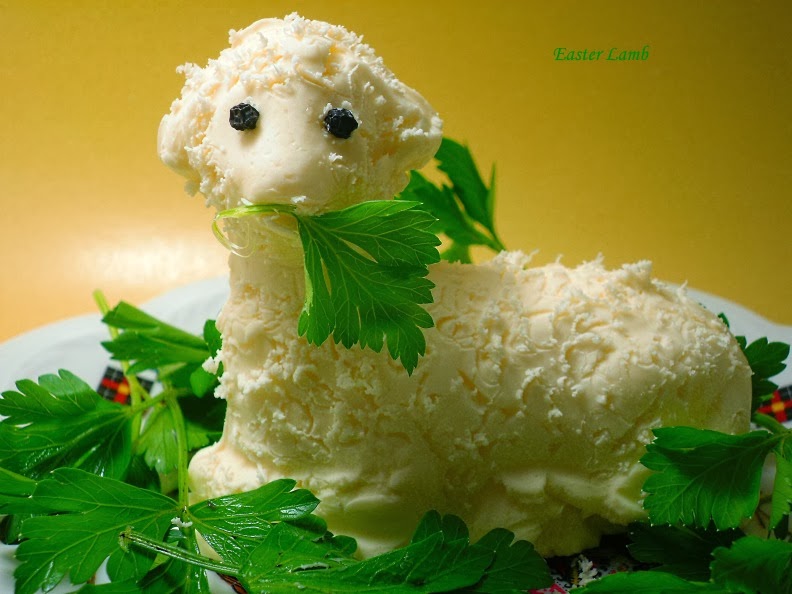
Beyond the deep religious meaning, there's also a practical side. Historically, lambs are born in the springtime. So, by the time Easter rolled around, lambs were often ready for slaughter and were readily available. It was a convenient and seasonal choice for a celebratory meal. You can’t argue with good timing, especially when it comes to food! It’s nature’s way of providing a perfect Easter feast.
And let’s not forget the sheer deliciousness of it all! A well-cooked leg of lamb or a rack of lamb is truly a treat. The tender meat, the savory herbs, the crispy roasted potatoes often served alongside… it’s a culinary masterpiece. It’s the kind of meal that makes you slow down, savor every bite, and appreciate the effort that went into preparing it. It’s an experience for the taste buds!
Think about the preparation itself. Many families have their own special recipes passed down through generations. Maybe it’s a secret blend of herbs, a specific way of roasting, or a famous gravy. These personal touches add another layer of warmth and tradition. It’s not just about eating lamb; it’s about the memories made while preparing it and sharing it with loved ones. It’s a culinary legacy.
The anticipation of an Easter lamb dinner can be a big part of the fun. The planning, the shopping, the cooking – it all builds up to the main event. And when that beautiful roast lamb finally emerges from the oven, golden brown and smelling divine, it’s a moment of triumph. It’s a visual and aromatic promise of a fantastic meal to come. It’s the grand finale before the feasting begins.
So, the next time you find yourself enjoying a slice of tender, flavorful lamb at Easter, take a moment to appreciate the journey that brought it to your plate. It's a delicious blend of ancient history, profound religious symbolism, seasonal availability, and, of course, incredible taste. It’s a dish that truly embodies the spirit of Easter – one of reflection, celebration, and togetherness. It’s a meal that’s both deeply meaningful and delightfully satisfying. It's a tradition that's worth cherishing, bite by delicious bite.
![🔥 [40+] Easter Lamb Wallpapers | WallpaperSafari](https://cdn.wallpapersafari.com/55/79/KFSvUo.jpg)