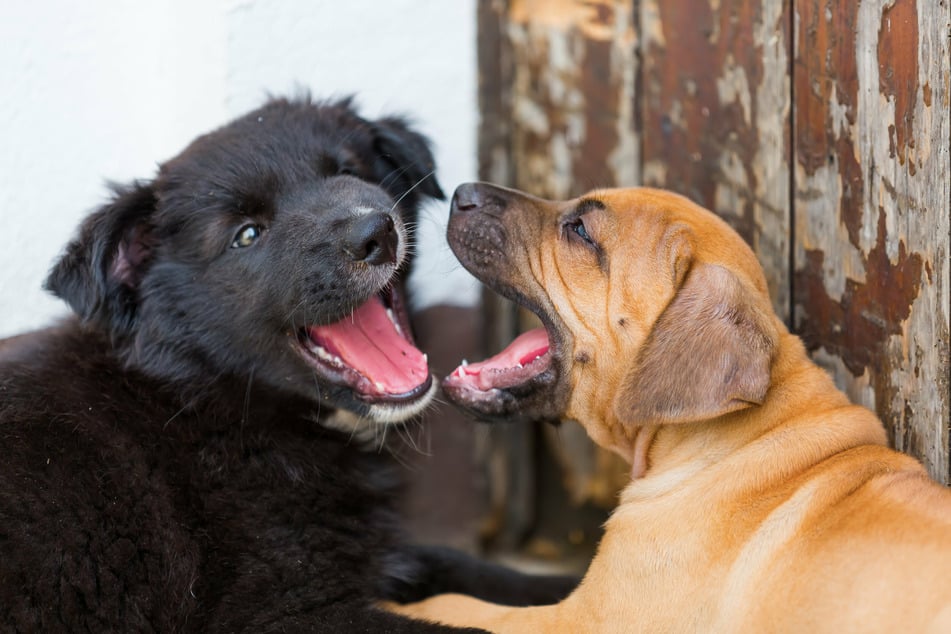
Why Do Dogs Bark At Other Dogs
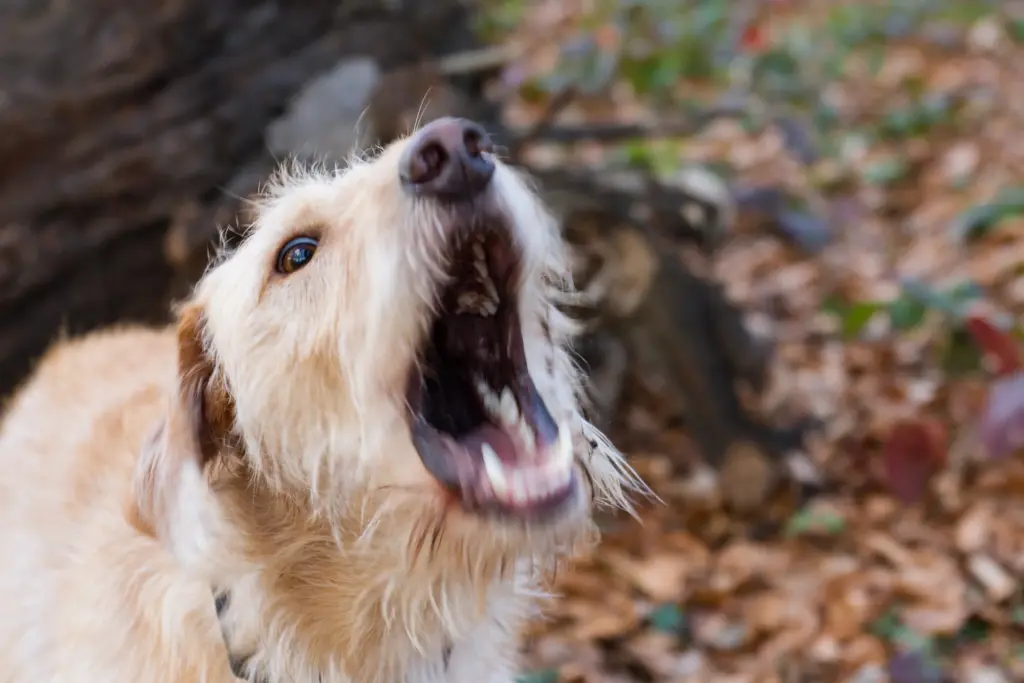
Okay, so picture this: I'm out for a leisurely stroll with my furry best friend, Buster. He's a majestic mutt, all enthusiasm and floppy ears. We’re rounding the corner onto a quiet street, and suddenly, across the way, another dog appears. A fluffy, white poodle, looking as innocent as a cloud. And then it happens. Buster, who moments before was sniffing a particularly interesting blade of grass, erupts. It’s not just a bark; it's a full-blown, chest-rattling woof-woof-WOOF concert. The poodle, bless its heart, looks utterly bewildered, then lets out a series of tiny, indignant yaps in response. I’m standing there, holding a leash that’s suddenly feeling like a very thin piece of string, thinking, “Seriously, buddy? What’s the big deal? It’s just a poodle!”
Sound familiar? I bet it does. We've all been there, haven't we? The embarrassed owner, the confused dog, the other dog looking like it's about to file a noise complaint. So, why do dogs bark at other dogs with such… conviction? It's a question that has baffled dog lovers for centuries, and honestly, sometimes it feels like even the dogs themselves don't have a perfectly clear answer. But let’s dive into this canine conundrum, shall we? Because it’s not just random noise; there’s a whole lot going on beneath those barks.
The Language of Woofs and Growls
Think of dog barking like human speech. It’s a way for them to communicate, to express themselves, to tell the world (or at least the other dog) what’s on their mind. But just like we have different tones and words for different situations, dogs have a whole repertoire of barks. The excited “play with me!” bark is very different from the territorial “get off my lawn!” bark. It's like they have their own secret dialect, and we're just trying to decipher it.
Must Read
When Buster sees that poodle, his bark isn't just a sound. It's a complex message. Is he saying, "Hey there, new friend, wanna chase some squirrels?" Or is he more of a, "Whoa there, fluffy stranger, this sidewalk is my territory, and you're intruding!"? It’s a subtle dance of signals, and sometimes, the barks are just the loudest part of the conversation.
Territorial Imperatives: The "This is MY House!" Bark
Ah, the classic territorial bark. This is probably one of the most common reasons dogs bark at each other, especially when they're on their own turf. Imagine your neighbor's dog trotting up to your fence, sniffing around. Your dog, inside, sees this as a direct invasion. It's like someone peeking into your living room without an invitation. Not cool.
This bark is usually a deep, resonant woof, often accompanied by a stiff posture and a raised hackle. It’s a warning, a clear message that says, “You are entering my space, and I’m not happy about it.” They’re not necessarily looking for a fight, but they are asserting their dominance and protecting what they consider theirs. It’s their way of saying, "Hey, this is my yard, my street, my precious patch of grass. You can look, but you can't touch!"
And it’s not just about physical space. Sometimes, territorial barking can extend to the people in their lives. A dog might bark at another dog if they perceive them as a threat to their human family. It's that protective instinct kicking in, a furry guardian angel making sure everyone is safe and sound. You ever notice how your dog might go quiet if you call them away from the window after they've been barking at a passing dog? They’re listening to you then, and that's a pretty strong indicator that their priorities are shifting.
Alarm and Warning: The "Something's Not Right!" Bark
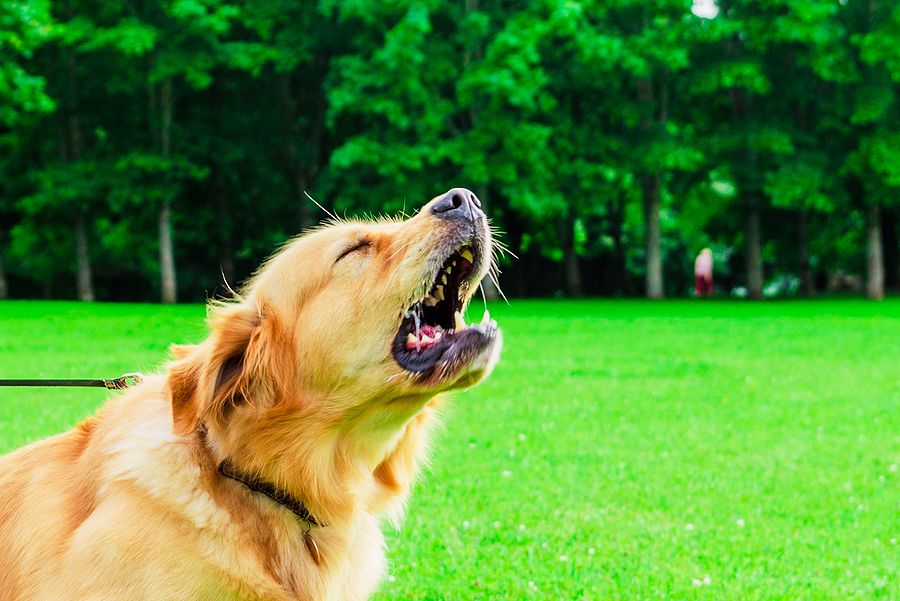
This is a bit like the territorial bark, but it’s more about a general sense of unease or suspicion. A dog might bark at another dog because they’re simply unsure of them. They might not recognize them, they might not understand their intentions, and in the canine world, uncertainty often leads to a good old-fashioned bark.
It's like that moment when you hear a strange noise in your house at night. You might not know what it is, but you’re certainly going to investigate with a bit of caution, right? Dogs do the same. The alarm bark is a signal to their human (and to the other dog) that something is amiss. It’s a way of saying, "Hey, I'm noticing this! Be aware!"
This can also be triggered by something the other dog is doing. Maybe the other dog is acting in a way that’s unusual or a bit too boisterous. Our dogs pick up on these subtle cues, and their barks become a way of expressing their concern or even fear. It’s their internal alarm system going off, and sometimes, it’s a surprisingly effective way to get our attention.
Social Greetings: The "Hello There, Fellow Canine!" Bark
Now, this is where things get interesting, because not all barking at other dogs is negative. Sometimes, it’s pure excitement and a desire to socialize. Think of those dogs who go absolutely bonkers when they see another dog on a walk. They’re not angry; they’re thrilled!
:max_bytes(150000):strip_icc()/stop-your-dog-from-barking-3877988-FINAL-5c8a554346e0fb0001cbf62c.png)
This type of bark is usually higher pitched, faster, and often accompanied by a wagging tail and a playful posture. It's the canine equivalent of shouting, "Yay! A friend! Let's play!" It’s their way of initiating contact, of saying, "I see you, I'm interested, and I'd like to be friends!"
However, even these enthusiastic greetings can sometimes be misinterpreted. A dog that's too excited might overwhelm another dog, leading to a defensive bark in return. It’s a delicate balance, and not all dogs are created equal when it comes to their social skills. You know those kids at the playground who are just a little too in-your-face? Some dogs are like that, bless their energetic hearts.
Fear and Anxiety: The "I'm Scared, Go Away!" Bark
This is a really important one to understand, and it's often the reason behind what seems like aggressive barking. For some dogs, encountering other dogs can be a genuinely frightening experience. They might have had a bad encounter in the past, or they might just be naturally timid.
When a dog barks out of fear, it’s often a high-pitched, frantic sound, sometimes with whining or yelping. They might also try to retreat, tuck their tail, or even cower. This bark isn't an invitation to play; it's a desperate plea to be left alone. It’s their way of saying, "Please, please, just go away! I don't want any trouble!"
It's crucial for us, as owners, to recognize this. Sometimes, what looks like aggression is actually a defense mechanism for a scared dog. If your dog is barking fearfully at others, it’s a sign that they need more help with socialization and building their confidence. It’s about creating a safe space for them, both physically and emotionally. And trust me, seeing your dog happy and relaxed around other dogs is one of the most rewarding things.
Frustration and Pent-Up Energy: The "I'm So Bored/Stuck!" Bark
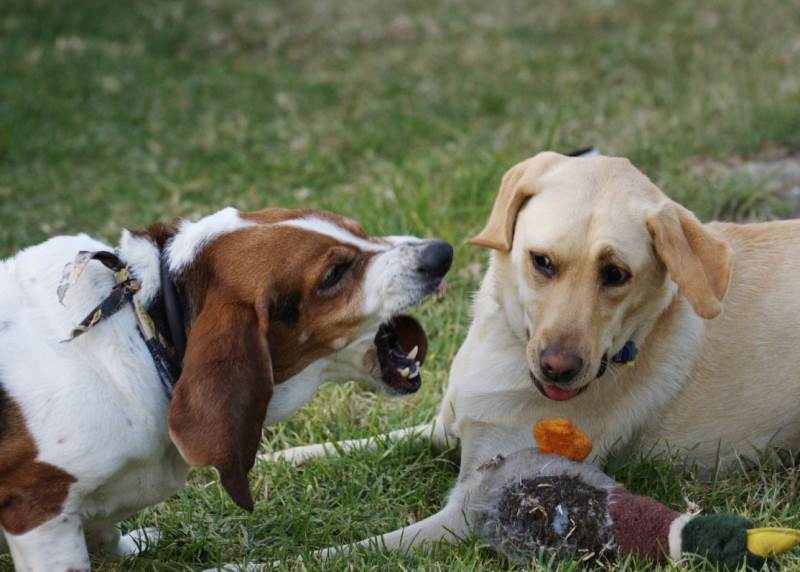
Ever see a dog behind a fence, barking incessantly at every dog that walks by? Chances are, a good portion of that is pent-up energy and frustration. They see other dogs, they want to play, they want to interact, but they're physically prevented from doing so. This can lead to a lot of barking.
It’s like being stuck in a room and seeing all your friends playing outside. You'd probably get pretty antsy and make some noise too, right? This type of bark can be a combination of excitement, frustration, and a general plea for release. They’re saying, "Let me out! I want to play!"
This is also why dogs that don't get enough mental and physical stimulation can be more prone to barking. A tired dog is generally a quieter dog. So, if your dog is a frequent barker at other dogs, it's worth considering their exercise and enrichment needs. A good long walk, a game of fetch, or even some puzzle toys can make a world of difference. Seriously, it's like magic for some dogs!
Learned Behavior: The "This Works!" Bark
And then there’s the learned behavior. Sometimes, dogs bark at other dogs because they’ve learned that it gets a reaction. Maybe their barking has previously made another dog go away (which they interpret as a success), or maybe it gets their owner’s attention.

If a dog barks at another dog, and then their owner pulls them away, the barking dog might think, "Aha! My barking worked! I made that other dog leave!" Over time, this can reinforce the barking behavior. It’s not necessarily malicious; it’s just a dog learning what gets results in their world.
This is where consistency and training come in. If you can teach your dog that barking at other dogs doesn't achieve their desired outcome (like greeting the other dog or making them go away), and instead reward them for calm behavior, you can start to change the pattern. It takes patience, but it's definitely achievable. You're essentially teaching them a new, more polite way to communicate.
So, What Can We Do About It?
Understanding why your dog barks is the first step to managing it. It’s not about silencing them completely; it’s about teaching them to communicate more appropriately and ensuring they feel safe and confident. For Buster, that poodle incident was probably a mix of territoriality and maybe a little bit of "Who are you and why are you on my street?"
If your dog is a frequent barker at other dogs, consider these things:
- Identify the Trigger: What specifically sets them off? Is it proximity, a certain type of dog, or a specific behavior?
- Socialization, Socialization, Socialization: Properly socialized dogs are generally more confident and less reactive around other dogs. Ensure your dog has positive experiences from a young age.
- Training is Key: Teach them cues like "leave it" or "look at me" to redirect their attention. Reward calm behavior when other dogs are present.
- Manage the Environment: If walks are consistently stressful, consider walking at quieter times or in less populated areas.
- Exercise and Mental Stimulation: A tired dog is a happy, and often quieter, dog.
- Consult a Professional: If barking is severe or you're struggling to manage it, a certified professional dog trainer or a veterinary behaviorist can offer tailored advice and strategies.
Ultimately, our dogs bark for a reason. They're not trying to be difficult; they're just trying to navigate their world and communicate with the creatures in it. So next time you hear your dog erupt into a barking frenzy at another canine, take a moment. Try to decipher the message. Is it fear? Excitement? A territorial claim? Once you understand the why, you're one step closer to a more peaceful walk for everyone involved. And who doesn’t want more peaceful walks? I know I do!