Where Do The Bees Go In Winter
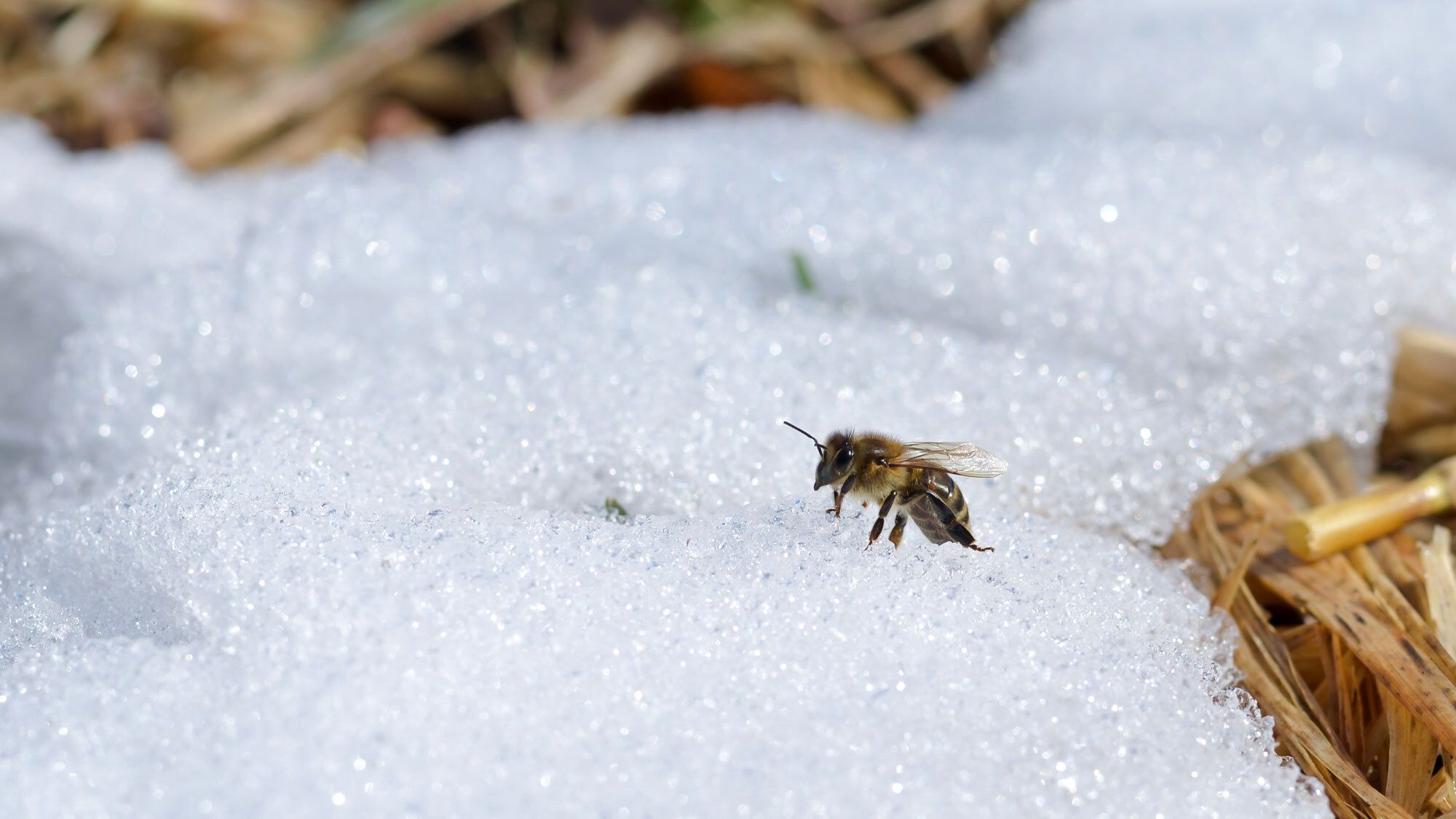
It was one of those crisp, late autumn afternoons. The kind where the sun, even though it's low in the sky, still has a surprising warmth. I was out in the garden, raking up the last of the stubborn leaves, when I noticed it. Or rather, I didn't notice it. The usual gentle hum, the busy buzz of my garden's resident honeybee colony, was completely gone. Silence. A profound, unsettling silence where there had been constant, cheerful activity just a few weeks before.
My first thought, naturally, was: "Where on earth have they all gone?" It felt a bit like walking into a bustling city square and finding it suddenly deserted. Did they pack up their tiny suitcases and move to a warmer climate? Did they all get abducted by aliens? (Okay, maybe that last one is a bit dramatic, but in that moment of quiet, my imagination was running wild!) This little moment of garden solitude sparked a big question in my mind, one I'm sure many of you have pondered when looking at your own seemingly empty gardens in the colder months: Where do the bees go in winter?
It's a fascinating puzzle, isn't it? We're so used to seeing these incredible creatures zipping around, collecting nectar, pollinating flowers, being the absolute MVPs of the ecosystem. And then, poof! When the temperatures drop and the flowers disappear, they seem to vanish. But they don't really vanish, do they? That would be a bit too much like a magic trick, and bees are far too practical for that.
Must Read
So, let's ditch the alien abduction theories and dive into the real, albeit less sensational, answers. Because the survival strategy of bees in winter is actually pretty darn cool, and it tells us a lot about their amazing adaptability. It's not a single, simple answer, either. It depends on the type of bee we're talking about. This is important! Not all bees are created equal, and their winter plans are as varied as their appearances.
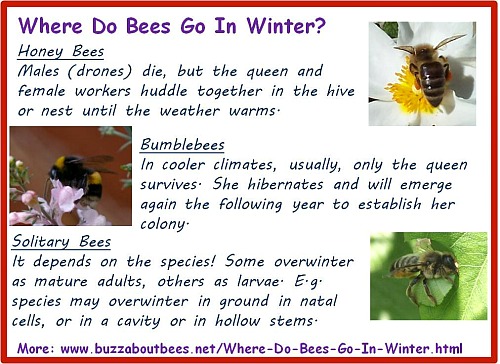
First up, let's talk about the stars of the show for many of us: the honeybees. These are the ones you likely see in established colonies, either in a managed hive or perhaps a wild one in a tree. When winter rolls around, these guys don't just pack up and leave. They're not migratory in the way birds are. Instead, they have a brilliant, communal strategy that involves staying put and working together.
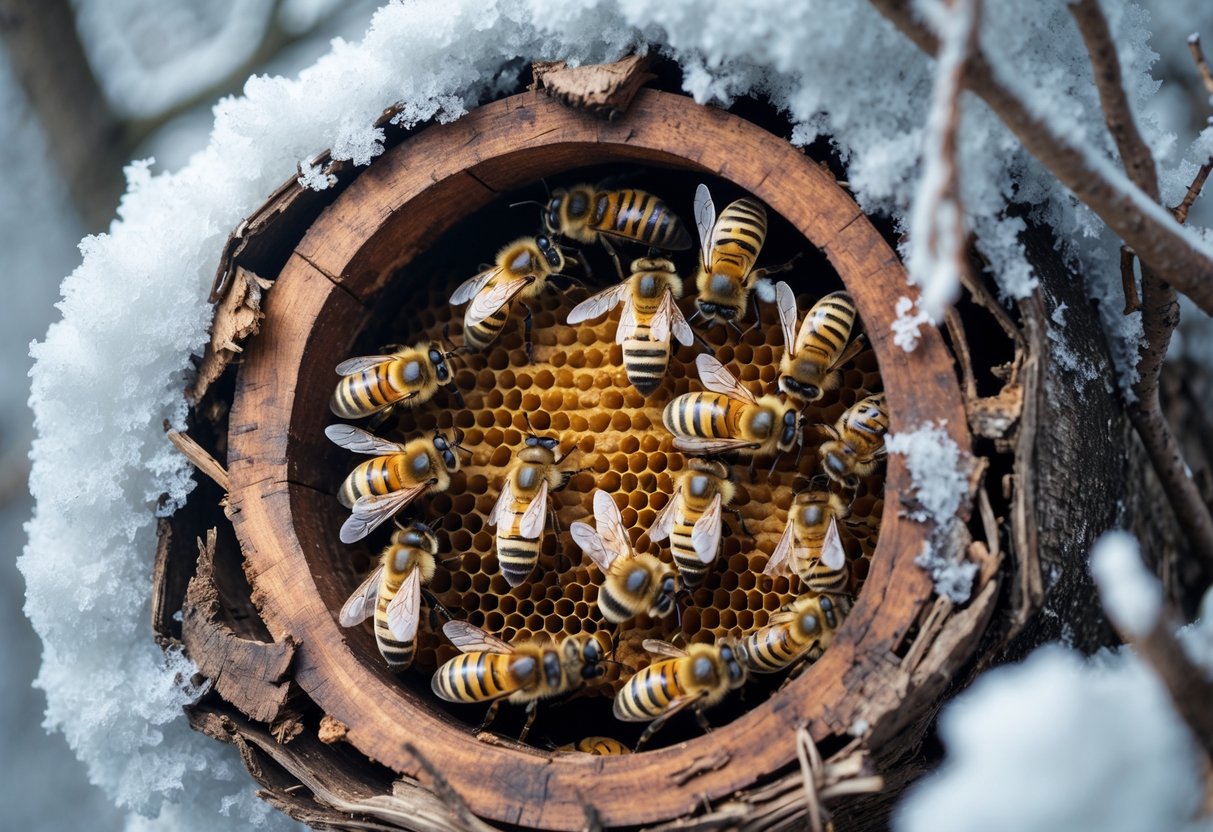
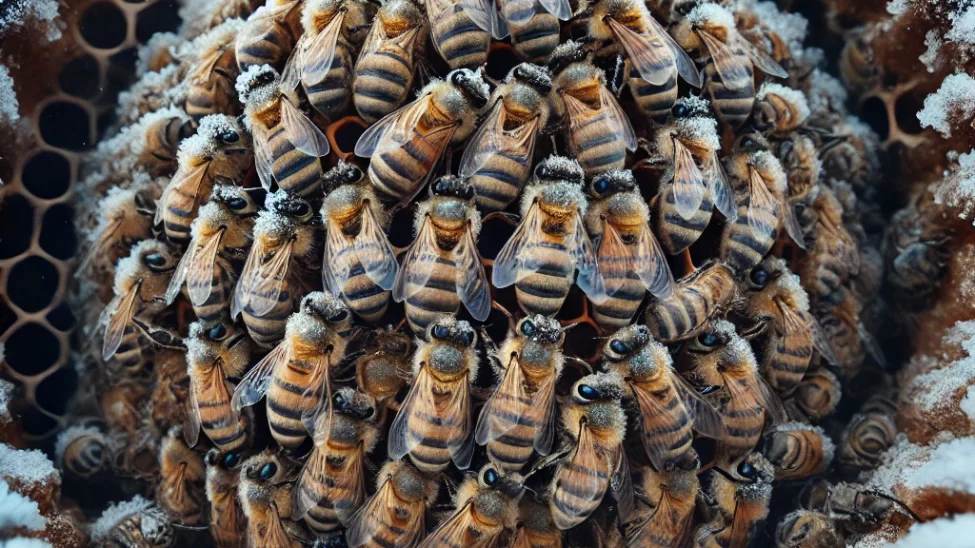
Think of it as a very, very cozy, very, very essential group hug. As the weather gets colder, the honeybees huddle together in their hive, forming what's called a "winter cluster." This isn't just a random pile of bees; it's a highly organized, living organism in itself. They pack themselves in super tight, creating a sphere of warmth.
And how do they generate all that heat? By vibrating their wing muscles! Yep, you heard that right. They're not flying, but they are constantly, rhythmically buzzing their flight muscles. This friction, this constant movement, generates heat. It's like a living, breathing, buzzing furnace. Pretty neat, huh?
The bees on the outside of the cluster act like insulation, while the bees on the inside are keeping the core temperature nice and toasty. But here's the ingenious part: they rotate! The bees on the outside will eventually move to the inside to warm up, and the bees from the inside will move to the cooler periphery. This ensures that no single bee gets too cold for too long. It's a truly selfless, cooperative effort. They're all in it together, literally.

So, while you won't see them flying out and about, the honeybees are very much alive and kicking (or vibrating!) inside their hive. They're surviving on the honey they've diligently stored throughout the warmer months. This stored honey is their fuel, their energy source, and it's absolutely critical for their survival. Without it, they wouldn't have the energy to generate heat and would perish.
This is why beekeepers are so invested in making sure their hives have enough honey reserves. It's a direct link between the hard work of the bees in summer and their survival in winter. It really puts into perspective the importance of their work, doesn't it? They're not just making honey for us to enjoy on our toast; they're making it for their own survival, and in doing so, they're ensuring the continuation of their colony.
Now, what about the other bees? Because as I mentioned, not all bees are honeybees. In fact, the vast majority of bee species are solitary bees. Think of bumblebees, mason bees, leafcutter bees, and hundreds of other types you might not even recognize. Their winter strategies are often quite different from their honeybee cousins, and honestly, sometimes even more intriguing.
For many solitary bees, their life cycle is designed to coincide with the seasons. The adult bees, the ones you see buzzing around your garden in spring and summer, usually live for a relatively short time. They mate, the female builds a nest, lays her eggs, and provides a little provision of pollen and nectar for each egg. And then? They often die.
It sounds a bit morbid, I know. But it's a crucial part of their life cycle. The future of the species lies not with the adult bee, but with the offspring developing within the nest.
So, where are these offspring? They are usually in a protected place, like underground in tunnels they've excavated, or within hollow stems of plants, or even in pre-existing holes in wood. And they're not buzzing around; they are in a state of diapause. This is essentially a period of suspended development, similar to hibernation in some other animals.
Think of it like a long, deep sleep. The larva will remain in this state, protected from the cold and lack of food, until conditions are right for them to emerge. This usually means waiting until spring when the temperatures warm up and the flowers begin to bloom again.
Different solitary bee species have different ways of overwintering. Some might overwinter as larvae, others as pupae, and some might even overwinter as fully formed, but dormant, adults tucked away in their protected spaces. It’s a clever way to avoid the harshness of winter altogether.
Bumblebees, for example, have a slightly more complex social structure than most solitary bees. In a bumblebee colony, the queen bee is the only one who overwinters. After mating in the late summer or autumn, the mated females (future queens) will find a safe place to hibernate, often in a burrow in the ground or under a compost heap. The rest of the colony, including the workers and males, will die off.
The hibernating queen will then emerge in the spring, all alone, and start a new colony from scratch. She's a real trooper, that one! It’s a tough start to the season for her, but it’s the way the bumblebee world turns.

So, when you're looking at your garden in winter and thinking it's just a barren, bee-less wasteland, remember that beneath the surface, or tucked away in sheltered spots, there's a whole world of bees patiently waiting for spring. It’s a hidden universe of resilience and survival.
This is also why protecting overwintering sites is so important. Leaving some dead stems standing in your garden, for instance, can provide crucial nesting and overwintering habitat for solitary bees. Not tidying up everything has its benefits, right? It's a small action that can make a big difference for these vital pollinators. It's like leaving out a tiny, cozy hotel for them to use when they need it most.
And what about the actual food source? Well, that's another important consideration. Honeybees, as we discussed, rely on their stored honey. Solitary bees and bumblebee queens rely on the reserves they were provisioned with before going into diapause, or on the very first flowers that bloom in spring.
This is where early-blooming flowers become incredibly important. Think of snowdrops, crocuses, winter aconites, and early spring bulbs. These are the first beacons of hope for emerging bees, providing essential nectar and pollen to help them refuel after a long winter. Without these early blooms, many bees would struggle to survive the crucial period after emerging from their winter slumber.
So, next time you’re lamenting the lack of buzz in your garden during the colder months, take a moment to appreciate the incredible, often unseen, efforts of our bee populations. They’re not gone; they’re just playing a different game, a game of survival, adaptation, and patient waiting.
It’s a testament to the power of nature’s cycles, isn’t it? A reminder that even in apparent stillness, life is preparing for its next grand performance. The silence of winter is not an end, but a pause, a crucial breath before the vibrant symphony of spring begins anew.
So, when you see those empty patches of garden, or that quiet hive, don't think of it as an absence. Think of it as a promise. A promise of future buzzing, of future pollination, of future honey. It’s a promise that’s being kept, silently, diligently, and with incredible ingenuity, right under our noses (or sometimes, just beneath our feet!).
Isn't that just fascinating? The more you learn about these little creatures, the more you realize how much we owe them, and how much we can learn from their remarkable resilience. They’re masters of their own survival, and in winter, they show us a side of nature that’s both hidden and utterly inspiring.
So, there you have it. They don't fly south. They don't get beamed up. They either huddle together, vibrating their way through the cold, or they go into a deep, protected sleep, waiting for the sun to warm the earth again. It’s a quiet victory, a testament to life’s persistence. And honestly? I find that far more amazing than any alien abduction.
Next time you spot a solitary bee nest, or see a honeybee hive in winter, give a little nod of respect. They’re busy working on the most important job of all: just being.