When Do You Put Lawn Seed Down
Ah, the humble lawn seed! It might not be the most glamorous gardening topic, but there's a certain quiet satisfaction in knowing exactly when to sprinkle those tiny green hopes onto your patch of earth. Think of it like this: get the timing right, and your lawn goes from "meh" to "magnificent" with minimal fuss. It’s a simple secret that unlocks a much more enjoyable outdoor space, whether you're aiming for a playground for the kids, a tranquil escape for yourself, or just a really good-looking property.
For the beginner, understanding lawn seeding times is like finding the cheat code. It means avoiding the frustration of watching your hard work wither away because you planted too early or too late. When you nail it, you’re rewarded with a thicker, greener carpet of grass that’s more resistant to weeds and generally a lot happier. For families, a healthy lawn is a safe and inviting place for little ones to run, play, and even have a picnic. Imagine the joy of knowing your kids have a soft, lush surface to tumble on, without worrying about bare patches or an abundance of dandelions. And for the hobbyist? Well, for you, it's about that perfect shade of green, that dense turf that feels amazing underfoot. Getting the seeding timing spot-on is the foundation for achieving lawn perfection, a testament to your dedication and green thumb.
Now, let's talk timing. Generally, the two golden windows for putting down lawn seed are early fall and early spring. Why these times? Because the weather is just right! In early fall (think late August to October, depending on where you live), the soil is still warm from summer, giving those seeds a great start, but the air is cooling down, which is ideal for grass growth and less stress on young seedlings. Plus, fall rains often provide consistent moisture. Early spring (March to May) is also a fantastic time, as the soil warms up and there's plenty of moisture from melting snow and spring showers. The key here is to plant after the last hard frost but before the intense heat of summer arrives.
Must Read
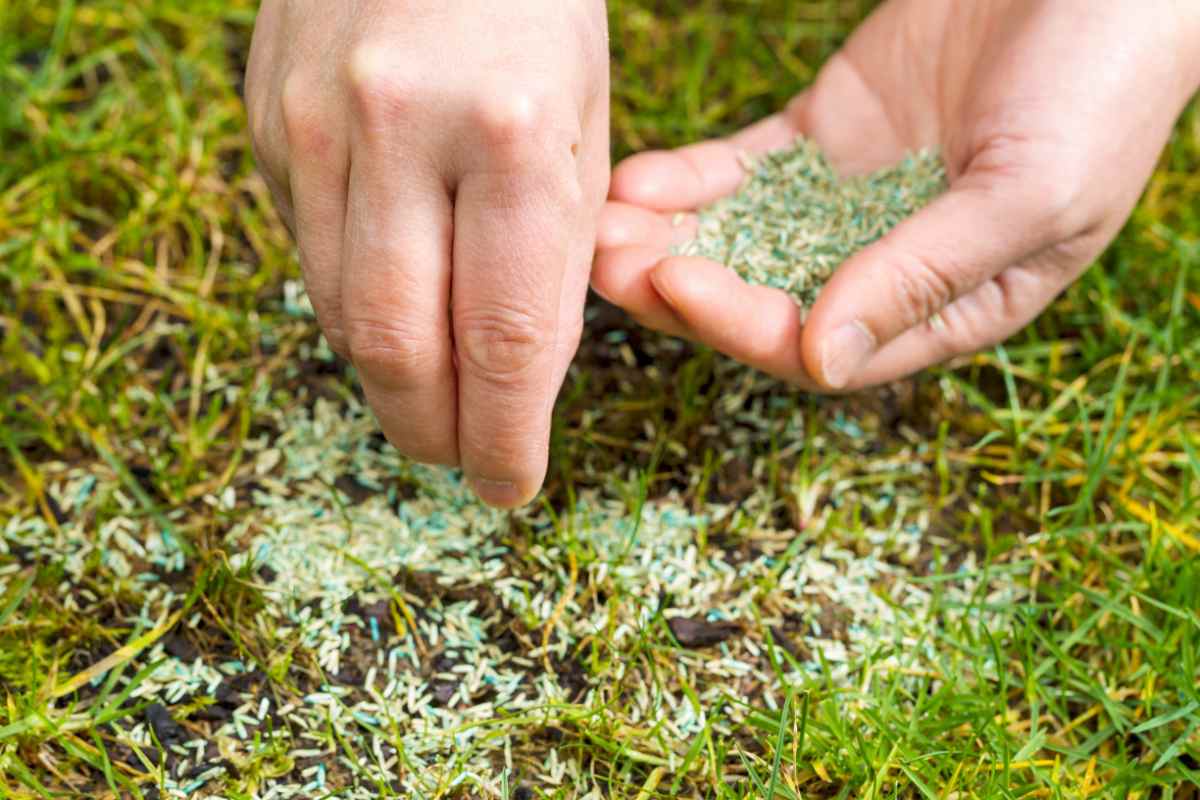
You might hear about overseeding, which is simply adding new seed to an existing lawn. This is perfect for thickening up thin patches or introducing a more resilient grass type. You can do this in both of those prime windows. Some folks even experiment with winter sowing, a more advanced technique where you sow seeds in late fall or winter, letting nature do the work of stratification and germination when conditions are right in spring. But for most of us, sticking to the fall and spring sweet spots is the easiest route to success.

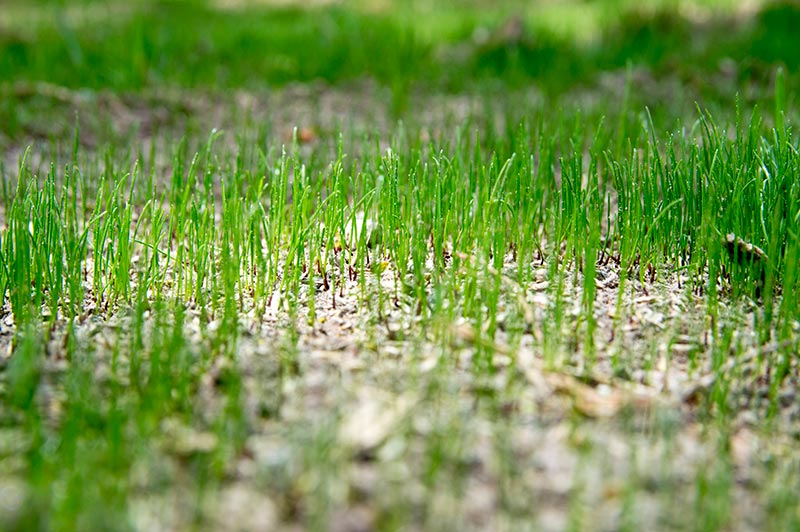
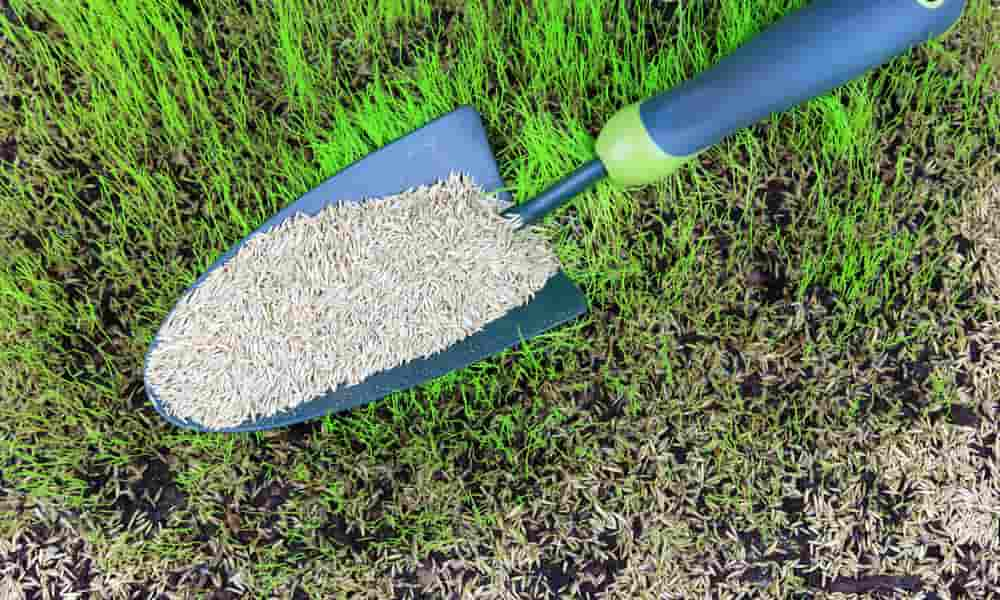
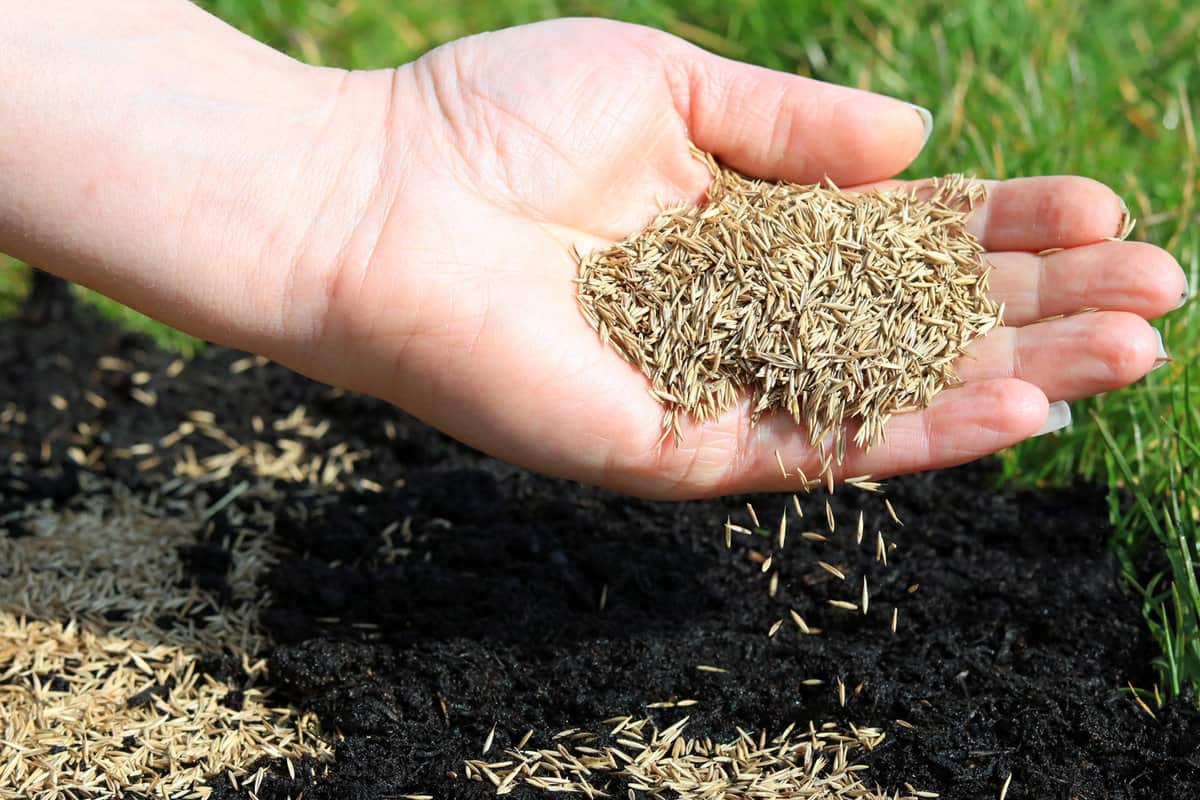
So, how do you get started? First, prepare your soil. Loosen it up, remove any debris or weeds, and consider adding some compost. Then, choose the right seed for your climate and desired look. For a simple lawn, a good quality fescue blend often works well. Finally, follow the instructions on your seed bag for seeding rates and depth – don't just toss it on! Water gently but consistently, especially in the first few weeks. You want the soil to stay moist, not waterlogged. And be patient! Germination can take anywhere from a week to a few weeks, depending on the seed type and conditions.
Ultimately, putting down lawn seed at the right time isn't rocket science. It's about working with nature, not against it. And the reward? A beautiful, healthy lawn that brings a little extra joy and beauty to your everyday life. Happy seeding!